
A good bridge buys schedule without hiding the cost or quality gap to the final process. This guide treats bridge machining as a time-bounded supply program with entry criteria, operating controls, and an exit plan.
When a Bridge Is Justified
 Common triggers include delayed molds or dies, forecast uncertainty, early customer demand, supplier transfer, certification builds, field trials, tooling repair, or a design that is stable enough to ship but not stable enough for permanent tooling. CNC can create parts from production-grade stock without waiting for a dedicated forming process.
A bridge is justified when the value of schedule protection exceeds its higher recurring cost and when the machined part can meet the necessary product requirements. It should not be used to bypass unresolved safety, validation, or regulatory obligations.
Map Equivalence to the Final Process
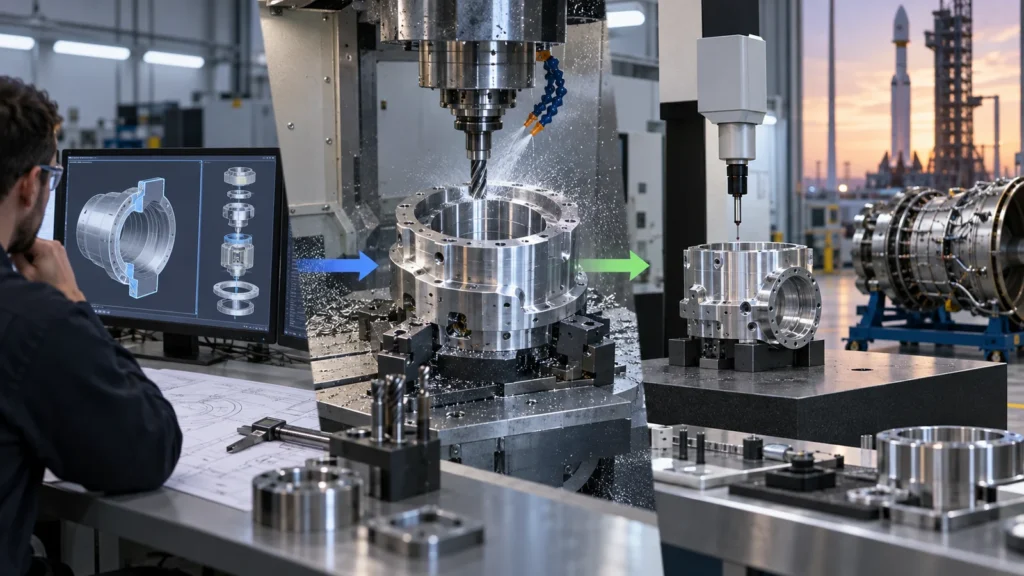 List every characteristic and classify the bridge part as equivalent, conservative, non-equivalent, or not applicable. Geometry may match while material condition, wall construction, surface, residual stress, or cosmetic details differ. A billet-machined housing will not reproduce die-cast porosity; a machined plastic part will not reproduce molding shrinkage or fiber orientation.
The map prevents bridge evidence from being reused beyond its validity and gives sales, quality, and engineering a common explanation of temporary differences.
Plan Against the Capacity Clock
 Bridge demand often grows faster than expected. Model weekly machine hours, setups, material availability, outside processes, inspection, packaging, and scrap at several demand levels. Identify the first bottleneck and the latest date when additional fixtures, machines, or suppliers would need approval.
Do not assume a prototype supplier can absorb recurring launch volume without disrupting other work. Agree reserved capacity, release cadence, frozen windows, expedite rules, and forecast updates. A surge plan may include duplicate fixtures, family setups, alternate stock, or qualified backup sources.
The bridge should have a maximum practical rate and a commercial trigger for revisiting the route. Otherwise temporary supply can become a permanent emergency.
Control Product Status and Evidence
 Bridge parts need clear revision and process identification. If they can mix with final production parts, use labeling, lot codes, packaging, or serial control to preserve status. Define whether bridge parts are approved for sale, internal builds, testing, specific customers, or limited duration.
Inspection should match use. Critical characteristics, material records, finish, first-piece approval, and lot release may be required even if the process is temporary. The quality system should distinguish concession, deviation, and full drawing compliance.
Nonconformance data from the bridge is valuable, but interpret it in context. Some issues reveal product design risk; others are unique to machining and will disappear—or be replaced by different risks—when tooling launches.
Separate Urgent Changes From Final Tooling
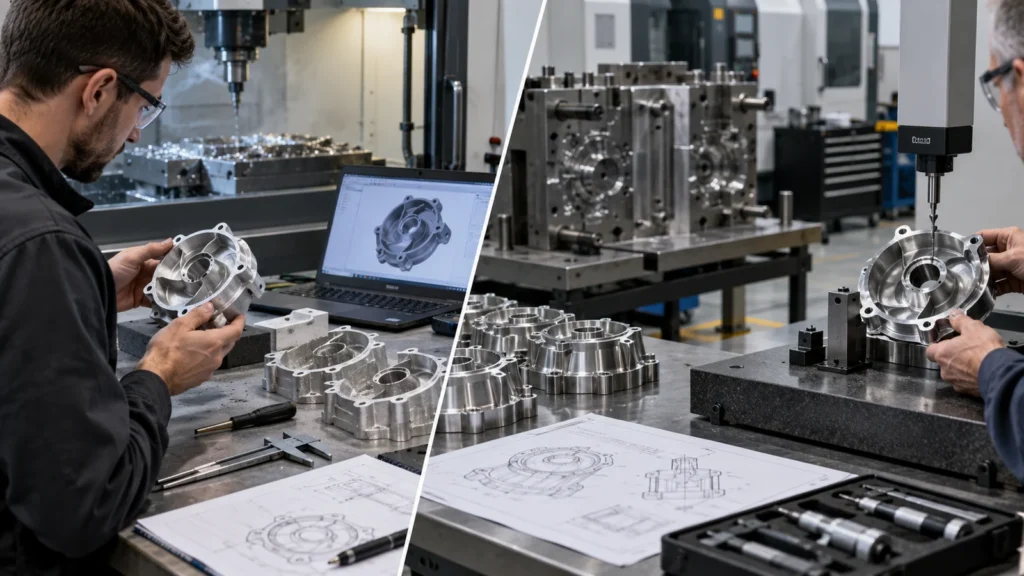 CNC can implement revisions quickly, which makes it tempting to change bridge parts while tooling follows another baseline. Create two controlled change lanes: one for immediate bridge supply and one for the final process. Every change should state whether it affects both routes, only one route, or the equivalence map.
Hold regular alignment reviews between product engineering, CNC supplier, tooling supplier, quality, and procurement. Confirm the master revision and prevent a temporary machining convenience from entering the final design without DFM review.
Price the Bridge as Risk Protection
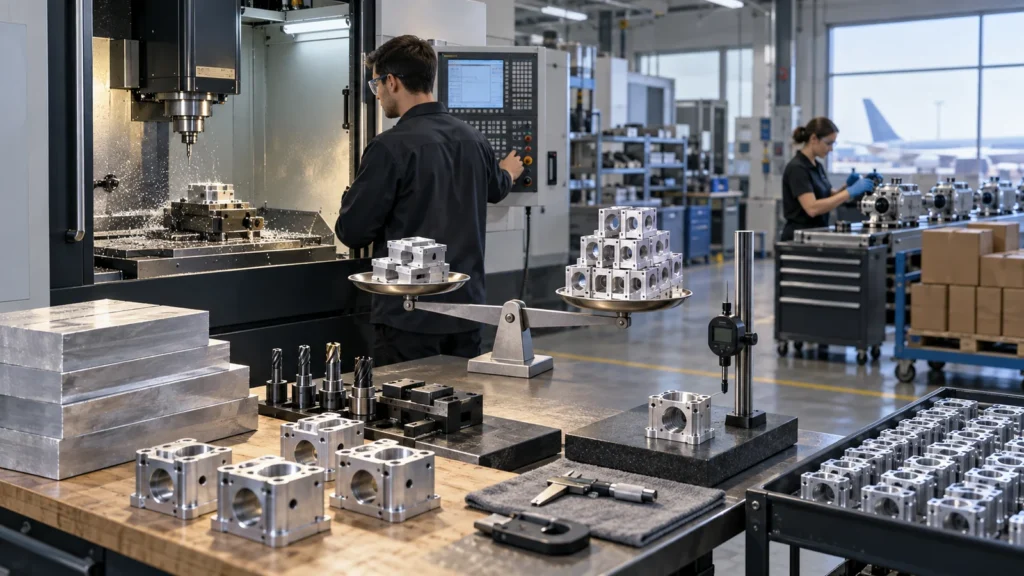 Bridge parts may cost more per unit than eventual production, but their value includes avoiding launch delay, enabling revenue, supporting field learning, and protecting assembly schedules. Compare those benefits with machining, material, expedited capacity, inspection, and temporary packaging costs.
Track cumulative bridge spend against tooling progress and demand. If the bridge extends, investigate fixture investment, batch changes, DFM improvements, alternate stock, or a revised long-term process. The CNC加工コスト model should include the cost of repeated setups and schedule volatility.
Do not hide bridge economics inside the final part price. A visible ledger helps management decide whether to accelerate tooling, redesign, qualify another route, or intentionally keep CNC as production.
Design the Exit Before the First Order
Define the exit event: approved tool samples, capability evidence, customer authorization, regulatory completion, or stable capacity. Set the last bridge purchase date, overlap quantity, final-process ramp, and disposition of remaining stock, fixtures, and open orders.
Plan overlap because tooling approval and production readiness are not the same day. A controlled buffer can protect the launch while the new route proves yield. However, avoid excessive inventory that may become obsolete after final-process adjustments.
Archive bridge programs, inspection results, deviations, and lessons. They may support service parts or contingency supply later, but reactivation should require revision and material review.
Bridge-Production Control Room
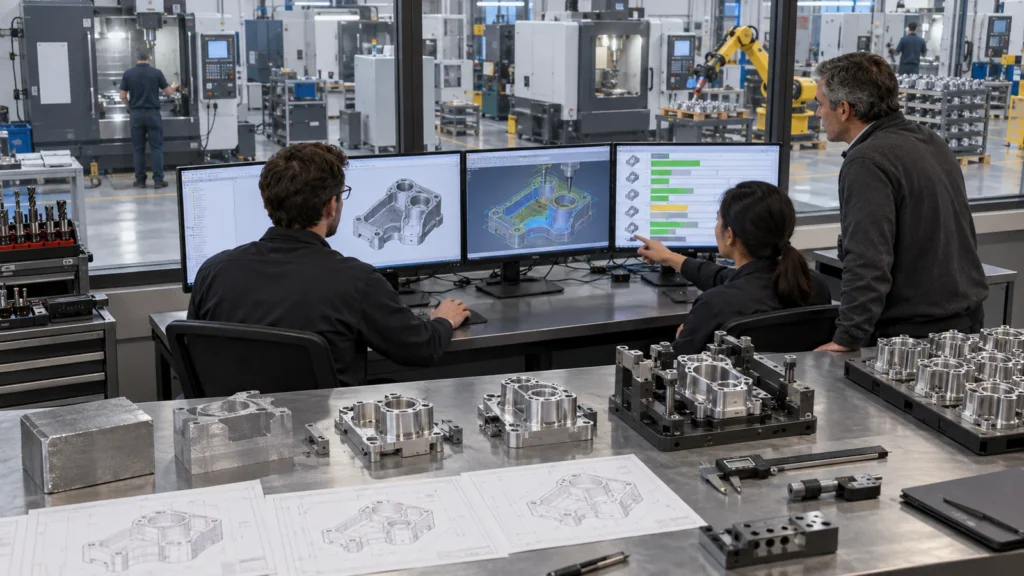
This view keeps the bridge tied to its purpose. It also connects temporary supply to the parent CNC試作と生産 strategy instead of letting it drift into unmanaged production.
Bridge Supply FAQs

Only when product, quality, regulatory, and customer requirements permit. Their temporary process and any differences must be formally approved and traceable.
Should bridge parts match final appearance?
Match it when appearance affects approval or customer use. Otherwise a documented temporary finish may protect schedule, provided parts cannot be confused with final production.
What if tooling continues to slip?
Reforecast capacity and cumulative cost immediately. Decide whether to invest in the CNC route, add a supplier, alter releases, or change the long-term plan rather than relying on recurring expedites.
Can CNC remain the final process?
Yes. If demand, design change, quality, or lifecycle economics support it, the bridge can become production—but it should undergo a formal production-readiness review instead of changing status by default.