
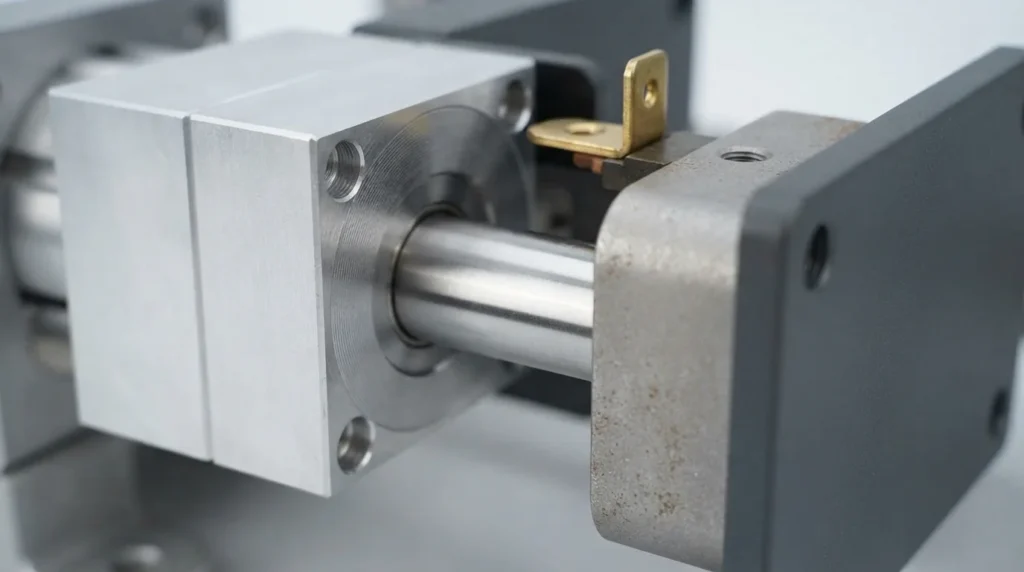
CNC 부품은 단순히 기계에서 나왔다고 해서 완성된 것이 아닙니다. 표면은 부식에 저항하고, 마찰을 줄이고, 밀봉을 지원하고, 코팅을 받아들이고, 특정 외관을 제공하거나, 중요한 치수를 보존해야 할 수 있습니다. 올바른 표면 마감은 재료, 기능, 환경, 형상, 공차, 수량 및 예산에 따라 달라집니다. 외관만으로 선택하면 접착 문제, 치수 변화, 불필요한 비용 또는 보기에는 좋지만 사용 중에 실패하는 표면이 생길 수 있습니다.
표면이 해야 할 일부터 시작하세요
| 표면 목적 | 검토할 마감 결정 | 일반적인 위험 |
|---|---|---|
| 부식 방지 | 재료 호환성, 코팅 피복 범위, 모서리, 구멍 및 사용 환경 | 처리는 외관을 보호하지만 실제 노출 조건은 보호하지 않습니다 |
| 마모 또는 마찰 제어 | 경도, 거칠기, 윤활, 상대 재료 및 코팅 두께 | 표면은 매끄럽지만 빠르게 마모되거나 끼워맞춤이 변합니다 |
| 밀봉 또는 유체 접촉 | 거칠기 방향, 파상도, 버, 평탄도, 청결도 및 처리 호환성 | 기능적 합격 기준 없이 외관 마감이 지정됩니다 |
| 외관 또는 취급 | 질감, 색상, 광택, 균일성, 마스킹 및 기준 샘플 | 서면 설명은 고객이 무엇을 수용할지 정의하지 않습니다. |
부품은 면마다 다른 마감 요구 사항을 적용할 수 있습니다. 가장 비싼 마감을 모든 곳에 적용하는 대신 중요한 인터페이스, 외관 영역, 숨겨진 표면을 구분하십시오.
기계 가공 그대로도 실제 엔지니어링 선택입니다
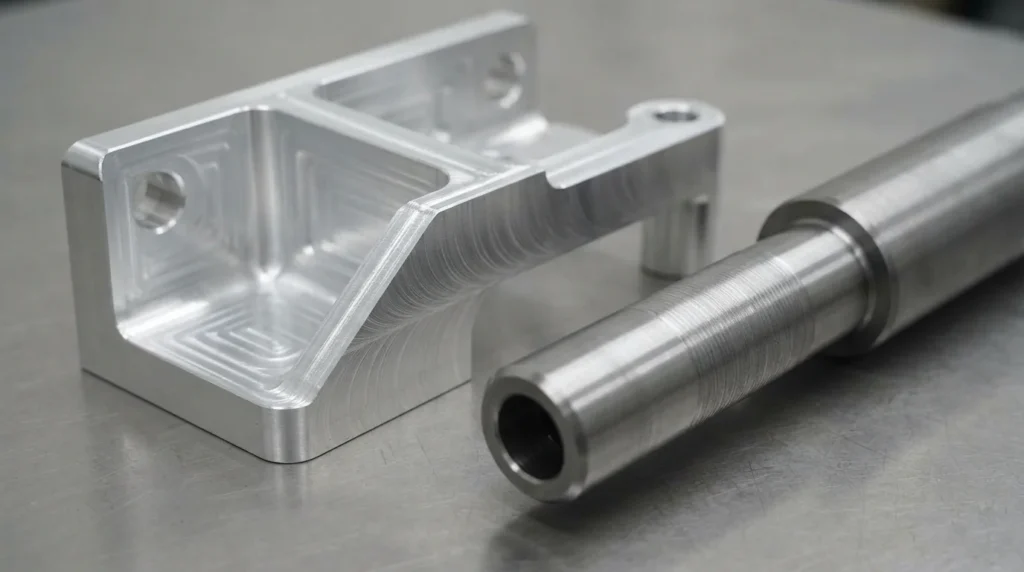
기계 가공 표면으로 충분한 경우
- 표면이 숨겨져 있거나 부식 환경에 노출되지 않습니다.
- 눈에 보이는 공구 자국이 외관이나 고객 인식에 영향을 주지 않습니다.
- 거칠기와 모서리 상태가 결합 또는 밀봉 기능에 적합합니다.
- 코팅이 의미 있는 성능 이점 없이 위험이나 두께만 추가합니다.
더 매끄러운 결과가 필요하면 “가능한 가장 매끄러운” 마감을 요청하는 대신 기능 표면과 허용 값을 지정하십시오. 후자는 견적 산출과 일관된 검사가 어렵습니다.
질감과 외관을 위한 기계적 마감
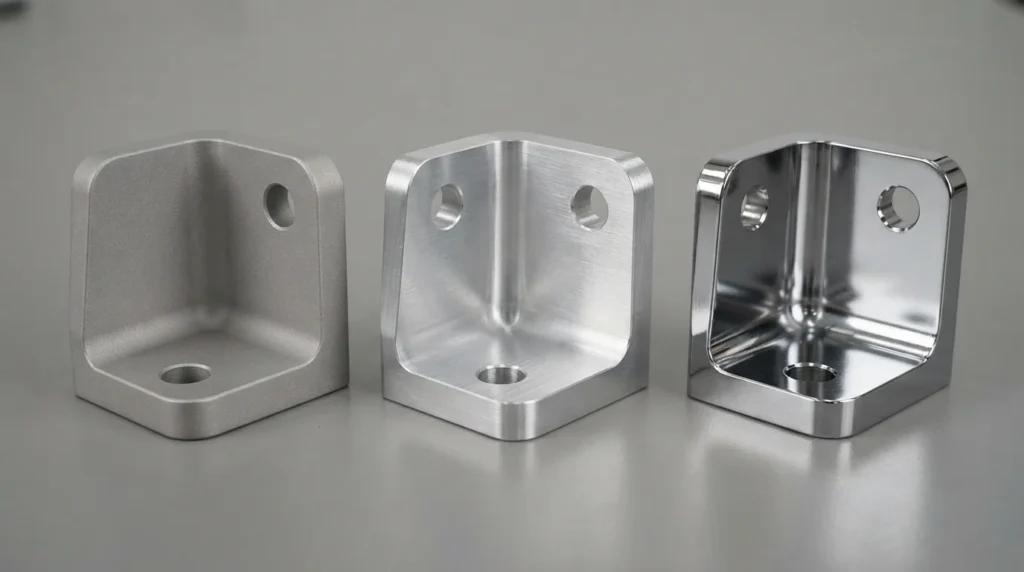
블라스팅은 더 균일한 무광 또는 새틴 외관을 만들고 공구 자국의 시각적 두드러짐을 줄일 수 있습니다. 또한 모서리를 무디게 하고, 작은 형상을 변경하고, 거칠기에 영향을 주거나, 오목한 곳에 미디어 잔여물 문제를 남길 수 있습니다. 구멍, 나사산, 베어링 시트 또는 밀봉면을 관리 상태로 유지해야 하는 경우 마스킹 및 보호 표면을 정의하십시오.
브러싱 및 방향성 질감
브러시 마감은 취급 자국을 숨기는 데 도움이 될 수 있는 방향성 외관을 만듭니다. 그러나 방향, 겹침, 모서리 전환, 외관 일관성이 중요합니다. 샘플 패널이나 승인된 기준이 “프리미엄”과 같은 형용사보다 더 유용할 수 있습니다.”
폴리싱
폴리싱은 재료를 제거하거나 매끄럽게 하여 외관, 세척성 또는 접촉 거동을 개선할 수 있습니다. 모서리를 둥글게 하고, 국부 치수를 변경하고, 개재물을 드러내며, 별도의 검사 방법이 필요할 수 있습니다. 요구 사항이 새틴, 광택, 거울 같은 상태인지 또는 측정된 거칠기 수준인지 명시하십시오.
화학적 및 전기화학적 마감
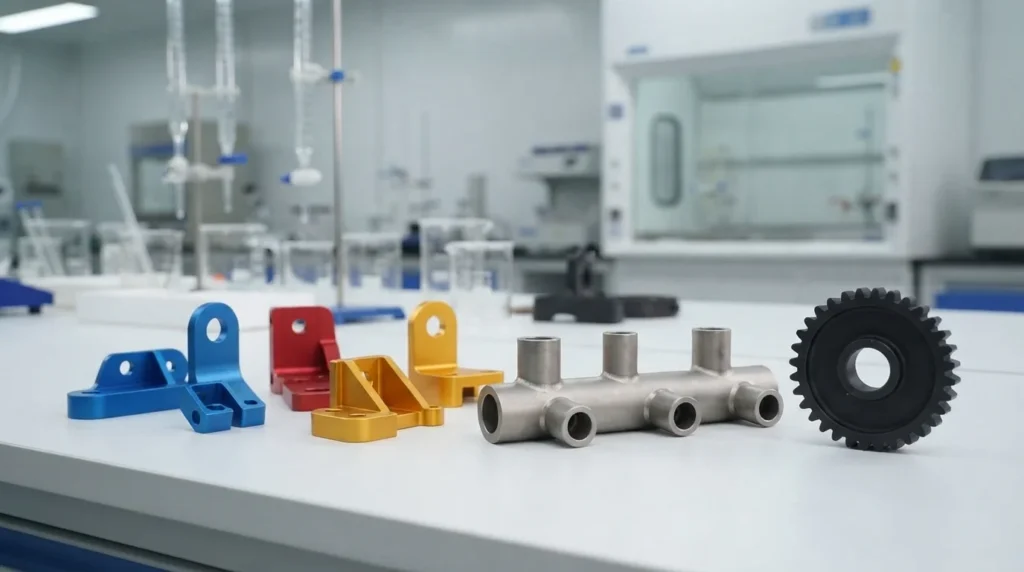
아노다이징은 적합한 알루미늄 합금에 내식성, 색상, 경도 및 제어된 외관을 제공할 수 있습니다. 합금, 표면 준비, 색상, 마스킹 및 처리 유형이 결과에 영향을 미칩니다. 코팅 성장 또는 침투는 구멍, 나사산, 끼워맞춤 및 전기 접점에 영향을 줄 수 있으므로, 중요 치수는 완성 상태를 기준으로 검토해야 합니다.
스테인리스강 패시베이션
패시베이션은 가공 및 세척 후 적합한 스테인리스강 표면의 내식성을 향상시키는 데 사용됩니다. 이는 범용 외관 처리 방식이 아니며, 세척, 표면 상태, 화학적 환경 및 합격 요건을 여전히 정의해야 합니다.
흑색 산화물 및 기타 화학적 처리
화학적 마감은 재료에 따라 다릅니다. 한 합금에 효과가 있는 처리가 다른 합금에는 효과가 없거나 부적합할 수 있습니다. 마감을 선택하기 전에 모재를 명시하고, 오일, 실런트, 탑코트 또는 치수 여유가 사양에 포함되는지 확인하십시오.
코팅, 도금 및 치수 제어
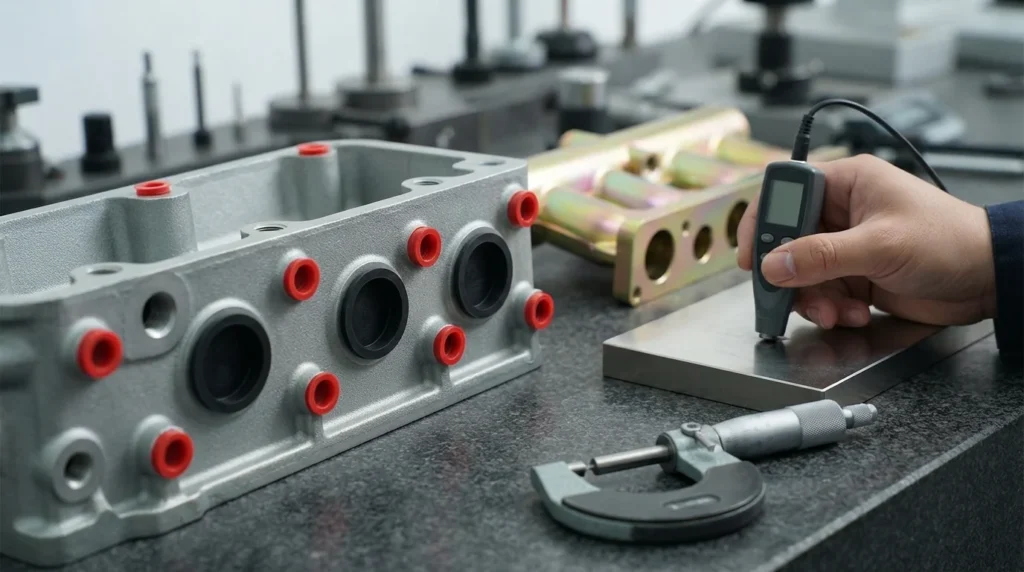
| 질문 | 중요한 이유 |
|---|---|
| 어떤 표면을 마스킹합니까? | 나사산, 보어, 전기 접점, 밀봉면 및 위치 결정면은 동일한 코팅을 허용하지 않을 수 있습니다 |
| 필요한 두께 또는 범위는 얼마입니까? | 두께는 끼워맞춤, 구멍 크기, 모서리 축적, 마찰 및 전기적 거동을 변화시킬 수 있습니다 |
| 중요 치수는 언제 측정합니까? | 부품은 처리 전 가공 여유가 필요할 수 있으며 처리 후 검증이 필요할 수 있습니다 |
| 접착력 또는 외관은 어떻게 합격 판정됩니까? | 일반적인 색상 명칭은 접착력, 광택, 질감, 피복 범위 또는 허용 가능한 편차를 정의하지 않습니다 |
Ra, Rz 및 검사 문제
Ra is a common arithmetic-average roughness parameter, while Rz and other parameters describe the surface differently. A single roughness value does not fully describe waviness, lay direction, burrs, scratches, pores, or cosmetic uniformity. The correct parameter and measurement direction depend on the function.
Write a measurable requirement
- Identify the exact surface or zone that requires the finish.
- State the roughness parameter, unit, limit, and measurement direction when relevant.
- Define whether the value applies before or after coating, polishing, blasting, or passivation.
- Separate roughness from visual appearance, color, scratches, tool marks, and edge condition.
- Agree on the instrument, reference area, and sample or report expectation.
Surface finish and dimensional control are connected. Review the CNC 공차 가이드 when a finish may change a critical fit or inspection result.
재료 호환성이 먼저입니다
The base material affects which finishes are available, how uniform the result will be, what color is possible, and how the surface behaves in service. Alloy, temper, hardness, reinforcement, porosity, and prior machining condition can all matter.
다음을 사용하십시오 CNC 재료 선택 가이드 to connect finish decisions to the material’s environment, wear, heat, electrical, and dimensional requirements. Do not specify a finish only because it is common on another alloy.
도면에 마감을 지정하는 방법
A useful finish callout answers four questions: what process, on which surfaces, to what result, and how will it be accepted?
- Name the base material and condition.
- Name the treatment or mechanical finish and the required class, type, color, texture, or roughness.
- Mark protected, masked, cosmetic, sealing, electrical, and fit-critical surfaces.
- State coating thickness, allowance, dimensional condition, or post-finish measurement where needed.
- Define samples, visual limits, roughness measurement, adhesion, cleanliness, and documentation.
- Identify any approved supplier, customer specification, or substitute-approval process.
A finish note should be specific enough for an estimator to quote and an inspector to accept. “Nice cosmetic finish” is neither.
마감, 비용 및 생산 위험
Surface treatment affects more than the external processing charge. It can change masking, packaging, inspection, rework, lead time, yield, and the dimensional strategy used during machining. Over-specifying every surface can add cost without improving the product; under-specifying a functional surface can create field failure or rework.
When comparing options, consider appearance, corrosion, wear, friction, sealing, electrical behavior, cleanability, dimensional effect, material compatibility, quantity, documentation, and total route cost. The goal is a finish that solves the actual service problem.
CNC 표면 마감 FAQ
What is the best surface finish for a CNC part?
There is no universal best finish. Select it from the surface’s function, material, environment, appearance, tolerance, quantity, inspection method, and budget. An as-machined surface may be correct for one area while another needs a coating or polished condition.
Does anodizing change CNC part dimensions?
It can. The treatment may change the condition of edges, holes, threads, fits, and electrical contacts. Critical dimensions should identify whether they apply before or after treatment and which surfaces are masked.
What is the difference between surface finish and surface roughness?
Surface finish is a broader description of texture, appearance, treatment, and condition. Surface roughness is a measured characteristic such as Ra or Rz. A roughness number alone may not define scratches, waviness, lay, burrs, color, or visual acceptance.
Is bead blasting suitable for every CNC material?
No. The media, pressure, base material, geometry, masking, and cleanliness requirement affect the result. Confirm compatibility and protect critical surfaces, threads, bores, and cosmetic zones when needed.
How can I reduce surface finishing cost?
Apply the finish only to surfaces that need it, choose a material-compatible process, define measurable acceptance, avoid unnecessary masking, and coordinate the finish with tolerances and inspection. A supplier DFM review can identify a simpler finish that still meets function.