
식품 가공 장비용 CNC 가공은 두 가지 질문에서 시작해야 합니다. 이 부품이 식품과 접촉하는가, 그리고 장비는 어떻게 세척되는가? 이에 대한 답은 재료 선택, 접근 가능한 형상, 표면 마감, 그리고 검수 시 필요한 기록에 영향을 미칩니다. 부품을 “식품 등급'이라고 부르거나 316 스테인리스 강을 지정하는 것만으로는 세척 가능성을 규정하거나 완성된 기계의 적합성을 입증할 수 없습니다.
세 가지 가상의 컨베이어 부품을 고려해 보십시오. 제품 경로 아래의 지지 브래킷, 베어링 근처의 샤프트 슬리브, 제품 옆의 분리 가능한 가이드입니다. 이들은 도면 패키지를 공유할 수 있지만 노출, 세척, 검사 작업은 서로 다릅니다. 이들을 동일한 스테인리스 부품으로 취급하면 잔류물이나 세척액이 실제로 남는 인터페이스를 가릴 수 있습니다.
등급을 선택하기 전에 접촉과 세척을 설명하십시오
직접적인 제품 접촉, 비산 또는 잔류물 노출 가능성, 제품과 분리된 영역을 식별하십시오. 부품 이름으로 구역을 지정하는 대신 장비의 해당 위생 평가를 사용하여 해당 구역을 정의하십시오. 컨베이어 아래의 브래킷은 의도적으로 식품을 안내하지 않더라도 제품 잔류물이나 세척액을 받을 수 있습니다.
식품 또는 공정 매체, 관련 온도 범위, 세척 화학물질과 그 운전 조건, 헹굼 및 건조 관행, 세척에 분해가 필요한지 여부를 기록하십시오. 장비가 젖은 상태로 있거나 사용되지 않는 기간이 운전 조건의 일부라면 이를 포함하십시오. 재료 적합성은 세척제 이름만이 아니라 복합적인 조건과 관련됩니다.
Festo의 식품 안전 지침은 노출 구역을 구분하고 부품 설계를 세척과 연결합니다. EHEDG도 장비 작업에서 평가된 표면과 세척 방식을 구분합니다. 이러한 자료는 실제 노출을 문서화하는 것을 뒷받침합니다. 그러나 가공 공급업체가 모든 부품이나 어셈블리를 위생적으로 승인되었다고 선언하도록 허가하지는 않습니다.
304 또는 316은 조건부 비교입니다
304와 316 오스테나이트계 스테인리스 강은 모두 식품 관련 장비에 사용되지만, 적합성은 매체, 세척, 설계에 따라 달라집니다. 몰리브덴을 함유한 316은 부식 조건으로 인해 304가 덜 적합할 때 일반적으로 평가됩니다. 316도 공식 부식, 틈새 부식 또는 부적절한 세척 관행에 면역이 아닙니다. 선택 시 실제 노출과 해당 장비 요구 사항을 고려해야 합니다.
또한 사양이 특정 제품 형태나 저탄소 등급을 요구하는지도 확인해야 합니다. 용접, 제작 및 기타 후속 작업은 가공 외에 추가 요구 사항을 부과할 수 있습니다. 공급업체는 부식 및 적용 영향에 대한 승인 없이 절삭 시간을 줄이기 위한 목적으로만 쾌삭 등급으로 대체해서는 안 됩니다.
| 질문 | 이 답변이 중요한 이유 | 보내야 할 정보 |
|---|---|---|
| 부품과 접촉하는 것은 무엇입니까? | 재료 적합성은 실제 노출 조건에 따라 달라집니다 | 제품, 세척 매체 및 관련 운전 조건 |
| 액체가 잔류할 수 있는 곳은 어디입니까? | 국부적 잔류는 일반적 노출과 다를 수 있습니다 | 조립 방향, 틈새 및 배수 경로 |
| 부품이 용접되거나 추가 가공됩니까? | 완성된 상태는 가공된 소재와 다를 수 있습니다 | 제작 순서 및 최종 승인 단계 |
| 어떤 기록이 필요합니까? | 재료 동일성과 기계 승인은 서로 다른 산출물입니다 | 인증서, 검사 및 기타 특별히 요구되는 문서 |
The stainless steel material page provides an overview of the material family. For stainless steel food processing equipment parts, the released grade and condition should follow the equipment assessment rather than a blanket promise that one alloy is appropriate for every food or cleaning regime.
설치된 방향에서 브래킷을 검토하십시오
A bracket can be easy to machine and difficult to clean. A horizontal ledge, recessed fastener or close gap against a frame may collect residue that a smooth outside face does not reveal. Review the installed part, its mating surface and the approach of cleaning tools or spray together.
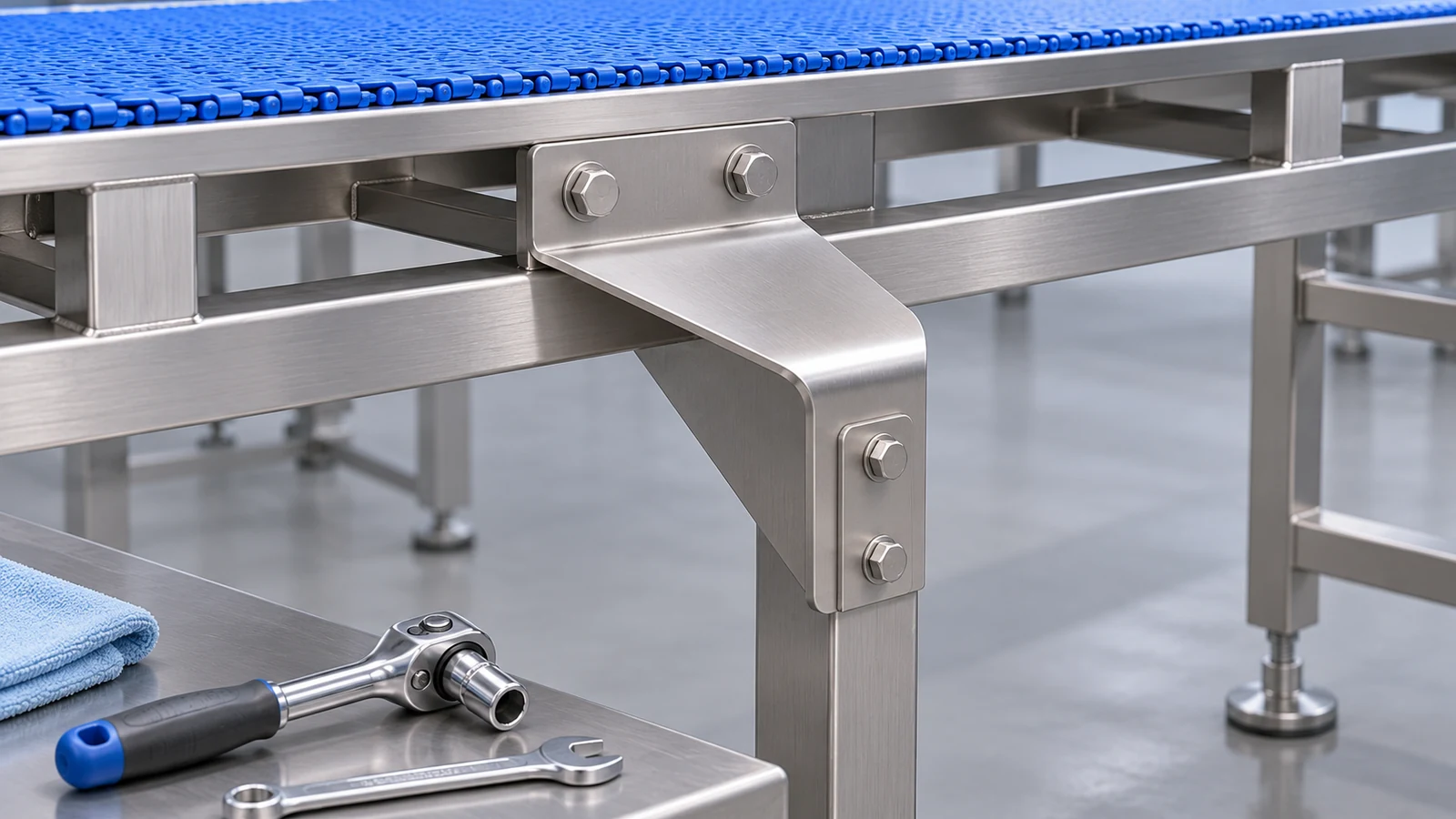 Ask whether the bracket can be reached without dismantling and whether the chosen cleaning method actually reaches the hidden interface. If it must be removed, show the disassembly access and how it will be reinstalled in the correct position. Reducing the number of inaccessible pockets may be more useful than polishing a surface that is already easy to reach.
For CNC machining for food processing equipment, specify permitted internal radii and avoid unnecessary sharp pocket corners. Tool access and cleanability can support the same design change, but a radius chosen for machining convenience still needs to satisfy the equipment’s functional and hygiene requirements.
슬리브는 외부 마감으로 해결할 수 없는 인터페이스를 추가합니다
A turned sleeve introduces a bore, shoulders, mating shaft surfaces and possibly an interface against a seal or bearing. Identify which surfaces locate the part, which move relative to another component and which are exposed to product or wash liquid. A smooth outside diameter does not eliminate a narrow retention gap at an assembled shoulder.
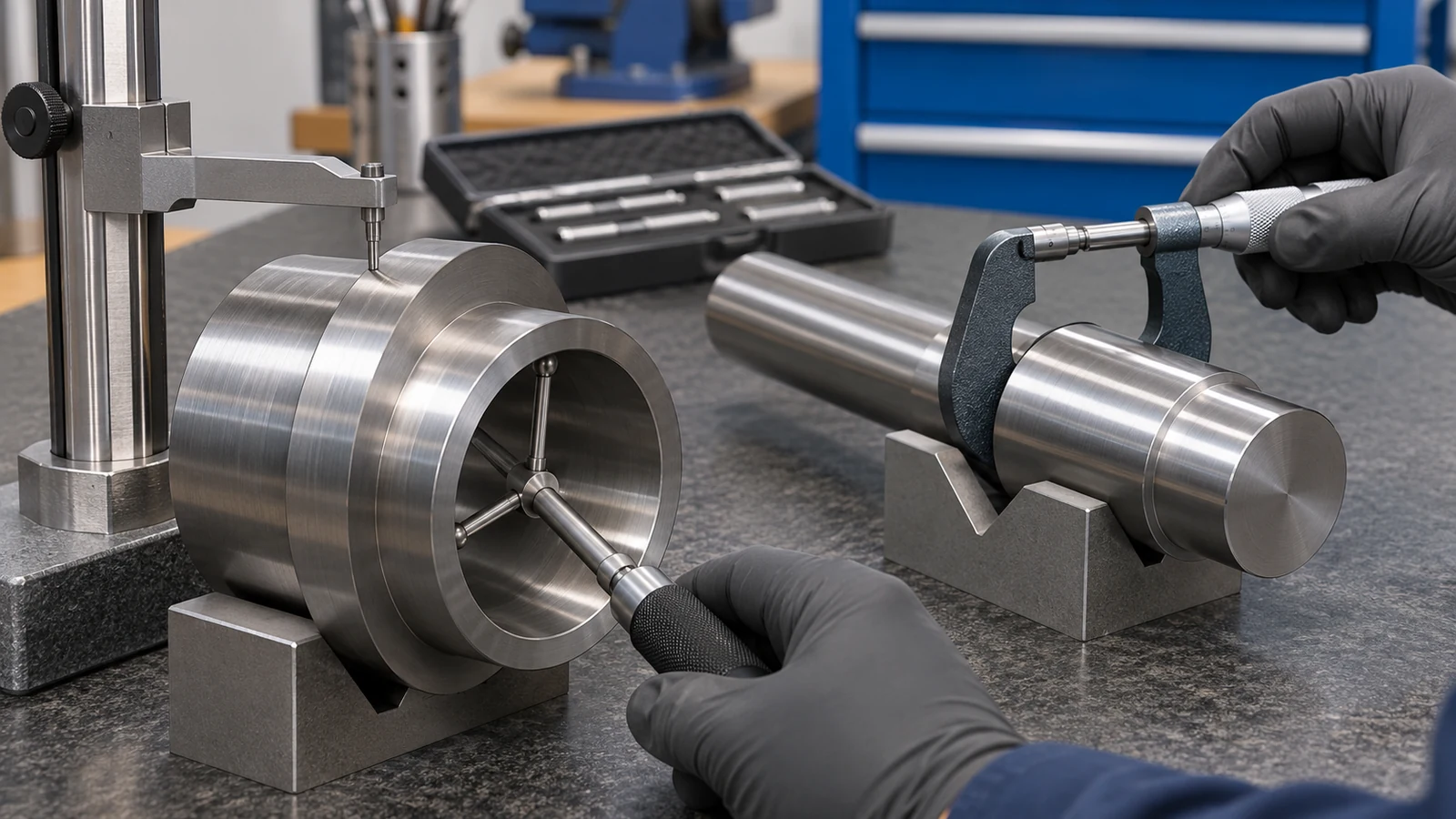 Define the fit and the method of retention with the assembly information available. If the sleeve is removable for cleaning, include the surfaces that must remain accessible and the criteria for damage after handling. If it is intended to remain assembled, the equipment designer must address the suitability of that joint and its cleaning arrangement.
The CNC 선삭 경로 can establish rotational geometry, but the drawing should show datum relationships and any sealing or sliding requirements. Do not tighten every diameter to compensate for uncertainty about how the sleeve is used. That can increase restraint or complicate removal without resolving the actual contamination risk.
표면 상태가 작업을 좌우하는 곳에서 이를 지정하십시오
A surface-roughness value should identify the relevant surface and the condition in which it applies. Average roughness alone does not describe a deep scratch, isolated pit, burr, crevice or inaccessible joint. Define those conditions separately where they affect cleanability, product contact or assembly.
Avoid prescribing one roughness limit for every part and zone without an engineering basis. The required texture and acceptance method depend on the applicable design criteria and duty. A support surface away from food can have a different task from a product-contact guide, while both may need control of burrs and retained contamination.
If polishing, passivation, electropolishing or another treatment is required, identify the process and its place in the sequence. Material removal can affect fits and edges. Passivation is not a substitute for removing burrs or correcting a poor joint, and a bright finish is not evidence of validated cleaning.
Protect completed stainless surfaces from contamination during machining, handling and transport through the agreed process. Nickel Institute guidance discusses cleaning stainless surfaces before sanitary service; the buyer and supplier should define the required delivery condition instead of assuming any workshop cleaning method establishes readiness for food production.
도면을 개선하는 가상의 재설계
Suppose a conveyor guide is specified as “316, food grade, polish all over,” yet its mounting screws sit in a deep upward-facing recess. The quotation can include polishing without resolving the recess’s ability to retain material. The design review therefore begins with the installed orientation and cleaning method, not a request for an even finer general finish.
The team identifies which face contacts product, which gap closes against the support and whether removal is necessary for cleaning. It then reviews a more accessible mounting arrangement, a controlled transition at the contact edge and a specific finish on the relevant face. General surfaces retain requirements appropriate to their task.
수정된 도면은 또한 재료 인증서, 치수 검사 및 합의된 최종 처리를 규정합니다. 세척 가능성 검증은 책임자가 지정된 장비 수준의 요구사항으로 남습니다. 이 예시는 설명을 위한 것입니다. 이는 식품 가공 장비용 CNC 가공이 위생적 설계를 어떻게 지원할 수 있는지를 보여주며, 가공만으로 기계가 식품 서비스에 승인된다고 주장하지는 않습니다.
“식품 등급'을 완전한 RFQ로 대체하십시오
재료 사양 및 제품 형태, 모델 및 치수가 기재된 도면, 접촉 영역 정보, 세척 및 운전 조건, 조립 방향 및 해당되는 경우 결합 부품을 보내주십시오. 중요한 끼워맞춤, 기능 반경, 관리 표면, 허용되는 모서리 처리 및 치수가 승인되는 최종 상태를 표시해 주십시오.
납품 시 요구되는 문서를 나열해 주십시오: 재료 추적성, 치수 보고 범위, 지정된 경우 처리 기록, 그리고 별도로 합의된 청정도 또는 기타 시험 증거. 재료 인증서에 숨겨진 조립 조인트의 세척 가능성을 입증하도록 요구하지 마십시오. 치수 보고서에 시험되지 않은 화학적 또는 규제적 주장을 확립하도록 요구하지 마십시오.
스테인리스 스틸 식품 가공 장비 부품의 경우, 이 정보를 통해 공급업체는 첫 번째 부품을 생산하기 전에 접근 불가능한 형상, 양립할 수 없는 요구사항 및 누락된 승인 기준을 식별할 수 있습니다. 또한 부품 제조업체, 기계 제작업체 및 설치된 공정을 검증하는 당사자 간의 책임을 명확하게 유지합니다.
식품 장비 부품 관련 질문
316을 지정하면 완성된 부품이 규정을 준수하게 됩니까?
아니요. 등급 동일성은 하나의 입력일 뿐입니다. 설계, 표면 상태, 세척, 의도된 용도 및 적용 가능한 요구사항도 책임 당사자들이 다루어야 합니다.
비접촉 브래킷은 위생 검토에서 무시해야 합니까?
아니요. 실제 비산, 잔류물 및 세척 노출과 제품 경로 근처에 세척하기 어려운 인터페이스를 생성하는지 여부를 고려하십시오.
연마하면 버 및 간극을 지정할 필요가 없어집니까?
아니요. 연마는 표면을 변경할 수 있지만 조립 조인트를 규정하지 않으며 접근 불가능한 형상에 부착된 재료의 제거를 보장하지 않습니다.
도면 외에 최소한의 유용한 정보는 무엇입니까?
접촉 매체, 세척 조건, 설치 방향 및 요구되는 기록을 설명하십시오. 도면에 이미 이러한 내용이 포함되어 있는 경우, 관리 개정판 및 승인 요구사항을 주문서에 명시하십시오.