
C11000 and C10100 copper are both highly conductive copper grades, but they are not interchangeable just because a drawing says copper. If the part will see a reducing atmosphere, hydrogen-bearing environment, elevated-temperature processing, or a tightly controlled electrical specification, the oxygen condition can matter. The decision starts with the service environment and purchase specification—not with a machining preference alone.
Contents
- Start with the environment, not the label
- What separates C110 from C101
- What machining can and cannot decide
- Write a grade requirement suppliers can verify
- Prepare a clear procurement handoff
- Resolve uncertainty before a change
- FAQ
Start with the environment, not the label
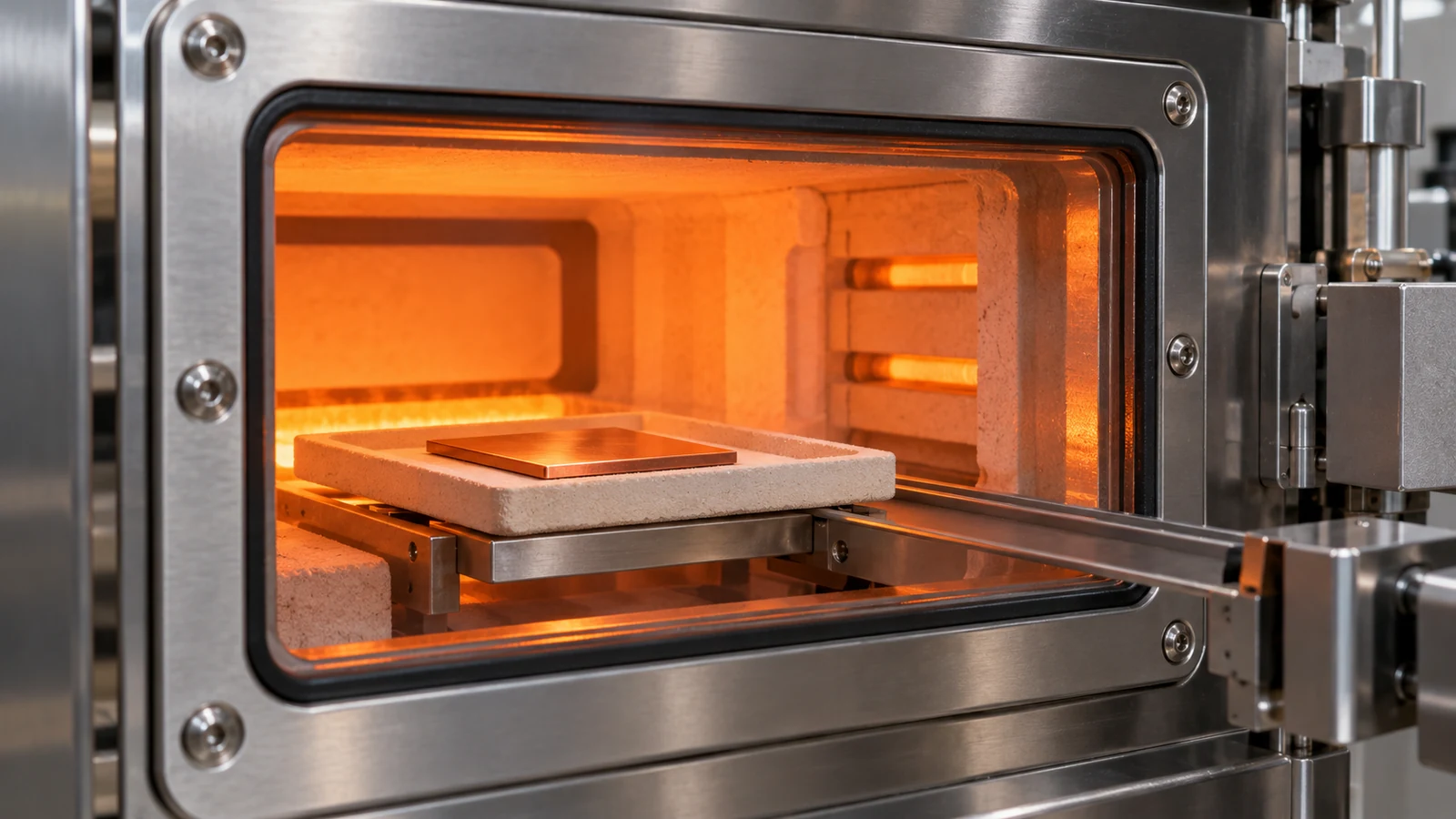
Ask what the copper component experiences after it leaves the machine. A bus bar used in ordinary service, a component exposed to a reducing atmosphere at temperature, and a part heated during joining do not have the same material question. Environment can turn a seemingly minor chemistry distinction into a functional requirement. If the service condition is unknown, the material choice is not ready for an informal substitution.
Translate atmosphere into conditions engineering can review: gas composition, temperature range, exposure duration, and whether heating occurs before or after final machining. Identify electrical, thermal, or mechanical requirements and the method used to verify them. Avoid assuming that a familiar application description automatically identifies the correct copper grade.
For a component whose performance depends on conductivity, confirm the applicable standard, product form, condition where relevant, and acceptance method. A supplier’s generic copper description is not enough if the drawing or customer specification calls for a specific UNS grade. The site’s C11000 copper page und C10100 copper page distinguish the material references, while the governing specification remains authoritative.
What separates C110 from C101
C11000 is commonly known as electrolytic tough-pitch copper, while C10100 is commonly described as oxygen-free electronic copper. The oxygen-related distinction is why C10100 is often considered when exposure to certain reducing conditions is a concern. That does not mean every heated component requires C10100, nor that every C11000 part will fail in a particular atmosphere. Suitability depends on the full material specification and service conditions.
Keep three questions separate: what grade is ordered, what property the design depends on, and what condition the finished component encounters. A grade designation helps control material identity; it does not by itself prove that a component meets a particular electrical, thermal, or environmental performance requirement. If the project relies on a numeric limit, define the relevant test or acceptance basis rather than relying on grade shorthand alone.
Distinguish base material from later operations. Brazing, soldering, joining, coating, cleaning, and thermal exposure can create conditions not represented by the raw-stock certificate. If a component is heated during assembly or service, ask the process owner whether the selected grade is permitted and whether the thermal route changes inspection or handling requirements.
What machining can and cannot decide
Machining behavior should be evaluated, but it is not a substitute for materials engineering. Copper can be ductile and may form persistent burrs or smeared edges depending on geometry, tool condition, and cutting strategy. A machinist can identify practical issues such as workholding, chip evacuation, edge cleanup, and protection of contact surfaces. Those observations can improve the part, but they do not establish whether C11000 or C10100 satisfies the service atmosphere.
For a machined electrical component, describe which surfaces are contact-critical, which dimensions control fit, and whether burrs are unacceptable at specific edges. Specify how the finished part is inspected and whether the surface will be plated or otherwise treated. If the main problem is edge quality, solve it through geometry, process planning, and acceptance criteria rather than changing copper grade without evidence.
Part geometry matters too. Thin sections, narrow slots, cross-holes, and long contact faces can create handling or distortion challenges independent of oxygen content. If the part is produced by CNC-Fräsen, align the material specification with the machining route and functional surfaces; do not let a process discussion silently rewrite the engineering requirement.
Write a grade requirement suppliers can verify
A clear purchasing note should state the UNS grade and the material specification or standard required by the project. Include product form, dimensions, required certificate or traceability, and any condition or property requirements that are actually specified. If the part is exposed to a special atmosphere, identify the condition that prompted the grade choice and point to the responsible engineering requirement. This helps a supplier quote the intended material rather than a broad commercial category.
| Frage | Warum es wichtig ist | Was zu erfassen ist |
|---|---|---|
| What is the service atmosphere? | It can make oxygen condition relevant | Composition, temperature, duration, process stage |
| What grade is approved? | Prevents generic copper substitution | UNS designation and governing specification |
| Which property controls function? | Grade name may not define finished-part acceptance | Test method, limit, and responsible approver |
| What happens after machining? | Heating or joining may change the risk picture | Assembly, finishing, and service sequence |
Do not add requirements the design does not need. Unnecessary constraints can narrow sourcing without improving performance. Conversely, do not remove an existing grade requirement because another copper appears close in a supplier listing. Any change should be evaluated against the actual service and qualification basis.
Prepare a clear procurement handoff
Before a quote is released, send the supplier the drawing revision, exact copper designation, required document package, and any service condition that is material to selection. Ask the supplier to flag stock availability issues as proposed alternatives, not to silently substitute a grade. Engineering can then compare the proposal against the operating atmosphere, heating sequence, conductivity or other functional targets, and customer approval requirements.

For repeat orders, preserve the decision record with the part revision and supplier lot documentation. That makes it easier to distinguish a sourcing change from a change to a controlled engineering characteristic. If the specification changes, update the drawing and purchasing documents together so inspection and receiving teams apply the same requirement.
Resolve uncertainty before a change
When a substitution is proposed, request the exact grade, certificate basis, and rationale. Compare it with the drawing and ask the design owner to review the atmosphere, thermal operations, and property requirements. If uncertainty remains, record it as an open engineering decision. A short machining trial can address cutting or assembly behavior, but it cannot validate long-term material suitability in an untested environment.
Keep the review practical: identify the failure mode the requirement is intended to prevent, the condition that could trigger it, and the evidence needed to accept an alternative. This avoids both extremes—specifying oxygen-free copper without a reason and replacing it where the atmosphere makes the distinction important.
FAQ
Is C101 always better than C110?
No. C10100 is commonly selected for oxygen-free requirements, but the right grade depends on specified properties, service conditions, and qualification. C11000 may be appropriate when the application and governing requirements allow it.
Does machining performance decide between C110 and C101?
Machining can affect cost, burr formation, and surface quality, but it cannot establish suitability for a service atmosphere or replace an engineering material requirement.
Why does a reducing atmosphere matter?
Some copper grades are differentiated by oxygen condition, which can matter under certain reducing and elevated-temperature exposures. Evaluate the specific risk for the actual environment and process.
Can a supplier choose whichever copper is available?
Not when the drawing or purchase specification names a grade. Any substitution should follow the project’s approval and change-control process.