Our Manufacturing Blog

In-depth technical articles, material comparisons, CNC machining insights, and problem-solving guides from the Jucheng engineering team.

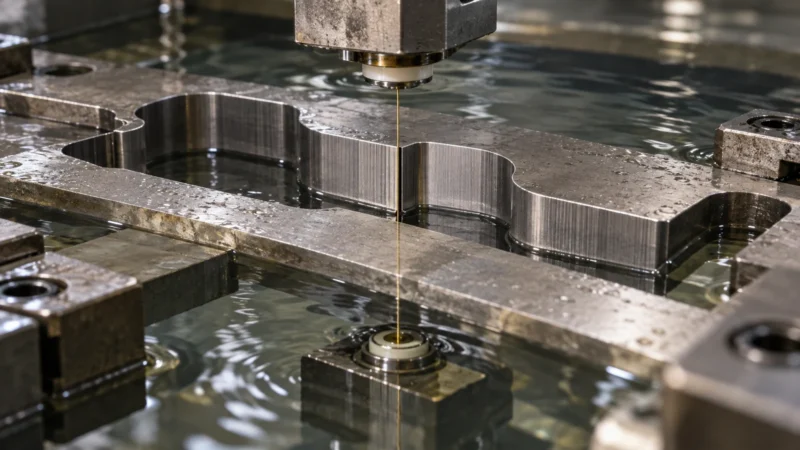
Why Thin Wire EDM Sections Move After the Cut

Why Thin Wire EDM Sections Move After the Cut

A thin section can move during Wire EDM even though the wire never presses against it like a milling cutter. The cut changes how the remaining material is connected, releases…

Read Full Article
Should a CNC Lathe Run a Spring Pass—or Fix the Cut?

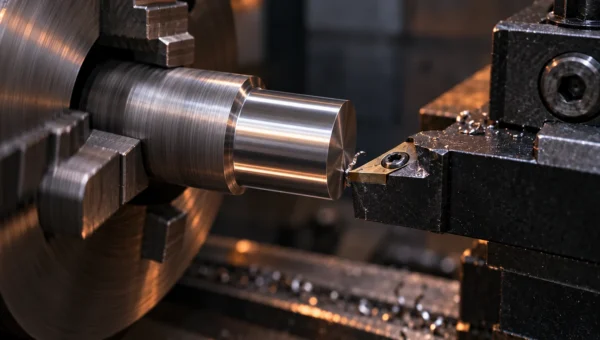
Should a CNC Lathe Run a Spring Pass—or Fix the Cut?

A spring pass repeats a finishing toolpath with no additional programmed depth of cut. It can help when the first…

When Does CNC Plunge Milling Make Sense for a Deep Pocket?

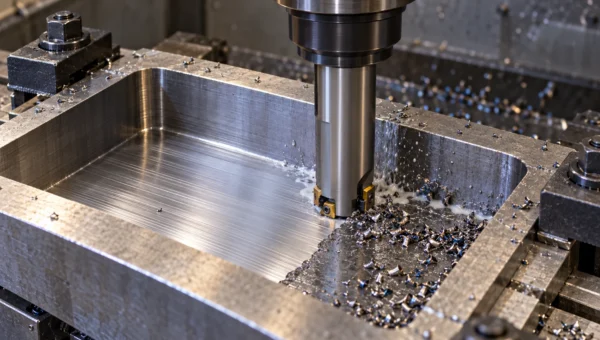
When Does CNC Plunge Milling Make Sense for a Deep Pocket?

Plunge milling is worth considering when a deep pocket, long tool overhang, or limited setup rigidity makes radial side cutting…

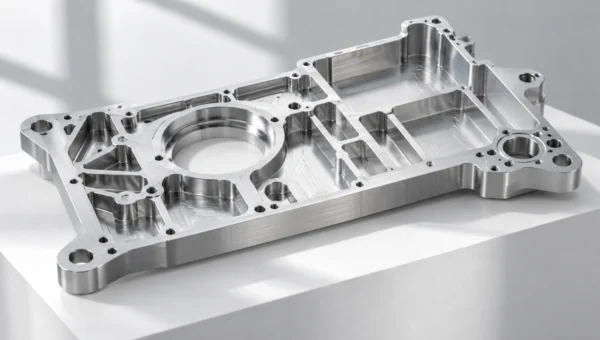
6061-T6 or T651: Will the Temper Change How Your Part Machines?

6061-T6 or T651: Will the Temper Change How Your Part Machines?

When a 6061 part bows after a large pocket is machined, the alloy name alone does not explain what happened.…

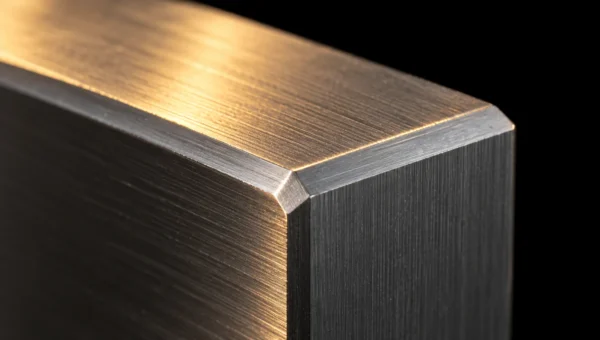
“Break All Sharp Edges” Is Not a Complete CNC Drawing Note

“Break All Sharp Edges” Is Not a Complete CNC Drawing Note

“Break all sharp edges” sounds precise until a supplier has to decide how much material to remove from a bearing…

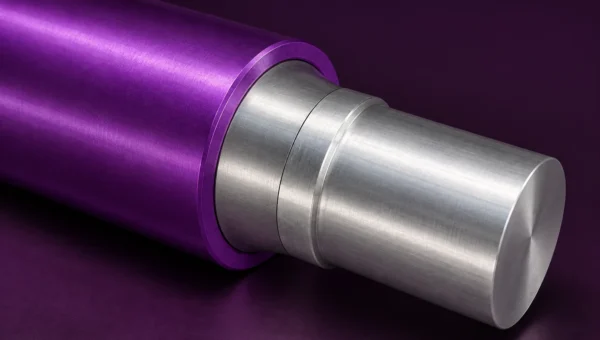
Anodizing Can Change the Fit—Which Dimensions Need Allowance?

Anodizing Can Change the Fit—Which Dimensions Need Allowance?

An anodized part can pass machining inspection and still fail assembly after finishing. The risk is concentrated at fits: bores,…

MTR, MTC, or CoC: What Does the Buyer Actually Need?

MTR, MTC, or CoC: What Does the Buyer Actually Need?

A material document is useful only when it lets the receiving team answer two questions: what material was supplied, and…

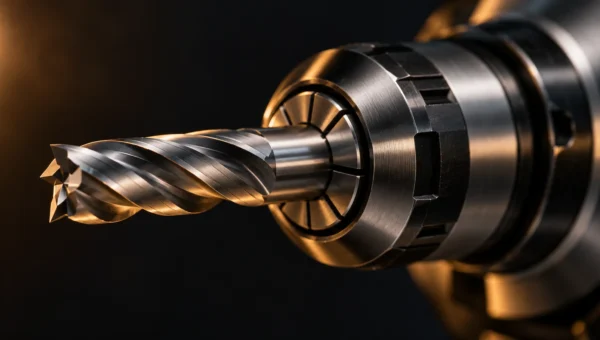
Why Can a CNC Cutter Cut Unevenly When It Looks True?

Why Can a CNC Cutter Cut Unevenly When It Looks True?

A cutter can look centered and still remove material unevenly. The cause may be runout at the cutting edge, but…

When Does a CNC Material Substitution Need Approval?

When Does a CNC Material Substitution Need Approval?

A CNC material substitution needs approval whenever the replacement could change a drawing requirement, part function, verification method, or customer-controlled…

Swiss Machining Bar Stock: What Must Stay Straight, Round, and Consistent?

Swiss Machining Bar Stock: What Must Stay Straight, Round, and Consistent?

Swiss machining depends on a controlled relationship between the bar, collet, guide bushing, and cutting zone. Bar stock is not…