
Swiss machining depends on a controlled relationship between the bar, collet, guide bushing, and cutting zone. Bar stock is not merely a raw-material choice: its diameter consistency, straightness, surface condition, alloy condition, and lot traceability affect how reliably it feeds and how the part behaves during cutting. A nominal diameter alone does not tell a buyer whether a bar is suitable. The machine shop must match the actual stock and its condition to the guide system, part geometry, and feature requirements.
That is why a drawing or RFQ should specify the material grade and condition while leaving machine-specific feeder and bushing details to the process plan unless they affect the part requirement. The practical question is whether the supplied bar can be supported and advanced predictably through the intended production route.
Follow the bar through the machine
In a Swiss-type turning arrangement, the bar is held by a collet and supported close to the cutting zone by a guide bushing. The stock advances as operations are performed, allowing tools to work near the support point. A sub-spindle may take over the part for back-working, depending on machine configuration and part design. This setup is particularly useful for slender turned parts, but it also means the incoming bar interacts with the feeding and support system throughout the cycle.
Stock that varies in diameter can change the clearance at the guide bushing. A bar that is bowed or has inconsistent surface condition may feed less smoothly or alter cutting behavior. Those symptoms are not automatically proof of bad material; setup, collet condition, guide-bushing adjustment, alignment, and tool condition also matter. The investigation should separate stock variation from machine setup rather than attributing every surface mark to one cause.
Swiss machining remains a form of CNC turning, but its bar-supported arrangement makes feedstock geometry especially relevant. The overall route should be evaluated with the part’s length-to-diameter relationship, cross-holes, threads, shoulders, and any back-worked features in view.
Four stock variables change the cut
| Stock characteristic | Why it matters in Swiss machining | What to verify |
|---|---|---|
| Diameter range | Influences collet grip and guide-bushing fit | Specified size, actual lot condition, and product form |
| Straightness | Affects how smoothly long stock advances and is supported | Supplier limits and suitability for the planned bar path |
| Surface and finish | Can influence sliding contact and the condition of supported stock | Scratches, scale, seams, corrosion, or other surface requirements |
| Grade and condition | Changes machinability, strength, and documentation needs | Exact alloy designation, temper/condition, and traceability records |
The dimensions of the bar should be treated as a controlled input, not assumed from a catalog description. If a part is specified in a particular temper, substituting a different condition may change both mechanical properties and cutting behavior. Likewise, a supplier’s nominal size does not replace the tolerance or product specification that the customer’s drawing requires.
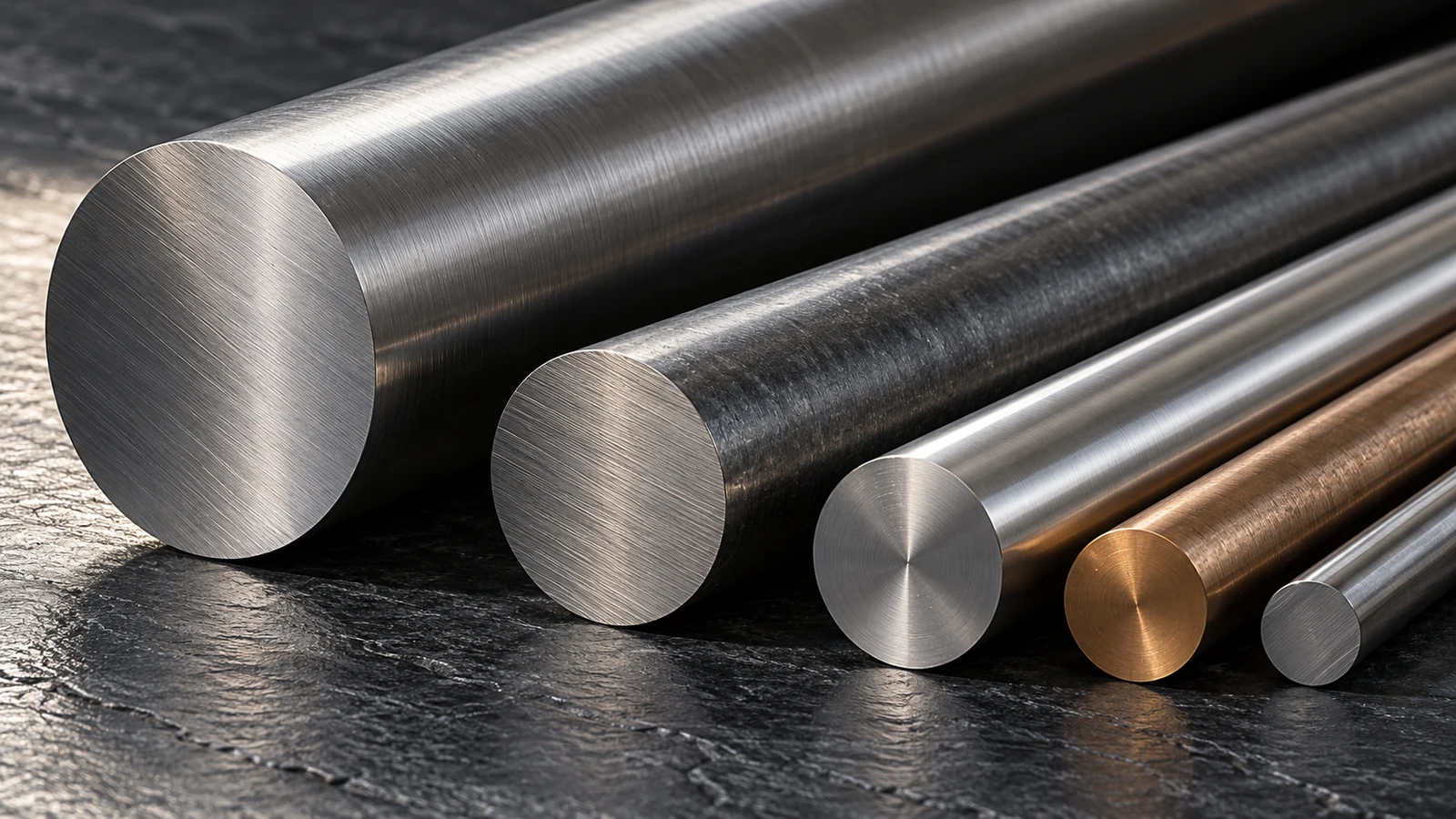
Surface defects deserve a functional assessment. A cosmetic mark on material that will be fully removed may not affect the finished part; a seam or defect that intersects a finished sealing or bearing surface may be unacceptable. Define the concern by the finished feature and the material acceptance requirement, not by a vague instruction to supply “perfect” bar.
Match stock control to part risk
Not every turned component needs the same purchasing control. A short, robust spacer with generous tolerances may tolerate a broader stock window than a slender pin whose straightness, surface, or concentric relationship is function-critical. A bar-fed production run may also make stock consistency economically important because interruptions, setup adjustments, or unstable cutting behavior can multiply across the lot.
- For a slender component, review support length, parting strategy, and the features cut while the work remains supported.
- For a threaded part, identify the thread system, functional engagement, and whether thread quality is checked before or after parting.
- For a cosmetic or sealing surface, define the acceptable surface condition and any material defects that could remain after machining.
- For a traceability-controlled order, state how heat/lot identity must follow the material and finished batch.
Stock selection is part of the CNC machining process planning rather than an isolated purchasing step. The starting form and alloy family can be reviewed through the site’s CNC turning materials information; the exact grade and condition still need to match the approved drawing and purchase order.
What to put in the RFQ
Give the supplier enough information to evaluate the stock without dictating an unneeded machine setup. Include the part drawing and revision, material designation, temper or condition where applicable, order quantity and expected repeat volume, critical dimensions, finish requirements, and any material certification or lot-traceability requirements. If the component must be made from a specific bar form or source, state that explicitly.
For features that depend on the bar axis, clarify the datum scheme and the relationship that must be maintained after cutoff or back-working. A drawing may control a diameter and length separately while leaving the functional relationship between them implicit. That can cause the supplier and buyer to inspect different things even when each dimension appears acceptable on its own.
Before release, agree whether stock substitution is permitted. A same-alloy alternate form, condition, or supplier may not be equivalent if the drawing or customer specification controls it. Any substitution affecting a material requirement should be reviewed and approved through the customer’s change process before production.
Verify the lot before the run
Incoming verification can be proportionate to the job. Confirm identity against the purchase order, review certificates when required, inspect packaging and visible surface condition, and check stock size using an agreed method. If a run is sensitive to straightness or surface condition, define a suitable sampling or acceptance approach before the material arrives rather than reacting after the machine is loaded.
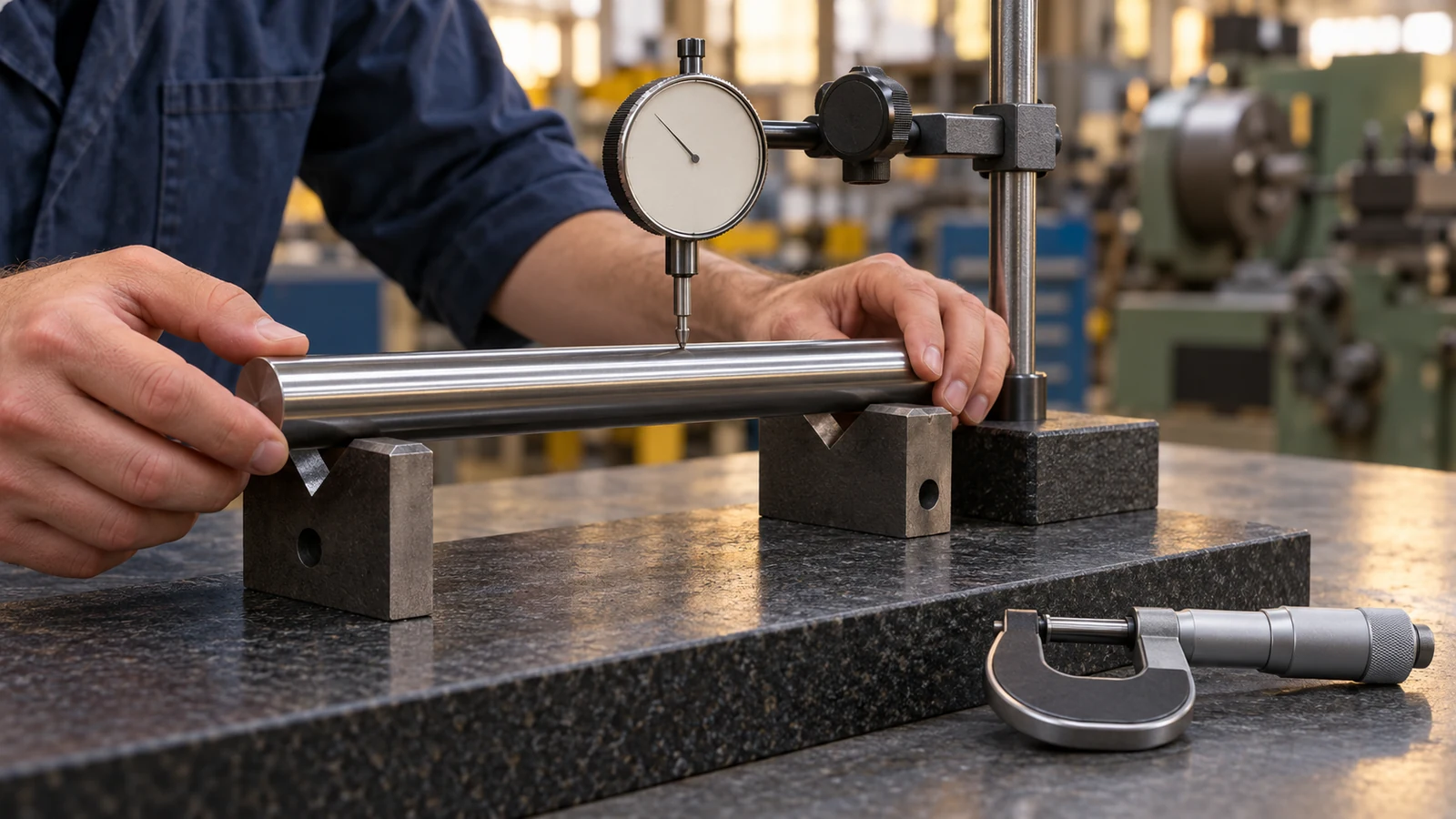
During the first setup, watch the feed path and part behavior. If the bar binds, vibrates, or produces inconsistent results, record the observed condition and check the stock, collet, guide bushing, alignment, and tooling as separate variables. Changing several settings at once makes the root cause harder to identify. A controlled trial on representative stock is more useful than an unsupported universal claim about what Swiss machining can hold.
The best bar specification is therefore the least restrictive one that still protects the finished part’s function, process stability, and required traceability. Over-specifying stock can add cost without improving the component; under-specifying it can move the risk into setup time, scrap, or inspection disputes.
FAQ
Does Swiss machining require centerless-ground bar stock?
Not automatically. Suitability depends on the machine’s feeding and support arrangement, the stock specification, and part requirements. The supplier should confirm the required stock form and condition.
Should the buyer specify the guide-bushing clearance?
Usually that is a process setup decision. Specify the finished-part requirements and stock acceptance criteria; call out machine-side details only when they are contractually required.
Can the shop substitute another bar condition?
Only when the governing drawing, purchase specification, and customer approval process permit it. A similar alloy name does not establish equivalence.