
When a 6061 part bows after a large pocket is machined, the alloy name alone does not explain what happened. The stock condition, product form, material removal pattern, support during cutting, and feature sequence all influence movement. T6 and T651 are related tempers, but choosing between them is not a promise that one will stay perfectly flat; it is a decision about the starting material condition and the part’s risk profile.
What T6 and T651 identify
Both designations refer to heat-treated 6061 aluminum conditions. T6 identifies a solution-heat-treated and artificially aged condition. T651 generally adds stress relief by stretching after heat treatment and aging for applicable wrought products. The exact definition and availability should be checked against the supplier’s product form and material specification; the suffix is not a substitute for confirming the stock type, thickness, and certification.
For procurement, distinguish alloy from temper and temper from form. “6061” identifies the alloy family; “T6” or “T651” describes a condition; plate, bar, or extrusion describes the product form from which the part will be cut. The site’s 6061-T6 and T651 material page is the relevant grade reference, while the broader aluminum materials overview supports comparison with other aluminum options.
Why stress relief matters during machining
Wrought stock can contain residual stress from its production history. When machining removes material unevenly, the remaining section may redistribute that stress and move. A stress-relieved condition can reduce one contributor to distortion in suitable applications, particularly where substantial or asymmetric material removal is planned. It cannot remove every source of movement: clamping force, heat, tool load, thin walls, and an unbalanced machining sequence also matter.
This is why a T651 designation should be treated as a risk-control input, not a flatness guarantee. A thick plate with a deep one-sided pocket may still need staged roughing, stress-relief breaks where appropriate, a semi-finish rest, and controlled finishing. A compact feature with balanced removal may not justify selecting stock solely on the temper suffix. Part geometry and the required final condition decide how much the difference matters.
Choose by stock form and part geometry
| Design or sourcing condition | What to evaluate | Practical next step |
|---|---|---|
| Large plate part with deep pockets or thin floors | Amount and symmetry of stock removal; flatness after machining | Discuss suitable stress-relieved plate and a staged removal plan |
| Bar or extrusion-based component | Available product form, section, straightness, and specified condition | Confirm the supplier’s exact designation and traceability before release |
| Critical mating geometry | Functional tolerance, datum strategy, and inspection state | Specify the finished requirement and verify after the final operation |
| Prototype or low-removal part | Material availability, cost, lead-time constraints, and actual distortion risk | Compare options against the drawing rather than assuming T651 is always necessary |
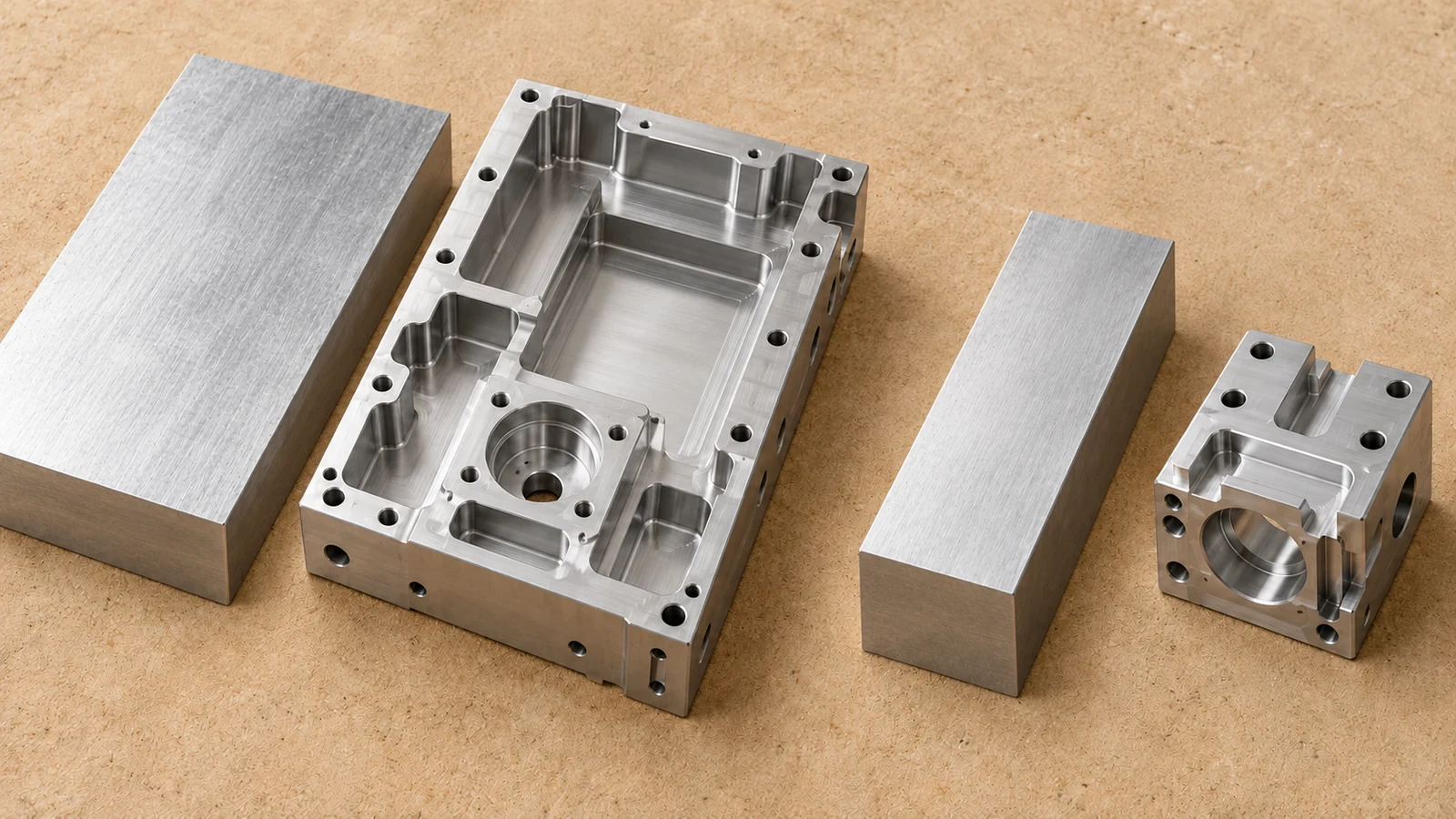
The table is a screening aid. Final selection must match the drawing, stock specification, and purchase requirement. If a buyer is considering a different grade—not just a temper—use a controlled material-substitution review so approval and records remain aligned.
Manage movement through the process
Material choice works best alongside process planning. Keep enough stock for cleanup, avoid removing all material from one side before balancing the opposite side when the geometry allows, and review how the fixture supports thin or asymmetric features. Where a part is sensitive, compare its condition after roughing with the final inspection state instead of assuming the first setup predicts the last.
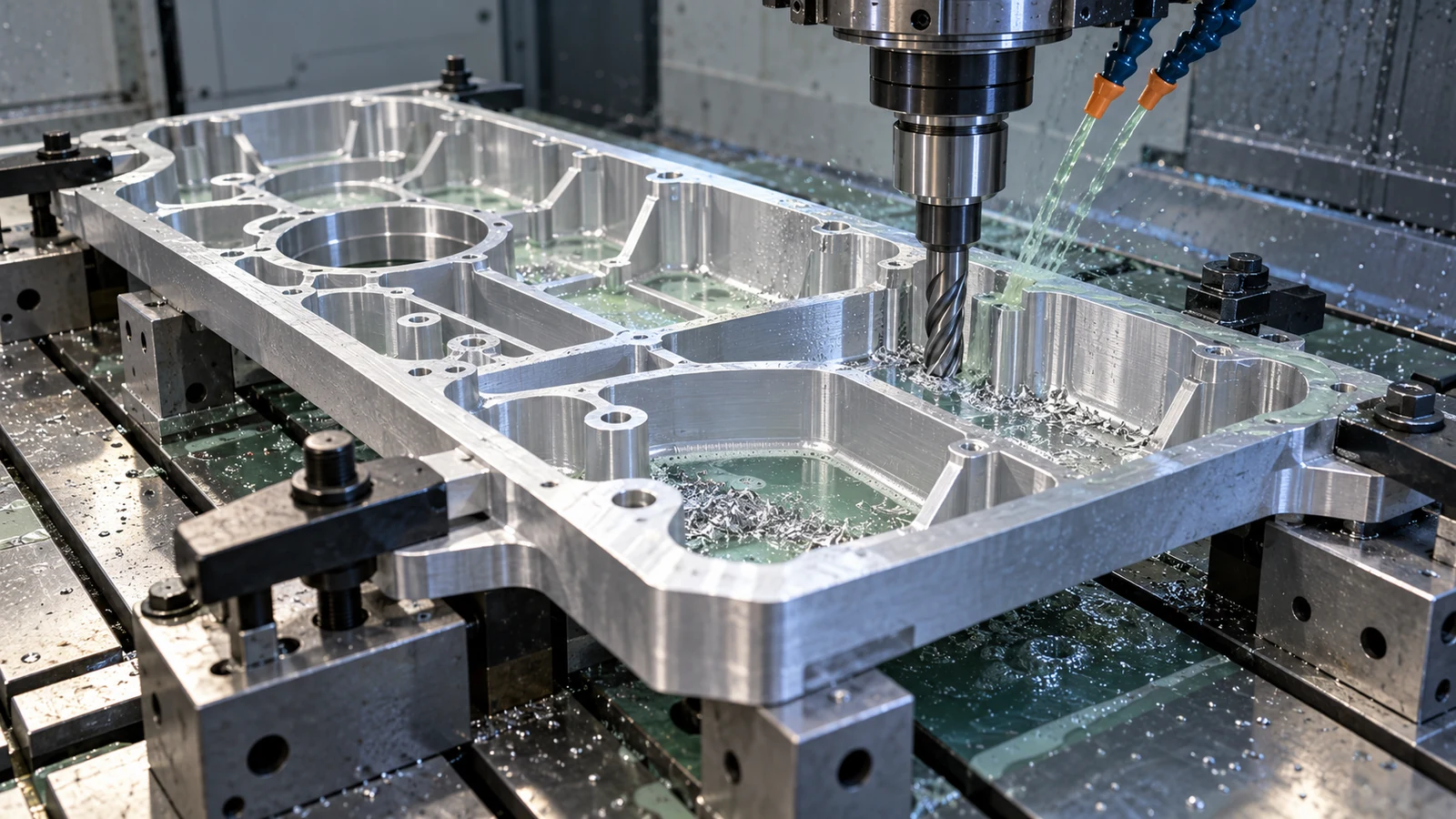
Agree on the inspection method for flatness, position, and other critical dimensions, including when the part is unclamped and how it is supported. The CNC milling capability page describes the relevant manufacturing route at a service level; the specific material and process plan must still be evaluated against the part drawing.
Questions about 6061 temper selection
Is T651 always better than T6 for CNC machining?
No. T651 may be useful for applicable stock forms and distortion-sensitive removal, but availability, part geometry, cost, and drawing requirements should guide the choice.
Does T651 prevent a plate from moving?
No. Stress relief addresses one contributor to movement. Uneven removal, heat, clamping, and thin sections can still affect the result.
Can a drawing call out only 6061?
It can, but if temper or product form affects strength, machining behavior, or acceptance, the drawing or purchase specification should identify the required condition clearly.