
Short answer: plan 13-8 PH stainless steel machining from the supplied condition and the required final aging condition. Alloy 13-8 PH can be machined in more than one condition, but machinability and cutting behavior change with strength and hardness. A useful drawing does not merely name 13-8 PH; it states the governing material specification, starting condition, final condition, treatment responsibility, and which dimensions are finished before or after aging.
The process question is not simply whether to machine before heat treatment. It is how much stock to leave, which datums survive the sequence, and how the final inspection accounts for movement after the specified thermal cycle.
Condition A and aged stock are different jobs
13-8 PH is a martensitic precipitation-hardening stainless steel. Its strength is developed through a specified thermal route, and the supplied condition determines the hardness and cutting response encountered at the machine. Some supplier guidance identifies H1150M as a more machinable condition for certain operations, but that is not a universal instruction to change the customer’s required condition. The drawing and material specification govern.
For 13-8 PH stainless steel machining, confirm the product certificate, condition, hardness if specified, and whether the blank has already been solution treated or aged. Do not treat 13-8 PH as a drop-in machining equivalent to 17-4 PH; the grades, properties, and permitted treatment routes are not interchangeable. The site’s stainless steel materials overview is a general parent reference, not a substitute for the grade-specific paperwork.
Put the aging step where the drawing requires it
When the approved route permits machining before aging, roughing the major geometry in the specified softer starting condition can reduce the amount of material removed in the aged state. Leave finish allowance on critical bores, faces, or locating features if the process plan expects them to be finished later. Then identify which datums remain usable after treatment; if the original datum is removed or distorted, the drawing needs a reliable transfer scheme.
When the supplied stock is already aged, the process must be planned for that condition. Avoid using a generic speed table as an acceptance promise. Tool selection, rigidity, chip load, coolant delivery, engagement, and tool wear all matter; adjust from the material certificate and tool maker’s data. Do not re-age or soften customer material without written authorization.
A useful sequence review asks four questions: what condition is incoming, what condition is required at shipment, which features are functionally critical, and who controls each treatment step. The heat-treatment process page can support that conversation, while the purchase order must name the actual specification and responsible processor.
Reserve finish stock for functional interfaces
High-strength parts often combine a mounting face, bolt pattern, bore, and edge radii. If aging occurs between roughing and finishing, decide whether the bore-to-face relationship can be recreated from stable datums after the part returns. A finish cut should remove enough stock to clean up the surface without forcing a thin wall or a distorted blank flat against the fixture.
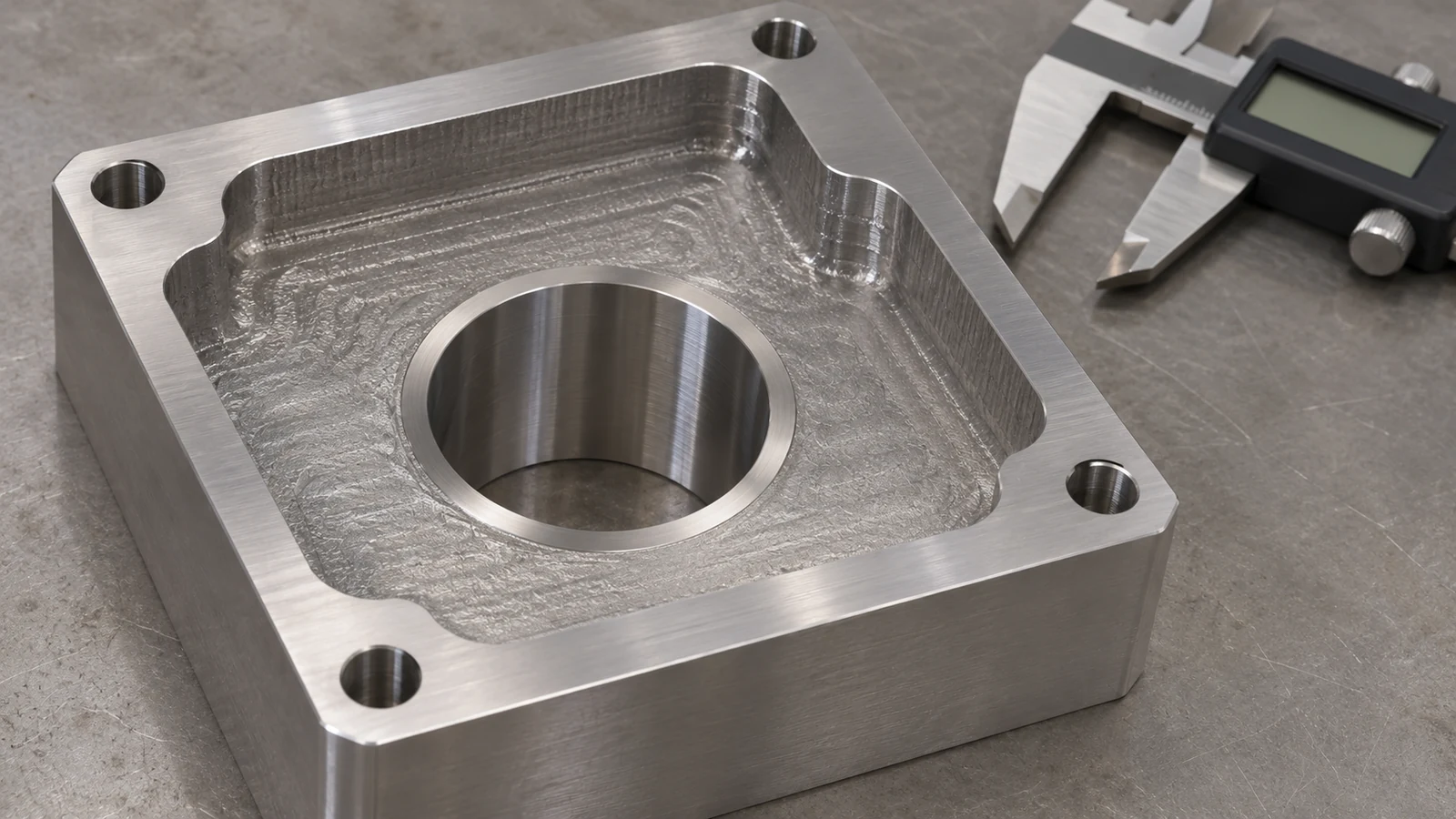
For intersecting holes or pockets, specify burr limits and edge breaks at the interfaces where assembly or flow depends on them. Avoid assuming that a deburr operation may remove material from a sealing land or a locating shoulder. The part drawing should distinguish those surfaces from noncritical edges.
Measure after the final condition is established
Inspect the features that control assembly after the last required thermal step and any finish machining. Record the datum scheme, support condition, and inspection equipment used. A pre-aging inspection can verify stock removal and hole location at that stage, but it does not establish final acceptance when the drawing requires dimensions in the aged condition.
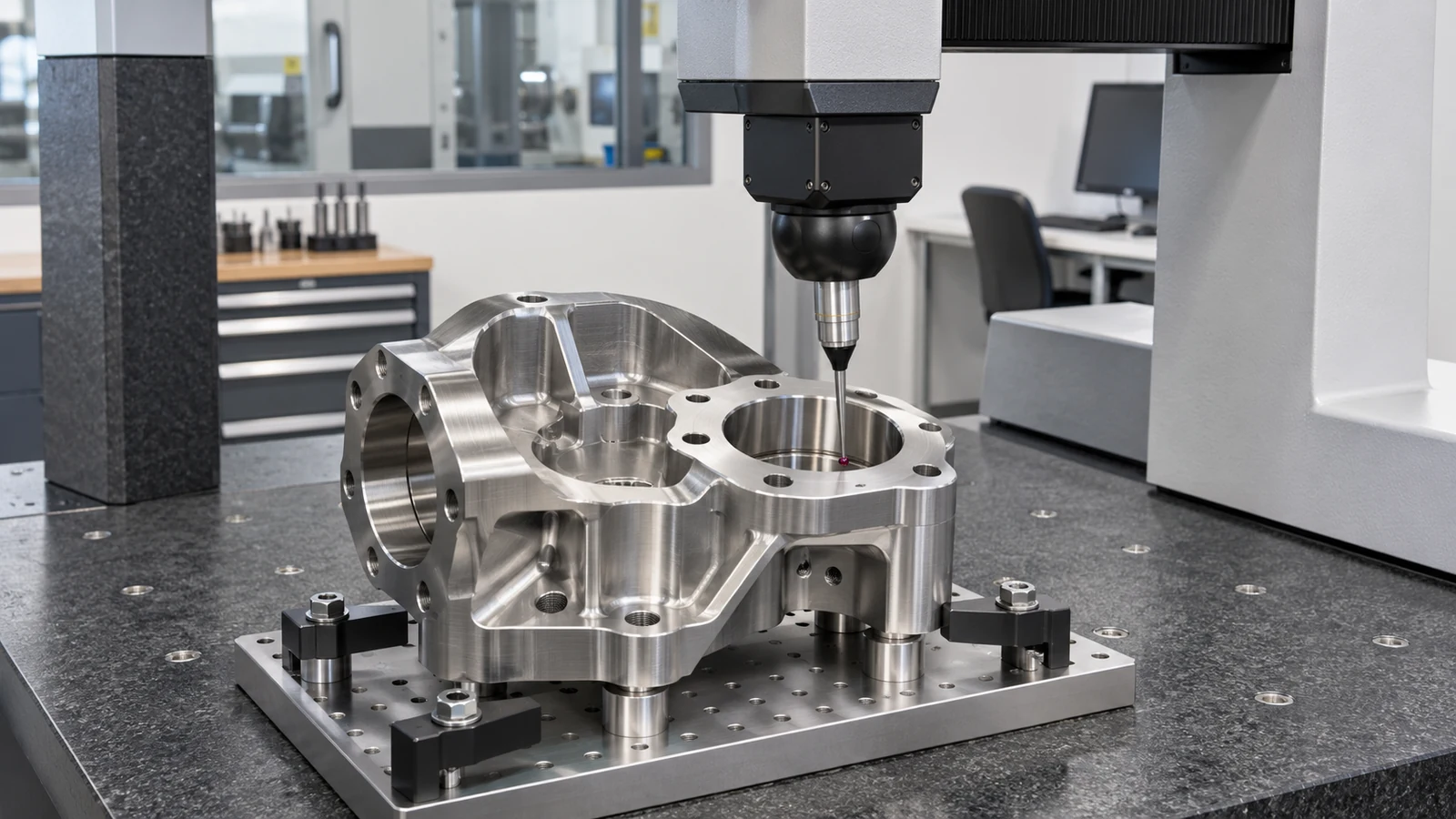
If the part changes after the thermal cycle, review the sequence and fixture restraint before modifying nominal geometry. Verify whether the stock form, section thickness, treatment specification, and cooling practice match the approved route. An undocumented process change makes later dimensional results hard to compare.
Make the heat-treatment handoff explicit
On the drawing or purchase order, name the material specification and product form, incoming and final conditions, authorized aging route, and the party responsible for processing. Mark critical dimensions as pre- or post-treatment requirements, identify the datum reference after aging, and define the final inspection record required. If an outside processor is involved, clarify traceability and documentation before releasing the order.
That is the practical core of 13-8 PH stainless steel machining: coordinate cutting with the specified material state instead of assuming one operation sequence works for every part. Clear condition and inspection notes help engineering, purchasing, and the machine shop work from the same definition.