درجات الألمنيوم المتوفرة
| الدرجة |
الاسم الشائع |
الخصائص الرئيسية |
التطبيقات النموذجية |
| Al 6061 |
ألمنيوم إنشائي |
السبيكة الأكثر تنوعًا. قوة جيدة، وقابلية للحام، ومقاومة عالية للتآكل. تقبل الأنودة بشكل جيد. |
هياكل الشاحنات، وهياكل الآلات، وحاويات الإلكترونيات، والتصنيع الآلي العام. |
| Al 7075 |
ألمنيوم الطائرات |
سبيكة عالية القوة (الزنك هو العنصر السبائكي الأساسي). مقاومة ممتازة للإجهاد الدوري لكن لحامها أصعب. |
تروس الطيران، والأعمدة، وأجنحة الطائرات، ومعدات تسلق الصخور، وهياكل الدراجات. |
| Al 5052 |
ألمنيوم بحري |
مقاومة فائقة للتآكل الناتج عن مياه البحر. قابلية تشكيل ممتازة لأعمال الصفائح المعدنية. غير قابل للمعالجة الحرارية. |
العُدد البحرية، وخزانات الوقود، وحاويات الصفائح المعدنية، ولافتات الشوارع. |
| Al 2024 |
سبيكة الطائرات |
قوة عالية ومقاومة للتعب. مقاومة تآكل أقل (غالبًا ما تتطلب تغليفًا أو طلاءً). |
جلود جسم الطائرة، عناصر الشد، الوصلات الدقيقة. |
| Al 6063 |
ألومنيوم معماري |
معروف بلمسة سطحية ممتازة وقابلية بثق عالية. قوة أقل قليلاً من 6061. |
إطارات النوافذ، الزخارف المعمارية، الأنابيب، المواسير، المشتتات الحرارية. |
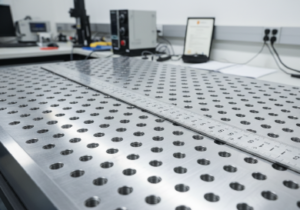
| Al MIC-6 |
لوح أدوات مصبوب |
لوح مصبوب معالج بالإجهاد. مستقر ومسطح للغاية؛ لا يتشوه أثناء التشغيل الثقيل. |
ملزقات، تثبيتات، ألواح قاعدية، طاولات تفريغ، إلكترونيات دقيقة. |
قدرات جوتشنغ في تشغيل الألومنيوم
| القدرة |
الوصف الفني |
ميزة Jucheng |
| تفريز متزامن بخمسة محاور |
استخدام مراكز Haas وMazak المتقدمة بخمسة محاور لتشغيل الأشكال المعقدة، والدفاعات، والملامح خارج المحور في إعداد واحد. |
يلغي أخطاء التراكم الناتجة عن إعادة التثبيت؛ ويحقق تفوقًا في أبعاد وتسامحات هندسية (GD&T). |
| High-Speed Machining (HSM) |
High RPM spindles (up to 20k RPM) combined with optimized tool paths (trochoidal milling) for rapid material removal rates (MRR). |
Significantly reduces cycle times for large aluminum structural parts, lowering unit costs. |
| Thin-Wall Fabrication |
Specialized strategies to machine walls as thin as 0.5mm, managing vibration and material stress relief to prevent warping. |
Critical for lightweight aerospace and drone components where weight reduction is paramount. |
| Turn-Mill Operations |
Combined lathe and mill functions to produce cylindrical parts with side features like slots, cross-holes, and flats. |
Ensures perfect concentricity and alignment for optical housings and tactical flashlight bodies. |
| Integrated Surface Finishing |
In-house capabilities for bead blasting, cosmetic anodizing (Clear/Black/Gold/Blue/Red), and hard coat anodizing. |
One-stop service ensures faster lead times and strict control over final part aesthetics and durability. |
Fabrication Guidelines for Aluminum
اختيار الأدوات:
We primarily use solid carbide end mills with high-helix angles (45°) and polished flutes (2 or 3 flutes). This design is crucial for aluminum as it prevents “chip packing” and Built-Up Edge (BUE), ensuring a mirror-like surface finish.
استراتيجية التبريد:
Aluminum has a high thermal expansion coefficient. We employ high-pressure flood coolant or Through-Spindle Coolant (TSC) systems to evacuate chips instantly and maintain a stable part temperature, ensuring that dimensional tolerances remain consistent throughout the run.
Workholding & Fixturing:
Since aluminum is softer than steel, it is susceptible to deformation under high clamping forces. Jucheng engineers utilize vacuum tables for flat plates and custom-machined soft jaws for complex shapes to distribute holding pressure evenly without marring the surface.
Thread Reinforcement:
Aluminum threads can strip after repeated use. For applications requiring frequent assembly, we recommend and install stainless steel Helicoil inserts or STI (Screw Thread Insert) threads to significantly extend the lifespan of the threaded holes.
الصناعات التطبيقية الرئيسية
الفضاء والطيران
الأجزاء الرئيسية: Wing ribs, bulkhead frames, drone fuselages.
Why Aluminum: The 7075-T6 alloy offers strength comparable to some steels but at a fraction of the weight, critical for fuel efficiency and payload capacity.
Automotive & EV (IATF 16949 Certified)
الأجزاء الرئيسية: Battery trays, heat sinks, suspension knuckles, motor housings.
Why Aluminum: Excellent thermal conductivity allows for efficient heat dissipation in electronics and batteries, while lightweighting improves vehicle range.
Medical Devices (ISO 13485 Certified)
الأجزاء الرئيسية: MRI components, prosthetics, surgical robot arms, diagnostic equipment chassis.
Why Aluminum: It is non-magnetic (essential for MRI), easy to sterilize, and cost-effective for large structural housings compared to titanium.
الإلكترونيات الاستهلاكية
الأجزاء الرئيسية: High-end camera bodies, audio equipment front panels, laptop enclosures.
Why Aluminum: It accepts cosmetic anodizing extremely well, providing a premium, scratch-resistant surface with a variety of color options.