
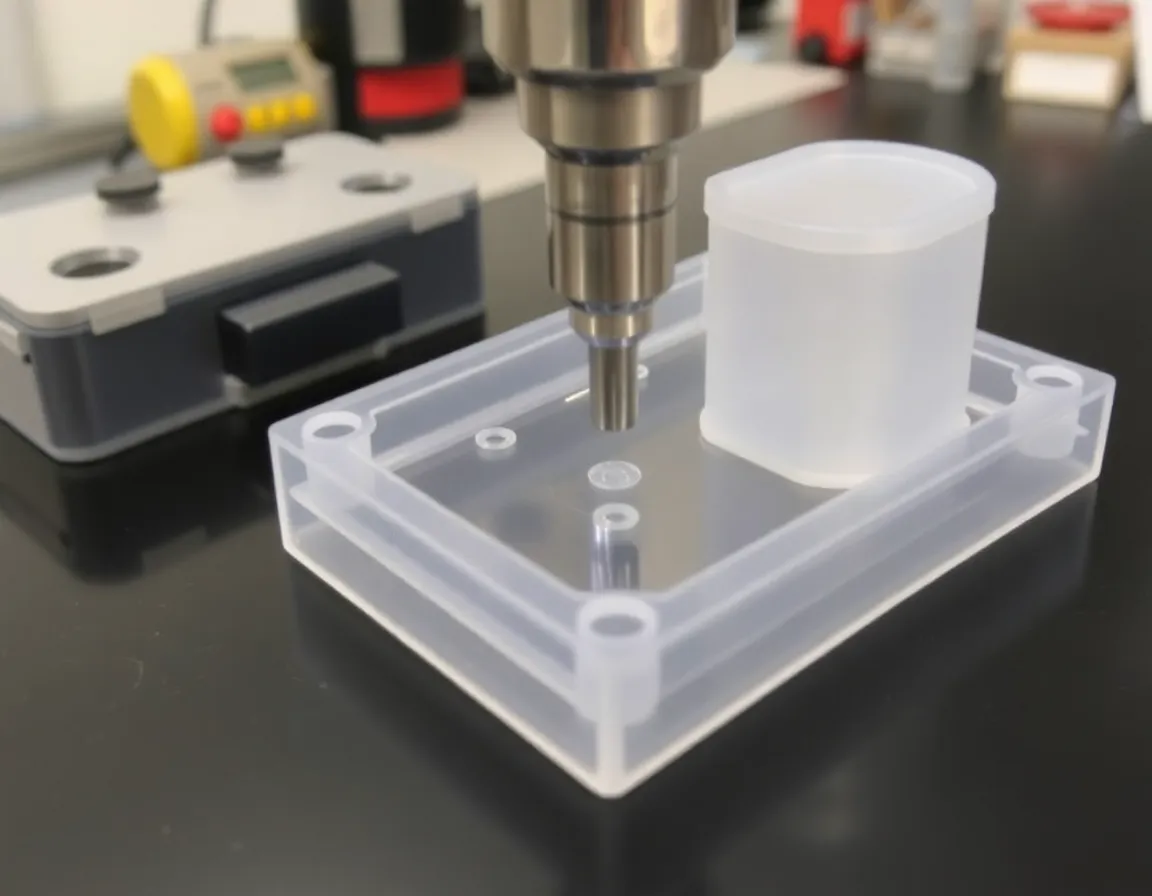
Introduction: The Unseen Workhorse of Modern Manufacturing
In an era dominated by the buzz surrounding additive manufacturing, the quiet, steadfast power of custom plastic machining often goes unnoticed. While 3D printing excels at rapid prototyping and complex geometries, there exists a vast world of production and precision where machining reigns supreme. Custom plastic machining—the process of shaping plastic stock material into finished parts using subtractive techniques like CNC milling, turning, and drilling—is the backbone of countless industries requiring unparalleled accuracy, material integrity, and surface finish. This article delves into this critical manufacturing process, exploring its mechanisms, advantages, and indispensable role in creating the high-performance plastic components that shape our world.
What is Custom Plastic Machining?
Custom plastic machining is a subtractive manufacturing process where computer-controlled machine tools precisely remove material from a solid block, rod, or sheet of plastic (known as the "workpiece") to produce a custom-designed part. Unlike additive methods that build layers, machining starts with a solid form and carves away excess. The most common method is Computer Numerical Control (CNC) machining, where pre-programmed software dictates the movement of factory tools and machinery, enabling the production of complex, high-tolerance parts with remarkable consistency.
Key Machining Processes for Plastics
Several core techniques fall under the plastic machining umbrella:
- CNC Milling: A rotating cutting tool moves along multiple axes to remove material, ideal for creating complex 3D shapes, slots, pockets, and contours.
- CNC Turning: The workpiece rotates while a stationary cutting tool shapes it, perfect for producing cylindrical parts like rollers, bushings, and prototypes.
- Drilling and Tapping: Creating precise holes and threading them for fasteners, a critical step for assembly-ready components.
- Routing and Engraving: Used for cutting sheet plastics, creating signs, panels, and adding detailed surface markings or textures.
The Distinct Advantages of Machining Over 3D Printing
While both methods have their place, custom plastic machining offers a suite of benefits that make it the superior choice for many functional and end-use applications.
Superior Material Properties and Choice
Machining uses industry-standard, fully consolidated engineering plastics. This means the raw material (e.g., PEEK, Ultem, PTFE, Acetal, Nylon) possesses its optimal mechanical, thermal, and chemical properties from the start. In contrast, 3D-printed parts, especially from filament-based processes, can have anisotropic properties and may not achieve the full strength of the base resin due to layer adhesion issues.
Exceptional Precision and Tolerances
CNC machining routinely holds tolerances within ±0.001 inches (±0.025 mm) or tighter. This level of precision is critical for parts that must fit, seal, or interface perfectly with other components in assemblies—think aerospace actuators, medical implant trial components, or precision fluidic manifolds.
Excellent Surface Finish
Machined parts can achieve remarkably smooth surface finishes directly off the machine, often eliminating the need for post-processing. For applications involving friction, sealing, or optical clarity, this is a paramount advantage. Finishes can be further enhanced through polishing or texturing processes.
Speed and Cost-Effectiveness for Low to Medium Volumes
For small to medium production runs (from one-offs to hundreds of parts), machining is often faster and more economical than 3D printing, especially for larger, solid parts. There are no supports to remove or lengthy build chamber setup times. The path from digital file to finished part can be extremely direct.
Critical Applications Across Industries
The unique benefits of custom plastic machining make it indispensable in fields where failure is not an option.
Aerospace and Defense
Lightweight, strong, and stable plastic components are essential. Machined plastics are used for non-conductive insulators, bearing pads, guide rails, and custom housings that must withstand extreme temperatures and harsh environments while meeting rigorous certification standards.
Medical and Life Sciences
Machining is trusted for surgical instruments, diagnostic device components, and prototypes for FDA-regulated parts. The ability to use USP Class VI or biocompatible plastics (like PEEK for implants) with guaranteed material properties and sterilizable surfaces is crucial.
Semiconductor and Electronics
In cleanrooms and sensitive manufacturing settings, machined plastic parts provide static control (ESD-safe), chemical resistance for wafer handling, and ultra-precise fixtures. Materials like PVDF and conductive PEEK are machined into critical components that cannot risk particulate generation.
Industrial and Automotive
From wear-resistant gears and thrust washers to prototype fluid reservoirs and sensor housings, machined plastics offer durability and precision for testing and end-use in demanding mechanical and chemical environments.
Best Practices for Designing for Plastic Machining
To leverage the full potential of custom plastic machining, designers should follow key principles.
Material Selection is Paramount
Choose the plastic based on the part's functional requirements: strength, temperature range, chemical exposure, wear, and regulatory needs. Consult with your machining partner early; their expertise is invaluable for matching material to application.
Design for Rigidity and Tool Access
Plastics are less rigid than metals. Avoid thin, unsupported walls that may deflect during machining or vibrate, causing poor finish. Ensure internal features are accessible by standard cutting tools, considering their diameter and length.
Manage Heat and Stress
Plastics are poor conductors of heat. Sharp cutting tools, proper feed rates, and effective chip evacuation are essential to prevent melting, gumming, or residual stress that can lead to part warping after machining.
Specify Tolerances Realistically
Apply tight tolerances only where absolutely necessary for function. Over-tolerancing increases machining time, cost, and inspection effort without adding value. Remember that some plastics, like nylon, can absorb moisture and dimensionally change post-machining if not properly conditioned.
The Future: Machining and Additive Manufacturing in Concert
The most forward-thinking manufacturing strategies do not see machining and 3D printing as rivals, but as complementary tools in a broader arsenal. A common workflow involves using 3D printing for rapid prototyping of complex concept models, then transitioning to CNC machining for functional testing, pre-production, and end-use parts that require specific material grades or tolerances. Furthermore, hybrid approaches are emerging where a near-net shape is 3D printed and then precision-finished via CNC machining to achieve critical dimensions and surface finishes.
Conclusion: The Indispensable Precision of Subtraction
Custom plastic machining remains an essential, sophisticated, and irreplaceable manufacturing process. It delivers a combination of material fidelity, dimensional precision, and surface quality that is often unattainable through additive means alone. For engineers and designers creating functional prototypes, low-volume production parts, or components that must perform reliably under stress, machining is not just an alternative to 3D printing—it is the definitive solution. By understanding its strengths, applications, and design principles, businesses can make informed manufacturing decisions, ensuring their plastic parts are not only custom-made but are also crafted to the highest standards of performance and reliability.