acetal machining solutions are available with stable quality control, flexible manufacturing capacity, and responsive technical support. Contact us for drawings review and quotation.

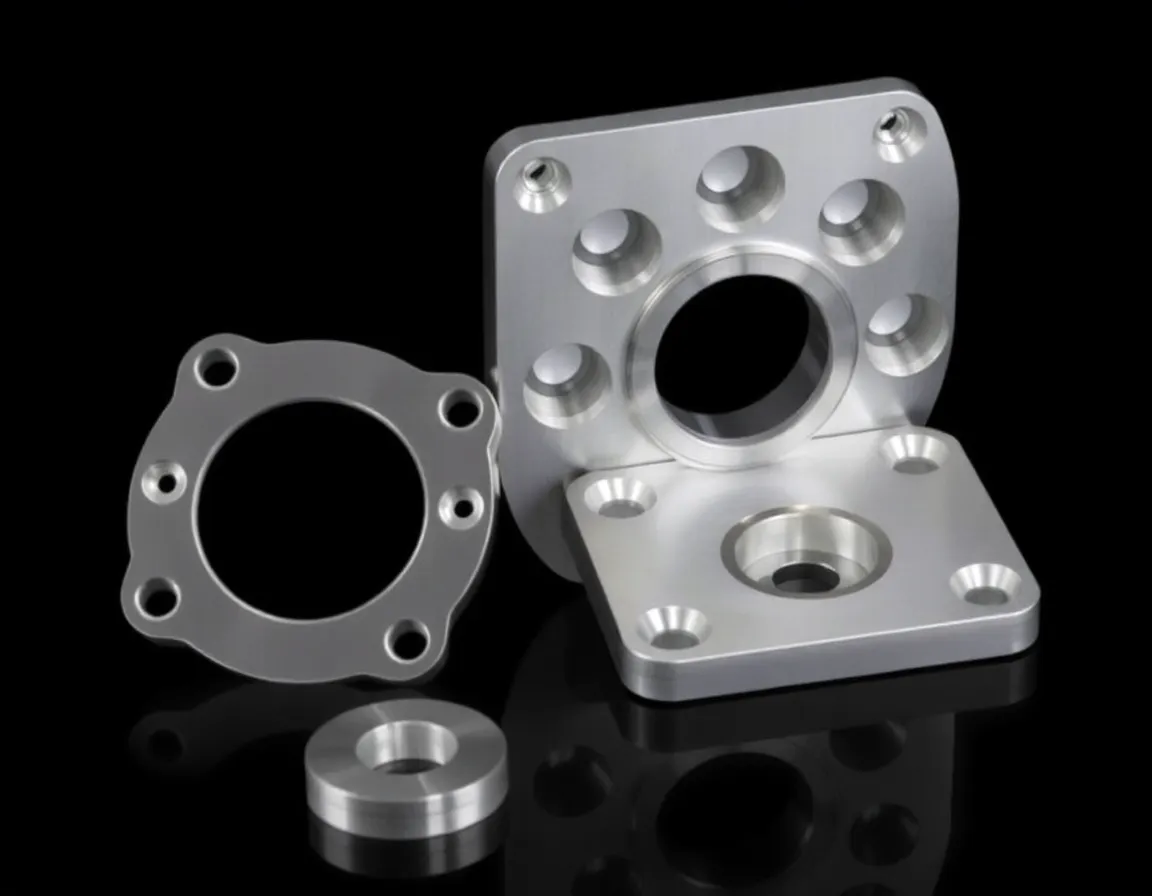
Expert acetal machining (Delrin) with stable quality control. Get custom CNC plastic parts, prototypes, and responsive technical support. Request a quote.
Parts resist warping and maintain precise tolerances after machining.
Ensures consistent part size and performance in humid environments.
Machined components last longer with minimal wear and chemical degradation.
Acetal machines easily with minimal waste, reducing production time and cost.
acetal machining solutions are available with stable quality control, flexible manufacturing capacity, and responsive technical support. Contact us for drawings review and quotation.
Acetal machining is the process of shaping parts from acetal plastic (also known as POM or Delrin®) using precision machine tools like CNC mills and lathes. Acetal is a high-performance engineering thermoplastic known for its excellent dimensional stability, low friction, high stiffness, and good chemical resistance. It is commonly machined into components that require tight tolerances and durability, such as gears, bushings, bearings, insulators, and intricate mechanical parts. Unlike injection molding, which is ideal for high-volume production, machining acetal is perfect for prototyping, custom one-off parts, and low-to-medium volume production runs where the cost of a mold is not justified.
The acetal machining process typically involves Computer Numerical Control (CNC) equipment for high precision and repeatability. The process starts with a solid block or rod of acetal plastic, which is securely clamped onto the machine. Using specialized cutting tools, the CNC machine follows a digital design (CAD/CAM file) to cut, drill, mill, or turn the material into the desired shape. Key considerations include using sharp tools, appropriate feed and speed rates, and effective chip evacuation to prevent the material from melting or gumming up. Coolants or compressed air are often used to keep the workpiece and tools cool. Post-machining, parts may undergo secondary operations like deburring, tapping, or surface finishing to meet exact specifications.
Choosing acetal machining offers several significant benefits. First, it provides exceptional design flexibility, allowing for complex geometries and tight tolerances (±0.001 inches or better) that are difficult to achieve with molding. Second, acetal's inherent material properties—like low moisture absorption, excellent wear resistance, and self-lubrication—result in parts that perform reliably in demanding mechanical applications. Third, it's ideal for low-volume production and prototyping, offering a fast turnaround without expensive tooling investments. Finally, machined acetal parts have a smooth, finished appearance right off the machine and exhibit high strength and stiffness, making them a cost-effective metal replacement in many industries, from automotive to food processing.
A primary concern in acetal machining is its tendency to generate stringy chips that can wrap around tools, potentially affecting surface finish and dimensional accuracy. This is managed by using sharp, polished cutting tools with positive rake angles and high rake faces to promote clean shearing. Another challenge is heat buildup, as excessive heat can cause acetal to soften or melt. Machinists combat this by optimizing feed rates and spindle speeds, and using compressed air or coolants (though some coolants can stress-crack acetal, so selection is critical). Dimensional stability is generally excellent, but internal stresses from the original extruded stock can cause minor warping; stress-relieving the material before machining or allowing for fine-tuning passes can mitigate this.
The pricing for custom acetal machining is project-specific and depends on several factors: the complexity of the part design, the quantity needed, the specific acetal grade (homopolymer vs. copolymer), required tolerances, and secondary finishing operations. The process for getting a quote usually involves providing a detailed drawing or 3D CAD model (STEP, IGES file) to a machine shop. From this, they will analyze the geometry, determine the machining time, material cost, and setup requirements. For prototypes or small batches, unit costs are higher due to setup amortization, but they decrease with volume. Reputable shops will often provide Design for Manufacturability (DFM) feedback to suggest minor tweaks that could significantly reduce cost without compromising function.
Our lab equipment needed custom acetal (POM) gears and brackets. The machinist's precision was excep
Great work on a complex acetal manifold for our fluid system. The threading and internal channels we
As a small inventor, I needed a prototype housing machined from black acetal. They took my rough ske
Ordered acetal rollers for our conveyor line. The machining is top-notch—excellent dimensional accur