5 axis machine shop china solutions are available with stable quality control, flexible manufacturing capacity, and responsive technical support. Contact us for drawings review and quotation.

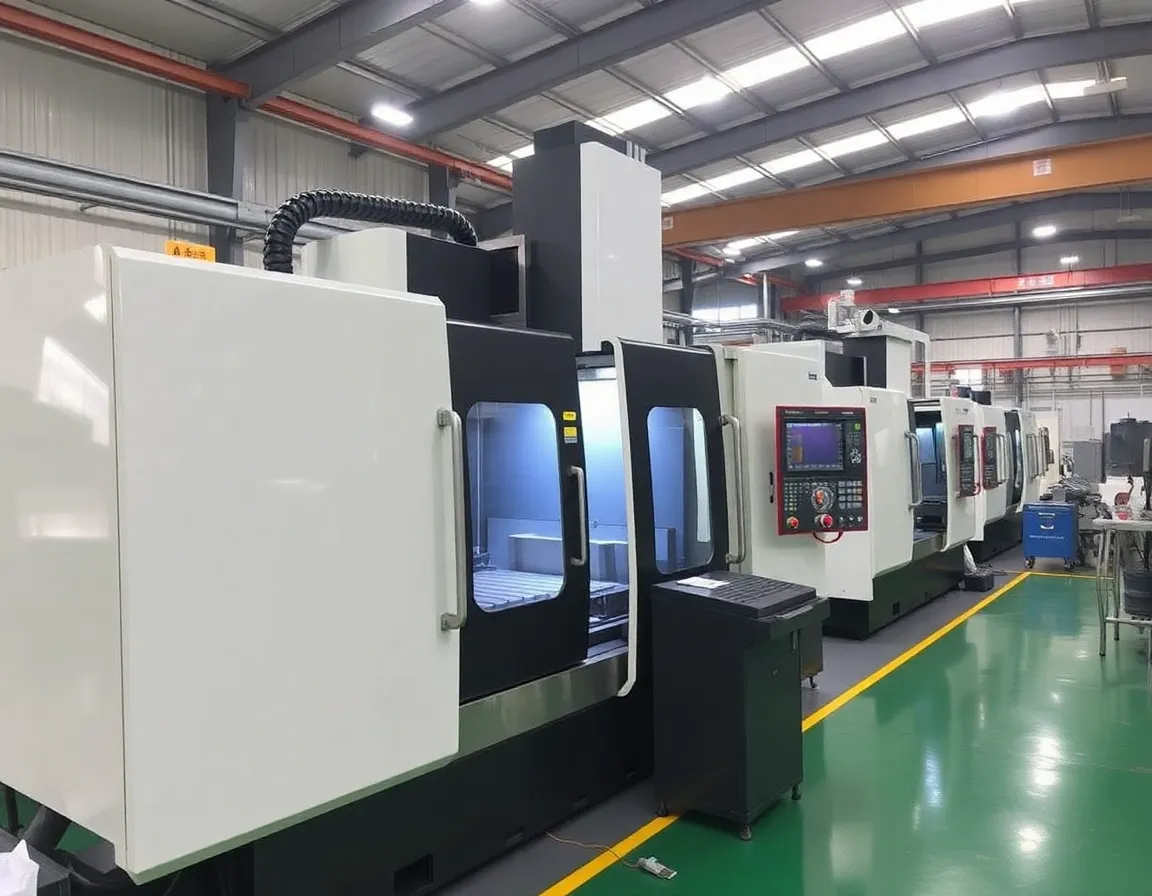
Expert 5 axis machine shop in China. High-precision CNC milling for aerospace, aluminum, titanium & stainless steel parts. Get a free quote & drawing review. 5 axis machine shop china
Simultaneous machining from multiple angles ensures high precision for intricate geometries.
Lower operational and labor costs translate to highly competitive pricing for customers.
Single-setup machining and high automation drastically speed up manufacturing cycles.
Access to state-of-the-art technology and skilled engineers for sophisticated projects.
5 axis machine shop china solutions are available with stable quality control, flexible manufacturing capacity, and responsive technical support. Contact us for drawings review and quotation.
A 5 axis machine shop in China is a precision manufacturing facility equipped with advanced Computer Numerical Control (CNC) machines capable of moving a cutting tool or part along five different axes simultaneously. This allows for the creation of highly complex, intricate, and contoured parts from materials like metals, plastics, and composites in a single setup. Services offered typically include prototyping, low to high-volume production, reverse engineering, and finishing services like anodizing or painting. These shops cater to industries such as aerospace, automotive, medical, and robotics, where complex geometries and tight tolerances are critical. By consolidating operations, they reduce production time and improve accuracy compared to traditional 3-axis machining.
The process typically follows a structured workflow. It begins with you providing a 3D CAD model (e.g., STEP, IGES file) and specifications. The shop's engineers then review the design for manufacturability (DFM) and may suggest optimizations. Once approved, they program the 5-axis CNC machines, select the appropriate tooling and materials, and proceed with machining. A key advantage is that complex parts are often completed in a single setup, which enhances precision. Throughout production, reputable shops provide quality checks using Coordinate Measuring Machines (CMM) and may share progress reports or photos. Finally, parts undergo finishing if required, are inspected, and are shipped directly to you. Clear communication and a defined project milestone plan are essential for a smooth partnership.
The primary benefits are superior part complexity, precision, and cost-effectiveness. A 5 axis machine shop in China can produce intricate geometries—like impellers, turbine blades, or complex molds—that are impossible with 3-axis machines. The single-setup capability drastically reduces human error, improves accuracy, and shortens lead times. From a cost perspective, Chinese shops often offer significant savings on both labor and overhead compared to Western counterparts, without necessarily sacrificing quality, especially for medium to high-volume runs. Furthermore, you gain access to a vast industrial ecosystem for materials and secondary processes. This combination of advanced technical capability and competitive pricing makes them a powerful solution for demanding prototyping and production needs.
Common concerns include inconsistent quality, intellectual property (IP) protection, communication barriers, and logistical delays. To mitigate these, conduct thorough due diligence: request detailed quality certifications (like ISO 9001), ask for samples or visit the facility virtually/in-person, and check client references. Use a clear Non-Disclosure Agreement (NDA) to protect your IP. For communication, establish a single point of contact who is proficient in English and use detailed, written specifications with annotated drawings. Insist on a First Article Inspection (FAI) report and in-process quality data. Finally, factor in shipping and customs clearance times into your schedule and consider using a reliable freight forwarder. Partnering with a well-established, transparent shop is key to overcoming these challenges.
Pricing is usually quoted per part or per project and is influenced by material cost, part complexity, tolerances, volume, and required surface finishes. The quote process starts when you submit your CAD files and a detailed RFQ (Request for Quote) specifying material, quantity, tolerances, and post-processing needs. The shop analyzes the machining time (including programming and setup), material waste, tooling wear, and overhead to calculate a unit price. Higher volumes generally reduce the per-part cost due to amortized setup costs. Be sure the quote includes all aspects: machining, finishing, quality inspection, packaging, and standard shipping (Incoterms). Always clarify payment terms (e.g., 30-50% deposit) and request a breakdown to ensure transparency and avoid hidden fees later.
Our aerospace components require insane precision. This 5-axis shop in China delivered flawlessly. T
Overall, a very positive experience. We needed a prototype mold base machined from hardened steel. T
I was hesitant about outsourcing such a complex part, but this shop proved me wrong. They suggested
Great quality and price. The aluminum manifolds we ordered had beautiful surface finishes and all th