
Magnesium CNC machining should be planned as both a cutting process and a combustible-metal housekeeping task. The main safety concern is not a solid, finished component sitting on a bench; it is the fine chips, fines, or dust that can form during machining, cleanup, or collection. The exact controls depend on alloy, machine, operation, facility risk assessment, and applicable fire-safety requirements.
OSHA identifies magnesium among metals whose fine particulate can present combustible-dust hazards. That does not make this article a shop safety procedure. Employers must use a qualified risk assessment, the machine and dust-collection manufacturers’ instructions, and the local fire-protection plan. The CNC site’s lightweight materials page identifies magnesium as a material option; it is not a substitute for a site-specific safety review.
Separate bulk chips from fine particulate
Chip form changes the risk picture. Coarser turnings and chips do not behave like fine particulate suspended in air or accumulated in a collector. Operations that create fines, abrasive dust, or small fragments need particular attention to how material is captured, contained, removed, and stored. A vacuum, sweeping method, coolant, or container that is suitable for ordinary steel chips should not be assumed suitable for combustible magnesium waste.
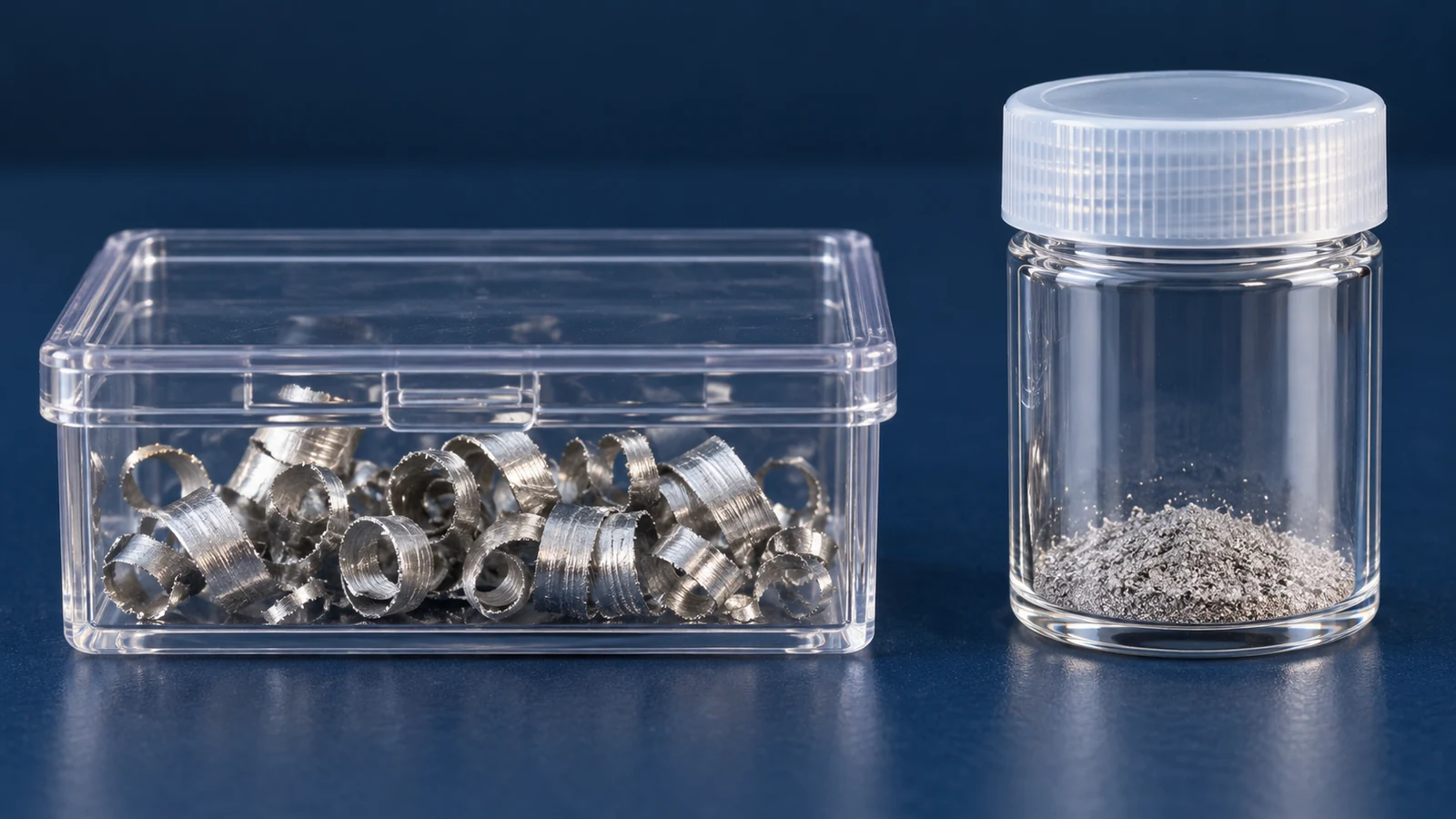
Before the first cut, identify where fines could collect: machine enclosure corners, chip conveyors, filters, ductwork, overhead surfaces, and cleanup tools. The process owner should decide how each location is inspected and cleared, who is trained to do it, and how waste is segregated. Do not wait until a bin is full or a chip pile has been disturbed to determine the handling procedure.
Build controls into the job review
| Review item | Question for the process owner |
|---|---|
| Identité matière | Which magnesium alloy and stock form are specified, and how is identity maintained? |
| Chip generation | Which operations may create fine chips or dust, and where can they accumulate? |
| Capture and collection | Is the equipment designed and approved for the identified combustible-metal hazard? |
| Housekeeping | What approved method, schedule, and trained role cover the machine, collector, and surrounding area? |
| Emergency response | Does the facility plan specify suitable detection, isolation, and response for this material and equipment? |
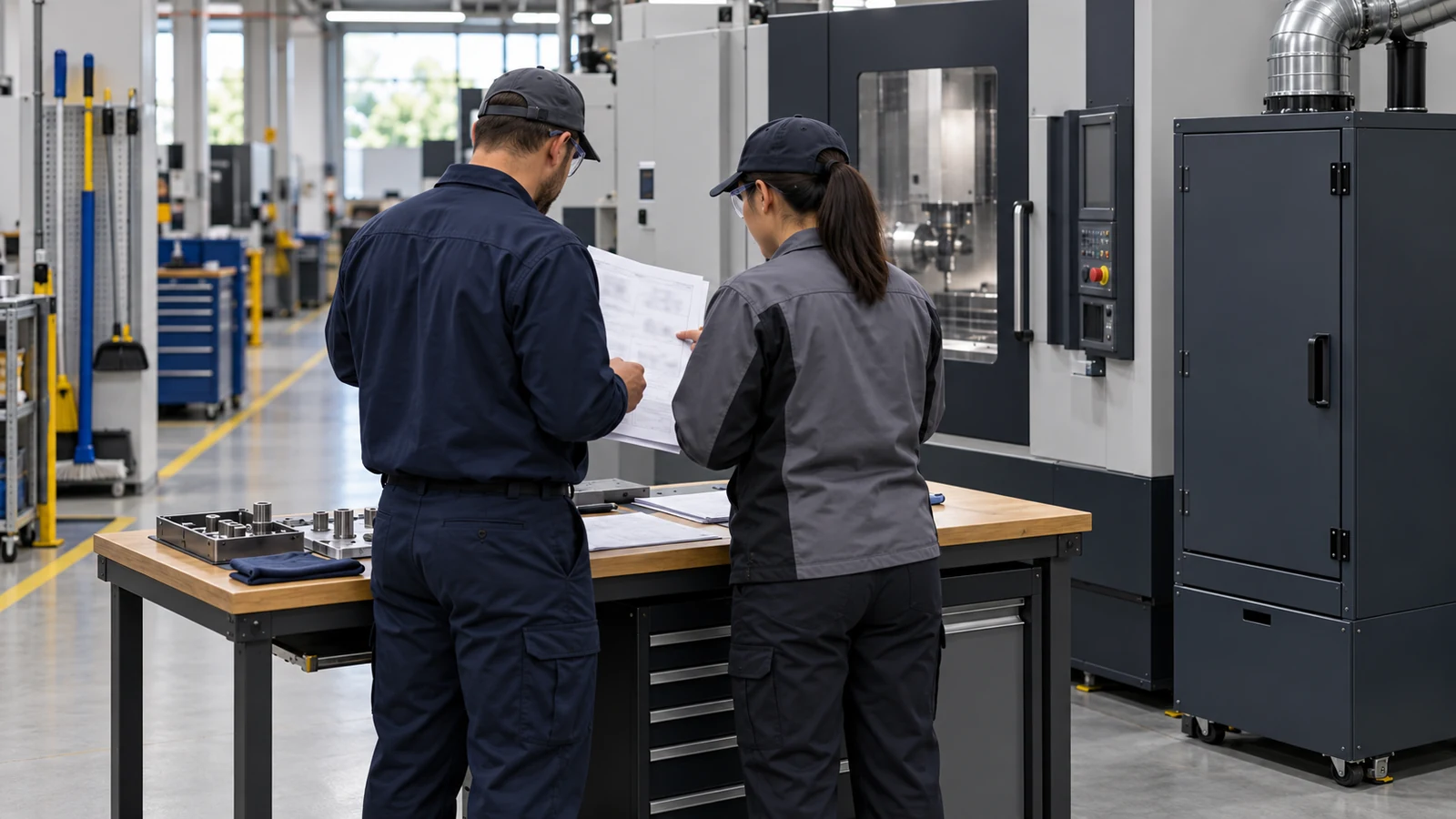
These questions do not prescribe a universal coolant, feed, chip-bin, or extinguishing method. Such choices must follow the alloy supplier’s guidance, machine and collection system design, the facility hazard assessment, and applicable regulations. In particular, never improvise a response to a metal fire using general-purpose advice written for ordinary shop fires.
Machining stability still matters to safety
Tool condition and process stability affect chip form and heat generation. A dull edge, rubbing cut, tool dwell, or interrupted operation can produce a different chip and thermal pattern from the intended cut. Workholding, tool engagement, and evacuation therefore belong in the safety review as well as the quality plan. Define how the operator will detect a change in chip form or process behavior and when the job must stop for review.
For the part itself, specify alloy, temper or condition where applicable, geometry, critical dimensions, and required finish. Material selection should follow service requirements, not weight alone. The broader CNC material-selection guide provides a framework for comparing material families, while project-specific magnesium safety belongs with the facility’s EHS and fire-protection owners.
What buyers should include in an RFQ
Identify the exact magnesium grade and product form, annual or batch quantity, critical features, surface requirements, and any required material records. State whether the supplier must follow a customer safety or waste-handling specification and who supplies it. If a particular dust-collection, coolant, or waste process is mandatory, name the controlling document rather than adding an ambiguous note such as “handle safely.”
For a supplier review, ask how the proposed equipment and housekeeping controls address the identified job. Request evidence only to the level your contract and risk review require; do not assume that a general statement of machining experience proves a specific site’s current safety controls. The right decision is a documented, facility-approved route for the actual material and operation.