
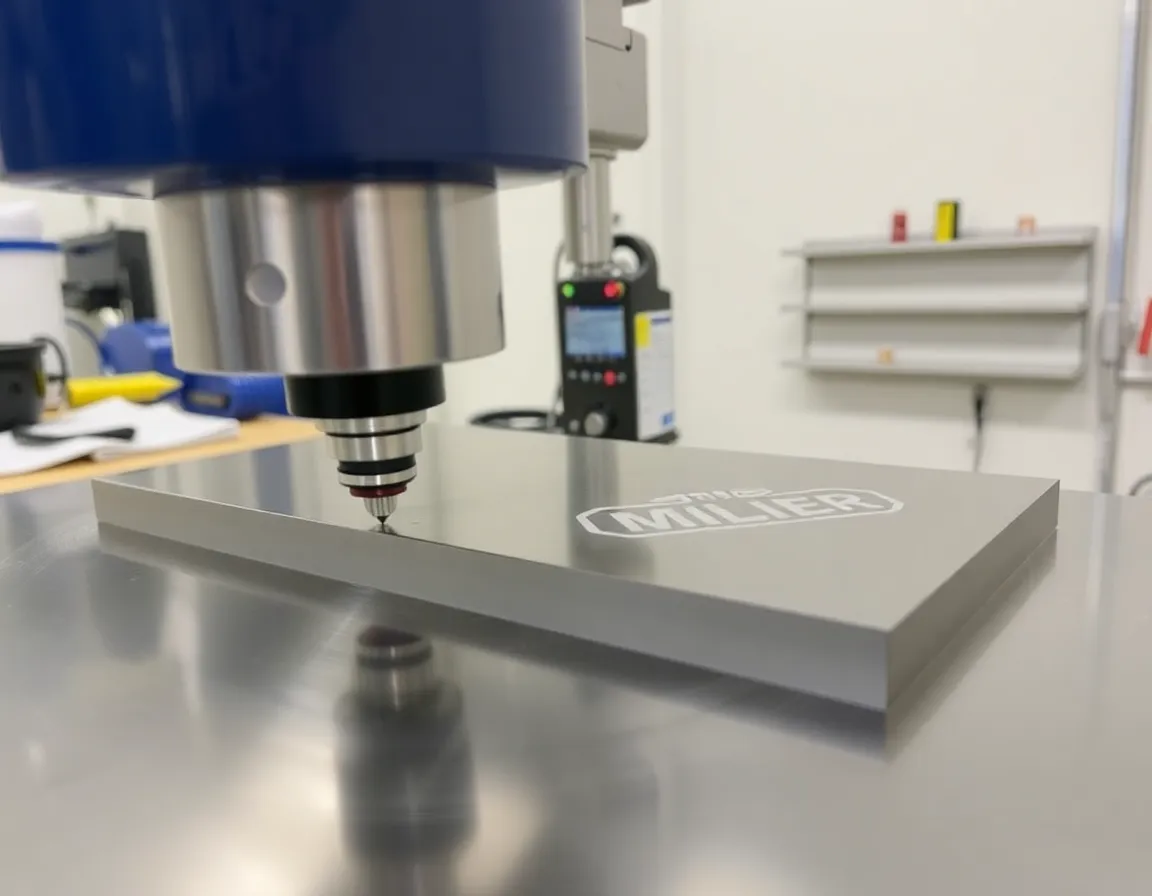
Introduction to Plastic Milling Services
Plastic milling services represent a critical subset of precision manufacturing, offering the ability to transform raw plastic materials into complex, high-tolerance components. Unlike traditional metalworking, plastic milling requires a distinct understanding of polymer behavior, tool geometry, and thermal management. This process involves the use of computer numerical control (CNC) milling machines to remove material from a solid plastic block or billet, creating parts with precise dimensions, smooth finishes, and intricate geometries. As industries ranging from medical devices to aerospace continue to demand lightweight, corrosion-resistant, and cost-effective alternatives to metal, plastic milling services have become indispensable. This article provides a comprehensive overview of what plastic milling entails, the methodologies involved, its key benefits, common applications, and best practices for achieving optimal results.
What Are Plastic Milling Services?
Plastic milling services are specialized manufacturing processes that use rotating cutting tools to remove material from a plastic workpiece. The milling machine, typically a CNC unit, moves the cutting tool along multiple axes (3-axis, 4-axis, or 5-axis) to carve out the desired shape from a solid block of plastic. The service provider selects the appropriate plastic grade—such as acrylic (PMMA),polycarbonate (PC),nylon (PA),PTFE (Teflon),PEEK, orUHMWPE—based on the end-use requirements for strength, temperature resistance, chemical compatibility, and optical clarity.
The key distinction between plastic milling and other fabrication methods (like injection molding or 3D printing) lies in its subtractive nature. Milling starts with a solid block, which is then carved down to the final part. This approach offers several advantages:
- High dimensional accuracy – tolerances as tight as ±0.005 mm are achievable.
- No need for molds or tooling– ideal for low-volume production and prototyping.
- Superior surface finish– milling can produce mirror-like finishes on plastics like acrylic.
- Material integrity– unlike 3D printing, milled parts have no layer lines or anisotropic weaknesses.
Service providers often offer additional post-milling operations, including deburring, polishing, tapping, and assembly, to deliver fully finished components ready for integration.
The Milling Process Step-by-Step
Understanding the workflow of plastic milling services helps appreciate the precision involved. The typical process includes:
- Design and CAD Modeling – The client provides a 3D CAD file (STEP, IGES, or native format). The service provider reviews the design for manufacturability, considering plastic-specific factors like wall thickness, radii, and undercuts.
- CAM Programming– The CAD file is imported into computer-aided manufacturing (CAM) software. The toolpath is optimized for plastic, selecting appropriate feeds, speeds, and step-over values to prevent melting or chipping.
- Material Selection and Preparation– The chosen plastic grade is sourced in block form. The material is inspected for defects and cut to a rough size if necessary.
- Machine Setup and Fixturing– The plastic block is securely mounted on the CNC machine’s worktable using vacuum chucks, vises, or custom fixtures. Proper fixturing is critical to avoid vibration and movement during cutting.
- Milling Operations– The CNC machine executes the programmed toolpath. Roughing passes remove bulk material, followed by finishing passes for surface quality. Coolants or compressed air may be used to manage heat.
- Inspection and Quality Control– The finished part is measured using coordinate measuring machines (CMM), calipers, or optical comparators to verify tolerances. Surface finish is checked against specified Ra values.
- Post-Processing– Depending on requirements, parts may be polished, vapor-polished, painted, or assembled.
Key Benefits of Plastic Milling Services
Plastic milling offers a unique combination of advantages that make it a preferred choice for many engineering and manufacturing applications. Below are the primary benefits:
Exceptional Precision and Tolerance Control
CNC milling machines can achieve extremely tight tolerances, often within ±0.001 inches (0.025 mm) or better. This level of precision is essential for components that must fit together seamlessly, such as gears, bearings, housings, and fluid handling parts. Unlike injection molding, which can suffer from shrinkage and warpage, milled plastic parts maintain their dimensional stability because they are cut from a solid, stress-relieved block.
Design Flexibility and Rapid Iteration
Since plastic milling does not require expensive molds or dies, design changes can be implemented quickly and at minimal cost. Engineers can iterate on a design, produce a prototype, test it, and modify the CAD file for the next batch—all within days. This agility is invaluable for product development, custom medical devices, and low-volume production runs.
Superior Material Properties
Milled parts retain the full mechanical properties of the base plastic material. For example, a part milled from PEEKwill exhibit the same high-temperature resistance, chemical inertness, and strength as the original block. In contrast, injection-molded parts can have internal stresses and weak points at weld lines. Milling also allows the use of high-performance plastics that are difficult or impossible to injection mold, such asPTFEandUHMWPE.
Excellent Surface Finish and Aesthetics
With the right tooling and parameters, plastic milling can produce surfaces with roughness as low as 0.2 µm Ra. This is critical for optical components (lenses, light guides), consumer products (knobs, panels), and medical implants where smoothness is required to prevent bacterial adhesion. Post-milling polishing can further enhance clarity and gloss.
Cost-Effectiveness for Low to Medium Volumes
For production quantities ranging from a single prototype to a few thousand units, plastic milling often proves more economical than injection molding. There are no tooling costs, no minimum order quantities, and no lead times for mold fabrication. This makes milling an excellent choice for startups, research projects, and niche applications.
Common Applications of Plastic Milling Services
Plastic milled components are found across a vast array of industries. Their lightweight, corrosion-resistant, and electrically insulating properties make them indispensable in many modern technologies.
Medical and Healthcare
The medical industry relies heavily on plastic milling for custom surgical instruments, prosthetic components, implantable devices, and diagnostic equipment housings. Materials like PEEK,PPSU, andUHMWPEare commonly used due to their biocompatibility and sterilizability. Examples include:
- Orthopedic implants and bone screws
- Dental drill guides and surgical templates
- Fluid connectors for IV systems
- Housings for portable medical monitors
Aerospace and Defense
In aerospace, weight reduction is paramount. Plastic milled parts replace metal components in non-structural applications, reducing overall aircraft weight and fuel consumption. Common parts include:
- Interior cabin brackets and clips
- Radome components (made from low-dielectric plastics)
- Gaskets and seals for hydraulic systems
- Drone and UAV frames
Electronics and Semiconductor
Plastics offer excellent electrical insulation and chemical resistance, making them ideal for electronic enclosures and wafer handling equipment. Applications include:
- Wafer carriers and cassette trays
- Insulating bushings and standoffs
- Protective covers for sensors and connectors
- Light pipes and optical diffusers
Industrial Machinery and Automation
Milled plastic parts are used in food processing, packaging, and material handling equipment where corrosion resistance and low friction are required. Examples:
- Gears and sprockets (nylon, acetal)
- Wear strips and guide rails (UHMWPE)
- Pump impellers and valve bodies (PVDF, PTFE)
- Custom jigs and fixtures for assembly lines
Consumer Goods and Prototyping
From high-end audio equipment to sporting goods, plastic milling enables the creation of durable, aesthetically pleasing products. Prototyping remains a major application, allowing designers to test form, fit, and function before mass production.
Best Practices for Plastic Milling Services
To achieve the best results from plastic milling, both the service provider and the client should follow certain guidelines. These practices ensure part quality, reduce waste, and shorten lead times.
Material Selection and Preparation
Not all plastics machine the same way. Amorphous plastics(e.g., acrylic, polycarbonate) tend to be more brittle and prone to cracking, whilesemi-crystalline plastics(e.g., nylon, PEEK) can be more ductile but may exhibit stringy chips. Key considerations:
- Always specify the exact material grade and any certifications required (e.g., FDA, USP Class VI, UL94).
- Use stress-relieved or annealed blocks to minimize warpage during cutting.
- Pre-dry hygroscopic materials like nylon to prevent dimensional changes from moisture absorption.
Tooling and Cutting Parameters
Sharp, polished cutting tools are essential for plastic milling. Dull tools generate excessive heat, causing melting, smearing, or burning. Best practices include:
- Use single-flute or two-flute end mills with high helix angles to evacuate chips efficiently.
- Maintain high spindle speeds (10,000–30,000 RPM) with moderate feed rates to avoid heat buildup.
- Employ climb milling (down-milling) to reduce edge chipping and improve surface finish.
- Use compressed air or mist coolant to cool the cutting zone; avoid flood coolant which can cause thermal shock.
Design for Manufacturability (DFM)
Clients can significantly improve outcomes by following DFM principles for plastic milling:
- Avoid sharp internal corners—use radii of at least 1/3 of the tool diameter.
- Maintain uniform wall thickness to prevent warpage and differential cooling.
- Include draft angles for parts that may require secondary operations like polishing or coating.
- Minimize deep, narrow cavities that are difficult to tool and cool.
Quality Control and Inspection
Reputable plastic milling services implement rigorous QC procedures. Clients should look for providers that offer:
- First-article inspection (FAI) reports with measured dimensions.
- Surface roughness measurement (profilometer).
- Material certification traceable to the manufacturer.
- Visual inspection under magnification for cracks, burrs, or discoloration.
Post-Processing and Finishing
Depending on the application, additional steps may be required:
- Deburring – Manual or automated removal of sharp edges.
- Polishing– Mechanical or flame polishing for optical clarity.
- Vapor polishing– For acrylic parts, exposing them to solvent vapor creates a glass-like finish.
- Threading and tapping– Inserts can be added for stronger threads in softer plastics.
Choosing the Right Plastic Milling Service Provider
Selecting a partner for plastic milling services requires careful evaluation. Key factors to consider include:
- Machine Capability – Look for multi-axis CNC mills (3, 4, or 5-axis) capable of handling your part complexity.
- Material Expertise– The provider should have experience with a wide range of engineering plastics and understand their machining quirks.
- Tolerance Capability– Confirm that they can hold your required tolerances consistently.
- Lead Times– For prototyping, ask about rapid turnaround options (e.g., 24–72 hours).
- Certifications– ISO 9001, AS9100 (aerospace), or ISO 13485 (medical) indicate a commitment to quality.
- Communication– A good provider will offer DFM feedback and suggest material alternatives when beneficial.
Conclusion
Plastic milling services are a cornerstone of modern manufacturing, bridging the gap between design and production with unparalleled precision, flexibility, and material diversity. Whether you are developing a single prototype for a medical implant, producing a batch of custom gears for industrial machinery, or crafting optical components for a consumer device, CNC plastic milling offers a reliable and cost-effective solution. By understanding the process, benefits, applications, and best practices outlined in this article, engineers and procurement professionals can make informed decisions that maximize part quality, minimize costs, and accelerate time-to-market. As technology advances and new plastic formulations emerge, the role of plastic milling will only continue to grow, solidifying its place as an essential service in the global manufacturing ecosystem.