
In the sophisticated landscape of modern engineering, the structural integrity of an assembly often relies on the smallest components. Among these, cnc milled brackets serve as the critical foundation for industries ranging from aerospace to medical robotics. When structural reliability is non-negotiable, engineers frequently turn to the precision of computer numerical control (CNC) machining to produce components that meet exact specifications. At jucheng, the synthesis of advanced technology and decades of application expertise allows for the creation of cnc milled brackets that do more than just hold parts together; they optimize the performance of the entire system. Understanding the nuances of how these brackets are designed, manufactured, and utilized is essential for any procurement professional or engineer looking to enhance their product lifecycle.
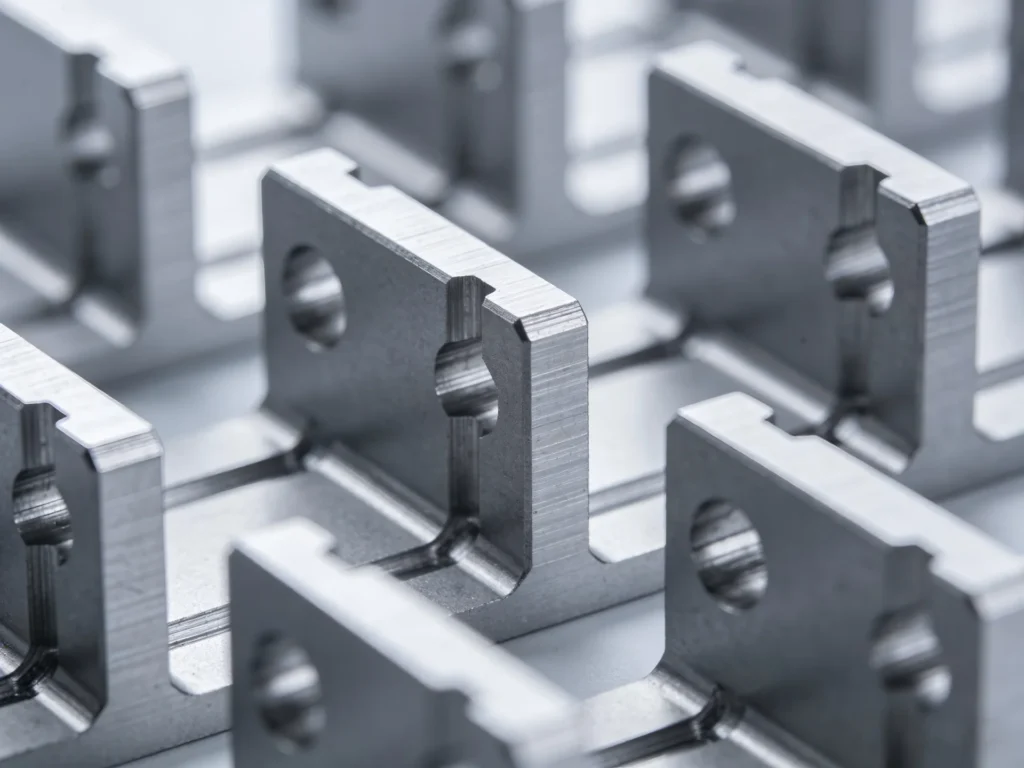
What Exactly Are CNC Milled Brackets? Understanding the Fundamentals
To appreciate the value of a high-quality bracket, one must first address the question: what is cnc milled technology? CNC milling is a subtractive manufacturing process where a computer-controlled cutting tool removes material from a solid block, known as a workpiece, to create a finished shape. Unlike 3D printing, which adds material layer by layer, milling carves the part out, ensuring superior mechanical properties and surface finishes. A cnc milled bracket is specifically designed to support, join, or hold components in place, often featuring complex geometries that traditional stamping or casting cannot achieve.
The process typically involves a multi-axis machine—often 3-axis, 4-axis, or 5-axis—that moves the cutting tool across the X, Y, and Z planes. For more intricate cnc machined brackets, 5-axis milling is often employed to reach difficult angles without the need for multiple setups, which significantly reduces the margin for error. This precision is why specialized shops like the jucheng facility are sought after for high-tolerance projects. In a typical cnc bracket shop, the workflow begins with a CAD model, which is converted into G-code, the language that tells the machine exactly where to move, how fast to spin the spindle, and what depth of cut to take.
CNC Milling vs. Turning: Which Method Fits Your Bracket?
When selecting a manufacturing partner, it is vital to understand the distinction between cnc milling vs turning. While both are subtractive processes, they are used for different geometries. Turning involves rotating the workpiece against a stationary tool, which is ideal for cylindrical parts like bolts or shafts. Milling, conversely, rotates the tool against a stationary or moving workpiece, making it the preferred method for brackets, which are typically rectangular, L-shaped, or irregular in form. Most cnc milling brand machines found at jucheng are optimized for complex milling tasks that require pockets, holes, and specific surface contours that turning simply cannot provide.
Core Applications: Where CNC Machined Brackets Excel
The versatility of cnc milled brackets allows them to appear in almost every sector of industrial manufacturing. Because these parts can be machined from a wide variety of materials, their application is nearly limitless. Engineers on platforms like Reddit often discuss how switching from cast iron brackets to cnc machined brackets made from 6061 aluminum significantly reduced the weight of their assemblies without sacrificing strength.
- Aerospace and Aviation: Brackets in this sector must be lightweight yet incredibly strong. Titanium and high-grade aluminum cnc milled brackets are used to secure sensors, fuel lines, and interior components where failure is not an option.
- Automotive Industry: From engine mounts to dashboard supports, cnc milling examples in the automotive world include custom brackets for high-performance racing and heavy-duty structural supports for electric vehicle battery packs.
- Medical Devices: Precision is paramount here. jucheng produces specialized brackets for surgical robots and diagnostic equipment that require biocompatible materials and incredibly tight tolerances.
- Industrial Machinery: In automated assembly lines, custom cnc bracket designs are used to align sensors and actuators, ensuring that the entire line operates with micron-level accuracy.
The Engineering Behind the Bracket: CNC End Mill Types and Tooling
The quality of a cnc milled bracket is heavily dependent on the tooling used during the manufacturing process. Different cnc end mill types are selected based on the material being cut and the required finish. For instance, a flat end mill is used for cutting flat surfaces and plunging, while a ball nose end mill is perfect for 3D contoured surfaces. At a professional cnc bracket shop, the selection of the right tool can mean the difference between a part that fits perfectly and one that requires manual reworking.
Furthermore, the choice of coatings on these tools, such as Titanium Nitride (TiN) or Aluminum Titanium Nitride (AlTiN), can influence the heat resistance and longevity of the tool, ultimately affecting the cost and quality of the final cnc machined brackets. jucheng utilizes high-performance tooling to ensure that every cut is clean, reducing the need for extensive post-processing and ensuring that the dimensional stability of the bracket remains intact throughout the production run.
Critical Factors to Consider When Buying CNC Milled Brackets
Choosing a supplier for your cnc milled brackets involves more than just looking at the price per unit. High-performance components require a partner who understands the nuances of material science and mechanical design. Here are the primary factors one should consider:
1. Material Selection
The material of your cnc milled bracket dictates its strength, weight, and corrosion resistance. Aluminum is the most common for its machinability and strength-to-weight ratio, but stainless steel or titanium may be necessary for harsh environments. It is important to discuss your environmental constraints with the team at jucheng to ensure the material choice aligns with your longevity goals.
2. Dimensional Tolerances
Precision is the hallmark of cnc machining. Depending on the application, you might require tolerances as tight as ±0.001 inches. A reputable cnc bracket shop should have the metrology equipment, such as CMM (Coordinate Measuring Machines), to verify these dimensions. For many cnc milling examples, maintaining tight tolerances on hole alignments is the most critical factor for ease of assembly.
3. Surface Finish Requirements
Does the bracket need to be aesthetically pleasing, or is it hidden inside a machine? Surface finishes like anodizing, bead blasting, or powder coating can be applied to cnc machined brackets to improve wear resistance or appearance. jucheng offers a variety of in-house finishing options to streamline the procurement process for their clients.
4. Production Volume and Scalability
Whether you need a single prototype or a production run of 10,000 units, your chosen cnc milling brand must be able to scale. The ability of jucheng to handle both rapid prototyping and high-volume manufacturing makes them a versatile partner for companies at any stage of the product development cycle.
| Material Type | Strength Level | Machinability | Typical Bracket Application |
|---|---|---|---|
| Aluminum 6061 | Medium | Excellent | General purpose, Aerospace, Robotics |
| Stainless Steel 304 | High | Fair | Food processing, Marine, Medical |
| Steel 1018 | Medium-High | Good | Structural, Industrial hardware |
| Titanium Gr. 5 | Very High | Difficult | High-end Aerospace, Performance Racing |
| Brass/Copper | Low-Medium | Excellent | Electrical components, Decorative |
Installation and Maintenance: Ensuring Longevity of Your Brackets
Once you have received your cnc milled brackets from jucheng, proper installation is key to their performance. Even the most precisely machined part could fail if installed incorrectly. First, ensure that the mounting surfaces are clean and free of debris. Any misalignment during installation can introduce stress concentrations that might lead to fatigue over time. Using calibrated torque wrenches to tighten fasteners is a best practice that ensures the cnc machined brackets are held with the correct amount of force.
Maintenance of these brackets is generally minimal, especially if they have been treated with protective coatings. However, in high-vibration environments, such as automotive or industrial settings, periodic inspections should be conducted. Look for signs of stress cracking or loosening of bolts. Because cnc milled bracket designs often involve sharp internal corners, a high-quality shop like jucheng will usually include small fillets in the design to reduce stress risers, but regular visual checks remain a cornerstone of industrial safety.
Why Jucheng is the Premier Choice for CNC Milled Brackets
When searching for a reliable partner in the cnc milling brand space, jucheng stands out due to its unwavering commitment to quality and technical excellence. The facility is equipped with state-of-the-art machinery capable of producing complex cnc milled brackets that meet the most stringent international standards. But technology is only half the story; it is the engineering support that truly sets jucheng apart. Their team can provide Design for Manufacturing (DFM) feedback, helping you optimize your cnc bracket design to reduce material waste and machining time, which ultimately lowers your costs.
Moreover, jucheng maintains a robust quality management system. Every cnc machined bracket that leaves the factory undergoes rigorous inspection. This dedication to E-E-A-T (Experience, Expertise, Authoritativeness, and Trustworthiness) principles ensures that when you integrate their parts into your machines, you are doing so with complete confidence. Their reputation as a top-tier cnc bracket shop is built on years of delivering high-precision components to a global clientele who demand nothing but the best.
Frequently Asked Questions About CNC Milled Brackets
1. What is the typical lead time for custom cnc milled brackets?
Lead times can vary depending on the complexity of the part and the material availability. However, at jucheng, standard orders for cnc machined brackets are typically fulfilled within 2 to 4 weeks. Rapid prototyping services may offer even faster turnaround times for urgent projects.
2. Can you machine brackets with complex, internal geometries?
Yes, utilizing multi-axis cnc milling allows for the creation of very complex internal features. Using specific cnc end mill types, such as long-reach tools or specialized cutters, we could achieve geometries that are impossible with traditional manufacturing methods.
3. How do I decide between aluminum and steel for my cnc milled bracket?
The decision usually comes down to weight versus strength. Aluminum cnc milled brackets are ideal for weight-sensitive applications like aerospace. Steel is preferred when maximum strength and durability are required, or when the part will be exposed to extreme heat.
4. Do you provide finishing services like anodizing?
Absolutely. jucheng offers a comprehensive suite of finishing options for cnc machined brackets, including anodizing, plating, painting, and bead blasting. This ensures your parts are ready for assembly the moment they arrive.
5. What file formats do you accept for CNC machining?
The most commonly used formats are STEP and IGES files. However, our engineering team at the cnc bracket shop can work with most 3D CAD files to generate the necessary G-code for production.
6. Is CNC milling more expensive than stamping for brackets?
For low to medium volumes, cnc milled brackets are often more cost-effective because they don’t require expensive die sets. For very high volumes (tens of thousands), stamping might be cheaper per unit, but it lacks the precision and complexity that milling provides.
7. How does Jucheng ensure the quality of every bracket?
We employ a multi-stage inspection process that includes in-process checks and final metrology using calibrated instruments. Our cnc milling brand reputation is based on delivering zero-defect parts to our customers.
8. Can you help with the design of my cnc bracket?
Yes, jucheng offers DFM (Design for Manufacturing) consulting. We can suggest minor changes to your cnc milled bracket design that can significantly improve machinability and reduce your overall costs.
Conclusion: Elevating Your Projects with Professional CNC Machining
In conclusion, the humble bracket is a vital component that deserves the highest level of manufacturing precision. By choosing cnc milled brackets, you are investing in the reliability and performance of your final product. From understanding what is cnc milled to selecting the right cnc bracket shop, every step in the process matters. jucheng remains a leader in this field, offering the expertise and technology required to turn your most complex designs into reality. Whether you are looking for cnc milling examples to inspire your next project or you need a quote for a production run of cnc machined brackets, our team is ready to assist. Contact us today to learn how our cnc milling brand can support your engineering goals and provide the structural solutions your business deserves.
For more information on our capabilities and to explore our range of services, please visit our website at jccncmachining.com. Let jucheng be your partner in precision engineering.