
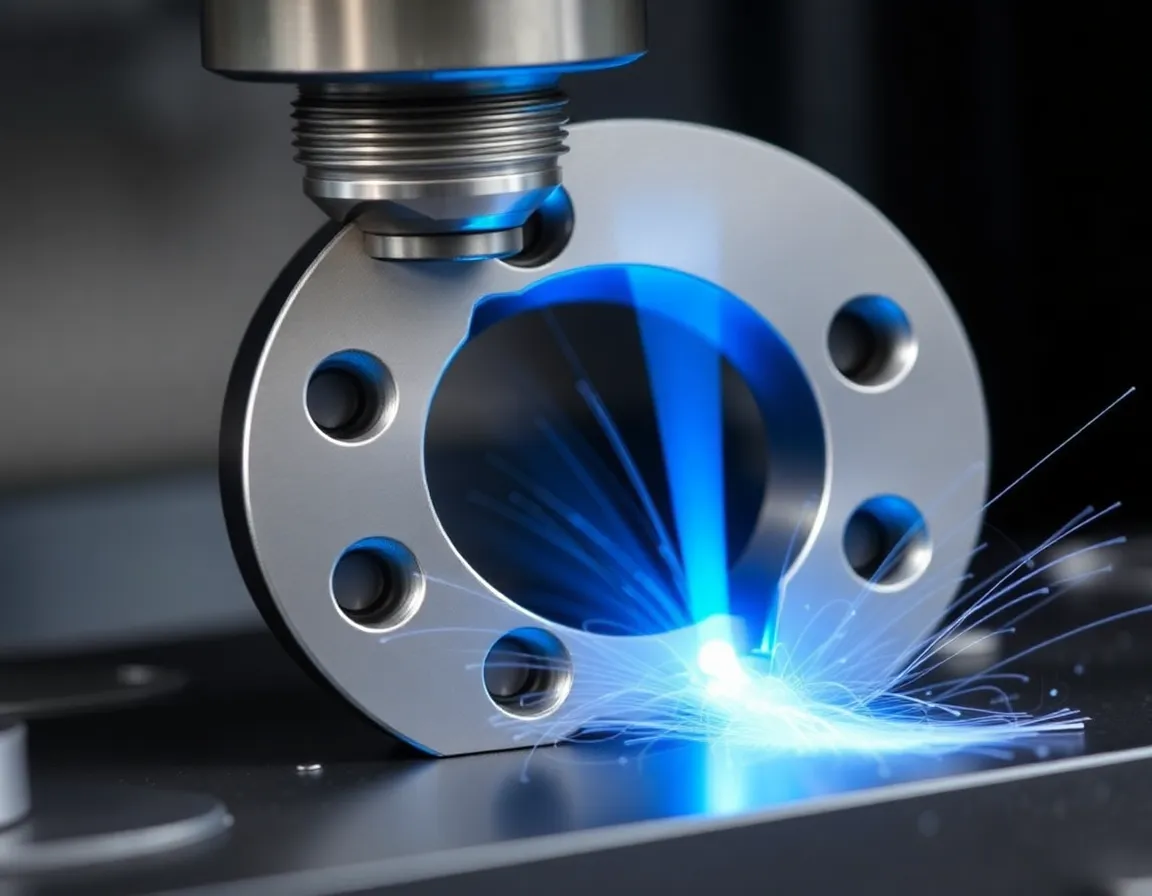
Introduction to Machining Zinc Alloys
Zinc alloys represent a class of versatile engineering materials that have become indispensable in modern manufacturing. Composed primarily of zinc combined with small percentages of aluminum, copper, magnesium, or other elements, these alloys offer a unique balance of mechanical properties and economic advantages. Machining zinc alloysis a specialized process that leverages the material’s excellent castability, corrosion resistance, and dimensional stability. Unlike ferrous metals or high-strength aluminum, zinc alloys are relatively soft and have a low melting point, which presents both opportunities and challenges for machinists. This article provides a comprehensive exploration of machining zinc alloys, covering their composition, machining behavior, benefits, applications, and best practices for achieving optimal results.
Understanding Zinc Alloys: Composition and Properties
Before delving into machining techniques, it is essential to understand the material itself. Zinc alloys are typically categorized into two main groups: zinc-aluminum (ZA) alloysandzinc die-casting alloys(such as Zamak 3, Zamak 5, and Zamak 7). The most common alloying elements include aluminum (3.5% to 11%), copper (0.25% to 1.25%), and magnesium (0.02% to 0.08%). These additions significantly enhance strength, hardness, and creep resistance while maintaining the inherent ductility of zinc.
The key mechanical properties that influence machining include:
- Low hardness: Typically ranging from 80 to 120 Brinell, zinc alloys are softer than steel or titanium, allowing for higher cutting speeds and reduced tool wear.
- High ductility:This property can lead to the formation of long, stringy chips during machining, requiring careful chip management.
- Low melting point:Zinc alloys melt around 380°C to 420°C, making them susceptible to thermal distortion if cutting parameters are not controlled.
- Excellent surface finish:With proper techniques, machined zinc alloys achieve mirror-like surfaces without secondary operations.
How Machining Zinc Alloys Works
Machining zinc alloys involves conventional subtractive processes such as turning, milling, drilling, tapping, and grinding. However, the material’s unique characteristics dictate specific parameters for each operation. Below, we examine the core mechanisms and adjustments required.
Cutting Speed and Feed Rates
Due to its low hardness, zinc alloys permit cutting speeds significantly higher than those used for steel or even aluminum. For example, in turning operations, speeds of 300 to 600 meters per minute (m/min) are common, while milling can run at 200 to 500 m/min. Feed rates should be moderate to high—typically 0.1 to 0.4 mm per revolution for turning—to prevent work hardening and to ensure efficient chip breakage. Too low a feed may cause rubbing, which generates excessive heat and degrades surface finish.
Tool Geometry and Material Selection
Carbide tools with sharp edges are the preferred choice for machining zinc alloys. High-speed steel (HSS) tools can also be used but will wear faster. The ideal tool geometry includes:
- Positive rake angles: +5° to +15° to reduce cutting forces and minimize built-up edge (BUE).
- Large relief angles:8° to 12° to prevent friction between the tool flank and the workpiece.
- Sharp cutting edges:Dull tools promote smearing and poor chip evacuation.
Additionally, coated carbide tools(e.g., TiN, TiAlN) are recommended for extended tool life, especially in high-volume production environments.
Chip Formation and Management
Zinc alloys produce long, continuous chips that can entangle around the tool or workpiece, posing safety risks and reducing machining efficiency. To combat this, chip breakers should be incorporated into the tool design. Through-tool coolant systemsor high-pressure coolant jets are effective at breaking chips and flushing them away. Alternatively, using a pecking cycle in drilling operations helps control chip length.
Benefits of Machining Zinc Alloys
Machining zinc alloys offers a range of advantages that make them a preferred material in many industries. These benefits extend beyond the machining process itself to include cost savings, performance, and sustainability.
Superior Machinability
Zinc alloys are among the most machinable metals available. Their low cutting forces reduce energy consumption and allow for the use of lighter, less rigid machine tools. Tool wear is minimal, often lasting several times longer than when machining steel or cast iron. This translates directly into lower tooling costs and reduced downtime for tool changes.
High Dimensional Accuracy
Zinc alloys exhibit excellent dimensional stability during machining. They do not work-harden significantly like stainless steels, and their low thermal expansion coefficient (approximately 27 µm/m·°C) minimizes size variations due to heat. This makes them ideal for producing precision components such as gears, bushings, and valve bodies.
Excellent Surface Finish
With appropriate parameters, machined zinc surfaces can achieve roughness values as low as Ra 0.2 µm. This eliminates the need for secondary finishing operations like grinding or polishing. The natural lubricity of zincalso reduces friction between the tool and workpiece, further enhancing surface quality.
Cost-Effectiveness and Sustainability
Zinc alloys are relatively inexpensive compared to copper, brass, or aluminum alloys. Their high machinability reduces cycle times, increasing throughput. Additionally, zinc is 100% recyclable without loss of properties. Scrap chips can be remeltedand reused, contributing to a circular manufacturing economy.
Applications of Machined Zinc Alloys
The unique combination of properties makes machined zinc alloys suitable for a wide range of applications across multiple sectors. Below are key industries and components.
Automotive Industry
Zinc alloy components are widely used in automotive interiors and under-hood applications. Examples include:
- Fuel system components: Carburetor bodies, fuel injector housings, and pump parts.
- Lock mechanisms:Door latches, ignition cylinders, and steering column locks.
- Small structural parts:Brackets, clips, and sensor housings.
The material’s corrosion resistance and ability to be plated or painted provide aesthetic and functional benefits.
Consumer Electronics and Hardware
Zinc alloys are common in products requiring a premium feel with high precision. Applications include:
- Smartphone and tablet frames: Thin-walled, lightweight, and strong.
- Camera components:Lens barrels, shutter mechanisms, and flash housings.
- Furniture hardware:Hinges, handles, and decorative trim.
Industrial Machinery and Fluid Handling
In hydraulic and pneumatic systems, machined zinc alloys are used for:
- Valve bodies and spools: Their low friction and wear resistance extend service life.
- Pump impellers and housings:Excellent castability allows complex internal geometries.
- Gears and bushings:Self-lubricating properties reduce maintenance needs.
Best Practices for Machining Zinc Alloys
To achieve consistent, high-quality results when machining zinc alloys, manufacturers must adhere to specific guidelines. These best practices cover tool selection, coolant use, and process optimization.
Coolant and Lubrication
While zinc alloys can be machined dry, the use of coolant is strongly recommended. Water-soluble coolantswith a concentration of 5% to 10% provide effective heat dissipation and chip flushing. Avoid using coolants containing chlorine or sulfur, as they can react with zinc and cause staining or corrosion. For tapping and threading, a dedicated tapping fluid or paste is beneficial to prevent galling.
Speeds and Feeds Optimization
Start with conservative parameters and adjust based on observed results. A general guideline for turning is:
- Cutting speed: 300–500 m/min (for carbide tools)
- Feed rate: 0.1–0.3 mm/rev
- Depth of cut: 0.5–3 mm
For milling, use similar speeds with a feed per tooth of 0.05–0.15 mm. Always monitor chip color—a straw or blue tint indicates overheating, requiring a reduction in speed or an increase in coolant flow.
Workholding and Vibration Control
Zinc alloys are relatively soft and can deform under excessive clamping pressure. Use soft jaws or custom fixtureswith even pressure distribution to avoid part distortion. Additionally, because zinc has low damping capacity, vibrations can cause chatter marks. Employ rigid setups, short tool overhangs, and balanced cutting forces to maintain stability.
Secondary Operations and Finishing
After machining, zinc alloys can be easily deburred using manual tools, tumbling, or thermal deburring. For enhanced corrosion resistance or aesthetics, parts can be plated (e.g., chrome, nickel), painted, or powder-coated. Note that zinc parts should be cleaned thoroughlyto remove all cutting fluids and chips before any coating process to ensure adhesion.
Common Challenges and Troubleshooting
Even with best practices, issues can arise. Below are typical problems and solutions.
Built-Up Edge (BUE)
BUE occurs when workpiece material adheres to the cutting edge, degrading surface finish and tool life. To prevent this, increase cutting speed, use sharper tools with positive rake, and apply a high-lubricity coolant. Polished or coated carbide toolsare particularly effective at minimizing adhesion.
Poor Chip Control
Long, stringy chips are a hallmark of zinc alloy machining. Solutions include:
- Using chip breaker inserts or ground-in chip grooves.
- Increasing feed rate to promote chip curling.
- Implementing high-pressure coolant (70–100 bar) directed at the cutting zone.
Surface Smearing
Smearing appears as a rough, smeared layer on the machined surface, often caused by dull tools or insufficient clearance angles. Replace worn tools and ensure relief angles are at least 8°. Reducing depth of cut can also help.
Conclusion
Machining zinc alloysis a highly efficient and cost-effective process that capitalizes on the material’s inherent softness, ductility, and thermal properties. By understanding the unique behavior of zinc alloys—from chip formation to tool wear—manufacturers can achieve exceptional precision, surface finish, and productivity. The benefits of high machinability, dimensional stability, and recyclability make zinc alloys an excellent choice for automotive, electronics, and industrial applications. Adhering to best practices in tool geometry, coolant selection, and parameter optimization ensures consistent results and maximizes the economic advantages of this versatile material. As manufacturing continues to evolve, zinc alloys will remain a cornerstone of high-volume, precision machining operations.