
Когда ваш проект требует сложных пластиковых компонентов с жесткими допусками, услуги фрезерования пластика обеспечивают точность и универсальность, которые требуются современному производству. В отличие от обработки металла, работа с инженерными пластиками связана с уникальными сложностями — чувствительностью к нагреву, памятью материала и удалением стружки, — и все они требуют специальных знаний. Создаете ли вы прототип медицинского изделия или масштабируете производство автомобильных компонентов, понимание того, как выбрать партнера по ЧПУ-обработке пластика и работать с ним, может стать разницей между успехом проекта и дорогостоящими задержками. Это руководство опирается на отраслевые обсуждения на форумах по обработке и реальный опыт цехов, чтобы помочь вам ориентироваться в сложном мире услуг ЧПУ-обработки пластика.
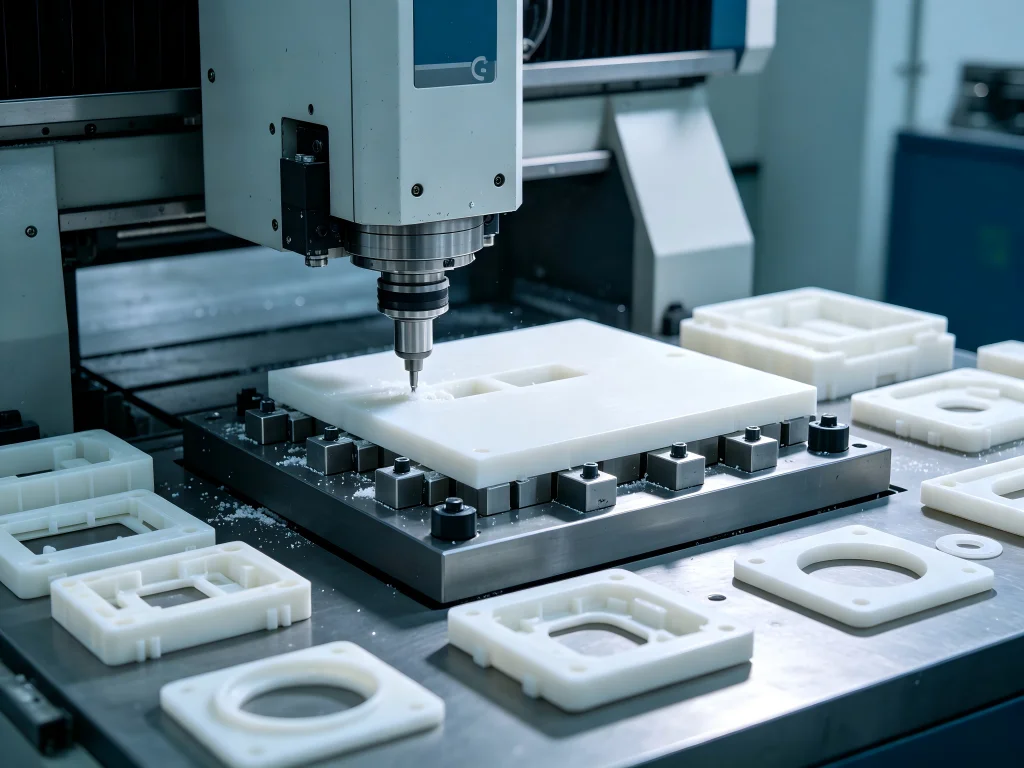
Что такое услуги фрезерования пластика и как они работают?
Услуги фрезерования пластика — это управляемое компьютером удаление материала с пластиковых заготовок с помощью вращающихся режущих инструментов. Процесс начинается с цифровой 3D-модели, которая преобразуется в траектории инструмента, направляющие движения станка. Затем фрезерный станок с ЧПУ следует этим траекториям с высокой точностью, вырезая нужную геометрию из цельного блока пластикового материала.
Принципиальное различие между фрезерованием пластика и металла заключается в том, как материалы реагируют на силы резания. Пластики вязкоупруги — они деформируются под давлением и удерживают тепло иначе, чем металлы. Это означает, что стратегии обработки, прекрасно работающие для алюминия, могут испортить пластиковую деталь из-за плавления, растрескивания под напряжением или размерной нестабильности.
Современные обрабатывающие центры с ЧПУ, используемые для работы с пластиком, обычно предлагают три, четыре или пять осей перемещения. Многоосевая возможность позволяет обрабатывать сложные геометрии за одну установку, снижая ошибки и повышая точность детали. Например, Jucheng Precision применяет методы 5-осевой обработки для создания высокопроизводительных точных компонентов из инженерных пластиков.
Рабочий процесс услуг фрезерования пластика обычно включает следующие этапы:
- Проектирование и CAD-моделирование: Геометрия детали создается в CAD-программе с учетом правил проектирования, специфичных для пластика, таких как равномерная толщина стенок и достаточные радиусы.
- Программирование CAM: Траектории инструмента генерируются с параметрами, оптимизированными для конкретного пластикового материала, — подача, частота вращения шпинделя и шаг строчек существенно различаются для таких материалов, как POM, PEEK и акрил.
- Подготовка материала: Пластиковый материал кондиционируется для обеспечения размерной стабильности. Для гигроскопичных материалов, таких как нейлон, это может включать сушку или акклиматизацию.
- Обработка: Станок с ЧПУ выполняет запрограммированные траектории движения инструмента, часто с охлаждением сжатым воздухом, а не жидкими охлаждающими жидкостями, чтобы предотвратить поглощение материала или тепловой удар.
- Постобработка: Детали могут требовать удаления заусенцев, полировки или вторичных операций, таких как нарезание резьбы или сборка.
Почему выбрать пластик вместо металла для компонентов, обработанных на ЧПУ?
Выбор между пластиком и металлом для деталей, обработанных на ЧПУ, не всегда однозначен. Каждый класс материалов предлагает свои преимущества, подходящие для разных применений.
Снижение веса: Пластики обычно весят в 1/5–1/8 раза меньше металлов, что делает их незаменимыми в аэрокосмической, автомобильной промышленности и портативных устройствах, где важен каждый грамм.
Коррозионная и химическая стойкость: Многие конструкционные пластики устойчивы к химическим веществам, влаге и воздействию окружающей среды без необходимости защитных покрытий. Это делает их идеальными для медицинских изделий, компонентов для работы с жидкостями и наружного оборудования.
Электрическая и тепловая изоляция: Пластики являются естественными изоляторами, поэтому они доминируют в корпусах электроники, разъёмах и компонентах, где критична электрическая изоляция.
Экономическая эффективность: Пластиковое сырьё, как правило, дешевле металлов, а обработка пластиков может быть быстрее благодаря более высоким допустимым скоростям резания. Однако это преимущество необходимо сопоставлять со специализированным инструментом и опытом, необходимыми для успешной обработки пластиков.
Гибкость проектирования: Пластики можно создавать с заданными свойствами — наполненные стекловолокном для жёсткости, наполненные ПТФЭ для низкого трения или УФ-стабилизированные для наружного применения. Эта гибкость составов позволяет инженерам адаптировать свойства материала к точным требованиям применения.
Тем не менее, металлы по-прежнему превосходят пластмассы в условиях высоких температур, при экстремальных нагрузках и там, где требуется абсолютная размерная стабильность в широком диапазоне температур. Выбор в конечном итоге зависит от конкретных эксплуатационных требований вашего применения.
Критически важные области применения услуг по фрезерованию пластмасс в различных отраслях
Услуги по фрезерованию пластмасс поддерживают удивительно разнообразный спектр отраслей. Понимание того, где и как применяются эти услуги, поможет вам определить, подходит ли CNC-обработка пластмасс для вашего проекта.
Медицина и здравоохранение
Медицинская отрасль в значительной степени полагается на обработанные пластиковые компоненты для устройств — от хирургических инструментов до диагностического оборудования. Такие материалы, как PEEK, Ultem (PEI) и медицинский ПВХ, обычно обрабатываются в компоненты, которые должны соответствовать строгим требованиям биосовместимости и стерилизации. Возможность выпуска малых партий customized инструментов или имплантатов, изготовленных под конкретного пациента, делает CNC-обработку пластмасс особенно ценной в этом секторе.
Автомобилестроение и транспорт
Современные транспортные средства содержат сотни пластиковых компонентов, которые когда-то изготавливались из металла. Внутренняя отделка, корпуса датчиков, соединители для жидкостей и легкие конструкционные компоненты — все это кандидаты для CNC-обработки пластмасс. Тенденция к электрификации транспортных средств еще больше увеличила спрос на пластиковые компоненты, обеспечивающие электрическую изоляцию и снижение веса.
Аэрокосмическая и оборонная промышленность
Аэрокосмические применения требуют материалов, сочетающих легкий вес с высокой прочностью и термической стабильностью. Инженерные пластики, такие как PEEK, Torlon и полиимид, обрабатываются в компоненты для интерьеров самолетов, корпусов авионики и легких конструкционных элементов. Требования к сертификации в этой отрасли означают, что партнеры по обработке должны демонстрировать исключительный контроль качества и прослеживаемость.
Электроника и полупроводники
Пластмассы незаменимы в электронике благодаря своим изоляционным свойствам, размерной стабильности и легкости обработки в сложные формы. Тестовые разъемы, корпуса соединителей и компоненты для обработки пластин часто производятся методом CNC-фрезерования пластмасс. Такие материалы, как PEEK, PPS и PTFE, выбираются за их способность выдерживать температуры и химические вещества, встречающиеся в производстве полупроводников.
Промышленное оборудование и автоматизация
От компонентов конвейеров до корпусов насосов — промышленное оборудование полагается на обработанные пластмассы для быстроизнашивающихся деталей, уплотнений и конструкционных компонентов, которые должны противостоять химическим веществам, влаге и механическим нагрузкам. Возможность быстрого производства запасных частей с помощью CNC-обработки сводит к минимуму простои в производственных операциях.
Потребительские товары и прототипирование
Команды разработчиков продуктов используют услуги CNC-фрезерования пластмасс для создания функциональных прототипов, которые близко напоминают серийные детали. Это позволяет проводить реальные испытания формы, посадки и функциональности до того, как вкладывать средства в дорогостоящую оснастку для литья под давлением. Быстрая обработка, возможная при CNC-обработке, значительно ускоряет цикл разработки продукта.
Как выбрать правильного поставщика услуг по фрезерованию пластмасс
Choosing a partner for your plastic machining needs involves evaluating several critical factors. Based on discussions in machining forums and feedback from procurement professionals, the following considerations consistently emerge as most important.
Material Capabilities and Expertise
Not all machine shops are equipped to handle the full spectrum of engineering plastics. A provider should demonstrate experience with the specific materials your project requires—whether that is standard thermoplastics like ABS and polycarbonate or high-performance polymers like PEEK, PPS, and PEI. Jucheng Precision, for example, offers machining capabilities across more than 30 plastic materials, including ABS, PVC, polycarbonate, PEEK, nylon, acetal, and PTFE.
Beyond simply listing materials, look for evidence that the provider understands the unique machining characteristics of each. POM (acetal) machines beautifully with minimal burr formation, while nylon requires careful moisture management and PEEK demands specialized tooling due to its abrasiveness. A knowledgeable partner will adjust their approach based on the material, not apply a one-size-fits-all strategy.
Quality Control and Certification
For components that must meet stringent specifications, quality control processes are non-negotiable. Inquire about inspection equipment, measurement protocols, and any relevant certifications. Shops that serve medical, aerospace, or automotive industries typically maintain ISO 9001 or AS9100 certifications and employ rigorous first-article inspection processes.
The importance of proper inspection cannot be overstated. Plastic parts can change dimension due to moisture absorption or stress relaxation after machining. A quality-conscious provider will account for these factors in their inspection and acceptance criteria.
Equipment and Capabilities
The range of equipment a shop possesses directly impacts what they can produce. Multi-axis machining centers allow for complex geometries and reduced setups, which translates to better accuracy and faster turnaround. Additionally, consider whether the shop offers complementary services like surface finishing, assembly, or secondary operations that might be needed for your project.
Lead Times and Production Volume
Your project timeline and volume requirements should align with the provider’s capabilities. Some shops specialize in rapid prototyping with quick turnaround, while others are optimized for production runs. Discuss your expectations upfront and ensure the provider can meet both your quality and schedule requirements.
Communication and Technical Support
Machining plastics requires more design consideration than metals. The best providers offer design for manufacturability (DFM) feedback early in the process, helping you optimize your design for cost and quality. Look for a partner who asks questions about your application, material requirements, and performance expectations—this engagement typically signals genuine expertise.
Comparing Plastic Milling Service Providers: What to Look For
When evaluating potential partners for your plastic machining project, a structured comparison helps clarify the differences between providers. The table below outlines key criteria to consider.
| Selection Criteria | На что обращать внимание | Why It Matters |
|---|---|---|
| Диапазон материалов | Broad selection including engineering plastics (PEEK, PEI, PPS, nylon, acetal, PTFE) | Ensures the provider can match material to your specific performance requirements |
| Machining Capabilities | Multi-axis CNC milling (3, 4, or 5-axis), turning, and secondary operations | Enables complex geometries and reduces handling errors |
| Системы качества | ISO certification, inspection equipment, documented quality processes | Provides confidence in dimensional accuracy and repeatability |
| Industry Experience | Proven track record in your industry (medical, automotive, aerospace, etc.) | Indicates understanding of industry-specific requirements and standards |
| Сроки поставки | Transparent scheduling with realistic delivery commitments | Helps you plan production timelines and avoid costly delays |
| Техническая поддержка | DFM feedback, material recommendations, design optimization assistance | Prevents issues before machining begins and reduces overall project cost |
Many procurement professionals in online forums emphasize that the lowest price is rarely the best value when it comes to precision plastic machining. The cost of scrapped parts, delayed deliveries, or components that fail in service far outweighs any initial savings from choosing a less capable provider.
Installation and Maintenance Considerations for Machined Plastic Components
Proper installation and maintenance of machined plastic parts requires understanding how plastics behave differently from metals. These considerations, often overlooked in the design phase, can significantly impact component longevity and performance.
Передовой опыт установки
Тепловое расширение: Plastics expand and contract more than metals with temperature changes. Allow adequate clearance for thermal movement in assemblies, particularly where plastic components are fastened to metal structures.
Fastening and Clamping: Over-tightening fasteners can crack plastic parts or cause stress that leads to premature failure. Use torque-limited tools and consider incorporating inserts or shoulder bolts to distribute clamping forces evenly.
Chemical Compatibility: Some plastics are susceptible to stress cracking when exposed to certain chemicals—even common ones like alcohols or cleaning agents. Verify chemical compatibility between your plastic material and any substances it may contact in service.
Ongoing Maintenance
Управление влажностью: Hygroscopic plastics like nylon and polycarbonate absorb moisture from the air, which can cause dimensional changes. In critical applications, consider environmental controls or design for the expected moisture content.
Wear Monitoring: Plastic components in moving assemblies will wear over time. Establish inspection intervals based on application criticality and replace parts before they reach unacceptable wear levels.
Очистка: Use cleaning methods and chemicals that are compatible with your plastic material. Abrasive cleaning can damage surface finishes, while aggressive solvents can cause chemical attack or stress cracking.
Frequently Asked Questions About Plastic Milling Services
What plastics can be CNC milled?
Most engineering thermoplastics can be CNC machined, including ABS, polycarbonate, acrylic (PMMA), POM (acetal/Delrin), nylon (PA), PEEK, PEI (Ultem), PPS, PTFE (Teflon), PVC, and polypropylene. The machinability varies significantly between materials—acetal machines exceptionally well, while glass-filled nylons are highly abrasive and require specialized tooling.
How does plastic CNC machining compare to injection molding?
CNC machining is ideal for prototyping, low-to-medium volume production, and parts with complex geometries that would be challenging or expensive to mold. Injection molding becomes more cost-effective at higher volumes once tooling costs are amortized. Many product development teams use CNC machining for prototypes and bridge tooling, then transition to injection molding for full production.
What tolerances can plastic milling achieve?
With proper tooling and process control, CNC plastic milling can achieve tolerances of ±0.005 inches (±0.127 mm) or better for many materials. However, tolerance capability depends on the material, part geometry, and environmental factors. Hygroscopic materials like nylon may require moisture-conditioned inspection to verify dimensions reliably.
How much do plastic milling services cost?
Costs vary widely based on material selection, part complexity, quantity, and required tolerances. Setup costs, programming time, and material costs all contribute to the final price. For accurate pricing, it is best to provide detailed 3D models and specifications to potential providers for quoting. Many shops offer rapid quoting services that can provide estimates within 24-48 hours.
Can plastic parts be machined to the same quality as metal parts?
Yes, plastic parts can achieve the same or better surface finishes and dimensional accuracy as metal parts when machined with appropriate strategies. However, the machining approach differs significantly—plastics require sharper tools, higher speeds, and careful heat management compared to metals. The quality outcome depends more on the machinist’s expertise with plastics than on the inherent capabilities of the material.
What are the common challenges in plastic CNC machining?
The most frequent challenges include heat generation leading to melting or warping, chip management (plastics produce long, stringy chips that can wrap around tools), material stress from clamping, and moisture absorption affecting dimensions. Experienced shops address these through specialized tooling, compressed air cooling, careful fixturing, and material conditioning protocols.
How do I choose between different plastic materials for my CNC project?
Material selection should be driven by your application requirements: mechanical properties (strength, stiffness, impact resistance), thermal properties (service temperature, heat deflection), chemical resistance, electrical properties, and cost. Consult with your machining partner early—they can recommend materials based on your performance requirements and their machining experience.
What surface finishes are available for machined plastic parts?
Plastic parts can be finished in multiple ways, including as-machined (Ra 3.2 μm), smooth finish (Ra 1.6 μm), fine machining (Ra 0.8 μm), and polishing for optical clarity. Additional finishing options include sandblasting, silk-screening, painting, and bead blasting. The achievable finish depends on the material—acrylic can be polished to optical clarity, while glass-filled materials naturally have a rougher surface.
How long does plastic CNC machining take?
Lead times depend on part complexity, quantity, and the shop’s current workload. Simple prototypes can often be produced in 3-5 business days, while complex production orders may require 2-4 weeks. Many shops offer expedited services for urgent projects. Discuss your timeline requirements during the quoting process to ensure alignment.
Is CNC plastic machining suitable for large parts?
Yes, CNC machining can accommodate large plastic parts, with some shops offering machining envelopes of 6 feet by 10 feet or larger. However, larger parts require careful consideration of material stability, fixturing, and thermal management to maintain dimensional accuracy across the entire part.
Why Jucheng Precision Stands Out in Plastic Milling Services
Jucheng Precision has established itself as a trusted partner for CNC plastic machining across multiple industries. The company’s approach combines technical expertise with a commitment to quality that addresses the specific challenges of machining engineering plastics.
Comprehensive Material Capabilities: With experience across more than 30 plastic materials, Jucheng can recommend and machine the optimal material for your application. From common thermoplastics like ABS and polycarbonate to high-performance polymers like PEEK, PPS, and PEI, the company’s material knowledge ensures that your components are machined with the right strategies for the material.
Advanced Multi-Axis Machining: Jucheng employs 3, 4, and 5-axis CNC machining centers capable of producing complex geometries with tight tolerances. Multi-axis capability reduces setups, improves accuracy, and enables features that would be impossible with simpler machines. For applications requiring micromachining or intricate details, the company’s capabilities extend to micro-milling and turning.
Integrated Finishing Services: Beyond machining, Jucheng offers a comprehensive range of finishing services including polishing, sandblasting, silk-screening, painting, and assembly. This integration means your parts can move from raw material to finished component without the delays and coordination challenges of multiple suppliers.
Quality-First Approach: The company’s processes are designed to address the unique challenges of plastic machining—moisture management for hygroscopic materials, heat control strategies to prevent melting and warping, and specialized tooling for abrasive materials like glass-filled nylons. This technical depth, documented in the company’s machining guides, reflects a genuine commitment to quality rather than marketing claims.
Prototype to Production Flexibility: Whether you need a single functional prototype or a production run of thousands of parts, Jucheng’s capabilities scale to meet your needs. The company’s experience with both low-volume and high-volume production ensures consistency across the product development lifecycle. For projects that eventually transition to injection molding, Jucheng’s CNC-machined prototypes provide accurate validation before tooling commitments.
Discussions in manufacturing forums consistently highlight the importance of partnering with a shop that truly understands plastics—not one that simply applies metal-machining techniques to plastic materials. Jucheng’s documented expertise in plastic-specific challenges, from nylon moisture management to the abrasiveness of glass-filled materials, positions the company as a knowledgeable partner for demanding plastic machining projects.
Making Your Decision: Partnering for Plastic Machining Success
Выбор поставщика для услуги фрезерования пластика is a decision that affects not just your current project but your product development pipeline and supply chain reliability. The right partner brings more than machining capacity—they bring material expertise, design guidance, and a quality mindset that prevents problems before they occur.
As you evaluate potential partners, consider the full picture: material capabilities that match your needs, equipment that can handle your geometries, quality systems that ensure consistency, and a team that asks the right questions about your application. These factors, combined, determine whether your machined plastic components will perform as expected in service.
For projects that demand precision, reliability, and technical expertise, Jucheng Precision offers the capabilities and experience to deliver quality plastic components from prototype through production. The company’s commitment to understanding the unique behavior of engineering plastics ensures that your parts are machined with the strategies that preserve material properties and achieve your dimensional requirements.
To discuss your plastic machining project or request a quote, visit Веб-сайт Jucheng Precision or contact their technical team directly. Whether you are developing a medical device, an automotive component, or an industrial application, the right plastic machining partner can make the difference between a successful project and a costly lesson.