
When your project demands complex plastic components with tight tolerances, plastic milling services offer the precision and versatility that modern manufacturing requires. Unlike metal machining, working with engineering plastics presents unique challenges—heat sensitivity, material memory, and chip management all require specialized expertise. Whether you are prototyping a medical device or scaling production for automotive components, understanding how to select and work with a CNC plastic machining partner can make the difference between project success and costly delays. This guide draws on industry discussions from machining forums and real-world shop floor experience to help you navigate the complex landscape of plastic CNC services.
What Are Plastic Milling Services and How Do They Work?
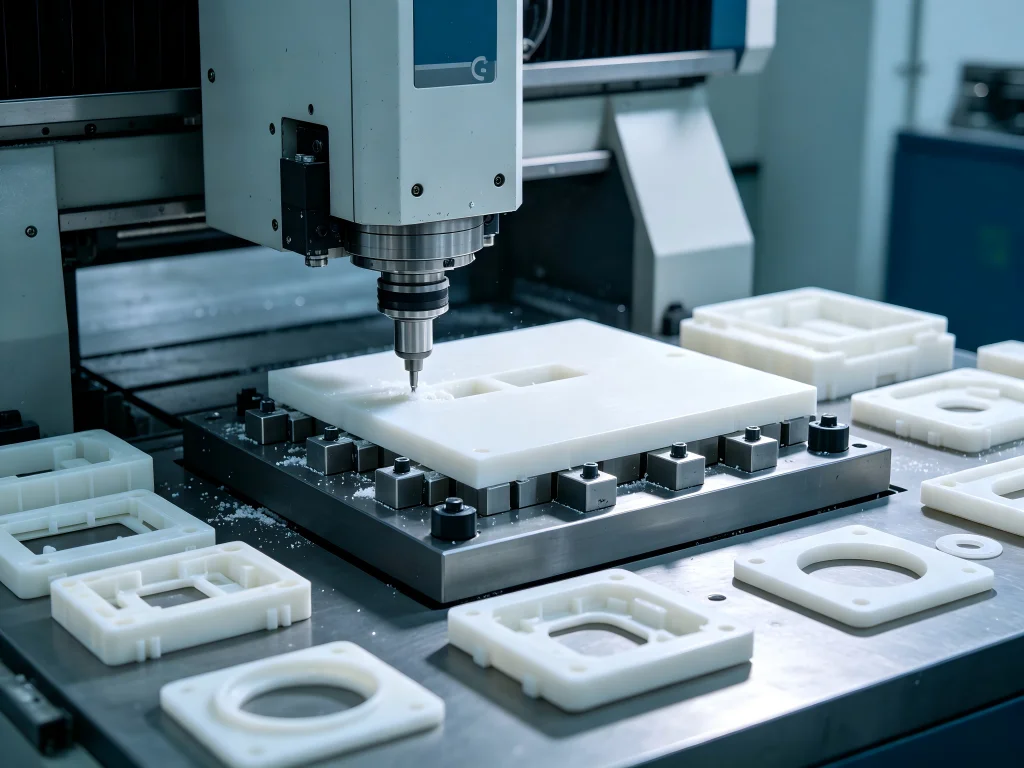
Plastic milling services refer to the computer-controlled removal of material from plastic workpieces using rotating cutting tools. The process begins with a digital 3D model, which is converted into toolpaths that guide the machine’s movements. A CNC milling machine then follows these paths with high precision, carving the desired geometry from a solid block of plastic material.
The fundamental difference between plastic and metal milling lies in how the materials respond to cutting forces. Plastics are viscoelastic—they deform under pressure and retain heat differently than metals. This means that tooling strategies that work beautifully for aluminum could ruin a plastic part through melting, stress cracking, or dimensional instability.
Modern CNC machining centers used for plastic work typically offer three, four, or five axes of movement. Multi-axis capability allows for complex geometries to be machined in a single setup, reducing errors and improving part accuracy. Jucheng Precision, for instance, employs 5-axis machining methods to create high-performance precision components from engineering plastics.
The process workflow for plastic milling services typically follows these steps:
- Design and CAD Modeling: The part geometry is created in CAD software, with consideration for plastic-specific design rules like uniform wall thickness and generous radii.
- CAM Programming: Toolpaths are generated with parameters optimized for the specific plastic material—feed rates, spindle speeds, and stepovers all vary significantly between materials like POM, PEEK, and acrylic.
- Material Preparation: Plastic stock is conditioned to ensure dimensional stability. For hygroscopic materials like nylon, this may involve drying or acclimatization.
- Machining: The CNC machine executes the programmed toolpaths, often with compressed air cooling rather than liquid coolants to prevent material absorption or thermal shock.
- Post-Processing: Parts may require deburring, polishing, or secondary operations like threading or assembly.
Why Choose Plastic Over Metal for CNC Machined Components?
The decision between plastic and metal for CNC machined parts is not always straightforward. Each material class offers distinct advantages that suit different applications.
Weight Reduction: Plastics typically weigh 1/5 to 1/8 as much as metals, making them invaluable in aerospace, automotive, and portable device applications where every gram matters.
Corrosion and Chemical Resistance: Many engineering plastics resist chemicals, moisture, and environmental degradation without the need for protective coatings. This makes them ideal for medical devices, fluid handling components, and outdoor equipment.
Electrical and Thermal Insulation: Plastics are natural insulators, which is why they dominate in electronics housings, connectors, and components where electrical isolation is critical.
Cost Efficiency: Plastic raw materials are generally less expensive than metals, and machining plastics can be faster due to higher allowable cutting speeds. However, this advantage must be balanced against the specialized tooling and expertise required to machine plastics successfully.
Design Flexibility: Plastics can be formulated with specific properties—glass-filled for stiffness, PTFE-filled for low friction, or UV-stabilized for outdoor use. This formulation flexibility allows engineers to tailor material properties to exact application requirements.
That said, metals still outperform plastics in high-temperature environments, extreme load-bearing applications, and where absolute dimensional stability across wide temperature ranges is required. The choice ultimately depends on the specific performance requirements of your application.
Critical Applications of Plastic Milling Services Across Industries
Plastic milling services support a remarkably diverse range of industries. Understanding where and how these services are applied can help you identify whether CNC plastic machining is right for your project.
Medical and Healthcare
The medical industry relies heavily on machined plastic components for devices ranging from surgical instruments to diagnostic equipment. Materials like PEEK, Ultem (PEI), and medical-grade PVC are commonly machined into components that must meet stringent biocompatibility and sterilization requirements. The ability to produce small batches of customized instruments or patient-specific implants makes CNC plastic machining particularly valuable in this sector.
Automotive and Transportation
Modern vehicles contain hundreds of plastic components that were once made from metal. Interior trim, sensor housings, fluid connectors, and lightweight structural components are all candidates for CNC plastic machining. The trend toward vehicle electrification has further increased demand for plastic components that provide electrical insulation and weight reduction.
Aerospace and Defense
Aerospace applications demand materials that combine light weight with high strength and thermal stability. Engineering plastics like PEEK, Torlon, and polyimide are machined into components for aircraft interiors, avionics housings, and lightweight structural elements. The certification requirements in this industry mean that machining partners must demonstrate exceptional quality control and traceability.
Electronics and Semiconductor
Plastics are essential in electronics for their insulating properties, dimensional stability, and ease of machining into complex shapes. Test sockets, connector housings, and wafer handling components are frequently produced through CNC plastic milling. Materials like PEEK, PPS, and PTFE are chosen for their ability to withstand the temperatures and chemicals encountered in semiconductor manufacturing.
Industrial Equipment and Automation
From conveyor components to pump housings, industrial equipment relies on machined plastics for wear parts, seals, and structural components that must resist chemicals, moisture, and mechanical stress. The ability to produce replacement parts quickly through CNC machining minimizes downtime in manufacturing operations.
Consumer Products and Prototyping
Product development teams use CNC plastic milling services to create functional prototypes that closely resemble production parts. This allows for real-world testing of form, fit, and function before committing to expensive injection molding tooling. The rapid turnaround possible with CNC machining accelerates the product development cycle significantly.
How to Select the Right Plastic Milling Service Provider
Choosing a partner for your plastic machining needs involves evaluating several critical factors. Based on discussions in machining forums and feedback from procurement professionals, the following considerations consistently emerge as most important.
Material Capabilities and Expertise
Not all machine shops are equipped to handle the full spectrum of engineering plastics. A provider should demonstrate experience with the specific materials your project requires—whether that is standard thermoplastics like ABS and polycarbonate or high-performance polymers like PEEK, PPS, and PEI. Jucheng Precision, for example, offers machining capabilities across more than 30 plastic materials, including ABS, PVC, polycarbonate, PEEK, nylon, acetal, and PTFE.
Beyond simply listing materials, look for evidence that the provider understands the unique machining characteristics of each. POM (acetal) machines beautifully with minimal burr formation, while nylon requires careful moisture management and PEEK demands specialized tooling due to its abrasiveness. A knowledgeable partner will adjust their approach based on the material, not apply a one-size-fits-all strategy.
Quality Control and Certification
For components that must meet stringent specifications, quality control processes are non-negotiable. Inquire about inspection equipment, measurement protocols, and any relevant certifications. Shops that serve medical, aerospace, or automotive industries typically maintain ISO 9001 or AS9100 certifications and employ rigorous first-article inspection processes.
The importance of proper inspection cannot be overstated. Plastic parts can change dimension due to moisture absorption or stress relaxation after machining. A quality-conscious provider will account for these factors in their inspection and acceptance criteria.
Equipment and Capabilities
The range of equipment a shop possesses directly impacts what they can produce. Multi-axis machining centers allow for complex geometries and reduced setups, which translates to better accuracy and faster turnaround. Additionally, consider whether the shop offers complementary services like surface finishing, assembly, or secondary operations that might be needed for your project.
Lead Times and Production Volume
Your project timeline and volume requirements should align with the provider’s capabilities. Some shops specialize in rapid prototyping with quick turnaround, while others are optimized for production runs. Discuss your expectations upfront and ensure the provider can meet both your quality and schedule requirements.
Communication and Technical Support
Machining plastics requires more design consideration than metals. The best providers offer design for manufacturability (DFM) feedback early in the process, helping you optimize your design for cost and quality. Look for a partner who asks questions about your application, material requirements, and performance expectations—this engagement typically signals genuine expertise.
Comparing Plastic Milling Service Providers: What to Look For
When evaluating potential partners for your plastic machining project, a structured comparison helps clarify the differences between providers. The table below outlines key criteria to consider.
| Selection Criteria | What to Look For | Why It Matters |
|---|---|---|
| Material Range | Broad selection including engineering plastics (PEEK, PEI, PPS, nylon, acetal, PTFE) | Ensures the provider can match material to your specific performance requirements |
| Machining Capabilities | Multi-axis CNC milling (3, 4, or 5-axis), turning, and secondary operations | Enables complex geometries and reduces handling errors |
| Quality Systems | ISO certification, inspection equipment, documented quality processes | Provides confidence in dimensional accuracy and repeatability |
| Industry Experience | Proven track record in your industry (medical, automotive, aerospace, etc.) | Indicates understanding of industry-specific requirements and standards |
| Lead Times | Transparent scheduling with realistic delivery commitments | Helps you plan production timelines and avoid costly delays |
| Technical Support | DFM feedback, material recommendations, design optimization assistance | Prevents issues before machining begins and reduces overall project cost |
Many procurement professionals in online forums emphasize that the lowest price is rarely the best value when it comes to precision plastic machining. The cost of scrapped parts, delayed deliveries, or components that fail in service far outweighs any initial savings from choosing a less capable provider.
Installation and Maintenance Considerations for Machined Plastic Components
Proper installation and maintenance of machined plastic parts requires understanding how plastics behave differently from metals. These considerations, often overlooked in the design phase, can significantly impact component longevity and performance.
Installation Best Practices
Thermal Expansion: Plastics expand and contract more than metals with temperature changes. Allow adequate clearance for thermal movement in assemblies, particularly where plastic components are fastened to metal structures.
Fastening and Clamping: Over-tightening fasteners can crack plastic parts or cause stress that leads to premature failure. Use torque-limited tools and consider incorporating inserts or shoulder bolts to distribute clamping forces evenly.
Chemical Compatibility: Some plastics are susceptible to stress cracking when exposed to certain chemicals—even common ones like alcohols or cleaning agents. Verify chemical compatibility between your plastic material and any substances it may contact in service.
Ongoing Maintenance
Moisture Management: Hygroscopic plastics like nylon and polycarbonate absorb moisture from the air, which can cause dimensional changes. In critical applications, consider environmental controls or design for the expected moisture content.
Wear Monitoring: Plastic components in moving assemblies will wear over time. Establish inspection intervals based on application criticality and replace parts before they reach unacceptable wear levels.
Cleaning: Use cleaning methods and chemicals that are compatible with your plastic material. Abrasive cleaning can damage surface finishes, while aggressive solvents can cause chemical attack or stress cracking.
Frequently Asked Questions About Plastic Milling Services
What plastics can be CNC milled?
Most engineering thermoplastics can be CNC machined, including ABS, polycarbonate, acrylic (PMMA), POM (acetal/Delrin), nylon (PA), PEEK, PEI (Ultem), PPS, PTFE (Teflon), PVC, and polypropylene. The machinability varies significantly between materials—acetal machines exceptionally well, while glass-filled nylons are highly abrasive and require specialized tooling.
How does plastic CNC machining compare to injection molding?
CNC machining is ideal for prototyping, low-to-medium volume production, and parts with complex geometries that would be challenging or expensive to mold. Injection molding becomes more cost-effective at higher volumes once tooling costs are amortized. Many product development teams use CNC machining for prototypes and bridge tooling, then transition to injection molding for full production.
What tolerances can plastic milling achieve?
With proper tooling and process control, CNC plastic milling can achieve tolerances of ±0.005 inches (±0.127 mm) or better for many materials. However, tolerance capability depends on the material, part geometry, and environmental factors. Hygroscopic materials like nylon may require moisture-conditioned inspection to verify dimensions reliably.
How much do plastic milling services cost?
Costs vary widely based on material selection, part complexity, quantity, and required tolerances. Setup costs, programming time, and material costs all contribute to the final price. For accurate pricing, it is best to provide detailed 3D models and specifications to potential providers for quoting. Many shops offer rapid quoting services that can provide estimates within 24-48 hours.
Can plastic parts be machined to the same quality as metal parts?
Yes, plastic parts can achieve the same or better surface finishes and dimensional accuracy as metal parts when machined with appropriate strategies. However, the machining approach differs significantly—plastics require sharper tools, higher speeds, and careful heat management compared to metals. The quality outcome depends more on the machinist’s expertise with plastics than on the inherent capabilities of the material.
What are the common challenges in plastic CNC machining?
The most frequent challenges include heat generation leading to melting or warping, chip management (plastics produce long, stringy chips that can wrap around tools), material stress from clamping, and moisture absorption affecting dimensions. Experienced shops address these through specialized tooling, compressed air cooling, careful fixturing, and material conditioning protocols.
How do I choose between different plastic materials for my CNC project?
Material selection should be driven by your application requirements: mechanical properties (strength, stiffness, impact resistance), thermal properties (service temperature, heat deflection), chemical resistance, electrical properties, and cost. Consult with your machining partner early—they can recommend materials based on your performance requirements and their machining experience.
What surface finishes are available for machined plastic parts?
Plastic parts can be finished in multiple ways, including as-machined (Ra 3.2 μm), smooth finish (Ra 1.6 μm), fine machining (Ra 0.8 μm), and polishing for optical clarity. Additional finishing options include sandblasting, silk-screening, painting, and bead blasting. The achievable finish depends on the material—acrylic can be polished to optical clarity, while glass-filled materials naturally have a rougher surface.
How long does plastic CNC machining take?
Lead times depend on part complexity, quantity, and the shop’s current workload. Simple prototypes can often be produced in 3-5 business days, while complex production orders may require 2-4 weeks. Many shops offer expedited services for urgent projects. Discuss your timeline requirements during the quoting process to ensure alignment.
Is CNC plastic machining suitable for large parts?
Yes, CNC machining can accommodate large plastic parts, with some shops offering machining envelopes of 6 feet by 10 feet or larger. However, larger parts require careful consideration of material stability, fixturing, and thermal management to maintain dimensional accuracy across the entire part.
Why Jucheng Precision Stands Out in Plastic Milling Services
Jucheng Precision has established itself as a trusted partner for CNC plastic machining across multiple industries. The company’s approach combines technical expertise with a commitment to quality that addresses the specific challenges of machining engineering plastics.
Comprehensive Material Capabilities: With experience across more than 30 plastic materials, Jucheng can recommend and machine the optimal material for your application. From common thermoplastics like ABS and polycarbonate to high-performance polymers like PEEK, PPS, and PEI, the company’s material knowledge ensures that your components are machined with the right strategies for the material.
Advanced Multi-Axis Machining: Jucheng employs 3, 4, and 5-axis CNC machining centers capable of producing complex geometries with tight tolerances. Multi-axis capability reduces setups, improves accuracy, and enables features that would be impossible with simpler machines. For applications requiring micromachining or intricate details, the company’s capabilities extend to micro-milling and turning.
Integrated Finishing Services: Beyond machining, Jucheng offers a comprehensive range of finishing services including polishing, sandblasting, silk-screening, painting, and assembly. This integration means your parts can move from raw material to finished component without the delays and coordination challenges of multiple suppliers.
Quality-First Approach: The company’s processes are designed to address the unique challenges of plastic machining—moisture management for hygroscopic materials, heat control strategies to prevent melting and warping, and specialized tooling for abrasive materials like glass-filled nylons. This technical depth, documented in the company’s machining guides, reflects a genuine commitment to quality rather than marketing claims.
Prototype to Production Flexibility: Whether you need a single functional prototype or a production run of thousands of parts, Jucheng’s capabilities scale to meet your needs. The company’s experience with both low-volume and high-volume production ensures consistency across the product development lifecycle. For projects that eventually transition to injection molding, Jucheng’s CNC-machined prototypes provide accurate validation before tooling commitments.
Discussions in manufacturing forums consistently highlight the importance of partnering with a shop that truly understands plastics—not one that simply applies metal-machining techniques to plastic materials. Jucheng’s documented expertise in plastic-specific challenges, from nylon moisture management to the abrasiveness of glass-filled materials, positions the company as a knowledgeable partner for demanding plastic machining projects.
Making Your Decision: Partnering for Plastic Machining Success
Selecting a provider for plastic milling services is a decision that affects not just your current project but your product development pipeline and supply chain reliability. The right partner brings more than machining capacity—they bring material expertise, design guidance, and a quality mindset that prevents problems before they occur.
As you evaluate potential partners, consider the full picture: material capabilities that match your needs, equipment that can handle your geometries, quality systems that ensure consistency, and a team that asks the right questions about your application. These factors, combined, determine whether your machined plastic components will perform as expected in service.
For projects that demand precision, reliability, and technical expertise, Jucheng Precision offers the capabilities and experience to deliver quality plastic components from prototype through production. The company’s commitment to understanding the unique behavior of engineering plastics ensures that your parts are machined with the strategies that preserve material properties and achieve your dimensional requirements.
To discuss your plastic machining project or request a quote, visit Jucheng Precision’s website or contact their technical team directly. Whether you are developing a medical device, an automotive component, or an industrial application, the right plastic machining partner can make the difference between a successful project and a costly lesson.