
Quando il tuo progetto richiede componenti in plastica complessi con tolleranze strette, servizi di fresatura per plastica offrono la precisione e la versatilità richieste dalla produzione moderna. A differenza della lavorazione dei metalli, lavorare con le materie plastiche tecniche presenta sfide uniche: sensibilità al calore, memoria del materiale e gestione dei trucioli richiedono tutte competenze specialistiche. Che tu stia realizzando il prototipo di un dispositivo medico o scalando la produzione per componenti automobilistici, capire come selezionare e collaborare con un partner di lavorazione CNC per plastica può fare la differenza tra il successo del progetto e costosi ritardi. Questa guida si basa su discussioni di settore provenienti dai forum di lavorazione meccanica e sull'esperienza reale in officina per aiutarti a orientarti nel complesso panorama dei servizi CNC per plastica.
Cosa sono i servizi di fresatura per plastica e come funzionano?
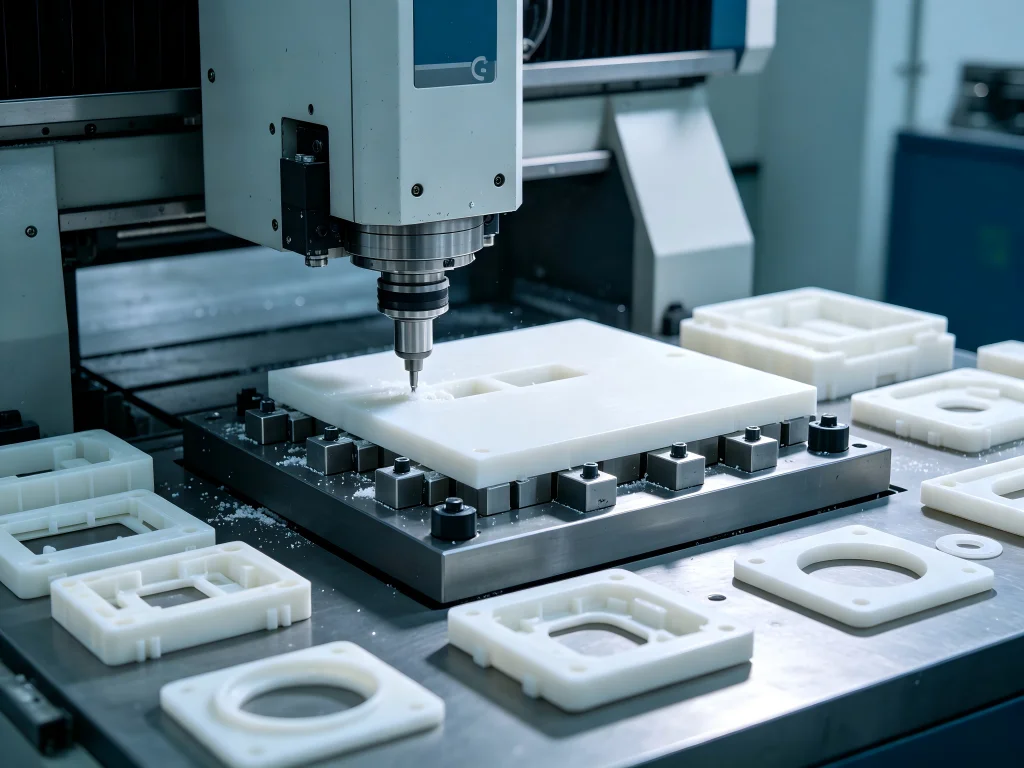
I servizi di fresatura per plastica si riferiscono alla rimozione controllata da computer di materiale da pezzi in plastica mediante utensili da taglio rotanti. Il processo inizia con un modello 3D digitale, che viene convertito in percorsi utensile che guidano i movimenti della macchina. Una fresatrice CNC segue poi questi percorsi con elevata precisione, scolpendo la geometria desiderata da un blocco solido di materiale plastico.
La differenza fondamentale tra la fresatura della plastica e quella del metallo risiede in come i materiali reagiscono alle forze di taglio. Le materie plastiche sono viscoelastiche: si deformano sotto pressione e trattengono il calore in modo diverso rispetto ai metalli. Ciò significa che strategie di utensileria che funzionano perfettamente per l'alluminio potrebbero rovinare un pezzo in plastica a causa di fusione, cricche da stress o instabilità dimensionale.
I moderni centri di lavorazione CNC utilizzati per la plastica offrono tipicamente tre, quattro o cinque assi di movimento. La capacità multiasse consente di lavorare geometrie complesse in un'unica configurazione, riducendo gli errori e migliorando l'accuratezza del pezzo. Jucheng Precision, ad esempio, impiega metodi di lavorazione a 5 assi per creare componenti di precisione ad alte prestazioni in materie plastiche tecniche.
Il flusso di lavoro del processo per i servizi di fresatura per plastica segue tipicamente queste fasi:
- Progettazione e modellazione CAD: La geometria del pezzo viene creata in software CAD, tenendo conto delle regole di progettazione specifiche per la plastica come spessore di parete uniforme e raggi generosi.
- Programmazione CAM: I percorsi utensile vengono generati con parametri ottimizzati per lo specifico materiale plastico: velocità di avanzamento, velocità del mandrino e passate laterali variano significativamente tra materiali come POM, PEEK e acrilico.
- Preparazione del materiale: Il materiale plastico grezzo viene condizionato per garantirne la stabilità dimensionale. Per materiali igroscopici come il nylon, ciò può comportare essiccazione o acclimatazione.
- Lavorazione meccanica: La macchina CNC esegue i percorsi utensile programmati, spesso con raffreddamento ad aria compressa anziché refrigeranti liquidi per prevenire l'assorbimento di materiale o lo shock termico.
- Post-lavorazione: I pezzi possono richiedere sbavatura, lucidatura o operazioni secondarie come filettatura o assemblaggio.
Perché scegliere la plastica invece del metallo per i componenti lavorati a CNC?
La scelta tra plastica e metallo per i pezzi lavorati a CNC non è sempre semplice. Ogni classe di materiale offre vantaggi distinti che si adattano a diverse applicazioni.
Riduzione del peso: Le plastiche pesano tipicamente da 1/5 a 1/8 rispetto ai metalli, il che le rende preziose nei settori aerospaziale, automobilistico e nei dispositivi portatili, dove ogni grammo conta.
Resistenza alla corrosione e agli agenti chimici: Molte plastiche tecniche resistono agli agenti chimici, all'umidità e al degrado ambientale senza necessità di rivestimenti protettivi. Ciò le rende ideali per dispositivi medici, componenti per la gestione dei fluidi e attrezzature per esterni.
Isolamento elettrico e termico: Le plastiche sono isolanti naturali, motivo per cui dominano negli alloggiamenti elettronici, nei connettori e nei componenti in cui l'isolamento elettrico è fondamentale.
Efficienza dei costi: Le materie prime plastiche sono generalmente meno costose dei metalli e la lavorazione delle plastiche può essere più rapida grazie alle maggiori velocità di taglio consentite. Tuttavia, questo vantaggio deve essere bilanciato con l'attrezzatura specializzata e l'esperienza necessarie per lavorare con successo le plastiche.
Flessibilità progettuale: Le materie plastiche possono essere formulate con proprietà specifiche: rinforzate con fibra di vetro per la rigidità, riempite con PTFE per un basso attrito o stabilizzate agli UV per l'uso all'aperto. Questa flessibilità di formulazione consente agli ingegneri di adattare le proprietà del materiale alle esigenze applicative esatte.
Detto questo, i metalli superano ancora le materie plastiche in ambienti ad alta temperatura, in applicazioni con carichi estremi e dove è richiesta una stabilità dimensionale assoluta su ampi intervalli di temperatura. La scelta dipende in ultima analisi dai requisiti prestazionali specifici della vostra applicazione.
Applicazioni critiche dei servizi di fresatura della plastica in diversi settori
I servizi di fresatura della plastica supportano una gamma straordinariamente diversificata di settori. Comprendere dove e come vengono applicati questi servizi può aiutarvi a determinare se la lavorazione CNC della plastica è adatta al vostro progetto.
Medicale e sanitario
Il settore medicale si affida fortemente a componenti in plastica lavorati per dispositivi che vanno dagli strumenti chirurgici alle apparecchiature diagnostiche. Materiali come PEEK, Ultem (PEI) e PVC per uso medicale vengono comunemente lavorati in componenti che devono soddisfare severi requisiti di biocompatibilità e sterilizzazione. La capacità di produrre piccoli lotti di strumenti personalizzati o impianti specifici per il paziente rende la lavorazione CNC della plastica particolarmente preziosa in questo settore.
Automotive e trasporti
I veicoli moderni contengono centinaia di componenti in plastica che un tempo erano realizzati in metallo. Rivestimenti interni, alloggiamenti di sensori, connettori per fluidi e componenti strutturali leggeri sono tutti candidati alla lavorazione CNC della plastica. La tendenza verso l'elettrificazione dei veicoli ha ulteriormente aumentato la domanda di componenti in plastica che forniscono isolamento elettrico e riduzione del peso.
Aerospazio e Difesa
Le applicazioni aerospaziali richiedono materiali che combinino leggerezza con elevata resistenza e stabilità termica. Le plastiche tecniche come PEEK, Torlon e poliimmide vengono lavorate in componenti per interni di aeromobili, alloggiamenti di avionica ed elementi strutturali leggeri. I requisiti di certificazione in questo settore implicano che i partner di lavorazione debbano dimostrare un controllo qualità e una tracciabilità eccezionali.
Elettronica e semiconduttori
Le materie plastiche sono essenziali nell'elettronica per le loro proprietà isolanti, la stabilità dimensionale e la facilità di lavorazione in forme complesse. Prese di test, alloggiamenti di connettori e componenti per la movimentazione dei wafer sono spesso prodotti tramite fresatura CNC della plastica. Materiali come PEEK, PPS e PTFE vengono scelti per la loro capacità di resistere alle temperature e alle sostanze chimiche incontrate nella produzione di semiconduttori.
Attrezzature industriali e automazione
Dai componenti per trasportatori agli alloggiamenti delle pompe, le attrezzature industriali si affidano alle plastiche lavorate per parti soggette a usura, guarnizioni e componenti strutturali che devono resistere a sostanze chimiche, umidità e sollecitazioni meccaniche. La capacità di produrre rapidamente pezzi di ricambio tramite lavorazione CNC riduce al minimo i tempi di fermo nelle operazioni di produzione.
Prodotti di consumo e prototipazione
I team di sviluppo prodotto utilizzano i servizi di fresatura CNC della plastica per creare prototipi funzionali che assomigliano molto ai pezzi di produzione. Ciò consente test nel mondo reale di forma, accoppiamento e funzione prima di impegnarsi in costose attrezzature per lo stampaggio a iniezione. La rapida esecuzione possibile con la lavorazione CNC accelera significativamente il ciclo di sviluppo del prodotto.
How to Select the Right Plastic Milling Service Provider
Choosing a partner for your plastic machining needs involves evaluating several critical factors. Based on discussions in machining forums and feedback from procurement professionals, the following considerations consistently emerge as most important.
Material Capabilities and Expertise
Not all machine shops are equipped to handle the full spectrum of engineering plastics. A provider should demonstrate experience with the specific materials your project requires—whether that is standard thermoplastics like ABS and polycarbonate or high-performance polymers like PEEK, PPS, and PEI. Jucheng Precision, for example, offers machining capabilities across more than 30 plastic materials, including ABS, PVC, polycarbonate, PEEK, nylon, acetal, and PTFE.
Beyond simply listing materials, look for evidence that the provider understands the unique machining characteristics of each. POM (acetal) machines beautifully with minimal burr formation, while nylon requires careful moisture management and PEEK demands specialized tooling due to its abrasiveness. A knowledgeable partner will adjust their approach based on the material, not apply a one-size-fits-all strategy.
Quality Control and Certification
For components that must meet stringent specifications, quality control processes are non-negotiable. Inquire about inspection equipment, measurement protocols, and any relevant certifications. Shops that serve medical, aerospace, or automotive industries typically maintain ISO 9001 or AS9100 certifications and employ rigorous first-article inspection processes.
The importance of proper inspection cannot be overstated. Plastic parts can change dimension due to moisture absorption or stress relaxation after machining. A quality-conscious provider will account for these factors in their inspection and acceptance criteria.
Equipment and Capabilities
The range of equipment a shop possesses directly impacts what they can produce. Multi-axis machining centers allow for complex geometries and reduced setups, which translates to better accuracy and faster turnaround. Additionally, consider whether the shop offers complementary services like surface finishing, assembly, or secondary operations that might be needed for your project.
Lead Times and Production Volume
Your project timeline and volume requirements should align with the provider’s capabilities. Some shops specialize in rapid prototyping with quick turnaround, while others are optimized for production runs. Discuss your expectations upfront and ensure the provider can meet both your quality and schedule requirements.
Communication and Technical Support
Machining plastics requires more design consideration than metals. The best providers offer design for manufacturability (DFM) feedback early in the process, helping you optimize your design for cost and quality. Look for a partner who asks questions about your application, material requirements, and performance expectations—this engagement typically signals genuine expertise.
Comparing Plastic Milling Service Providers: What to Look For
When evaluating potential partners for your plastic machining project, a structured comparison helps clarify the differences between providers. The table below outlines key criteria to consider.
| Selection Criteria | What to Look For | Why It Matters |
|---|---|---|
| Material Range | Broad selection including engineering plastics (PEEK, PEI, PPS, nylon, acetal, PTFE) | Ensures the provider can match material to your specific performance requirements |
| Machining Capabilities | Multi-axis CNC milling (3, 4, or 5-axis), turning, and secondary operations | Enables complex geometries and reduces handling errors |
| Quality Systems | ISO certification, inspection equipment, documented quality processes | Provides confidence in dimensional accuracy and repeatability |
| Industry Experience | Proven track record in your industry (medical, automotive, aerospace, etc.) | Indicates understanding of industry-specific requirements and standards |
| Lead Times | Transparent scheduling with realistic delivery commitments | Helps you plan production timelines and avoid costly delays |
| Technical Support | DFM feedback, material recommendations, design optimization assistance | Prevents issues before machining begins and reduces overall project cost |
Many procurement professionals in online forums emphasize that the lowest price is rarely the best value when it comes to precision plastic machining. The cost of scrapped parts, delayed deliveries, or components that fail in service far outweighs any initial savings from choosing a less capable provider.
Installation and Maintenance Considerations for Machined Plastic Components
Proper installation and maintenance of machined plastic parts requires understanding how plastics behave differently from metals. These considerations, often overlooked in the design phase, can significantly impact component longevity and performance.
Installation Best Practices
Dilatazione termica: Plastics expand and contract more than metals with temperature changes. Allow adequate clearance for thermal movement in assemblies, particularly where plastic components are fastened to metal structures.
Fastening and Clamping: Over-tightening fasteners can crack plastic parts or cause stress that leads to premature failure. Use torque-limited tools and consider incorporating inserts or shoulder bolts to distribute clamping forces evenly.
Chemical Compatibility: Some plastics are susceptible to stress cracking when exposed to certain chemicals—even common ones like alcohols or cleaning agents. Verify chemical compatibility between your plastic material and any substances it may contact in service.
Ongoing Maintenance
Gestione dell'umidità: Hygroscopic plastics like nylon and polycarbonate absorb moisture from the air, which can cause dimensional changes. In critical applications, consider environmental controls or design for the expected moisture content.
Wear Monitoring: Plastic components in moving assemblies will wear over time. Establish inspection intervals based on application criticality and replace parts before they reach unacceptable wear levels.
Cleaning: Use cleaning methods and chemicals that are compatible with your plastic material. Abrasive cleaning can damage surface finishes, while aggressive solvents can cause chemical attack or stress cracking.
Frequently Asked Questions About Plastic Milling Services
What plastics can be CNC milled?
Most engineering thermoplastics can be CNC machined, including ABS, polycarbonate, acrylic (PMMA), POM (acetal/Delrin), nylon (PA), PEEK, PEI (Ultem), PPS, PTFE (Teflon), PVC, and polypropylene. The machinability varies significantly between materials—acetal machines exceptionally well, while glass-filled nylons are highly abrasive and require specialized tooling.
How does plastic CNC machining compare to injection molding?
CNC machining is ideal for prototyping, low-to-medium volume production, and parts with complex geometries that would be challenging or expensive to mold. Injection molding becomes more cost-effective at higher volumes once tooling costs are amortized. Many product development teams use CNC machining for prototypes and bridge tooling, then transition to injection molding for full production.
What tolerances can plastic milling achieve?
With proper tooling and process control, CNC plastic milling can achieve tolerances of ±0.005 inches (±0.127 mm) or better for many materials. However, tolerance capability depends on the material, part geometry, and environmental factors. Hygroscopic materials like nylon may require moisture-conditioned inspection to verify dimensions reliably.
How much do plastic milling services cost?
Costs vary widely based on material selection, part complexity, quantity, and required tolerances. Setup costs, programming time, and material costs all contribute to the final price. For accurate pricing, it is best to provide detailed 3D models and specifications to potential providers for quoting. Many shops offer rapid quoting services that can provide estimates within 24-48 hours.
Can plastic parts be machined to the same quality as metal parts?
Yes, plastic parts can achieve the same or better surface finishes and dimensional accuracy as metal parts when machined with appropriate strategies. However, the machining approach differs significantly—plastics require sharper tools, higher speeds, and careful heat management compared to metals. The quality outcome depends more on the machinist’s expertise with plastics than on the inherent capabilities of the material.
What are the common challenges in plastic CNC machining?
The most frequent challenges include heat generation leading to melting or warping, chip management (plastics produce long, stringy chips that can wrap around tools), material stress from clamping, and moisture absorption affecting dimensions. Experienced shops address these through specialized tooling, compressed air cooling, careful fixturing, and material conditioning protocols.
How do I choose between different plastic materials for my CNC project?
Material selection should be driven by your application requirements: mechanical properties (strength, stiffness, impact resistance), thermal properties (service temperature, heat deflection), chemical resistance, electrical properties, and cost. Consult with your machining partner early—they can recommend materials based on your performance requirements and their machining experience.
What surface finishes are available for machined plastic parts?
Plastic parts can be finished in multiple ways, including as-machined (Ra 3.2 μm), smooth finish (Ra 1.6 μm), fine machining (Ra 0.8 μm), and polishing for optical clarity. Additional finishing options include sandblasting, silk-screening, painting, and bead blasting. The achievable finish depends on the material—acrylic can be polished to optical clarity, while glass-filled materials naturally have a rougher surface.
How long does plastic CNC machining take?
Lead times depend on part complexity, quantity, and the shop’s current workload. Simple prototypes can often be produced in 3-5 business days, while complex production orders may require 2-4 weeks. Many shops offer expedited services for urgent projects. Discuss your timeline requirements during the quoting process to ensure alignment.
Is CNC plastic machining suitable for large parts?
Yes, CNC machining can accommodate large plastic parts, with some shops offering machining envelopes of 6 feet by 10 feet or larger. However, larger parts require careful consideration of material stability, fixturing, and thermal management to maintain dimensional accuracy across the entire part.
Why Jucheng Precision Stands Out in Plastic Milling Services
Jucheng Precision has established itself as a trusted partner for CNC plastic machining across multiple industries. The company’s approach combines technical expertise with a commitment to quality that addresses the specific challenges of machining engineering plastics.
Comprehensive Material Capabilities: With experience across more than 30 plastic materials, Jucheng can recommend and machine the optimal material for your application. From common thermoplastics like ABS and polycarbonate to high-performance polymers like PEEK, PPS, and PEI, the company’s material knowledge ensures that your components are machined with the right strategies for the material.
Advanced Multi-Axis Machining: Jucheng employs 3, 4, and 5-axis CNC machining centers capable of producing complex geometries with tight tolerances. Multi-axis capability reduces setups, improves accuracy, and enables features that would be impossible with simpler machines. For applications requiring micromachining or intricate details, the company’s capabilities extend to micro-milling and turning.
Integrated Finishing Services: Beyond machining, Jucheng offers a comprehensive range of finishing services including polishing, sandblasting, silk-screening, painting, and assembly. This integration means your parts can move from raw material to finished component without the delays and coordination challenges of multiple suppliers.
Quality-First Approach: The company’s processes are designed to address the unique challenges of plastic machining—moisture management for hygroscopic materials, heat control strategies to prevent melting and warping, and specialized tooling for abrasive materials like glass-filled nylons. This technical depth, documented in the company’s machining guides, reflects a genuine commitment to quality rather than marketing claims.
Prototype to Production Flexibility: Whether you need a single functional prototype or a production run of thousands of parts, Jucheng’s capabilities scale to meet your needs. The company’s experience with both low-volume and high-volume production ensures consistency across the product development lifecycle. For projects that eventually transition to injection molding, Jucheng’s CNC-machined prototypes provide accurate validation before tooling commitments.
Discussions in manufacturing forums consistently highlight the importance of partnering with a shop that truly understands plastics—not one that simply applies metal-machining techniques to plastic materials. Jucheng’s documented expertise in plastic-specific challenges, from nylon moisture management to the abrasiveness of glass-filled materials, positions the company as a knowledgeable partner for demanding plastic machining projects.
Making Your Decision: Partnering for Plastic Machining Success
Selecting a provider for servizi di fresatura per plastica is a decision that affects not just your current project but your product development pipeline and supply chain reliability. The right partner brings more than machining capacity—they bring material expertise, design guidance, and a quality mindset that prevents problems before they occur.
As you evaluate potential partners, consider the full picture: material capabilities that match your needs, equipment that can handle your geometries, quality systems that ensure consistency, and a team that asks the right questions about your application. These factors, combined, determine whether your machined plastic components will perform as expected in service.
For projects that demand precision, reliability, and technical expertise, Jucheng Precision offers the capabilities and experience to deliver quality plastic components from prototype through production. The company’s commitment to understanding the unique behavior of engineering plastics ensures that your parts are machined with the strategies that preserve material properties and achieve your dimensional requirements.
To discuss your plastic machining project or request a quote, visit Jucheng Precision’s website or contact their technical team directly. Whether you are developing a medical device, an automotive component, or an industrial application, the right plastic machining partner can make the difference between a successful project and a costly lesson.