machining teflon solutions are available with stable quality control, flexible manufacturing capacity, and responsive technical support. Contact us for drawings review and quotation.

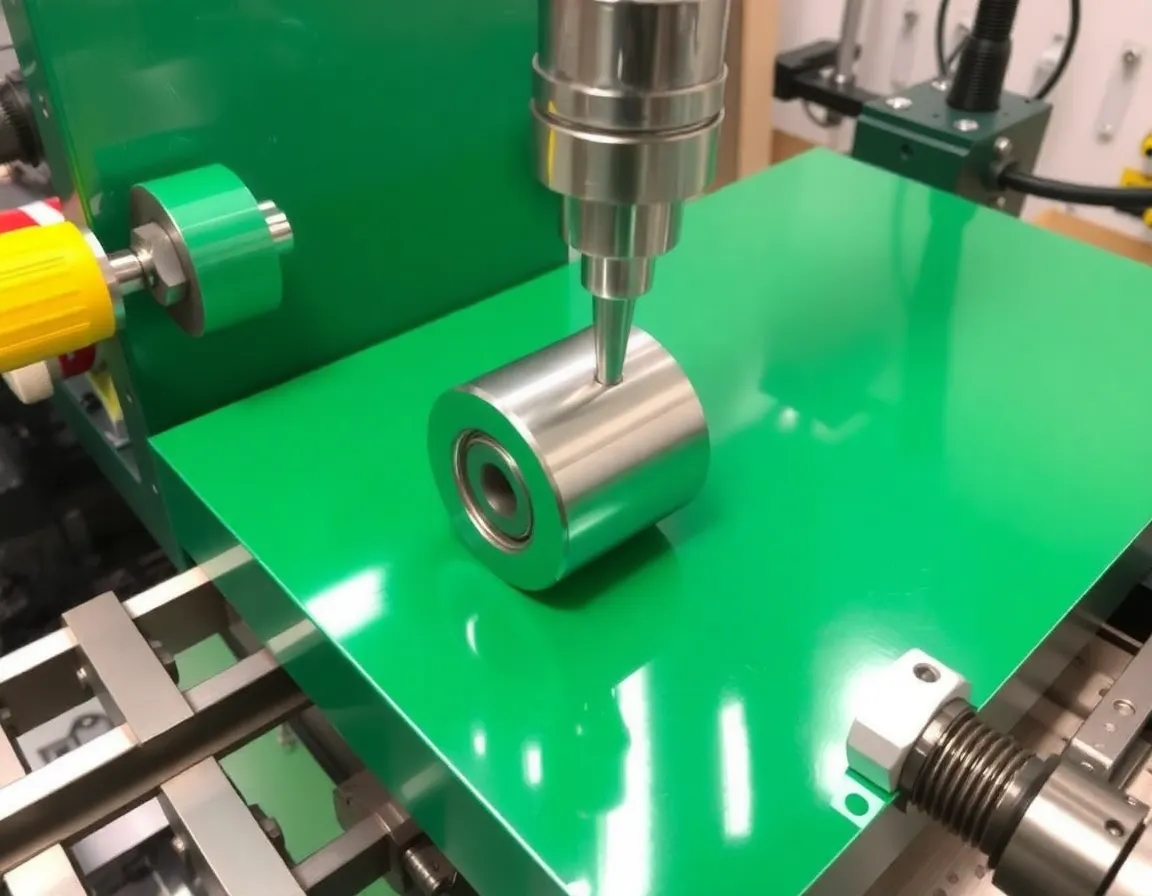
安定した品質管理によるテフロン (PTFE) の専門的な CNC 加工。迅速な技術サポート、柔軟な生産能力、無料のお見積もりレビューを。machining teflon
Finished parts withstand harsh chemicals and extreme temperatures reliably.
Machined components maintain precise shape and size with minimal warping.
Parts reduce wear, prevent material adhesion, and require no lubrication.
Soft material allows for high-speed machining, reducing production time and cost.
machining teflon solutions are available with stable quality control, flexible manufacturing capacity, and responsive technical support. Contact us for drawings review and quotation.
テフロンの機械加工とは、CNCフライス盤、旋盤、ルーターなどの工具を用いて、固体のPTFE(ポリテトラフルオロエチレン)素材から部品を切断、成形、仕上げするプロセスです。射出成形とは異なり、機械加工は試作品、カスタム部品、および少量から中量の生産に最適です。このプロセスは、シール、ガスケット、ブッシング、絶縁体、実験室機器の部品などの重要な部品を製造するために使用されます。テフロンは軟質の非金属材料であるため、材料を変形させることなく精密な寸法と微細な表面仕上げを実現するには、特殊な機械加工技術が必要です。このため、特定の、しばしば複雑な形状においてPTFEの独自の特性を必要とする業界にとって、頼りになる方法となっています。.
テフロンの機械加工には、その独特な特性を扱うための特定の技術が必要です。これは軟らかく変形しやすい材料で熱膨張率が高いため、切れ味の良い高速度鋼または超硬工具を使用し、高い切削速度と低い送り速度で加工して、溶着や引き裂きのないきれいな切削を実現する必要があります。一般にクーラントは不要ですが、切りくずの除去と熱の制御のために圧縮空気がよく使用されます。CNC機械加工は、その精度と再現性の高さから好まれます。工程は通常、PTFEの棒材、板材、または管材のソリッド材から始まります。機械加工者は材料のスプリングバックを考慮し、部品を歪ませずに支持する適切な治具を使用して、最終部品が厳しい公差を満たし、その用途に必要な表面品質を備えるようにする必要があります。.
機械加工されたテフロン部品は、PTFEの伝説的な特性をカスタム形状で余すところなく提供します。主な利点には、卓越した耐薬品性、非常に低い摩擦係数(部品を自己潤滑性にする)、優れた電気絶縁性、そして-450°Fから500°Fまでの広い動作温度範囲が含まれます。機械加工により、成形では不可能かコストがかかりすぎる可能性のある複雑で高精度な部品の作製が可能になります。これは試作品やカスタム設計に最適で、金型投資なしで迅速な反復を可能にします。このプロセスはまた、バージンPTFE固有の非粘着性と生体適合性を保持します。この組み合わせにより、機械加工されたテフロンは航空宇宙、半導体、医薬品、食品加工といった要求の厳しい産業において不可欠なものとなっています。.
While advantageous, machining Teflon presents specific challenges. Its softness and low thermal conductivity can lead to deformation, poor surface finish, and heat buildup if not machined correctly. It has a high coefficient of thermal expansion, meaning parts can change size significantly with temperature swings during and after machining, affecting tolerance control. The material can also be prone to creep or cold flow under sustained pressure. To mitigate these issues, experienced machinists use very sharp tools, precise and rigid fixturing, and optimized speeds and feeds. Understanding the grade of PTFE (e.g., virgin, glass-filled, carbon-filled) is also crucial, as fillers can dramatically alter machinability and final part performance for specific applications.
The process typically begins with you providing a drawing or 3D CAD model of your part, along with material specifications (grade of PTFE) and quantity. The machine shop will then analyze the design for manufacturability, provide a quote, and lead time. Pricing is not based on material cost alone; it's driven by part complexity, required tolerances, surface finish, order quantity, and the specific machining time. Prototypes and low volumes have a higher per-part cost due to setup, while larger runs benefit from economies of scale. You can expect transparent quotes that break down these factors. Reputable shops will guide you through material selection and design optimizations to ensure you get a functional, cost-effective part that leverages the full benefits of machining Teflon.
Our lab needed custom Teflon components for a chemical analysis device. The precision machining was
Great experience overall. They machined several PFA (a type of Teflon) insulators for us. The qualit
I run a small prototyping shop and outsourced some complex Teflon sealing rings. I was worried about
Ordered machined PTFE spacers for an electrical application. The dielectric properties were preserve