machining teflon solutions are available with stable quality control, flexible manufacturing capacity, and responsive technical support. Contact us for drawings review and quotation.

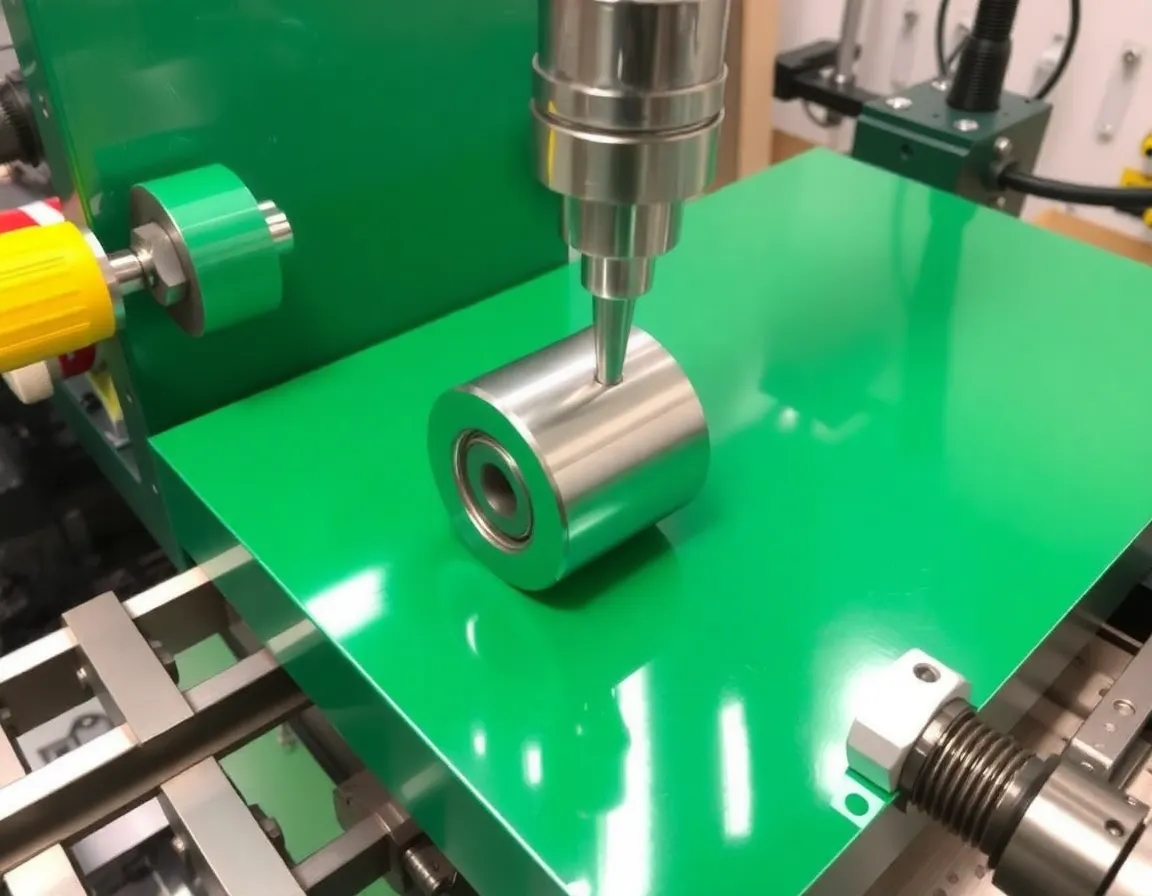
تصنيع CNC احترافي لتفلون (PTFE) مع مراقبة جودة مستقرة. احصل على دعم فني سريع الاستجابة، وقدرة إنتاجية مرنة، ومراجعة عرض أسعار مجانية. تصنيع تفлон
Finished parts withstand harsh chemicals and extreme temperatures reliably.
Machined components maintain precise shape and size with minimal warping.
Parts reduce wear, prevent material adhesion, and require no lubrication.
Soft material allows for high-speed machining, reducing production time and cost.
machining teflon solutions are available with stable quality control, flexible manufacturing capacity, and responsive technical support. Contact us for drawings review and quotation.
إن تصنيع التفلون هو عملية قطع وتشكيل وتشطيب الأجزاء من مخزون PTFE (بولي تترافلوروإيثيلين) الصلب باستخدام أدوات مثل ماكينات التفريز CNC والمخارط والراوترات. وخلافًا للقولبة بالحقن، يُعد التصنيع الآلي مثاليًا لإنشاء النماذج الأولية والمكونات المخصصة ودورات الإنتاج ذات الحجم المنخفض إلى المتوسط. وتُستخدم هذه العملية لتصنيع أجزاء حيوية مثل السدادات والحشوات والجلب والعوازل ومكونات المعدات المخبرية. ولأن التفلون مادة لينة غير معدنية، فإنه يتطلب تقنيات تصنيع آلي متخصصة لتحقيق أبعاد دقيقة وتشطيبات سطحية ناعمة دون تشويه المادة. وهذا يجعله طريقة مفضلة للصناعات التي تحتاج إلى الخصائص الفريدة لـ PTFE في أشكال هندسية محددة وغالبًا معقدة.
تتضمن معالجة التفلون تقنيات محددة للتعامل مع خصائصه الفريدة. إنه مادة طرية قابلة للتشكيل ذات تمدد حراري عالٍ، لذا يتطلب أدوات من الفولاذ عالي السرعة أو الكربيد حادة، وسرعات قطع عالية، ومعدلات تغذية منخفضة لتحقيق قطع نظيف دون التصاق أو تمزق. لا تكون سوائل التبريد مطلوبة عادةً، لكن يُستخدم الهواء المضغوط غالبًا لإزالة الرقائق والتحكم في الحرارة. تُفضَّل المعالجة بالتحكم الرقمي بالحاسوب (CNC) لدقتها وقابليتها للتكرار. تبدأ العملية عادةً بقضيب أو صفيحة أو أنبوب صلب من PTFE. يجب على المشغّل أن يأخذ في الحسبان الارتداد المرن للمادة وأن يستخدم تثبيتًا مناسبًا لدعم الجزء دون إحداث تشوه، بما يضمن أن الجزء النهائي يلبي التفاوتات الضيقة ويحقق جودة السطح المطلوبة لتطبيقه.
توفر أجزاء التفلون المشغّلة آلياً الطيف الكامل لخصائص PTFE الأسطورية في شكل مخصص. تشمل الفوائد الرئيسية مقاومة استثنائية للمواد الكيميائية، ومعامل احتكاك منخفض جداً (مما يجعل الأجزاء ذاتية التشحيم)، وعزلاً كهربائياً ممتازاً، ونطاق تشغيل حراري واسع من -450°ف إلى 500°ف. تتيح التشغيل الآلي إنشاء مكونات معقدة عالية الدقة قد يكون تصنيعها بالقولبة مستحيلاً أو مكلفاً للغاية. وهو مثالي للنماذج الأولية والتصاميم المخصصة، مما يتيح تكراراً سريعاً دون استثمار في القوالب. كما تحافظ العملية على الخصائص المتأصلة غير اللاصقة والمتوافقة حيوياً لـ PTFE البكر. وهذا المزيج يجعل التفلون المشغّل آلياً لا غنى عنه في الصناعات الصعبة مثل الطيران وأشباه الموصلات والأدوية ومعالجة الأغذية.
While advantageous, machining Teflon presents specific challenges. Its softness and low thermal conductivity can lead to deformation, poor surface finish, and heat buildup if not machined correctly. It has a high coefficient of thermal expansion, meaning parts can change size significantly with temperature swings during and after machining, affecting tolerance control. The material can also be prone to creep or cold flow under sustained pressure. To mitigate these issues, experienced machinists use very sharp tools, precise and rigid fixturing, and optimized speeds and feeds. Understanding the grade of PTFE (e.g., virgin, glass-filled, carbon-filled) is also crucial, as fillers can dramatically alter machinability and final part performance for specific applications.
The process typically begins with you providing a drawing or 3D CAD model of your part, along with material specifications (grade of PTFE) and quantity. The machine shop will then analyze the design for manufacturability, provide a quote, and lead time. Pricing is not based on material cost alone; it's driven by part complexity, required tolerances, surface finish, order quantity, and the specific machining time. Prototypes and low volumes have a higher per-part cost due to setup, while larger runs benefit from economies of scale. You can expect transparent quotes that break down these factors. Reputable shops will guide you through material selection and design optimizations to ensure you get a functional, cost-effective part that leverages the full benefits of machining Teflon.
Our lab needed custom Teflon components for a chemical analysis device. The precision machining was
Great experience overall. They machined several PFA (a type of Teflon) insulators for us. The qualit
I run a small prototyping shop and outsourced some complex Teflon sealing rings. I was worried about
Ordered machined PTFE spacers for an electrical application. The dielectric properties were preserve