
Quando un componente lavorato alla macchina lascia una postazione CNC, il suo percorso è raramente completo. La presenza di bave microscopiche, bordi irregolari o una finitura superficiale opaca potrebbe compromettere l'accoppiamento in assemblaggio, la sicurezza degli operatori e la durabilità a lungo termine. È proprio qui che servizi di burattatura diventano un alleato indispensabile. A differenza della molatura aggressiva o della finitura manuale ad alta intensità di manodopera, la burattatura professionale fornisce un metodo controllato e ripetibile per rifinire parti in metallo e plastica in grandi volumi. Tuttavia, con molteplici tecnologie di burattatura disponibili, scegliere il partner sbagliato potrebbe comportare tempi di consegna più lunghi, parti danneggiate o superfici che non soddisfano i rigorosi standard del settore. Questa guida fornisce un confronto sistematico per aiutarvi a valutare i fornitori di servizi in base alle esperienze reali degli utenti e ai requisiti tecnici, assicurando che i vostri componenti siano pronti per le applicazioni più esigenti.
Gli utenti di Reddit e gli ingegneri di produzione nei gruppi Facebook dibattono spesso una domanda centrale: “Vale la pena esternalizzare a fornitori specializzati, o dovrei investire in attrezzature interne?” Il consenso spesso propende verso i servizi professionali quando le dimensioni dei lotti variano o quando sono richieste specifiche certificazioni di qualità superficiale. Un macchinista veterano ha condiviso: “Ho provato un'azienda locale che prometteva tempi di consegna rapidi, ma hanno contaminato i mezzi abrasivi incrociandoli e hanno lasciato le mie parti in alluminio graffiate. Trovare un fornitore con flussi di materiale dedicati è stato un punto di svolta.” Questo sentimento sottolinea la necessità di un approccio di selezione strutturato, che vada oltre il solo prezzo e si concentri sulla compatibilità tecnica e su sistemi di gestione della qualità comprovati.
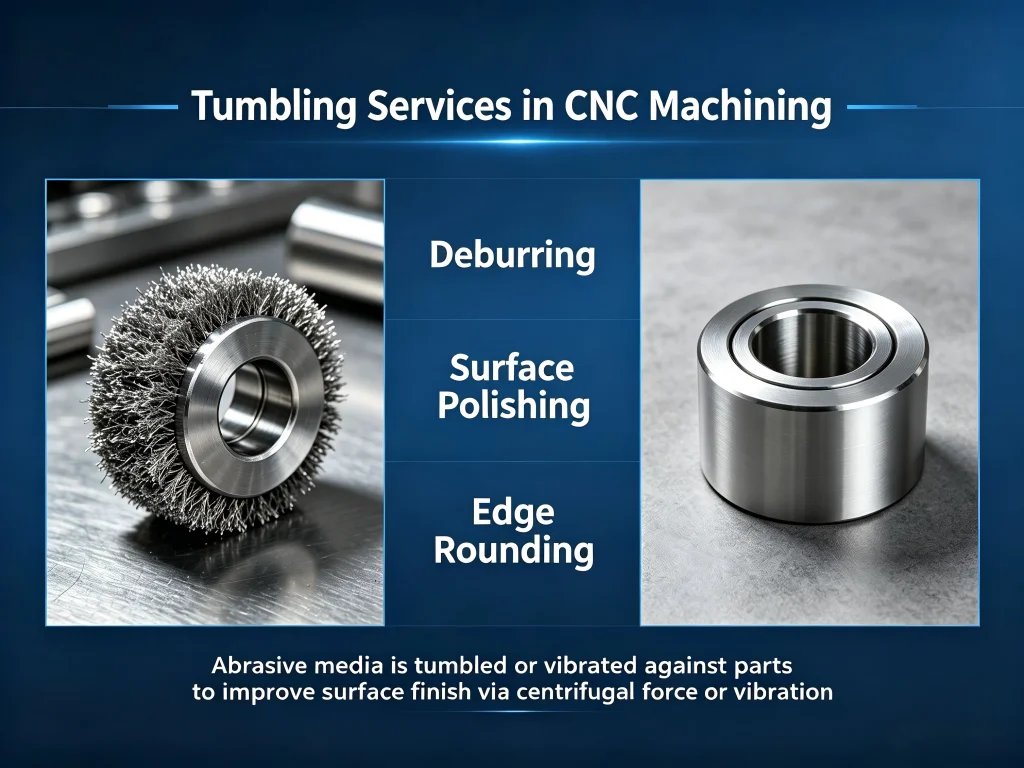
Comprendere i servizi di burattatura: una panoramica tecnica
Prima di addentrarci nei confronti tra fornitori, è essenziale chiarire cosa comporta la burattatura moderna. La burattatura, chiamata anche finitura di massa, si riferisce a un gruppo di processi meccanici che utilizzano mezzi abrasivi o lucidanti all'interno di una camera rotante o vibrante per modificare la superficie di molti componenti contemporaneamente. Il processo eccelle nella rimozione delle bave, nell'arrotondamento dei bordi, nella levigatura della superficie e nel raggiungimento di una finitura visiva uniforme. A seconda del tipo di macchina e del mezzo scelto, può anche produrre un leggero effetto di incrudimento superficiale, che può essere vantaggioso per componenti soggetti a sollecitazioni cicliche.
Un malinteso comune nei forum online è che tutta la burattatura produca lo stesso risultato. In realtà, il risultato è altamente sensibile a tre variabili interconnesse: il modello di movimento (rotativo vs. vibratorio), la geometria e la durezza del mezzo, e la durata del processo. Comprendere queste differenze è il primo passo verso una decisione di approvvigionamento informata.
Burattatura rotativa vs. vibratoria: quale processo si adatta alla vostra applicazione?
Quando cercate “servizi di burattatura vicino a me” o “servizi di burattatura metalli vicino a me”, incontrerete due tecnologie dominanti. Ognuna serve uno scopo distinto, e la vostra scelta influenzerà direttamente la qualità delle parti, il tempo di ciclo e il costo.
La burattatura rotativa (a botte) comporta il posizionamento di parti e mezzi abrasivi all'interno di un tamburo rotante. L'azione di burattatura è relativamente delicata ma continua, rendendola adatta a parti fragili o a quelle che richiedono una superficie finemente lucidata per un periodo più lungo. Un utente di Reddit ha osservato: “I burattatori rotativi sono come la pentola a cottura lenta della finitura: molto affidabili per le caratteristiche delicate e per ottenere una lucentezza a specchio, specialmente sui metalli non ferrosi più teneri.” Il principale svantaggio di questo metodo è il suo tempo di ciclo più lungo; un lotto completo potrebbe richiedere diverse ore per ottenere il raggio di bordo desiderato.
La burattatura vibratoria, d'altra parte, utilizza una vasca o una tinozza che vibra ad alta frequenza, generando un'azione di sfregamento più aggressiva. L'ampiezza della vibrazione può creare una forza da 5 a 10 volte maggiore rispetto a quella di una macchina rotativa, il che riduce significativamente il tempo di lavorazione. I sistemi vibratori sono ideali per rimuovere bave pesanti su materiali più duri come l'acciaio e l'acciaio inossidabile. Tuttavia, poiché il movimento è più intenso, potrebbero non essere la scelta migliore per parti con pareti estremamente sottili o superfici precedentemente placcate dove la rimozione del materiale deve essere minima.
A helpful rule of thumb shared by experienced sourcing managers is to use rotary tumbling when the primary goal is a high-gloss finish on small, non-ferrous parts, and to select vibratory tumbling for rapid burr removal on high-volume steel components. The table below summarizes these distinctions and provides a quick-reference guide for decision-making.
Comparison Table: Rotary Tumbling vs. Vibratory Tumbling
| Caratteristica | Rotary (Barrel) Tumbling | Vibratory Tumbling |
|---|---|---|
| Motion Type | Slow rotation on horizontal axis | High-frequency vibration (vertical/horizontal) |
| Aggressiveness | Low to moderate | Da moderata ad alta |
| Typical Cycle Time | 2 to 12+ hours | 15 minutes to 3 hours |
| Più adatto per | Polishing, burnishing, delicate geometries | Deburring, heavy edge radiusing, high-volume steel parts |
| Media Options | Ceramic, plastic, natural stone, steel | Ceramic, plastic, resin-bonded, synthetic |
| Typical Material Compatibility | Aluminum, brass, copper, softer steels, plastics | Stainless steel, titanium, hardened alloys, cast iron |
| Achievable Ra (Surface Roughness) | As low as 0.1 µm with final polishing stage | Typically 0.2–0.8 µm depending on media |
This comparison highlights that no single technology is universally superior. The correct method depends on your part’s material, geometry, and desired final finish. Reputable providers often offer both modalities and will recommend one based on a trial run with sample parts.
Critical Factors for Selecting a Tumbling Service Partner
Once you understand the basic technology types, the next step is to evaluate potential suppliers using a structured set of criteria. The following factors emerged repeatedly in discussions among sourcing professionals on platforms like ThomasNet and Practical Machinist forums, where users frequently ask “What should I check before sending my parts to a tumbler?”
Media Selection and Contamination Control
The type of media a service provider uses determines the finish quality and consistency. Common options include ceramic (for aggressive cutting), plastic (for softer metals and gentler polishing), and steel (for high-gloss burnishing). However, cross-contamination between batches is a real risk that many Reddit users warn about. One review stated, “The service swapped media without adequate cleaning, and my next batch got scratched by residual ceramic particles meant for previous steel parts.” Therefore, when evaluating a provider, ask how they manage media separation—do they use dedicated machines for specific materials, or do they rely on cleaning procedures between runs? ISO-certified facilities typically have documented work instructions for media handling, which greatly reduces contamination risks.
Surface Quality and Measurement Capabilities
A shiny appearance does not always correlate with functional surface quality. For applications in aerospace, medical devices, or fluid handling systems, the surface roughness value (Ra) is a critical specification. Professional tumbling services can achieve Ra values ranging from 0.1 µm (mirror-like) to 3.2 µm (utilitarian). Before committing, request sample parts and verify that the provider can measure surface roughness using calibrated profilometers. Similarly, ask whether they can perform edge radius measurement—a crucial factor for parts that will experience cyclic loading or require consistent coating adhesion.
Certifications and Quality Management Systems
Many industrial buyers overlook certifications until an audit forces a supplier change. ISO 9001:2015 certification is a baseline indicator that the service provider has established consistent processes for quality control. For medical or aerospace components, ISO 13485 o AS9100D certification becomes mandatory. In Facebook machining groups, a recurring piece of advice is to request the provider’s internal quality reports for past jobs similar to yours. A transparent supplier will share process capability data, such as Cpk values for edge radius or surface finish, without hesitation.
Industry-Specific Applications of Tumbling Services
Tumbling is not a one-size-fits-all solution; its application varies significantly across industries. Understanding these use cases will help you identify which capabilities are truly necessary for your sector.
Componenti aerospaziali e per la difesa
In aerospace, precision is non-negotiable. Turbine blades, landing gear components, and structural brackets must be free of stress risers and microscopic burrs that could lead to fatigue cracking. High-energy centrifugal tumbling is often employed because it induces a compressive residual stress layer on the part surface, effectively increasing fatigue life. Suppliers serving this market typically hold AS9100D certification and maintain strict material segregation to prevent foreign object debris (FOD) contamination.
Medical Devices and Surgical Instruments
Medical-grade finishing requires not only smooth surfaces but also biocompatibility and cleanability. Tumbling is used to polish orthopedic implants, surgical tools, and dental instruments. In this context, stainless steel 316L or titanium parts are finished using dedicated media that do not introduce harmful residues. Compliance with ISO 13485 and traceability of process parameters are standard requirements. Some service providers even offer cleanroom tumbling for implantable devices, where particulate generation must be controlled to extremely low levels.
Automotive and Heavy Equipment
In the automotive sector, volume matters. Gears, fasteners, and suspension components are tumbled in vibratory bowls with ceramic media to remove stamping burrs and prepare surfaces for plating or powder coating. The key here is consistency across thousands of parts. Automotive specifications such as IATF 16949 demand that the finishing process be validated with statistical process control (SPC). When selecting a partner for automotive projects, verify that they can handle high volumes without compromising edge uniformity.
Jewelry and Decorative Finishing
While industrial tumbling focuses on functionality, jewelry tumbling aims for aesthetic perfection. Rotary tumblers using steel shot and burnishing compounds create a highly reflective surface on precious metals like gold, silver, and copper. Hobbyists looking for “rock tumbling services near me” often prefer providers who offer small-batch processing using gentle cycles that preserve the natural color of stones. Although this is a specialized niche, it demonstrates the versatility of tumbling technologies.
Making the Final Decision: A Practical Selection Framework
By now, the core decision points should be clearer. To synthesize the information and guide your final selection, consider using the following checklist when evaluating potential tumbling service partners:
- Step 1: Define your part’s critical-to-quality (CTQ) parameters. List the acceptable surface roughness (Ra), required edge radius (in inches or millimeters), and tolerance for dimensional change. This becomes the basis for acceptance criteria.
- Step 2: Match the process to the material and geometry. Use the comparison table above to decide between rotary and vibratory tumbling. If your parts have blind holes, ensure the provider’s media is sized appropriately to avoid lodging.
- Step 3: Request a sample processing trial. Most reputable service providers offer to process a small batch of your parts at no or low cost. Examine the results under magnification and measure critical dimensions. This trial is far more reliable than any marketing brochure.
- Step 4: Verify certifications and quality data. Ask for the facility’s ISO certificate and request recent in-process inspection records. Reddit users often warn, “If a shop can’t show you their quality data, assume it doesn’t exist.”
- Step 5: Assess communication and responsiveness. A supplier that takes days to answer technical questions might be equally slow in resolving quality issues. Look for partners who provide clear timelines, process documentation, and proactive updates.
By following this framework, you shift from guesswork to a data-driven selection process, significantly reducing the risk of receiving parts that fail to meet specifications.
Why Capabilities and Technical Transparency Set Leading Providers Apart
Throughout this comparison, one theme has remained consistent: technical transparency is the true differentiator among tumbling service providers. Suppliers who openly share their media libraries, process parameter records, and quality control charts demonstrate both competence and confidence. They treat finishing as an engineering discipline rather than a commodity.
When a provider can offer multiple tumbling modalities, such as both centrifugal barrel finishing for high-energy requirements and gentle vibratory finishing for delicate components, it indicates a mature operation capable of adapting to diverse customer needs. Furthermore, the ability to provide ISO 13485 o AS9100D certified finishing—complete with full material traceability—is non-negotiable for regulated industries. For buyers prioritizing long-term partnerships rather than transactional quotes, these credentials serve as reliable proxies for quality consistency.
Frequently Asked Questions About Tumbling Services
What types of materials can be processed with tumbling services?
Tumbling is compatible with a wide range of materials including aluminum alloys, stainless steel (grades 304, 316), brass, copper, titanium, and some engineering plastics. However, very soft materials like pure lead or magnesium may require specialized plastic media and shorter cycle times to avoid excessive material removal.
How much dimensional change can I expect after tumbling?
Dimensional change depends on the initial burr size and the aggressiveness of the media. Typically, material removal ranges from 0.01 mm to 0.1 mm on edges and protrusions. For critical tolerances, leading providers maintain process controls that keep deviation within ±0.005 mm. Always discuss tolerance requirements before processing.
Can tumbling remove deep scratches or machining marks?
Tumbling is generally effective for removing surface burrs and light imperfections, but deep machining marks or gouges may persist after processing. For significant surface defects, consider vibratory deburring followed by a secondary polishing step. Some Reddit users recommend requesting a trial on a single defective part to see if tumbling achieves the desired improvement.
What certifications should a tumbling service provider have?
At a minimum, look for ISO 9001:2015 certification. For medical devices, ISO 13485 is required. For aerospace, AS9100D with FOD control procedures is essential. Environmental certifications like RoHS compliance are also valuable if your parts will be used in consumer electronics or automotive applications.
How do I find reliable tumbling services near me for small batches?
Search terms like “metal tumbling services near me” or “tumbling services near me” on ThomasNet or local industrial directories can yield good results. For small batches, look for job shops that offer flexible minimum order quantities. Facebook groups dedicated to precision machining often contain firsthand reviews from other engineers who have used specific local providers.
Is high-energy tumbling suitable for thin-walled or fragile parts?
High-energy centrifugal tumbling generates forces up to 20 G, making it generally unsuitable for thin-walled parts (less than 1 mm thickness) or components with delicate features. For fragile geometries, vibratory tumbling with plastic media and lower amplitudes is recommended. Always disclose potential weak points to your provider before processing.
What is the typical lead time for professional tumbling services?
Lead times vary based on batch size and process complexity. Standard vibratory jobs often have a 3–5 day turnaround, while rotary polishing may require 7–10 days to achieve the final finish. Rush services are sometimes available but may incur additional costs. Confirm lead times in writing and ask for a production schedule that includes quality inspection steps.
Can tumbling be combined with other finishing processes?
Yes. Many manufacturers use tumbling as a pre-treatment for anodizing, powder coating, or electroplating because it creates a uniform surface profile that enhances coating adhesion. Some service providers offer integrated workflows where parts move from tumbling to anodizing or passivation within the same facility, reducing handling and lead times.
Choosing the right partner for your surface finishing needs involves more than comparing price quotes. By understanding the technical distinctions between rotary and vibratory tumbling, evaluating provider certifications, and conducting sample trials, you position your project for success. Whether you are finishing aerospace brackets that require AS9100D compliance or polishing delicate medical instruments to a mirror-like Ra 0.1 µm finish, a structured selection process will safeguard your investment and ensure consistent, repeatable quality.
For detailed project quotes or to explore how professional finishing can enhance your components, contact our engineering team. We offer free sample processing and full quality reporting for qualified inquiries.