
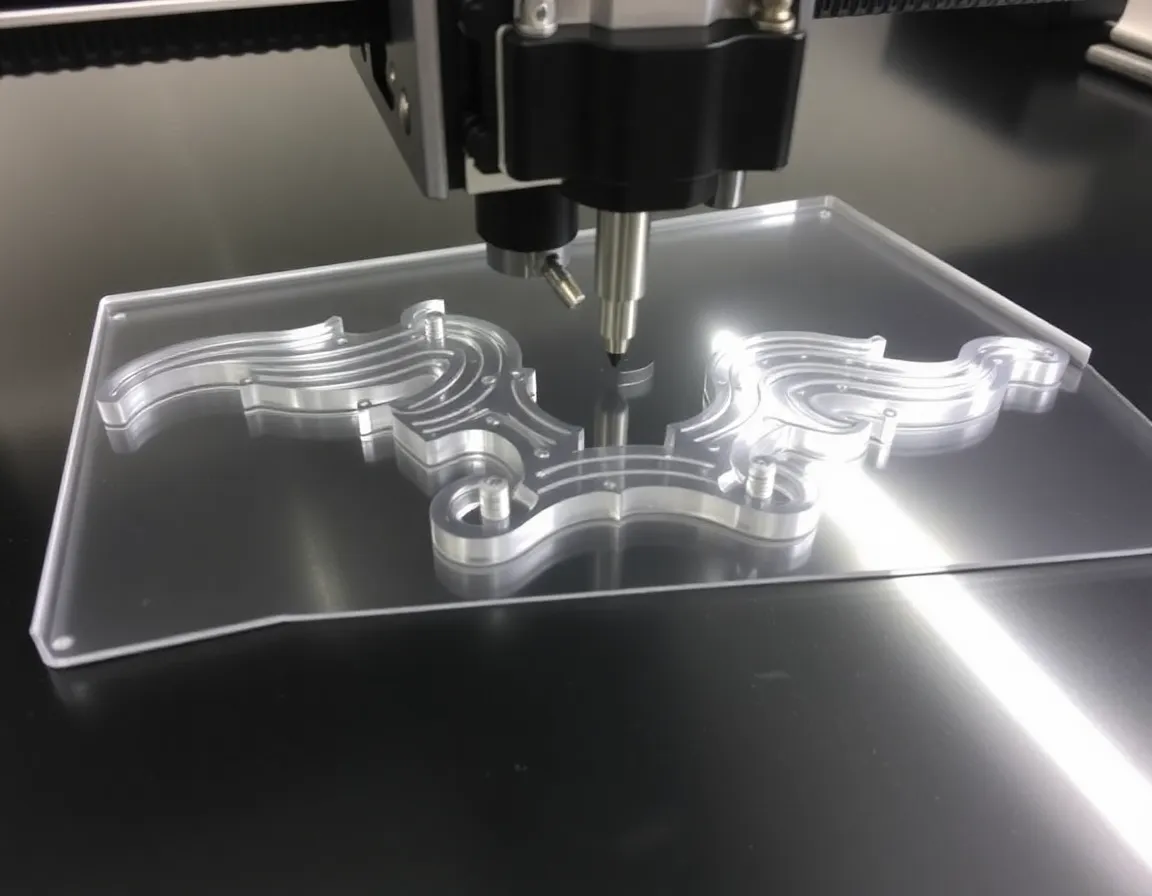
Plan Acrylic Parts Around Visibility and Fit

Acrylic is often selected for its appearance and light transmission, so machining details and finishing expectations should be agreed before the order.

Identify the Material Form

State whether the drawing calls for cast or extruded acrylic and provide any grade or supplier requirement that affects the part.

Mark Visible and Mating Surfaces

Show which faces must remain presentable and which surfaces control fit, sealing or alignment. These details guide handling and finishing review.

Check Holes, Slots and Edge Details

Call out hole locations, edge breaks, cutouts and thin features. Sharp internal corners or narrow webs may need design review for tool access and strength.

Specify the Required Appearance

If optical clarity or a particular surface appearance matters, describe the viewing face and finishing requirement rather than assuming every machined face will be transparent.

Acrylic CNC Machining: Details to Confirm

Start with the application and material form

Acrylic, also called PMMA, is used where a part needs a rigid plastic form and may need light transmission. The finished result depends on the stock, geometry, machining, handling and any post-processing. State the intended use, material form and any required grade so the quotation is based on the right specification.

Design for machining access

Review wall thickness, unsupported spans, hole spacing, slots and internal corners. Thin sections and small edge distances can be sensitive to the part geometry and workholding. Dimension critical holes and interfaces from clear datums, and identify surfaces that must remain visible or mate with another component.

Set appearance expectations clearly

A machined acrylic face should not automatically be described as optically clear. If transparency, gloss or a particular edge appearance matters, call out the viewing surfaces and the required finish. Discuss polishing or other secondary work as a separate requirement so it can be reviewed for the part.

Send a complete drawing package

Include a 2D drawing and 3D model when available, plus material, quantity, critical dimensions, finish and inspection needs. A useful comparison page is à usiner des pièces en PMMA. For broader plastic part questions, see our CNC plastic materials information and Fraisage CNC process page.

Acrylic CNC Machining Questions

Clarify the stock, visible faces and functional dimensions before requesting a quotation.

What information should I provide for an acrylic CNC part?

+

Provide the drawing and 3D model if available. Specify acrylic or PMMA material form and grade, quantity, critical dimensions, hole and edge details, visible faces, finish and inspection needs.

Will every machined acrylic surface be optically clear?

+

No. Appearance depends on the material, machining and any post-processing. Identify the viewing faces and state the required clarity or finish so it can be reviewed for the part.

Should I specify cast or extruded acrylic?

+

Yes, when the design or application requires a particular stock form or grade. If the specification allows alternatives, list them for review rather than assuming they are interchangeable.

What can make an acrylic part difficult to machine?

+

Thin walls, narrow webs, close hole spacing, unsupported spans and tight appearance requirements may affect machining and handling. A drawing review can identify questions before the order is confirmed.

Can acrylic CNC machining include polishing?

+

State whether polishing or another finish is required and which faces it applies to. The finishing scope should be confirmed for the specific geometry and appearance target.

Demander un devis