
Avantages

Define the use

Explain fit, function, environment, and whether the part is a prototype or repeat order.

Specify the resin

Name grade and condition or describe the need that should guide material review.

Identifier les caractéristiques critiques

Connect dimensions, surfaces, inspection, and revision to the part function.

Compare full scope

Align quantity, machining, finish, inspection, packaging, and delivery assumptions.

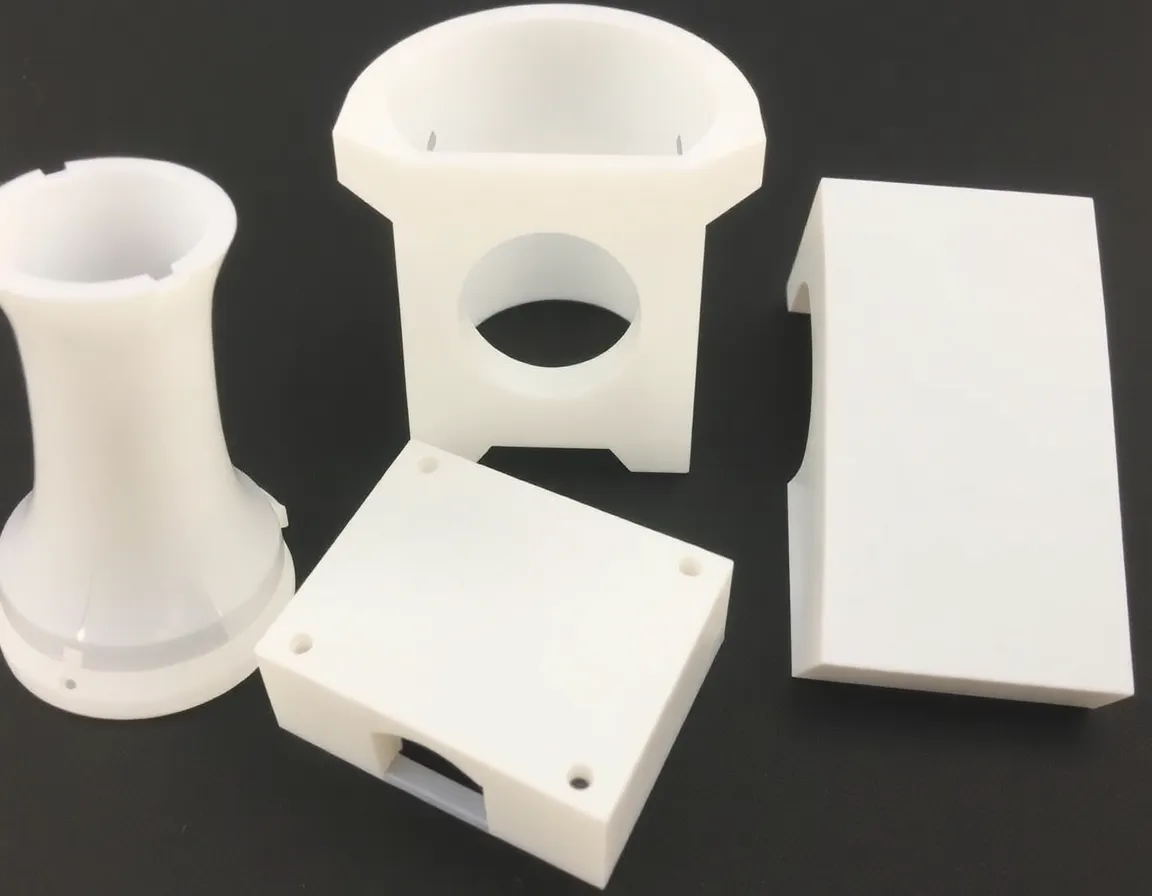
CNC plastic parts: a practical drawing and RFQ checklist

Start with the part function

Explain whether the component is for fit checks, a functional prototype, a replacement, or repeat production. Identify mating parts, load or environmental conditions that matter to the design, and the features that control assembly. The use case helps the supplier review the request without guessing.

Name the material precisely

Specify the plastic grade and condition where known, plus any color, transparency, chemical contact, or temperature requirement that affects selection. If the grade is undecided, state the functional need and ask for a material review. Similar resin names do not guarantee identical properties.

Rendez le plan mesurable

Provide a current drawing and matching model, units, revision, quantity, and datum scheme. Mark only the dimensions and surfaces that control function, then state the acceptance criteria and requested inspection records. Avoid leaving critical fits implied in a 3D image alone.

Discuss geometry and finish

Call out thin walls, deep features, small holes, inserts, threads, or cosmetic surfaces that could affect the part review. Specify the required finish and any masking or post-processing. Ask the supplier to identify assumptions or features that need clarification.

Compare quotes by scope

Check that each quote uses the same material grade, revision, quantity, machining scope, finish, inspection, packaging, and delivery assumptions. Ask what is excluded before comparing prices. A CNC-machined plastic prototype may not reproduce the behavior of a molded part, so define the purpose of the test.

See related capacités de fraisage CNC et informations sur le matériau plastique, then submit the drawing through the page de demande de devis.

Foire aux questions

What should a CNC plastic parts RFQ include?

+

Provide a current drawing and model, material grade, quantity, units, revision, critical fit features, finish, and inspection expectations.

Which plastic material should I choose?

+

Choose based on the part function and environment. State strength, temperature, chemical, wear, color, or transparency needs and confirm the selected grade.

Can a machined plastic prototype represent a molded part?

+

Not automatically. The manufacturing route and material form can affect behavior, so define the test purpose and verify that the prototype is suitable for it.

How should I specify inspection for plastic parts?

+

Mark functional dimensions and surfaces, define acceptance criteria, and identify requested measurements or records in the RFQ.

How are CNC plastic parts priced, and what is the typical ordering process?

+

Pricing for CNC plastic parts is typically project-based and depends on several factors: the complexity and size of the part, the type of plastic material, the quantity ordered, machining time, and any required secondary operations or finishes. There is usually no upfront tooling cost, so you pay primarily for machine time, material, and labor. The process generally starts with you submitting a 3D CAD file (like STEP or IGES) to a manufacturer. They will analyze the design for manufacturability (DFM), provide a quote, and suggest optimizations to reduce cost. Once approved, the parts are machined, inspected, and shipped. Lead times can range from a few days for simple prototypes to a couple of weeks for complex, multi-part orders. Many shops offer instant online quoting for standard geometries.

Demander un devis