
Introdução aos Serviços de Eletroerosão a Fio: Corte de Precisão para Peças Complexas
No mundo da manufatura avançada, onde a complexidade encontra a precisão inabalável, serviços de erosão a fio destacam-se como uma tecnologia fundamental. Também conhecida como Usinagem por Descarga Elétrica a Fio (Wire EDM), este processo é a solução definitiva para produzir peças intrincadas que seriam impossíveis, impraticáveis ou proibitivamente caras de criar com usinagem convencional. Ele transcende as limitações das ferramentas de corte físicas, usando faíscas elétricas controladas para erodir o material com precisão surpreendente. Para engenheiros e projetistas que trabalham com aços endurecidos, ligas exóticas ou componentes com características delicadas e tolerâncias apertadas, a eletroerosão a fio não é apenas uma opção — é uma capacidade essencial que faz a ponte entre o projeto ambicioso e a realidade manufaturável. Este guia aprofunda-se na ciência, nos benefícios e nas aplicações práticas desta tecnologia transformadora.
O que é Wire EDM? A Ciência da Usinagem por Descarga Elétrica Explicada
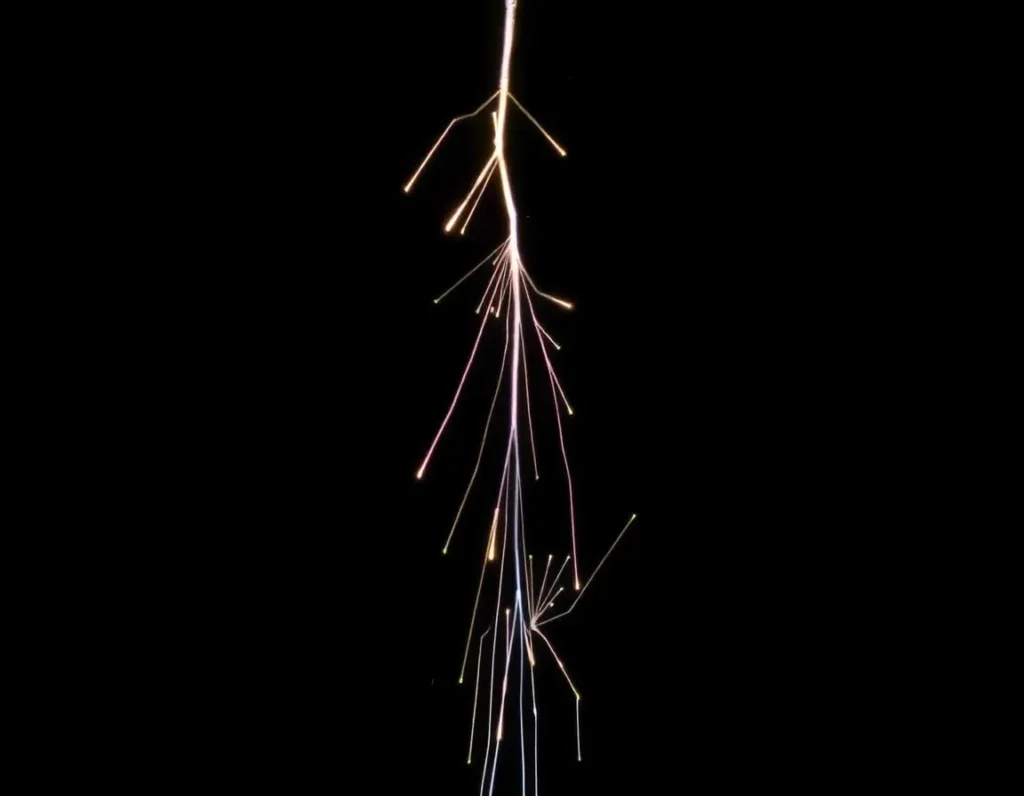
Em sua essência, o Wire EDM é um processo de usinagem termoelétrica. Ele remove material por meio de uma série de descargas elétricas rápidas e controladas (faíscas) entre um eletrodo de fio fino e precisamente guiado e a peça de trabalho condutora. Os dois nunca estão em contato físico, eliminando o estresse mecânico e o desgaste da ferramenta associados ao fresamento ou torneamento.
O processo se desenrola dentro de um tanque de água deionizada, que serve a um duplo propósito crítico. Primeiro, atua como fluido dielétrico, isolando o fio e a peça de trabalho até que a voltagem atinja um limiar alto o suficiente para ionizar um caminho minúsculo e criar uma faísca. Segundo, o fluido colapsa violentamente após cada faísca, lavando partículas microscópicas de material erodido e evitando que se soldem de volta à superfície.
Um carretel de fio, tipicamente feito de latão ou cobre estratificado, é continuamente alimentado entre guias superiores e inferiores. Essas guias, controladas por um sistema CNC, movem-se independentemente ao longo dos eixos X e Y, permitindo que a máquina corte perfis bidimensionais intrincados e formas cônicas através de blocos espessos de material. À medida que o fio viaja, ele é constantemente renovado, garantindo um eletrodo fresco e consistente. Cada faísca vaporiza uma cratera minúscula na peça de trabalho, e o efeito cumulativo de milhares de faíscas por segundo resulta em um corte suave e preciso. O “kerf”, ou largura do corte, é determinado pelo diâmetro do fio mais a folga da faísca, tipicamente variando de 0,001” a 0,012”, permitindo a criação de características extremamente finas e cantos internos afiados.
Principais Vantagens e Benefícios do Uso de Serviços de Eletroerosão a Fio
O mecanismo único de não contato e baseado em faíscas do Wire EDM confere um conjunto de vantagens que o tornam indispensável para desafios específicos de manufatura.
- Precisão e Exatidão Extremas: As máquinas de Wire EDM são capazes de manter tolerâncias dentro de ±0,0001 polegadas (0,0025 mm). Este nível de exatidão é consistente independentemente da dureza do material, tornando-o ideal para produzir ferramentas, calibres e componentes aeroespaciais críticos.
- Capacidade de Usinar Materiais Endurecidos: Como o processo não depende de força de corte, ele se destaca na usinagem de aços-ferramenta endurecidos, carbonetos e ligas exóticas em seu estado acabado. Isso elimina os riscos de distorção associados ao tratamento térmico de uma peça após a usinagem bruta.
- Geometria Complexa e Recursos Finos: O fio fino e em movimento contínuo pode cortar perfis intrincados, furos de tamanho micro e peças com paredes excepcionalmente finas. Ele produz cantos internos afiados que são impossíveis de alcançar com uma fresa de topo, que tem um raio finito.
- Acabamento Superficial Superior: O processo de erosão deixa inerentemente um acabamento superficial fino e fosco, frequentemente na faixa de 16 a 64 micropolegadas Ra, diretamente da máquina. Isso geralmente elimina a necessidade de operações secundárias de acabamento para muitas aplicações.
- Produção sem Rebarbas: A natureza termoelétrica do processo significa que nenhuma rebarba mecânica é gerada. As peças saem da máquina limpas, economizando tempo e custo na remoção de rebarbas, especialmente para geometrias internas complexas.
- Tensão Mínima no Material: Sem contato direto ou forças de corte, não há chance de induzir tensão mecânica, distorção ou microtrincas na peça de trabalho, o que é crucial para componentes frágeis ou de alta integridade.
Wire EDM vs. Outros Processos de Fabricação: Quando Escolher a Erosão a Fio
Selecionar o processo de fabricação correto é um equilíbrio entre geometria, material, tolerância e custo. Veja como o wire EDM se compara a outros métodos comuns e quando ele se torna a escolha ideal.
EDM a Fio vs. Fresamento CNC
A fresagem CNC usa uma ferramenta de corte rotativa para remover material e é excepcionalmente versátil para contornos 3D, cavidades e roscas. Escolha a fresagem para remoção mais rápida de material em materiais mais macios, formas 3D complexas e quando furos roscados ou recursos rosqueados são necessários. Mude para serviços de erosão a fio ao lidar com materiais endurecidos (acima de 45 HRC), quando você precisa de cantos internos afiados, ou quando a geometria da peça envolve ranhuras profundas e estreitas que quebrariam uma fresa de topo pequena.
EDM a Fio vs. Corte a Laser
O corte a laser é extremamente rápido para perfilar chapas metálicas e pode cortar materiais não condutores. É a escolha padrão para peças 2D em alto volume a partir de chapas. No entanto, os lasers geram uma zona afetada pelo calor (ZAC) e conicidade, especialmente em materiais mais espessos. O wire EDM não produz ZAC, oferece precisão e acabamento superficial superiores através de maiores espessuras (comumente até 150 mm e além) e cria paredes perfeitamente verticais ou conicidades controladas conforme programado.
Wire EDM vs. Fresagem Química de Fotos
Photo etching is excellent for producing extremely thin, flat, burr-free parts with complex through-features, like stencils or lead frames. However, it is limited in material thickness (generally under 2mm) and cannot produce blind features or 3D forms. As noted in the knowledge base, wire erosion is the necessary alternative “for those metals whose chemical composition make photo etching impossible,” and for any part where depth and true 3D profiling are required.
The Decision Rule: Strongly consider wire EDM if your project involves a conductive material that is very hard, requires ultra-precise 2D/tapered profiles, has delicate features prone to tool deflection, or must be machined burr-free and stress-free after heat treatment.
Materials Compatible with Wire Erosion: From Aluminum to Exotic Alloys
A primary strength of wire EDM is its remarkable material versatility. Any electrically conductive material can be machined, with the process being particularly advantageous for those that are difficult for traditional methods.
- Tool Steels & Die Steels: This is a classic application. D2, A2, H13, and other hardened tool steels (often at 58-62 HRC) are machined with ease to create punches, dies, and mold inserts.
- Stainless Steels: All grades, including 303, 304, 316, and 17-4 PH, are perfectly suited. Wire EDM avoids the work-hardening issues that can plague milling of certain stainless grades.
- Aluminum and Alloys: Readily machined, though settings are adjusted for higher conductivity. Ideal for precision aerospace or prototype components.
- Copper, Brass, and Phosphor Bronze: These conductive materials are easily processed, making wire EDM suitable for electrical components and intricate decorative pieces.
- Exotic & High-Temperature Alloys: The process excels with materials like Inconel, Hastelloy, titanium, and tungsten carbide. Their toughness and hardness, which wear down conventional tools rapidly, pose no problem for the non-contact EDM spark.
- Other Conductive Materials: This includes molybdenum, nickel silver, and even specialized graphites. The key determinant is electrical conductivity, not mechanical hardness.
It is important to note that while all these materials are compatible, the specific EDM parameters—wire type, feed rate, voltage, and flush pressure—are meticulously optimized for each material type and thickness to achieve the desired cutting speed, surface finish, and dimensional accuracy. This expertise is a critical value provided by professional wire erosion service providers.
The Wire EDM Process: A Step-by-Step Guide from Design to Finished Part
Understanding the workflow of a wire EDM project demystifies how complex parts are created with such high precision. The journey from a digital concept to a physical component is a collaborative and methodical process, typically managed by your chosen serviços de erosão a fio provider.
Step 1: Design and File Preparation
It all begins with a 2D CAD drawing or a 3D model. The most critical information for the wire EDM machine is the precise cutting path. Engineers convert the design into machine code (typically G-code), defining the wire’s trajectory. At this stage, factors like the kerf (the width of material removed by the wire) are automatically compensated for in the toolpath to ensure final dimensions are exact.
Step 2: Material Setup and Workpiece Mounting
The selected conductive material is securely clamped onto the machine’s worktable. Accurate alignment is crucial. For internal cuts that don’t start at an edge, a starter hole must be pre-drilled, often using a dedicated EDM hole-drilling machine. The thin brass or coated wire is then threaded through this hole and connected to the spooling mechanism.
Step 3: Dielectric Fluid System Activation
The work area is flooded with deionized water, which serves as the dielectric fluid. This fluid electrically insulates the wire and workpiece until the voltage is high enough to create a spark. It also rapidly cools the vaporized material, flushing away microscopic debris from the cut zone to ensure a clean, consistent spark and prevent short-circuiting.
Step 4: The Cutting Operation
With the system energized, a controlled electrical discharge sparks across the small gap between the wire and the workpiece. Each spark generates intense heat, locally melting and vaporizing a tiny particle of the material. The wire, which is constantly fed from a spool to present a fresh, unworn section, moves along the programmed path. The upper and lower wire guides can move independently, allowing for the creation of tapered shapes and complex geometries in the X, Y, U, and V axes.
Step 5: Completion and Post-Processing
Once the cut is complete, the wire is retracted, the dielectric fluid is drained, and the finished part is removed from the remnant material (the “slug”). Depending on the application requirements, the part may then move to post-processing, such as deburring (though wire EDM typically leaves minimal burrs), surface finishing, or heat treatment.
Design Considerations and Best Practices for Wire EDM Parts
Designing with wire EDM’s unique capabilities in mind unlocks its full potential for cost-effectiveness and precision. Adhering to a few key principles ensures manufacturability and optimal results.
Internal Corners and Radii
Wire EDM can produce exceptionally sharp internal corners, a significant advantage over milling. However, it’s important to remember that the wire is a physical object with a diameter. An internal corner will always have a minimum radius slightly larger than the wire’s radius plus the spark gap. Specifying a small, achievable corner radius (e.g., 0.1mm) is better than demanding a perfectly sharp corner, which is physically impossible.
Material Thickness and Layering
While wire EDM can cut very thick materials (often over 150mm), thinner parts pose a challenge as they can warp or vibrate. For very thin sheets, it is often more economical and stable to layer multiple sheets of the same material, bolt them together, and cut them as a single block—a process known as stack cutting.
Start Holes and Unattended Features
Any internal cutout requires a start hole for the wire to thread through. The location and size of these holes should be considered in the design phase. Furthermore, “unattached” features that will fall out when cut must be accounted for; the machine may need to pause to allow an operator to secure them before continuing.
Tolerances and Surface Finish Expectations
Wire EDM is renowned for holding tight tolerances, often within ±0.005 mm for high-precision work. However, specifying tolerances that are tighter than necessary increases cost and time. Similarly, the as-cut surface finish is typically smooth but matte, ranging from 16 to 64 microinches (Ra). If a finer finish is required, it should be noted as a post-processing step.
Minimizing Cut Time and Cost
Reducing the total linear length of cutting directly reduces cost. Designers should aim for efficient nesting of parts within the raw material and consider simplifying non-critical contours. The choice of material and its thickness also significantly impacts cutting speed and, consequently, price.
Surface Finishes and Post-Processing Options for Wire Eroded Components
The standard finish from wire EDM is a uniform, matte surface free of tool marks, often suitable for functional parts without further work. However, many applications demand enhanced properties, which are achieved through various post-processing techniques.
Standard Finishes
- As-Cut (Standard Finish): The default state after EDM. It has a consistent texture but may exhibit fine recast layers and microscopic pitting from the sparks. It is ideal for non-wearing internal components or where further finishing is not justified.
- Jateamento de Esferas: Uses fine abrasive media propelled by air to clean the surface and create a uniform, satin-matte appearance. It can lightly improve surface texture and remove minor discoloration.
- Tumbling/Vibratory Finishing: A batch process where parts are placed in a vibrating tub with abrasive media. It is excellent for radiusing edges, removing microscopic burrs, and producing a smooth, uniform finish on all exposed surfaces.
Enhanced and Protective Coatings
- Anodização (Tipo II e III): Primarily for aluminum. Type II provides corrosion resistance and color for identification or aesthetics. Type III (Hardcoat) adds a thick, wear-resistant ceramic layer, invaluable for moving parts and tools.
- Passivação: A chemical bath for stainless steel that removes free iron from the surface and promotes the formation of a passive chromium oxide layer, dramatically enhancing corrosion resistance without altering dimensions.
- Electroless Nickel Plating: Deposits a uniform, hard, and highly corrosion-resistant nickel-phosphorus alloy coating. It provides excellent lubricity and wear resistance, even on complex geometries.
- Pintura a Pó: Provides a thick, durable, and decorative polymer coating. It offers superior corrosion protection and a wide range of colors for consumer-facing or harsh-environment components.
Acabamentos Especializados
- Eletropolimento: An electrochemical process that removes a thin surface layer, smoothing micro-peaks and leaving a bright, shiny, and more corrosion-resistant finish. Common for medical and food-grade stainless steel components.
- PTFE-Impregnated Hard Anodize: A hardcoat anodize infused with Teflon, creating a self-lubricating, dry-contact surface with exceptional wear and corrosion resistance for aluminum parts in dynamic assemblies.
Industries and Applications: Where Wire Erosion Services Excel
The unique capabilities of wire EDM make it indispensable across a spectrum of high-tech and demanding industries where precision, complex geometry, and hard materials are the norm.
Aerospace and Defense
This sector relies on wire EDM for manufacturing mission-critical components from exotic, high-strength alloys like Inconel and titanium. Applications include turbine blades, fuel system components, structural brackets with lightening pockets, and flight control parts. The process’s ability to produce stress-free cuts in heat-treated materials is paramount here.
Medical and Surgical Device Manufacturing
Precision is literally a matter of life and death. Wire EDM is used to create intricate bone screws, orthopedic implants (like knee and hip replacements), surgical instrument jaws, and components for minimally invasive devices. The biocompatible materials used, such as specific grades of stainless steel and titanium, are machined flawlessly to meet stringent FDA and ISO 13485 standards.
Tool and Die Making
Wire erosion is a cornerstone technology for producing stamping dies, extrusion dies, and injection molds. It can create complex punch and die shapes with exceptional accuracy and fine surface finishes, often as the final machining step on hardened tool steel. This eliminates distortion that could occur if the tool were machined before heat treatment.
Automotive and Motorsports
From prototyping to production, wire EDM creates gears, transmission components, sensor parts, and lightweight structural elements. In high-performance motorsports, it is used to machine one-off parts from the toughest materials, where weight savings and absolute reliability are critical.
Electronics and Semiconductor Manufacturing
The process fabricates precise components for connectors, micro-electromechanical systems (MEMS), and fixtures used in semiconductor production. Its ability to cut delicate, thin-walled features in conductive materials like copper, brass, and beryllium copper is highly valued.
General Engineering and Prototyping
For any project requiring a one-off precision part, a complex prototype, or a low-volume production run in a hard material, wire EDM offers a fast and cost-effective solution. It enables engineers to test designs with real-world materials without the high cost of dedicated hard tooling.