절삭을 넘어서: CNC 표면 마감이 품질의 최종 개척지인 이유
컴퓨터 수치 제어(CNC) 가공은 제조업에 혁명을 일으켜 놀라운 기하학적 복잡성과 엄격한 공차를 가진 부품을 제작할 수 있게 했습니다. 그러나 원자재 블록에서 완성된 기능성 부품으로 나아가는 여정은 절삭 공구가 회전을 멈추는 순간 끝나지 않습니다. 밀링, 선삭 또는 드릴링 후 남는 표면은 최종적으로 원하는 상태인 경우가 드뭅니다. 바로 이 지점에서 전문적인 CNC 표면 마감 서비스 가 필요합니다. 이러한 가공 후 공정은 가공된 부품을 완성된 제품으로 변모시키는 결정적인 마지막 단계로, 미관뿐만 아니라 성능, 내구성, 사용자 경험까지 결정합니다. 이러한 마감을 숙달하는 것은 탁월함을 요구하는 모든 프로젝트에 필수적입니다.
CNC 표면 마감 서비스란 무엇인가?
CNC 표면 마감은 주요 재료 제거 작업이 완료된 후 가공된 부품에 적용되는 일련의 공정을 말합니다. CNC 기계는 직접 우수한 표면 거칠기(종종 Ra – 평균 거칠기로 측정)를 달성할 수 있지만, 많은 응용 분야에서는 절삭 공구가 만들어낼 수 있는 범위를 넘어서는 특정 질감, 외관 또는 재료 특성이 필요합니다. 마감 서비스는 이러한 격차를 해소하며, 부품의 최외층을 조작하여 정밀한 사양을 충족시킵니다.
이러한 서비스는 작용 메커니즘에 따라 크게 분류할 수 있습니다: 첨가 (페인팅이나 도금처럼 코팅을 추가하는 것), 제거 (폴리싱이나 블라스팅처럼 재료를 제거하는 것), 변형 (열처리처럼 표면 구조를 변화시키는 것), 또는 재배열 (버니싱처럼 상당한 제거 없이 재료를 이동시키는 것). 선택은 전적으로 부품의 재료, 기능 및 최종 사용 환경에 달려 있습니다.
일반적인 CNC 표면 마감 기법 안내서
올바른 마감을 선택하려면 옵션을 이해해야 합니다. 다음은 전문 마감 서비스에서 제공하는 가장 일반적인 기법에 대한 개요입니다.
기계적 및 연마 마감
이러한 방법은 물리적 힘과 연마재를 사용하여 표면 질감을 변경합니다.
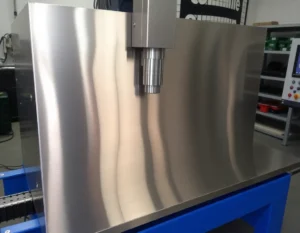
- 샌딩 및 폴리싱: 거친 입자에서 미세 입자까지 점진적인 일련의 연마재를 사용하여 공구 자국을 제거하고 매끄럽고 반사되는 표면을 만듭니다. 이는 균일한 새틴 브러시부터 거울 같은 폴리시까지 다양할 수 있습니다.
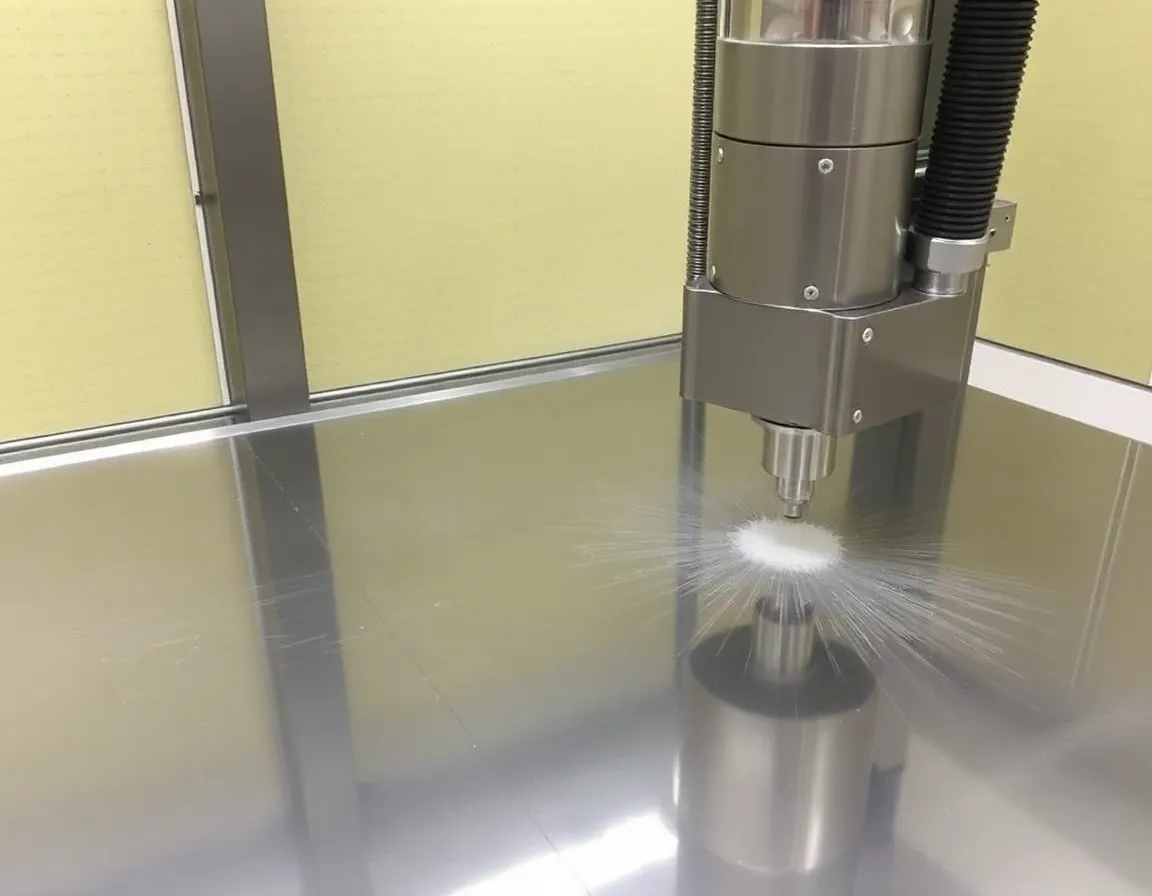
- 비드 및 미디어 블라스팅: 작은 미디어(유리 비드, 산화알루미늄, 플라스틱 등)를 고속으로 분사하여 표면을 세정하고, 균일한 무광 질감을 만들며, 버를 제거하고, 압축 응력을 유도하여 피로 수명을 향상시킬 수 있습니다.
- 텀블링 및 진동 연마: 부품을 연마 미디어와 함께 용기에 넣고 회전 또는 진동시킵니다. 이는 다량의 소형 부품에 대해 버 제거, 모서리 라운딩, 스케일 제거, 매끄럽고 일관된 마감을 생성하는 데 매우 효율적인 배치 공정입니다.
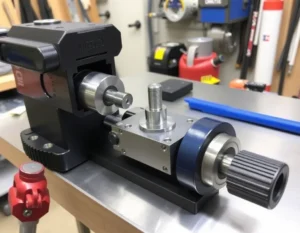
- 버니싱: 단단하고 광택이 나는 공구를 압력을 가해 표면에 롤링하여 금속을 냉간 가공함으로써 치밀하고 매끄러우며 가공 경화된 표면을 만듭니다. 보어와 샤프트의 표면 거칠기와 내마모성을 개선하는 데 탁월합니다.
화학 및 전기화학 마감
이러한 공정은 화학 반응을 사용하여 표면을 처리합니다.
- 아노다이징(알루미늄용): 자연 산화층을 두껍고 강하게 만드는 전기화학 공정입니다. 내식성을 크게 향상시키고 다양한 색상으로 염색할 수 있으며 표면 경도를 높입니다. Type II는 내식성 및 착색용이고, Type III(하드코트)는 극한의 내마모성용입니다.
- 패시베이션(스테인리스강용): 화학 욕조가 표면에서 유리 철 입자를 제거하여 크롬이 풍부한 산화층을 복원합니다. 이는 스테인리스강 고유의 내식성을 극대화하며, 의료, 항공우주, 식품 등급 부품에 중요한 단계입니다.
- 전기도금: 전류를 통해 금속 층(크롬, 니켈, 아연, 금 등)을 부품에 증착합니다. 희생 방식 보호(아연)를 제공하고, 표면 경도와 내마모성을 높이며(크롬, 니켈), 납땜성과 전도성을 개선합니다(금, 은).
- 화학 에칭: Controlled chemical removal of material to create specific surface textures, deburr complex geometries, or prepare a surface for bonding or painting.
Coatings & Advanced Treatments
These add a new, functional layer to the component.
- 분체 코팅: A dry, electrostatically charged powder (polymer) is applied and then cured under heat to form a durable, thick, and attractive protective layer. Available in virtually any color and texture, it offers superior corrosion and impact resistance compared to many liquid paints.
- PVD (Physical Vapor Deposition): A thin, ultra-hard ceramic or metal coating (like TiN, TiCN, or CrN) is deposited in a vacuum. It provides exceptional hardness, wear resistance, and low friction, often used for cutting tools, molds, and high-wear components.
- Heat Treating & Case Hardening: Processes like carburizing or nitriding alter the microstructure of the metal's surface, increasing its hardness and wear resistance while maintaining a tougher core. Essential for gears, bearings, and tooling.
The Tangible Benefits: More Than Just Good Looks
Investing in the right surface finish yields profound benefits that extend far beyond cosmetics.
- Enhanced Durability & Wear Resistance: Hard coatings, treatments, and work-hardened surfaces drastically reduce friction and abrasion, extending the part's service life in demanding applications.
- Superior Corrosion Protection: Finishes like anodizing, plating, and powder coating create a barrier against moisture, chemicals, and environmental factors, preventing rust and degradation.
- Improved Cleanliness & Hygiene: A smooth, non-porous, and easily cleanable surface is non-negotiable for medical devices, pharmaceutical equipment, and food processing machinery. Passivation and specific polished finishes are key here.
- Optimized Functionality: Surface texture affects friction, light reflection, electrical conductivity, and adhesion. A properly finished surface ensures the part performs its intended function reliably.
- Elevated Aesthetic & Brand Value: The visual and tactile quality of a product communicates value. A consistent, professional finish enhances user perception and brand reputation.
- Facilitated Assembly: Deburring and radiusing edges prevent injury during handling and ensure proper fit with other components. Smooth finishes also aid in sealing and gasket performance.
Best Practices for Specifying and Mastering Surface Finishes
To successfully integrate finishing into your project, follow these guidelines.
1. Define Requirements from the Start
Don't treat finishing as an afterthought. During the design phase, ask critical questions: Will the part face corrosion? Does it need to withstand wear? Is it a visual consumer product? What are the cleaning protocols? The answers will guide your finish selection and may influence the base material choice (e.g., aluminum for anodizing, stainless for passivation).
2. Communicate with Clear Specifications
Vague terms like "smooth" or "shiny" are insufficient. Use industry-standard callouts on your technical drawings:
- Surface Roughness (Ra): Specify a maximum Ra value (e.g., "Ra 0.8 μm") for machined surfaces.
- Finish Type: Call out the specific process (e.g., "Type II Anodize, Black," "Passivate per ASTM A967," "Media Blast to Uniform Satin Finish").
- Geometric Considerations: Indicate if certain features (like threads, bores, or sealing surfaces) must be masked or treated specially.
3. Partner with an Experienced Service Provider
A professional CNC surface finishing service is an invaluable partner. They offer expertise in process selection, proper preparation (cleaning is 90% of a good finish), sequencing of operations, and quality control. They can also provide test samples or run small batches to validate the result before full production.
4. Consider Dimensional Impacts
Many finishes add thickness (coatings, plating, anodizing) or remove a tiny amount of material (etching, polishing). This must be accounted for in your critical dimensions. Work with your finisher to understand the "growth" or "loss" of your part and machine initial dimensions accordingly. Specifying the finish on the drawing ensures the machinist accounts for this.
5. 프로토타입 및 테스트
Whenever possible, produce finished prototypes and subject them to real-world or simulated conditions. Test for corrosion resistance, adhesion, wear, and color fastness. This validation step prevents costly mistakes in full-scale production.
Conclusion: The Defining Touch
In the world of precision manufacturing, the surface is the interface between your engineering and the real world. Mastering CNC surface finishes is not a mere detail—it is the defining touch that unlocks a component's full potential. By understanding the vast array of techniques, their functional benefits, and the best practices for implementation, you can make informed decisions that elevate your project from merely "machined" to truly "finished." Whether the goal is to survive a harsh environment, glide with minimal friction, impress with visual appeal, or simply function flawlessly, the right surface finish service is the key to success. Partner wisely, specify clearly, and let the final surface be a testament to the quality engineered within.