切削の先へ:CNC表面仕上げが品質の最終フロンティアである理由
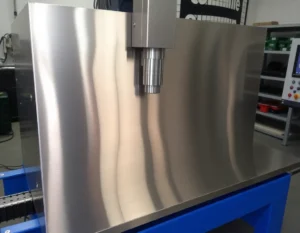
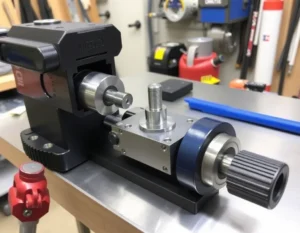
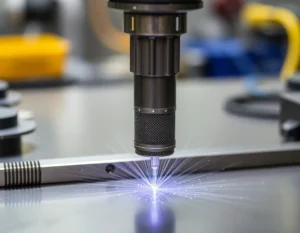
コンピュータ数値制御(CNC)加工は製造業に革命をもたらし、驚くほど複雑な形状と厳しい公差の部品の製作を可能にしました。しかし、原材料のブロックから完成した機能部品への道のりは、切削工具が回転を止めた時点で終わるわけではありません。フライス加工、旋削、穴あけによって残された表面が、最終的に望まれる状態であることはほとんどありません。ここで専門的な CNC表面仕上げサービス が登場します。これらの加工後処理は、機械加工された部品を洗練された製品へと変える重要な最終工程であり、その美観だけでなく、性能、耐久性、ユーザー体験も決定づけます。これらの仕上げを極めることは、卓越性を求めるあらゆるプロジェクトにとって不可欠です。.
CNC表面仕上げサービスとは何ですか?
CNC表面仕上げとは、主要な材料除去加工が完了した後に加工部品に施される一連の処理を指します。CNC工作機械は優れた表面粗さ(多くの場合、Ra – 平均粗さで測定)を直接達成できますが、多くの用途では、切削工具が生み出せる範囲を超えた特定のテクスチャ、外観、または材料特性が求められます。仕上げサービスはこのギャップを埋め、部品の最外層を操作して精密な仕様を満たします。.
これらのサービスは、その作用機構によって大きく分類できます: 付加的 (塗装やめっきなど、コーティングを追加する)、, 除去加工 (研磨やブラストなど、材料を除去する)、, 変質的 (熱処理など、表面構造を変化させる)、または 再配置 (バニシングなど、大幅な除去なしに材料を移動させる)。選択は、部品の材質、機能、および最終使用環境に完全に依存します。.
一般的なCNC表面仕上げ技術ガイド
適切な仕上げを選択するには、オプションを理解する必要があります。以下は、プロの仕上げサービスが提供する最も一般的な技術の概要です。.
機械的・研磨仕上げ
これらの方法は、物理的な力と研磨材を使用して表面テクスチャを変化させます。.
- サンディングと研磨: 粗い砥粒から細かい砥粒へと段階的に進む研磨材のシリーズを使用して、工具痕を除去し、滑らかで反射性のある表面を作り出します。これは、均一なサテン調のブラシ仕上げから鏡面のようなポリッシュ仕上げまで対応できます。.
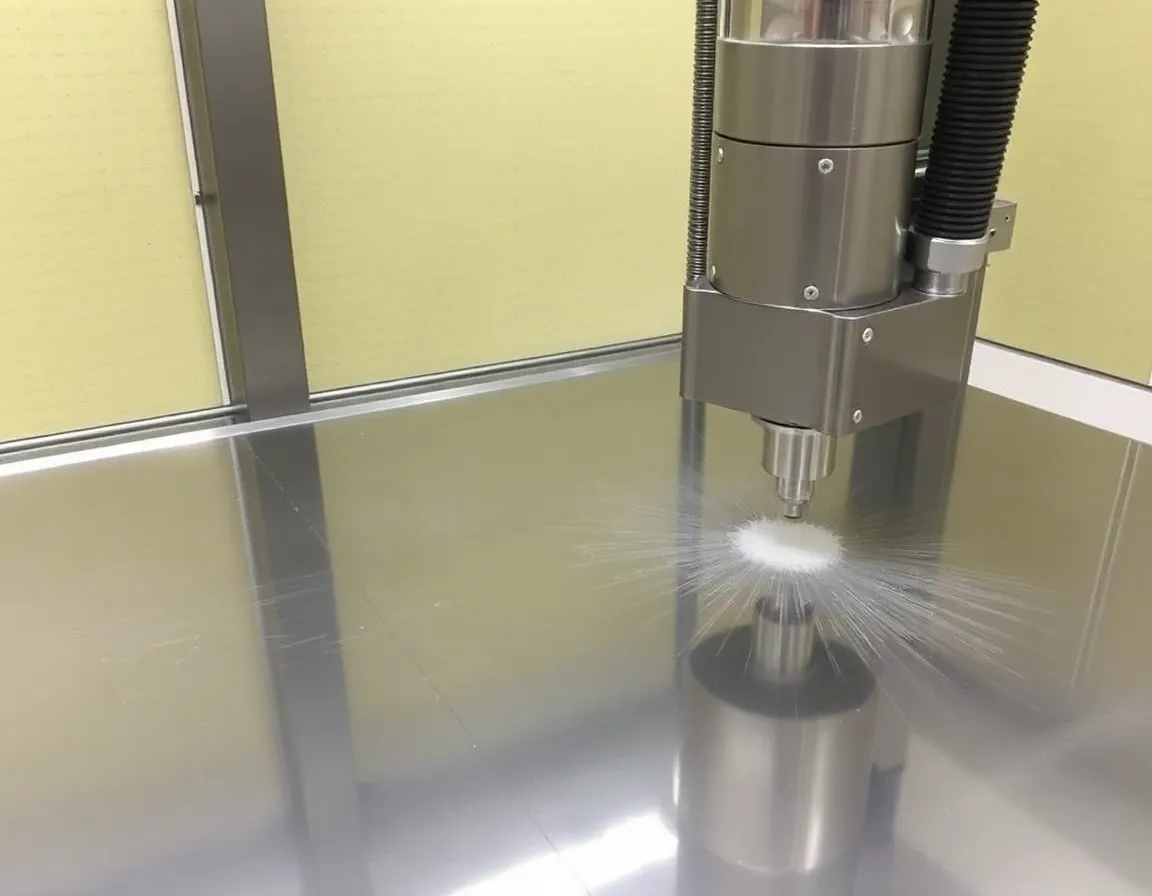
- ビーズ&メディアブラスト: 小さなメディア(ガラスビーズ、酸化アルミニウム、プラスチックなど)を高速で投射することで、表面を洗浄し、均一なマットな質感を生み出し、バリ取りを行い、圧縮応力を付与して疲労寿命を向上させることができます。.
- タンブリングと振動仕上げ: 部品を研磨メディアとともに容器に入れ、回転または振動させます。これは、大量の小型部品のバリ取り、エッジの面取り、スケール除去、および滑らかで均一な仕上げを効率的に行うバッチ処理です。.
- バニシング: 硬く研磨された工具を圧力をかけながら表面に転がし、金属を冷間加工して、緻密で滑らかな加工硬化した表面を作り出します。ボアやシャフトの表面粗さと耐摩耗性を向上させるのに優れています。.
化学的および電気化学的仕上げ
これらのプロセスは化学反応を利用して表面を処理します。.
- アルマイト処理(アルミニウム用): 自然酸化皮膜を厚くし、強靭にする電気化学的プロセスです。耐食性を大幅に向上させ、さまざまな色に染色でき、表面硬度を高めます。タイプIIは耐食性と色用、タイプIII(ハードコート)は極めて高い耐摩耗性用です。.
- パッシベーション(ステンレス鋼用): 化学浴により表面から遊離鉄粒子を除去し、クロムリッチな酸化皮膜を回復させます。これによりステンレス鋼が本来持つ耐食性を最大限に引き出し、医療、航空宇宙、食品グレードの部品にとって重要な工程です。.
- 電気めっき: A layer of metal (such as chrome, nickel, zinc, or gold) is deposited onto the part via an electrical current. It provides sacrificial corrosion protection (zinc), increases surface hardness and wear resistance (chrome, nickel), or improves solderability and conductivity (gold, silver).
- Chemical Etching: Controlled chemical removal of material to create specific surface textures, deburr complex geometries, or prepare a surface for bonding or painting.
Coatings & Advanced Treatments
These add a new, functional layer to the component.
- 粉体塗装: A dry, electrostatically charged powder (polymer) is applied and then cured under heat to form a durable, thick, and attractive protective layer. Available in virtually any color and texture, it offers superior corrosion and impact resistance compared to many liquid paints.
- PVD (Physical Vapor Deposition): A thin, ultra-hard ceramic or metal coating (like TiN, TiCN, or CrN) is deposited in a vacuum. It provides exceptional hardness, wear resistance, and low friction, often used for cutting tools, molds, and high-wear components.
- Heat Treating & Case Hardening: Processes like carburizing or nitriding alter the microstructure of the metal's surface, increasing its hardness and wear resistance while maintaining a tougher core. Essential for gears, bearings, and tooling.
The Tangible Benefits: More Than Just Good Looks
Investing in the right surface finish yields profound benefits that extend far beyond cosmetics.
- Enhanced Durability & Wear Resistance: Hard coatings, treatments, and work-hardened surfaces drastically reduce friction and abrasion, extending the part's service life in demanding applications.
- Superior Corrosion Protection: Finishes like anodizing, plating, and powder coating create a barrier against moisture, chemicals, and environmental factors, preventing rust and degradation.
- Improved Cleanliness & Hygiene: A smooth, non-porous, and easily cleanable surface is non-negotiable for medical devices, pharmaceutical equipment, and food processing machinery. Passivation and specific polished finishes are key here.
- Optimized Functionality: Surface texture affects friction, light reflection, electrical conductivity, and adhesion. A properly finished surface ensures the part performs its intended function reliably.
- Elevated Aesthetic & Brand Value: The visual and tactile quality of a product communicates value. A consistent, professional finish enhances user perception and brand reputation.
- Facilitated Assembly: Deburring and radiusing edges prevent injury during handling and ensure proper fit with other components. Smooth finishes also aid in sealing and gasket performance.
Best Practices for Specifying and Mastering Surface Finishes
To successfully integrate finishing into your project, follow these guidelines.
1. Define Requirements from the Start
Don't treat finishing as an afterthought. During the design phase, ask critical questions: Will the part face corrosion? Does it need to withstand wear? Is it a visual consumer product? What are the cleaning protocols? The answers will guide your finish selection and may influence the base material choice (e.g., aluminum for anodizing, stainless for passivation).
2. Communicate with Clear Specifications
Vague terms like "smooth" or "shiny" are insufficient. Use industry-standard callouts on your technical drawings:
- Surface Roughness (Ra): Specify a maximum Ra value (e.g., "Ra 0.8 μm") for machined surfaces.
- Finish Type: Call out the specific process (e.g., "Type II Anodize, Black," "Passivate per ASTM A967," "Media Blast to Uniform Satin Finish").
- Geometric Considerations: Indicate if certain features (like threads, bores, or sealing surfaces) must be masked or treated specially.
3. Partner with an Experienced Service Provider
A professional CNC surface finishing service is an invaluable partner. They offer expertise in process selection, proper preparation (cleaning is 90% of a good finish), sequencing of operations, and quality control. They can also provide test samples or run small batches to validate the result before full production.
4. Consider Dimensional Impacts
Many finishes add thickness (coatings, plating, anodizing) or remove a tiny amount of material (etching, polishing). This must be accounted for in your critical dimensions. Work with your finisher to understand the "growth" or "loss" of your part and machine initial dimensions accordingly. Specifying the finish on the drawing ensures the machinist accounts for this.
5. Prototype and Test
Whenever possible, produce finished prototypes and subject them to real-world or simulated conditions. Test for corrosion resistance, adhesion, wear, and color fastness. This validation step prevents costly mistakes in full-scale production.
Conclusion: The Defining Touch
In the world of precision manufacturing, the surface is the interface between your engineering and the real world. Mastering CNC surface finishes is not a mere detail—it is the defining touch that unlocks a component's full potential. By understanding the vast array of techniques, their functional benefits, and the best practices for implementation, you can make informed decisions that elevate your project from merely "machined" to truly "finished." Whether the goal is to survive a harsh environment, glide with minimal friction, impress with visual appeal, or simply function flawlessly, the right surface finish service is the key to success. Partner wisely, specify clearly, and let the final surface be a testament to the quality engineered within.