現代製造業の複雑な動きの中で、CNCフライス加工は基盤となるプロセスとして、デジタル設計を精密で有形の部品へと変換します。新製品を設計するスタートアップであれ、サプライチェーンの最適化を目指す既存のOEMであれ、適切なCNCフライス加工部品メーカーを選ぶことは、プロジェクトのコスト、品質、スケジュールに影響を及ぼす決断です。この選択は単にベンダーを見つけることではなく、あなたのビジョンを理解し、それを実現する技術力を持つ協力者とのパートナーシップを築くことです。この包括的なガイドでは、成功を促進するCNCフライス加工パートナーを選ぶための重要なステップと考慮事項を説明します。.
CNCフライス加工製造の状況を理解する
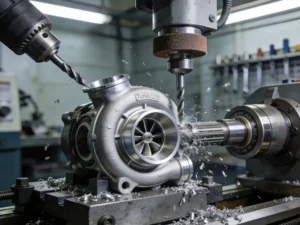
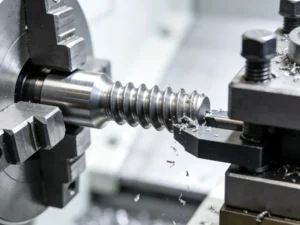
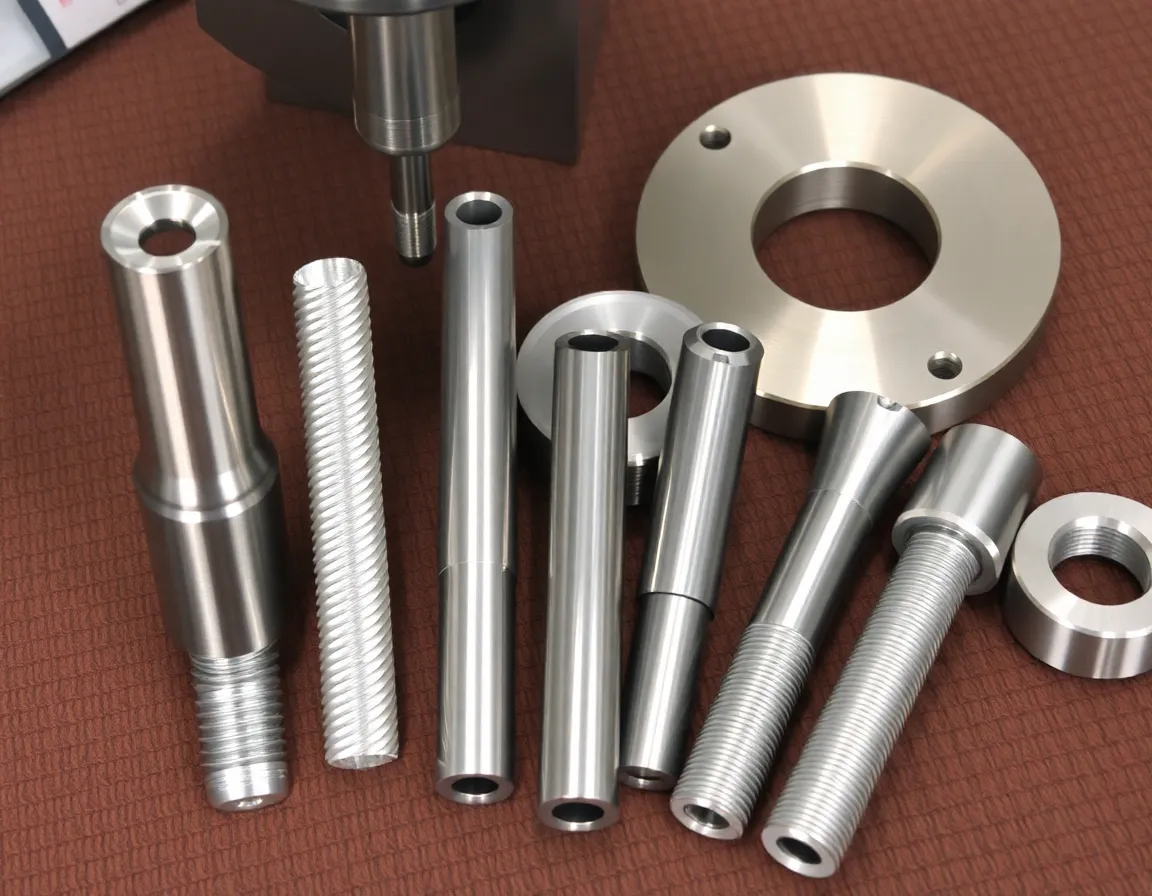
CNC(コンピュータ数値制御)フライス加工は、事前にプログラムされたコンピュータソフトウェアが工場の工具と機械の動きを指示する除去加工プロセスです。アルミニウム、鋼、チタンなどの金属からプラスチックや複合材料まで、幅広い材料を複雑で高公差の部品に成形できます。CNCフライス加工部品メーカーはこれらの高度な機械を操作しますが、その価値は単に「スタート」を押すことをはるかに超えています。"
その状況は、試作を専門とする小規模なジョブショップから、無人運転を行う大規模生産工場まで多岐にわたります。一部のメーカーは垂直統合型で、製造設計(DFM)、仕上げ、組立などの追加サービスを提供する一方、他のメーカーはフライス加工プロセスのみに注力しています。このスペクトルを認識することが、特定のプロジェクト段階と生産量のニーズに合致する能力を持つパートナーに検索を絞る第一歩です。.
CNCフライス加工パートナーを評価するための主要基準
Choosing a partner requires a multi-faceted evaluation. Look beyond a simple quote and delve into the following core areas.
技術能力と設備
The heart of any milling operation is its machinery. A partner's equipment list speaks volumes about their capacity and specialization.
- Machine Variety and Age: Do they offer 3-axis, 4-axis, or 5-axis milling? 5-axis capability, for instance, is crucial for complex geometries and reduces setups, improving accuracy. Modern, well-maintained machines also ensure tighter tolerances and repeatability.
- Material Expertise: Verify they have proven experience milling your specific material. Machining aerospace-grade titanium requires different expertise and tooling than machining Delrin.
- Metrology and Quality Control:In-house inspection equipment like Coordinate Measuring Machines (CMM), optical comparators, and surface testers are non-negotiable for validating part dimensions against your CAD model.
Engineering Expertise and Design for Manufacturability (DFM)
The most significant cost and time savings often occur before the first tool touches metal. A superior partner will provide proactive DFM feedback.
This means their engineers will analyze your design to suggest modifications that improve machinability without compromising function—such as adjusting internal corner radii, optimizing wall thickness, or recommending slight tolerancing changes that are easier to hold. A partner that simply accepts your files without question may lead to unexpected costs and delays down the line.
Quality Certifications and Processes
Certifications are an objective benchmark of a manufacturer's commitment to systematic quality management.
- ISO 9001: The baseline for a quality management system, ensuring consistent processes and continuous improvement.
- AS9100:Essential for aerospace, defense, and space industries, adding rigorous safety, traceability, and risk management requirements.
- ITAR & Nadcap:For manufacturers handling controlled defense-related data or specialized processes like aerospace welding.
Ask about their First Article Inspection (FAI) process, how they handle non-conforming parts, and their documentation trail.
Production Capacity and Scalability
Align their capacity with your project scope. A prototype shop might be perfect for your initial 10 units but struggle with a production order of 10,000. Discuss:
- Lead times for both prototyping and production runs.
- Their ability to scale up or down with your demand.
- Shop floor size and number of employees to gauge their true capacity.
The Partnership Dynamic: Communication and Collaboration
Technical specs are vital, but the human and procedural elements of the partnership ultimately determine its smoothness and success.
コミュニケーションとプロジェクト管理
Clear, responsive communication is the glue that holds a project together. Evaluate their responsiveness during the quoting stage. Do they assign a dedicated project manager or point of contact? Understand their preferred tools for updates—whether through a project portal, regular email updates, or scheduled calls. A partner who communicates proactively about potential delays or challenges is far more valuable than one who remains silent until a deadline is missed.
Supply Chain and Additional Services
A truly valuable partner can often streamline your entire supply chain. Many top-tier CNC milling manufacturers offer value-added services that turn them into a one-stop shop:
- 二次加工: Anodizing, plating, powder coating, heat treating, silk screening.
- Assembly and Kitting:Full assembly of your milled parts with other components.
- Material Sourcing:Leveraging their supplier relationships to procure raw material, often at better rates and with guaranteed certifications.
Consolidating these steps under one roof improves coordination, reduces shipping costs and complexity, and minimizes liability.
Cultural Fit and Problem-Solving Approach
Do they feel like an extension of your team? Look for a partner whose business culture aligns with yours—whether that's a focus on innovation, relentless quality, or agile responsiveness. Gauge their problem-solving mindset. When presented with a challenge, do they immediately collaborate on solutions, or do they place blame? The right partner views obstacles as shared problems to overcome.
A Practical Guide to the Selection Process
With your criteria defined, follow a structured process to make your final decision.
1. Create a Detailed Request for Quotation (RFQ)
Provide potential partners with a comprehensive package: detailed 2D drawings (with GD&T if applicable) and 3D CAD models (STEP or IGES files), material specifications, quantity breaks (prototype, low-volume, high-volume), required surface finishes, and any applicable industry standards. The more information you provide, the more accurate and comparable the quotes will be.
2. Conduct a Rigorous Supplier Audit
If the project is substantial, an on-site audit is invaluable. If not feasible, a virtual tour and detailed Q&A session are essential. Observe shop floor organization (a clean, organized shop is a telling sign), ask to see examples of similar parts they've produced, and interview the engineers and project managers you'd be working with.
3. Analyze Quotes Holistically
Do not default to the lowest price. Analyze the 総所有コスト. A slightly higher per-part cost from a partner offering robust DFM, impeccable quality with zero defects, and integrated finishing may be far cheaper in the long run than a low-ball quote that results in delayed timelines, failed inspections, and administrative hassle.
4. Start with a Test Project
Before committing to a large production order, initiate the partnership with a smaller, non-critical prototype or production run. This pilot project is a low-risk way to evaluate their communication, quality, documentation, and packaging/shipping in a real-world scenario.
Choosing a CNC milling parts manufacturer is a strategic investment. By meticulously evaluating technical capabilities, quality systems, communication practices, and cultural fit, you move beyond a transactional relationship to build a true manufacturing partnership. This partner becomes a critical ally in bringing your designs to life with precision, reliability, and efficiency, ultimately contributing to the strength and success of your products in the marketplace. Take the time to choose wisely—your future self will thank you.