In the intricate dance of modern manufacturing, CNC milling stands as a cornerstone process, transforming digital designs into precise, tangible parts. Whether you're a startup engineering a new product or an established OEM looking to optimize your supply chain, selecting the right CNC milling parts manufacturer is a decision that reverberates through your project's cost, quality, and timeline. This choice is not merely about finding a vendor; it's about forging a partnership with a collaborator who understands your vision and possesses the technical prowess to realize it. This comprehensive guide will walk you through the critical steps and considerations to ensure you choose a CNC milling partner that drives your success.
Understanding the CNC Milling Manufacturing Landscape
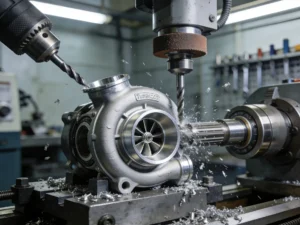
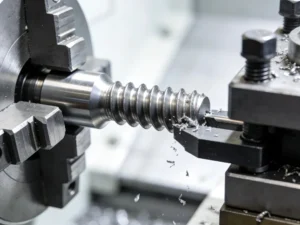
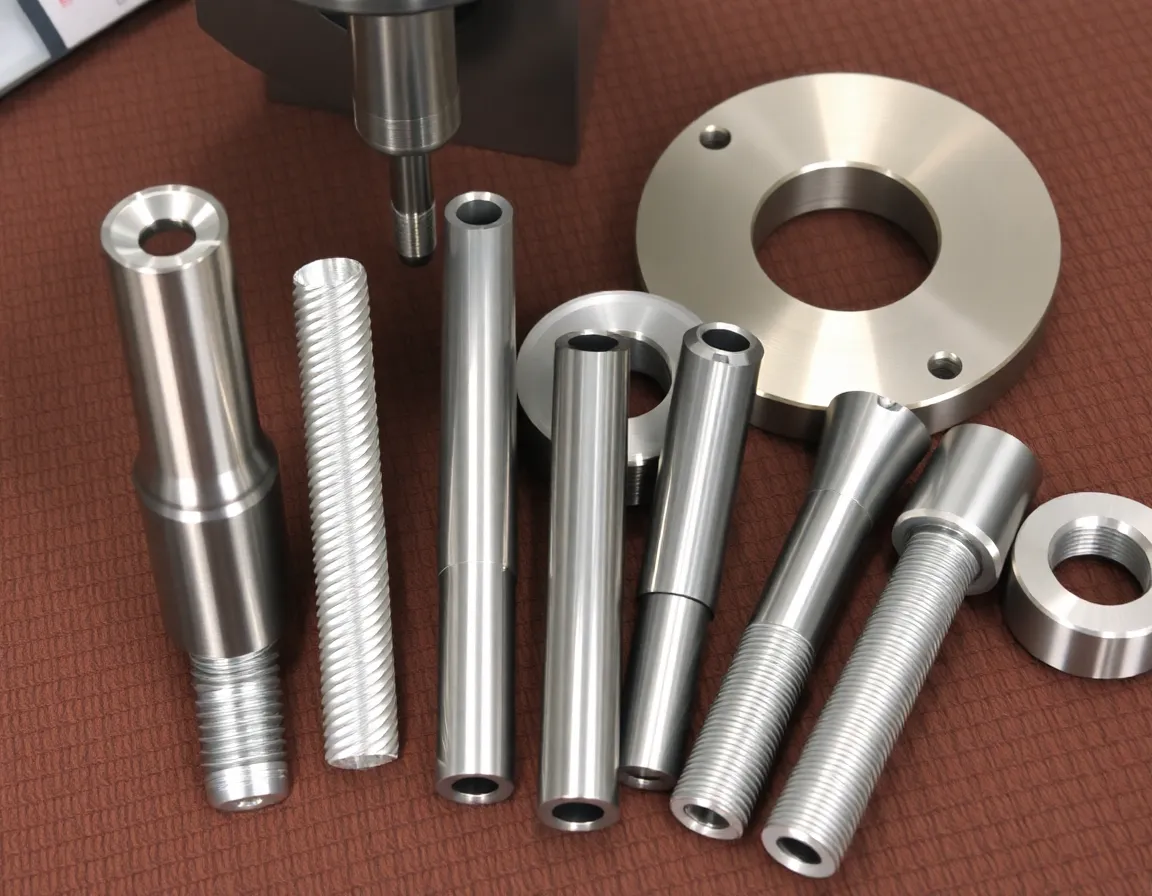
CNC (Computer Numerical Control) milling is a subtractive manufacturing process where pre-programmed computer software dictates the movement of factory tools and machinery. It can shape a wide array of materials—from metals like aluminum, steel, and titanium to plastics and composites—into complex, high-tolerance components. A CNC milling parts manufacturer operates these sophisticated machines, but their value extends far beyond simply pressing "start."
The landscape varies from small job shops specializing in prototypes to large-scale production houses running lights-out operations. Some manufacturers are verticalized, offering additional services like design for manufacturability (DFM), finishing, and assembly, while others focus solely on the milling process. Recognizing this spectrum is the first step in narrowing your search to partners whose capabilities align with your specific project phase and volume needs.
Key Criteria for Evaluating a CNC Milling Partner
Choosing a partner requires a multi-faceted evaluation. Look beyond a simple quote and delve into the following core areas.
Technical Capabilities and Equipment
The heart of any milling operation is its machinery. A partner's equipment list speaks volumes about their capacity and specialization.
- Machine Variety and Age: Do they offer 3-axis, 4-axis, or 5-axis milling? 5-axis capability, for instance, is crucial for complex geometries and reduces setups, improving accuracy. Modern, well-maintained machines also ensure tighter tolerances and repeatability.
- Material Expertise: Verify they have proven experience milling your specific material. Machining aerospace-grade titanium requires different expertise and tooling than machining Delrin.
- Metrology and Quality Control:In-house inspection equipment like Coordinate Measuring Machines (CMM), optical comparators, and surface testers are non-negotiable for validating part dimensions against your CAD model.
Engineering Expertise and Design for Manufacturability (DFM)
The most significant cost and time savings often occur before the first tool touches metal. A superior partner will provide proactive DFM feedback.
This means their engineers will analyze your design to suggest modifications that improve machinability without compromising function—such as adjusting internal corner radii, optimizing wall thickness, or recommending slight tolerancing changes that are easier to hold. A partner that simply accepts your files without question may lead to unexpected costs and delays down the line.
Quality Certifications and Processes
Certifications are an objective benchmark of a manufacturer's commitment to systematic quality management.
- ISO 9001: The baseline for a quality management system, ensuring consistent processes and continuous improvement.
- AS9100:Essential for aerospace, defense, and space industries, adding rigorous safety, traceability, and risk management requirements.
- ITAR & Nadcap:For manufacturers handling controlled defense-related data or specialized processes like aerospace welding.
Ask about their First Article Inspection (FAI) process, how they handle non-conforming parts, and their documentation trail.
Production Capacity and Scalability
Align their capacity with your project scope. A prototype shop might be perfect for your initial 10 units but struggle with a production order of 10,000. Discuss:
- Lead times for both prototyping and production runs.
- Their ability to scale up or down with your demand.
- Shop floor size and number of employees to gauge their true capacity.
The Partnership Dynamic: Communication and Collaboration
Technical specs are vital, but the human and procedural elements of the partnership ultimately determine its smoothness and success.
Communication and Project Management
Clear, responsive communication is the glue that holds a project together. Evaluate their responsiveness during the quoting stage. Do they assign a dedicated project manager or point of contact? Understand their preferred tools for updates—whether through a project portal, regular email updates, or scheduled calls. A partner who communicates proactively about potential delays or challenges is far more valuable than one who remains silent until a deadline is missed.
Supply Chain and Additional Services
A truly valuable partner can often streamline your entire supply chain. Many top-tier CNC milling manufacturers offer value-added services that turn them into a one-stop shop:
- Secondary Operations: Anodizing, plating, powder coating, heat treating, silk screening.
- Assembly and Kitting:Full assembly of your milled parts with other components.
- Material Sourcing:Leveraging their supplier relationships to procure raw material, often at better rates and with guaranteed certifications.
Consolidating these steps under one roof improves coordination, reduces shipping costs and complexity, and minimizes liability.
Cultural Fit and Problem-Solving Approach
Do they feel like an extension of your team? Look for a partner whose business culture aligns with yours—whether that's a focus on innovation, relentless quality, or agile responsiveness. Gauge their problem-solving mindset. When presented with a challenge, do they immediately collaborate on solutions, or do they place blame? The right partner views obstacles as shared problems to overcome.
A Practical Guide to the Selection Process
With your criteria defined, follow a structured process to make your final decision.
1. Create a Detailed Request for Quotation (RFQ)
Provide potential partners with a comprehensive package: detailed 2D drawings (with GD&T if applicable) and 3D CAD models (STEP or IGES files), material specifications, quantity breaks (prototype, low-volume, high-volume), required surface finishes, and any applicable industry standards. The more information you provide, the more accurate and comparable the quotes will be.
2. Conduct a Rigorous Supplier Audit
If the project is substantial, an on-site audit is invaluable. If not feasible, a virtual tour and detailed Q&A session are essential. Observe shop floor organization (a clean, organized shop is a telling sign), ask to see examples of similar parts they've produced, and interview the engineers and project managers you'd be working with.
3. Analyze Quotes Holistically
Do not default to the lowest price. Analyze the total cost of ownership. A slightly higher per-part cost from a partner offering robust DFM, impeccable quality with zero defects, and integrated finishing may be far cheaper in the long run than a low-ball quote that results in delayed timelines, failed inspections, and administrative hassle.
4. Start with a Test Project
Before committing to a large production order, initiate the partnership with a smaller, non-critical prototype or production run. This pilot project is a low-risk way to evaluate their communication, quality, documentation, and packaging/shipping in a real-world scenario.
Choosing a CNC milling parts manufacturer is a strategic investment. By meticulously evaluating technical capabilities, quality systems, communication practices, and cultural fit, you move beyond a transactional relationship to build a true manufacturing partnership. This partner becomes a critical ally in bringing your designs to life with precision, reliability, and efficiency, ultimately contributing to the strength and success of your products in the marketplace. Take the time to choose wisely—your future self will thank you.