
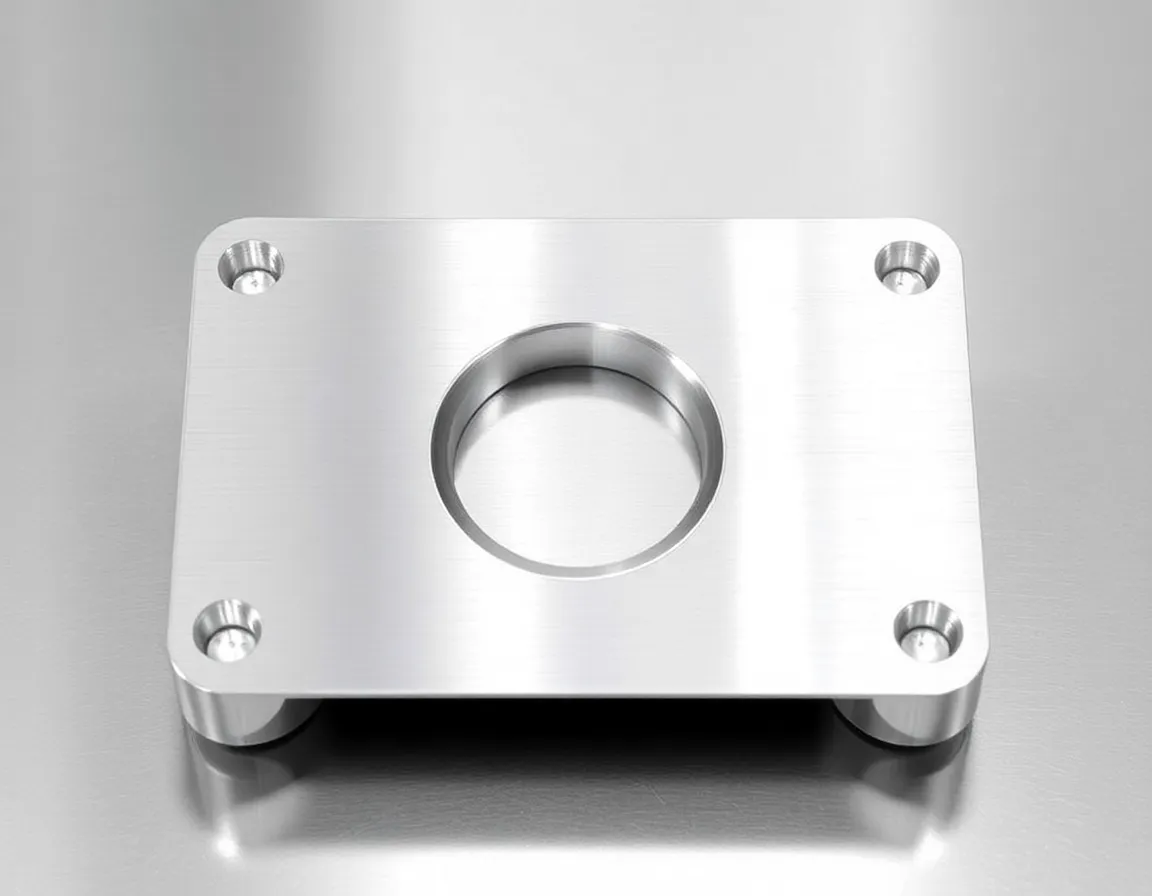
亜鉛プロトタイプ加工の概要
製品開発のペースが速い世界では、機能性が高く高品質なプロトタイプを迅速に作成する能力が、設計コンセプトの検証や市場投入までの時間短縮に不可欠です。プロトタイピングに利用可能なさまざまな材料の中で、亜鉛は特に多用途で有利な選択肢として浮上しており、特に次の分野で注目されています。 亜鉛プロトタイプ加工. 。この専門的な製造プロセスでは、コンピュータ数値制御(CNC)工作機械を用いて亜鉛合金から材料を精密に除去し、正確で耐久性があり、しばしば複雑なプロトタイプ部品を作成します。3Dプリンティングや従来の鋳造とは異なり、亜鉛プロトタイプ加工は、機械的特性、中小量生産におけるコスト効率、そして最終用途の量産部品の特性に近い優れた表面仕上げという独自の組み合わせを提供します。本記事では、亜鉛プロトタイプ加工について、その基礎、動作原理、利点、用途、最適な結果を得るためのベストプラクティスを含めて包括的に解説します。.
亜鉛プロトタイプ加工とは何か?
亜鉛プロトタイプ加工とは、亜鉛合金の固体ブロックまたはビレットからプロトタイプ部品を作成するサブトラクティブ製造プロセスを指します。このプロセスでは主に、 CNCフライス加工,旋削加工, 、そしてドリル加工などの操作を利用して、精密なデジタル設計仕様(通常はCADファイル)に従って材料を成形します。このプロセスで最も一般的に使用される亜鉛合金は、Zamak 3,Zamak 5, 、そしてZA-8, であり、それぞれが異なるプロトタイピングのニーズに適した独自の特性を備えています。例えばZamak 3は優れた鋳造性と寸法安定性で知られ、ZA-8はより高い強度と硬度を提供するため、荷重を受ける部品の機能試験に最適です。.
機械加工用亜鉛合金の主要特性
亜鉛合金は、その固有の材料特性により、試作機械加工に特に適しています。亜鉛合金は 優れた被削性, という特性を示し、高速で切削しても工具摩耗が最小限に抑えられるため、サイクルタイムと生産コストを削減できます。さらに、亜鉛合金は高い熱伝導率を備えているため、機械加工中の放熱が効率的に行われ、厳しい公差の維持や熱変形の防止に役立ちます。また、その自然な潤滑性が滑らかな切削作用に寄与し、二次研磨を必要としない優れた表面仕上げを実現します。さらに、亜鉛製試作品は優れた耐食性、導電性を備え、めっきや塗装も容易であるため、外観および機能評価に最適です。.
亜鉛試作機械加工の仕組み
亜鉛試作機械加工のプロセスは、デジタル設計、材料選定、精密機械加工を組み合わせた体系的なワークフローに従います。各ステップを理解することは、設計意図を満たす高品質な試作品を実現するために不可欠です。.
ステップ1:設計とCADモデリング
このプロセスは、目的の部品の3次元CADモデルから始まります。エンジニアは、最小肉厚(通常0.5~1.0 mm)、内部半径、形状の抜け勾配など、亜鉛機械加工に固有の要件を考慮する必要があります。プラスチック加工とは異なり、亜鉛合金はより剛性が高いため、変形の大きなリスクなしに薄肉化や鋭い角を実現できます。その後、CADファイルはCAMプログラミング用に標準形式(例:STEPまたはIGES)に変換されます。.
ステップ2:CAMプログラミングとツールパス生成
コンピュータ支援製造(CAM)ソフトウェアを使用して、CADモデルは機械が読み取れるGコードに変換されます。この段階では、最適なツールパスの定義、適切な切削工具(例:粗加工および仕上げ加工用の超硬エンドミル)の選択、スピンドル回転数(亜鉛の場合は通常8,000~15,000 RPM)、送り速度、切込み深さなどの機械加工パラメータの設定を行います。. 高速機械加工戦略は、表面品質を維持しながら生産性を最大化するためにしばしば採用されます。CAMソフトウェアはまた、実際の生産開始前に衝突や工具破損の可能性を検出するため、機械加工プロセスをシミュレーションします。.
ステップ3:材料の準備とセットアップ
選択した亜鉛合金のソリッドブロックまたはビレットを選び、バイス、クランプ、または真空治具を使用してCNC機械の作業テーブルに確実に固定します。ワークピースは適切に位置合わせし、機械の座標系にゼロ点設定する必要があります。亜鉛の融点は比較的低い(Zamak合金で約380~420°C)ため、, 冷却液または圧縮空気を機械加工中に使用して熱の蓄積を防ぎます。熱が蓄積すると、材料が軟化したり切削工具に付着したりする可能性があります。.
ステップ4:機械加工操作
CNC機械はプログラムされたツールパスを実行し、一連の操作を行います:
- Roughing: Removes the bulk of material quickly, leaving a small allowance (0.2-0.5 mm) for finishing.
- Semi-Finishing:Refines the geometry and reduces the remaining stock.
- Finishing:Achieves the final dimensions, tolerances (often within ±0.025 mm), and surface finish (Ra 0.8-1.6 µm).
- 二次加工:Includes drilling, tapping, and threading, which are performed with specialized tools to create precise holes and threads.
ステップ5:後処理および品質検査
After machining, the prototype is carefully removed from the machine. Deburring is performed to remove sharp edges and burrs, often using manual tools or vibratory finishing. The part is then inspected using coordinate measuring machines (CMM), optical comparators, or surface profilometers to verify dimensional accuracy and surface quality. If required, additional post-processing such as electroplating(e.g., chrome or nickel plating), powder coating, or anodizing can be applied to enhance appearance or corrosion resistance.
Benefits of Zinc Prototype Machining
Zinc prototype machining offers a distinct set of advantages over other prototyping methods, such as 3D printing (additive manufacturing) or investment casting. These benefits make it a preferred choice for specific applications.
Superior Mechanical Properties
Zinc alloys provide high tensile strength(up to 400 MPa for ZA-8), excellent impact resistance, and good ductility. Unlike plastic prototypes, zinc parts can withstand significant mechanical stress, making them suitable for functional testing under real-world conditions. This is particularly valuable for components in automotive, aerospace, and industrial machinery where structural integrity is non-negotiable.
Exceptional Surface Finish and Aesthetics
Machined zinc prototypes achieve a smooth, shiny surface directly from the machine, often eliminating the need for post-processing. This is a major advantage over 3D-printed prototypes, which typically exhibit layer lines and require sanding or chemical smoothing. The ability to produce mirror-like finishesallows designers to evaluate the visual appeal of a product without additional cost.
少量から中量生産におけるコスト効率
For prototype runs of 1 to 100 parts, CNC machining of zinc is generally more economical than creating injection molds for die casting. The absence of tooling costs and the ability to iterate designs quickly reduce overall project expenses. Additionally, zinc's machinability translates to shorter cycle times, lowering per-part costs.
Rapid Turnaround and Design Iteration
With advanced CNC technology and efficient CAM programming, zinc prototype machining can deliver parts in as little as 1-3 business days. This speed enables engineers to test multiple design iterations, identify flaws early, and refine the product before committing to expensive production tooling.
Dimensional Accuracy and Repeatability
CNC machining offers exceptional precision, with tolerances as tight as ±0.01 mm achievable on zinc prototypes. This level of accuracy is critical for parts that must fit into assemblies with other components, such as gears, housings, or connectors. Furthermore, the process is highly repeatable, ensuring that multiple prototypes are identical.
Applications of Zinc Prototype Machining
The unique properties of zinc alloys make them suitable for a wide range of industries and applications. Below are some of the most common use cases.
Automotive and Transportation
Zinc prototypes are extensively used in the automotive sector for components such as 燃料系統部品,sensor housings,door lock mechanisms, 、そしてbrake system components. The ability to test these parts under high stress and temperature conditions ensures safety and reliability before mass production via die casting.
家電製品およびハードウェア
For electronic devices, zinc prototypes are ideal for connector shells,hinges,camera bodies, 、そしてaudio equipment housings. The material's excellent electromagnetic shielding properties and aesthetic appeal make it a popular choice for premium products.
Industrial Machinery and Equipment
In industrial settings, zinc prototypes are used for pneumatic components,valve bodies,pump impellers, 、そしてgears. The high wear resistance and dimensional stability of zinc alloys ensure that prototypes can be tested in harsh operating environments.
医療および歯科用デバイス
While less common than stainless steel or titanium, zinc is used for prototyping certain surgical instrument handlesおよびdiagnostic equipment housingsdue to its ease of sterilization and non-magnetic properties. However, careful consideration must be given to biocompatibility requirements.
航空宇宙および防衛
Zinc prototypes are employed in non-structural aerospace components such as アビオニクス筐体,connector brackets, 、そしてcontrol system parts. The material's ability to be machined to tight tolerances and its resistance to corrosion from fuels and hydraulic fluids are key advantages.
Best Practices for Zinc Prototype Machining
To maximize the success of a zinc prototype machining project, engineers and machinists should adhere to a set of best practices that optimize quality, efficiency, and cost.
Select the Right Zinc Alloy
Not all zinc alloys are created equal. For prototypes requiring high impact strength and good castability, Zamak 3is often the default choice. For higher strength and hardness,Zamak 5(with added copper) is recommended. For applications demanding extreme wear resistance or high-temperature performance,ZA-8またはZamak 7may be more appropriate. Consult with material suppliers to match the alloy to the prototype's functional requirements.
切削パラメータの最適化
Zinc's low melting point requires careful control of cutting speeds and feeds. Using high spindle speeds(10,000-20,000 RPM) with moderate feed rates helps maintain a continuous chip flow and prevents heat buildup. Applying a mist coolant or compressed air is essential to keep the cutting zone cool. Avoid using water-based coolants that can cause corrosion, as zinc is reactive with acidic or alkaline solutions.
Use Sharp, High-Quality Cutting Tools
Carbide tools with sharp edges and polished flutes are preferred for zinc machining. Diamond-like carbon (DLC) coated toolscan further reduce friction and prevent material adhesion. For finishing operations, use tools with a larger number of flutes (e.g., 4 or 5 flutes) to achieve a superior surface finish. Regularly inspect tools for wear, as dull tools can cause chatter and poor dimensional accuracy.
加工性のための設計(DFM)
Incorporating design-for-manufacturing principles is crucial. Avoid sharp internal corners, as they require small tools and increase machining time. Instead, use radiused corners(R = 0.5 mm minimum). Ensure adequate wall thickness (at least 0.5 mm for small parts) to prevent deformation during machining. Include generous draft angles (1-3 degrees) for features that may require secondary operations like plating.
Implement Effective Chip Management
Zinc produces fine, stringy chips that can clog tool paths and cause surface damage. Use high-pressure coolant or chip breakers to manage chip evacuation. Regularly clean the work area and machine tool to prevent chip re-cutting, which can degrade surface finish and tool life.
Conduct Thorough Quality Control
After machining, verify all critical dimensions using calibrated instruments. Perform a 初品検査(FAI)to ensure the prototype matches the CAD model. For functional prototypes, conduct stress tests, thermal cycling, or environmental exposure tests as required. Document all deviations and adjust CAM parameters accordingly for subsequent iterations.
結論
Zinc prototype machining stands as a powerful and versatile method for producing high-quality, functional prototypes that bridge the gap between design concept and mass production. By leveraging the excellent machinability, mechanical properties, and aesthetic qualities of zinc alloys, engineers can rapidly validate designs, test performance under real-world conditions, and refine products with confidence. While additive manufacturing and casting have their places, CNC machining of zinc remains unmatched for applications requiring tight tolerances, superior surface finishes, and robust material characteristics. By following best practices in material selection, tooling, parameter optimization, and quality control, manufacturers can unlock the full potential of this process, accelerating innovation and reducing time-to-market for a wide array of industries. Whether you are developing a new automotive component, a consumer electronics housing, or an industrial machine part, zinc prototype machining offers a reliable, cost-effective, and efficient path from idea to reality.