
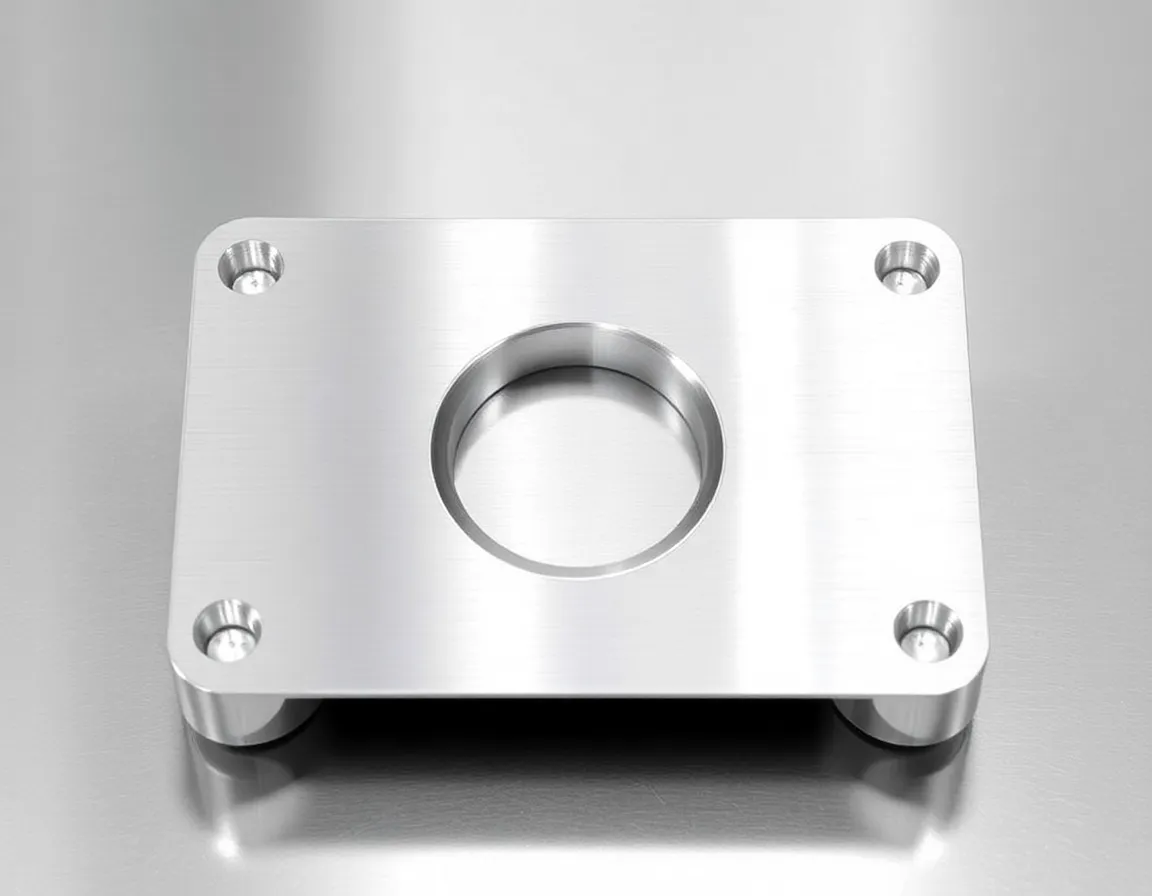
Introduction to Zinc Prototype Machining
In the fast-paced world of product development, the ability to rapidly create functional, high-quality prototypes is essential for validating design concepts and accelerating time-to-market. Among the various materials available for prototyping, zinc has emerged as a highly versatile and advantageous choice, particularly in the realm of zinc prototype machining. This specialized manufacturing process involves the precise removal of material from zinc alloys using computer numerical control (CNC) machines to create accurate, durable, and often complex prototype parts. Unlike 3D printing or traditional casting, zinc prototype machining offers a unique combination of mechanical properties, cost-effectiveness for low-to-medium volumes, and exceptional surface finish that closely mimics the characteristics of end-use production parts. This article provides a comprehensive exploration of zinc prototype machining, covering its fundamentals, working principles, benefits, applications, and best practices for achieving optimal results.
What is Zinc Prototype Machining?
Zinc prototype machining refers to the subtractive manufacturing process of creating prototype components from solid blocks or billets of zinc alloys. The process primarily utilizes CNC milling,turning, anddrillingoperations to shape the material according to precise digital design specifications (typically CAD files). The most common zinc alloys used in this process areZamak 3,Zamak 5, andZA-8, each offering distinct properties suited for different prototyping needs. Zamak 3, for instance, is renowned for its excellent castability and dimensional stability, while ZA-8 provides higher strength and hardness, making it ideal for functional testing of load-bearing components.
Key Properties of Zinc Alloys for Machining
Zinc alloys are particularly well-suited for prototype machining due to their inherent material characteristics. They exhibit excellent machinability, which means they can be cut at high speeds with minimal tool wear, reducing cycle times and production costs. Additionally, zinc alloys possess high thermal conductivity, allowing for efficient heat dissipation during machining, which helps maintain tight tolerances and prevents thermal distortion. Their natural lubricity also contributes to a smooth cutting action, resulting in superior surface finishes that often require no secondary polishing. Furthermore, zinc prototypes offer good corrosion resistance, electrical conductivity, and the ability to be easily plated or painted, making them ideal for aesthetic and functional evaluations.
How Zinc Prototype Machining Works
The process of zinc prototype machining follows a systematic workflow that combines digital design, material selection, and precision machining. Understanding each step is critical for achieving high-quality prototypes that meet design intent.
Step 1: Design and CAD Modeling
The journey begins with a three-dimensional CAD model of the desired part. Engineers must consider the specific requirements of zinc machining, such as minimum wall thickness (typically 0.5-1.0 mm), internal radii, and draft angles for features. Unlike plastic machining, zinc alloys are more rigid, allowing for thinner walls and sharper corners without significant risk of deformation. The CAD file is then converted into a standard format (e.g., STEP or IGES) for CAM programming.
Step 2: CAM Programming and Toolpath Generation
Using Computer-Aided Manufacturing (CAM) software, the CAD model is translated into machine-readable G-code. This stage involves defining optimal toolpaths, selecting appropriate cutting tools (e.g., carbide end mills for roughing and finishing), and setting machining parameters such as spindle speed (typically 8,000-15,000 RPM for zinc), feed rate, and depth of cut. High-speed machining strategiesare often employed to maximize productivity while maintaining surface quality. CAM software also simulates the machining process to detect potential collisions or tool breakage before actual production begins.
Step 3: Material Preparation and Setup
A solid block or billet of the chosen zinc alloy is selected and securely mounted onto the CNC machine's worktable using vises, clamps, or vacuum fixtures. The workpiece must be properly aligned and zeroed to the machine's coordinate system. Due to zinc's relatively low melting point (approximately 380-420°C for Zamak alloys), coolant or compressed airis used during machining to prevent heat buildup, which could cause the material to soften or gum up the cutting tools.
Step 4: Machining Operations
The CNC machine executes the programmed toolpaths, performing a series of operations:
- Roughing: Removes the bulk of material quickly, leaving a small allowance (0.2-0.5 mm) for finishing.
- Semi-Finishing:Refines the geometry and reduces the remaining stock.
- Finishing:Achieves the final dimensions, tolerances (often within ±0.025 mm), and surface finish (Ra 0.8-1.6 µm).
- Secondary Operations:Includes drilling, tapping, and threading, which are performed with specialized tools to create precise holes and threads.
Step 5: Post-Processing and Quality Inspection
After machining, the prototype is carefully removed from the machine. Deburring is performed to remove sharp edges and burrs, often using manual tools or vibratory finishing. The part is then inspected using coordinate measuring machines (CMM), optical comparators, or surface profilometers to verify dimensional accuracy and surface quality. If required, additional post-processing such as electroplating(e.g., chrome or nickel plating), powder coating, or anodizing can be applied to enhance appearance or corrosion resistance.
Benefits of Zinc Prototype Machining
Zinc prototype machining offers a distinct set of advantages over other prototyping methods, such as 3D printing (additive manufacturing) or investment casting. These benefits make it a preferred choice for specific applications.
Superior Mechanical Properties
Zinc alloys provide high tensile strength(up to 400 MPa for ZA-8), excellent impact resistance, and good ductility. Unlike plastic prototypes, zinc parts can withstand significant mechanical stress, making them suitable for functional testing under real-world conditions. This is particularly valuable for components in automotive, aerospace, and industrial machinery where structural integrity is non-negotiable.
Exceptional Surface Finish and Aesthetics
Machined zinc prototypes achieve a smooth, shiny surface directly from the machine, often eliminating the need for post-processing. This is a major advantage over 3D-printed prototypes, which typically exhibit layer lines and require sanding or chemical smoothing. The ability to produce mirror-like finishesallows designers to evaluate the visual appeal of a product without additional cost.
Cost-Effectiveness for Low-to-Medium Volumes
For prototype runs of 1 to 100 parts, CNC machining of zinc is generally more economical than creating injection molds for die casting. The absence of tooling costs and the ability to iterate designs quickly reduce overall project expenses. Additionally, zinc's machinability translates to shorter cycle times, lowering per-part costs.
Rapid Turnaround and Design Iteration
With advanced CNC technology and efficient CAM programming, zinc prototype machining can deliver parts in as little as 1-3 business days. This speed enables engineers to test multiple design iterations, identify flaws early, and refine the product before committing to expensive production tooling.
Dimensional Accuracy and Repeatability
CNC machining offers exceptional precision, with tolerances as tight as ±0.01 mm achievable on zinc prototypes. This level of accuracy is critical for parts that must fit into assemblies with other components, such as gears, housings, or connectors. Furthermore, the process is highly repeatable, ensuring that multiple prototypes are identical.
Applications of Zinc Prototype Machining
The unique properties of zinc alloys make them suitable for a wide range of industries and applications. Below are some of the most common use cases.
Automotive and Transportation
Zinc prototypes are extensively used in the automotive sector for components such as fuel system parts,sensor housings,door lock mechanisms, andbrake system components. The ability to test these parts under high stress and temperature conditions ensures safety and reliability before mass production via die casting.
Consumer Electronics and Hardware
For electronic devices, zinc prototypes are ideal for connector shells,hinges,camera bodies, andaudio equipment housings. The material's excellent electromagnetic shielding properties and aesthetic appeal make it a popular choice for premium products.
Industrial Machinery and Equipment
In industrial settings, zinc prototypes are used for pneumatic components,valve bodies,pump impellers, andgears. The high wear resistance and dimensional stability of zinc alloys ensure that prototypes can be tested in harsh operating environments.
Medical and Dental Devices
While less common than stainless steel or titanium, zinc is used for prototyping certain surgical instrument handlesanddiagnostic equipment housingsdue to its ease of sterilization and non-magnetic properties. However, careful consideration must be given to biocompatibility requirements.
Aerospace and Defense
Zinc prototypes are employed in non-structural aerospace components such as avionics enclosures,connector brackets, andcontrol system parts. The material's ability to be machined to tight tolerances and its resistance to corrosion from fuels and hydraulic fluids are key advantages.
Best Practices for Zinc Prototype Machining
To maximize the success of a zinc prototype machining project, engineers and machinists should adhere to a set of best practices that optimize quality, efficiency, and cost.
Select the Right Zinc Alloy
Not all zinc alloys are created equal. For prototypes requiring high impact strength and good castability, Zamak 3is often the default choice. For higher strength and hardness,Zamak 5(with added copper) is recommended. For applications demanding extreme wear resistance or high-temperature performance,ZA-8orZamak 7may be more appropriate. Consult with material suppliers to match the alloy to the prototype's functional requirements.
Optimize Cutting Parameters
Zinc's low melting point requires careful control of cutting speeds and feeds. Using high spindle speeds(10,000-20,000 RPM) with moderate feed rates helps maintain a continuous chip flow and prevents heat buildup. Applying a mist coolant or compressed air is essential to keep the cutting zone cool. Avoid using water-based coolants that can cause corrosion, as zinc is reactive with acidic or alkaline solutions.
Use Sharp, High-Quality Cutting Tools
Carbide tools with sharp edges and polished flutes are preferred for zinc machining. Diamond-like carbon (DLC) coated toolscan further reduce friction and prevent material adhesion. For finishing operations, use tools with a larger number of flutes (e.g., 4 or 5 flutes) to achieve a superior surface finish. Regularly inspect tools for wear, as dull tools can cause chatter and poor dimensional accuracy.
Design for Machinability (DFM)
Incorporating design-for-manufacturing principles is crucial. Avoid sharp internal corners, as they require small tools and increase machining time. Instead, use radiused corners(R = 0.5 mm minimum). Ensure adequate wall thickness (at least 0.5 mm for small parts) to prevent deformation during machining. Include generous draft angles (1-3 degrees) for features that may require secondary operations like plating.
Implement Effective Chip Management
Zinc produces fine, stringy chips that can clog tool paths and cause surface damage. Use high-pressure coolant or chip breakers to manage chip evacuation. Regularly clean the work area and machine tool to prevent chip re-cutting, which can degrade surface finish and tool life.
Conduct Thorough Quality Control
After machining, verify all critical dimensions using calibrated instruments. Perform a first article inspection (FAI)to ensure the prototype matches the CAD model. For functional prototypes, conduct stress tests, thermal cycling, or environmental exposure tests as required. Document all deviations and adjust CAM parameters accordingly for subsequent iterations.
Conclusion
Zinc prototype machining stands as a powerful and versatile method for producing high-quality, functional prototypes that bridge the gap between design concept and mass production. By leveraging the excellent machinability, mechanical properties, and aesthetic qualities of zinc alloys, engineers can rapidly validate designs, test performance under real-world conditions, and refine products with confidence. While additive manufacturing and casting have their places, CNC machining of zinc remains unmatched for applications requiring tight tolerances, superior surface finishes, and robust material characteristics. By following best practices in material selection, tooling, parameter optimization, and quality control, manufacturers can unlock the full potential of this process, accelerating innovation and reducing time-to-market for a wide array of industries. Whether you are developing a new automotive component, a consumer electronics housing, or an industrial machine part, zinc prototype machining offers a reliable, cost-effective, and efficient path from idea to reality.