現代工学の見えない背骨:精密CNCミリングステンレス鋼
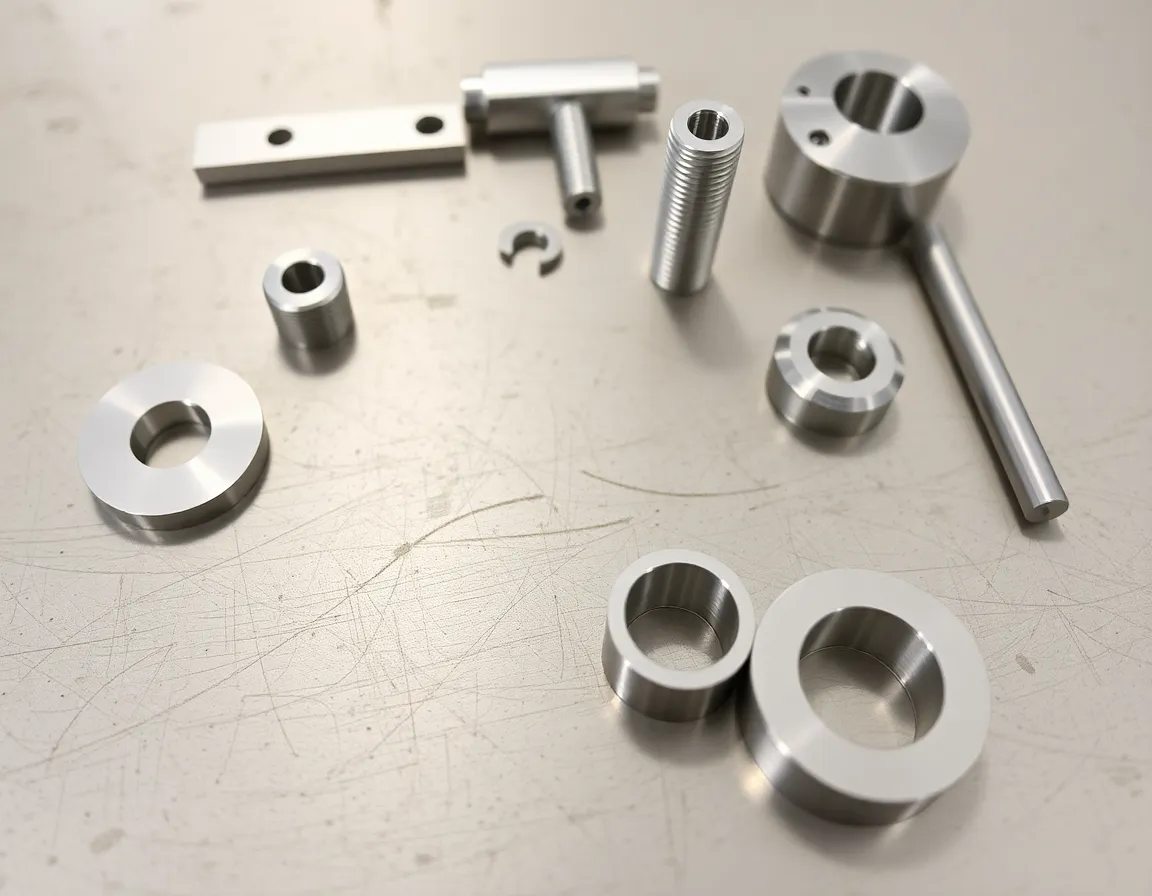
公差がミクロン単位で測定され、信頼性が譲れない高度な製造の世界において、精密CNCミリングステンレス鋼コンポーネントは人類の工学技術の証として存在します。これらは単なる金属片ではなく、無数の製品やシステムの機能性、安全性、寿命を保証する重要な、しばしば目に見えない構成要素です。深海から宇宙空間まで、そして命を救う医療機器の複雑な機構の内部に至るまで、CNCミリングは堅牢なステンレス鋼合金を、比類のない精度と再現性で複雑な高性能部品へと変えます。.
CNCミリングステンレス鋼部品とは?
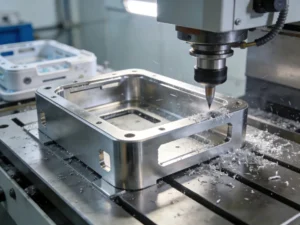
CNC(コンピュータ数値制御)ミリングは、事前にプログラムされたコンピュータソフトウェアが高速回転切削工具の動きを指示する除去加工プロセスです。これらの工具は、ブランクまたはワークピースと呼ばれるステンレス鋼の固体ブロックから材料を体系的に除去し、カスタム設計された部品を製作します。「精密」という側面は、しばしば±0.01mm以内またはそれ以上の極めて厳しい寸法公差と、達成可能な優れた表面仕上げを指します。.
プロセスは3D CAD(コンピュータ支援設計)モデルから始まり、それがCNCプログラム(Gコード)に変換され、X、Y、Z軸、およびしばしば追加の回転軸に沿ったあらゆる動きを機械に指示します。3軸から高度な5軸構成に至るミリングマシンは、これらの指示をロボットのような一貫性で実行し、304、316、17-4 PH、303ステンレス鋼などの材料からデジタル設計を物理的現実へと刻み込みます。.
ステンレス鋼のCNCミリングプロセス
ステンレス鋼の加工は、その強度、加工硬化傾向、熱的特性により独自の課題があります。したがって、専門的なプロセスが不可欠です:
- 設計とプログラミング: エンジニアとプログラマーはモデルとツールパスを準備し、応力と熱を最小限に抑えるためにステンレス鋼の特性に合わせて最適化します。.
- ワークホールディング: ステンレス鋼のブランクは、激しい切削中に動かないように、バイス、治具、または直接機械のベッドにしっかりとクランプされます。.
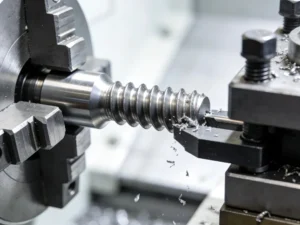
- 工具の選定と加工:専用の超硬またはコーティングされた切削工具を使用して、機械は一連の操作—フェーシング、ポケット加工、穴あけ、輪郭加工—を実行し、多くの場合、熱を管理し工具寿命を延ばすためにクーラントを使用します。.
- 多軸加工:複雑な形状の場合、5軸CNCフライス盤はワークピースまたはツールヘッドを回転させることができ、1回の段取りで5面にアクセスできるため、複雑なステンレス部品にとって重要です。.
- 仕上げと検査:部品は二次仕上げ(バリ取り、研磨、不動態化)を受けることがあり、座標測定機(CMM)やその他の計測ツールを使用して厳密に検査され、精度が検証されます。.
主な利点と長所
CNCフライス加工技術とステンレス鋼材料科学の組み合わせは、他の製造方法では匹敵するのが難しい、説得力のある一連の利点を提供します。.
卓越した材料特性
ステンレス鋼自体が完成部品に固有の利点をもたらします。特に316などのグレードでは、その優れた耐食性により、過酷な環境に最適です。高い強度対重量比、印象的な耐久性を提供し、広い温度範囲で完全性を維持できます。さらに、衛生的で滅菌が容易であり、食品、医療、製薬用途の前提条件です。.
比類のない精度と複雑さ
CNCフライス加工は、複雑な形状—入り組んだ輪郭、深いキャビティ、精密なねじ山、細かいディテール—を持つ部品の生産に優れており、手動加工では不可能か法外に高価になるでしょう。デジタルプロセスにより、生産実行のすべての部品が前回の完全なレプリカであることが保証され、人為的ミスを排除し、同一の精密部品の大量生産を可能にします。.
Enhanced Efficiency and Flexibility
While initial setup and programming require time, once complete, CNC mills can run unattended for hours, producing parts rapidly. Design changes are implemented by modifying the CAD/CAM software, allowing for rapid prototyping and iterative development without the need for new physical tools or fixtures.
Diverse Industry Applications
The unique properties of precision CNC milled stainless steel make it indispensable across a vast spectrum of high-stakes industries.
航空宇宙および防衛
In these sectors, failure is not an option. Components such as engine mounts, landing gear parts, sensor housings, and communication system parts are machined from high-grade stainless for its strength, fatigue resistance, and reliability under extreme stress and temperature fluctuations.
Medical and Life Sciences
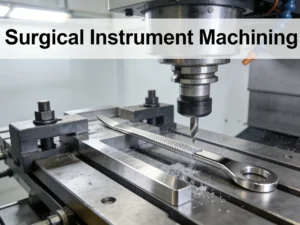
Surgical instruments, implantable device components, MRI machine parts, and dental tools rely on stainless steel for its biocompatibility and sterilizability. CNC milling provides the ultra-clean edges, micro-scale features, and flawless surfaces required for patient safety and device efficacy.
自動車およびモータースポーツ
From high-performance fuel injection systems and turbocharger components to custom fittings and sensor blocks, CNC milled stainless parts offer the durability needed under the hood and the precision required for optimal engine management and vehicle dynamics.
Food & Beverage and Marine
These environments are defined by exposure to corrosive elements: saltwater and moisture for marine applications, and caustic cleaning agents and acidic products in food processing. Stainless steel components like pump housings, valve bodies, and mixing nozzles resist corrosion, ensuring longevity and preventing contamination.
最適な結果を得るためのベストプラクティス
To fully leverage the potential of precision CNC milling for stainless steel, adherence to industry best practices is crucial from design through to production.
製造容易性設計(DFM)
Collaborating with your machining partner during the design phase is paramount. Good DFM for stainless steel includes:
- Specifying realistic tolerances—tighter tolerances exponentially increase cost.
- Incorporating appropriate fillet radii on internal corners to accommodate cutting tool sizes.
- Avoiding excessively deep, narrow cavities that are difficult to machine and tool.
- Considering the grain structure of the material for parts subject to high stress.
Material and Finish Selection
Choosing the correct stainless steel grade is fundamental. Is corrosion resistance the top priority (316L)? Is high strength needed (17-4 PH)? Is machinability key for cost-effectiveness (303)? Similarly, specifying the right surface finish—from a standard milled finish to a mirror polish or electropolish—affects both performance and cost.
Partnering with the Right Machine Shop
Not all machine shops are equipped to handle precision stainless steel work effectively. Look for a partner with:
- Modern, rigid CNC milling machines (especially 5-axis for complex parts).
- Experience and expertise in machining various stainless steel alloys.
- Advanced tooling and cooling systems to manage heat and work-hardening.
- Comprehensive in-house quality control and metrology equipment.
- A proven track record in your specific industry or application.
Conclusion: The Foundation of Innovation
Precision CNC milled stainless steel components are far more than just metal parts; they are the embodiment of material science and digital manufacturing converging to solve complex engineering challenges. Their role as the reliable, durable, and precise foundation in critical applications makes them a cornerstone of modern technological advancement. By understanding the process, benefits, and best practices outlined here, engineers and product developers can make informed decisions that lead to stronger, more reliable, and higher-performing products, pushing the boundaries of what is possible in an increasingly demanding industrial world.