
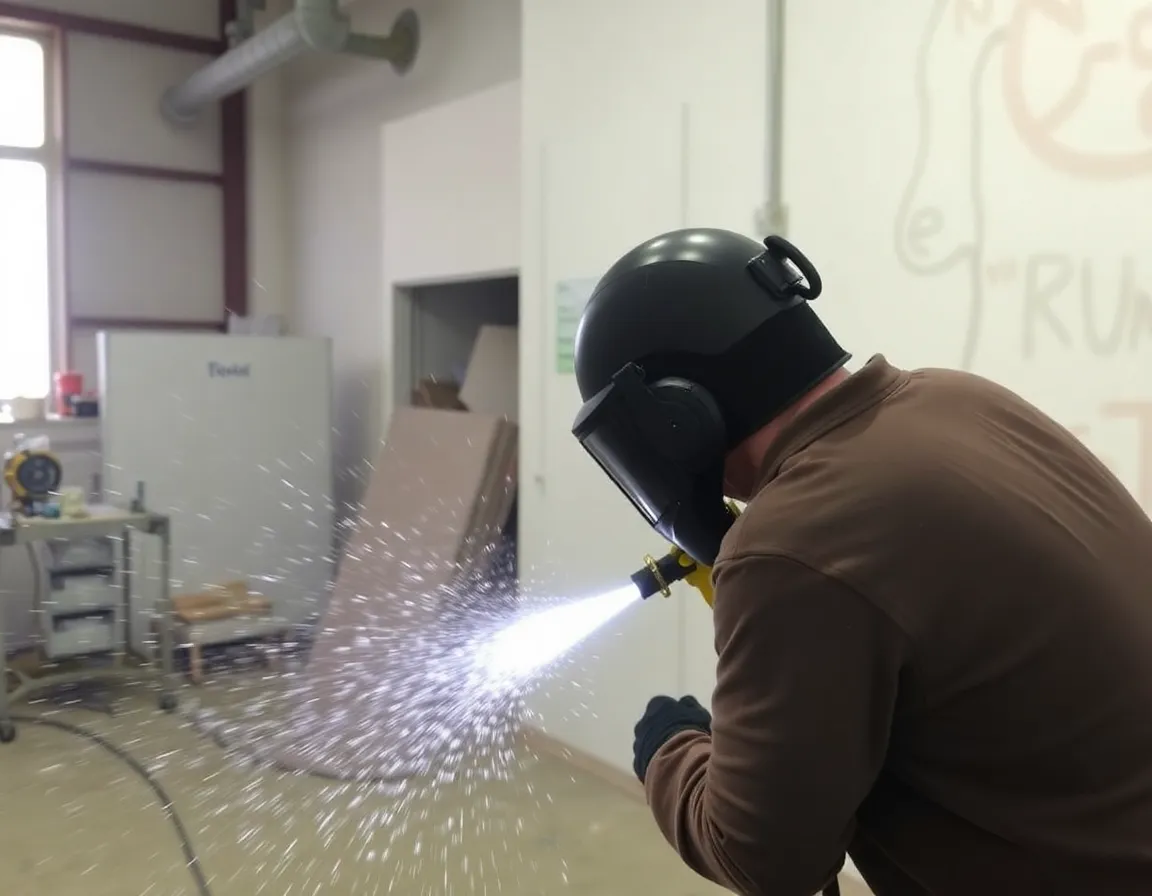
Che cos'è la sabbiatura a sfere? La scienza del restauro delicato
In un mondo in cui i componenti metallici costituiscono la spina dorsale di tutto, dalle auto d'epoca alla tecnologia aerospaziale, mantenerne l'integrità e l'aspetto è fondamentale. Tra l'arsenale di tecniche di trattamento superficiale, la sabbiatura a sfere si distingue come un processo straordinariamente efficace, versatile e non distruttivo. Alla base, la sabbiatura a sfere è una forma di sabbiatura abrasiva che utilizza mezzi sferici fini—tipicamente sfere di vetro—proiettati ad alta pressione per pulire, finire o preparare una superficie metallica. A differenza di metodi più aggressivi come la sabbiatura con sabbia, la sabbiatura a sfere è un processo più delicato progettato per rimuovere contaminanti e imperfezioni senza danneggiare il substrato sottostante. Il risultato è una finitura uniforme, liscia e satinata, opaca, che non solo appare professionale ma crea anche una superficie ideale per trattamenti successivi come verniciatura, rivestimento in polvere o anodizzazione.
Il genio della sabbiatura a sfere risiede nel suo equilibrio tra potenza e precisione. Rimuove efficacemente ruggine, incrostazioni, vecchia vernice, depositi di carbonio e corrosione superficiale, mentre contemporaneamente martella la superficie. Questa azione di martellamento, causata dall'impatto delle sfere rotonde, può effettivamente incrudire lo strato più superficiale del metallo, migliorandone la resistenza alla fatica. È la soluzione ideale quando l'obiettivo è il restauro senza alterazioni, preservando tolleranze critiche e il carattere originale del componente.
Come funziona la sabbiatura a sfere: una spiegazione passo dopo passo
Il processo di sabbiatura a sfere è un'applicazione controllata di fisica e ingegneria. Comprendere la meccanica rivela perché è così efficace per i lavori di restauro delicati.
L'attrezzatura e i mezzi
Il processo viene eseguito all'interno di una cabina o camera di sabbiatura specializzata. Le attrezzature principali includono una pistola di sabbiatura, un sistema di erogazione del materiale (una pentola a pressione o un sistema a aspirazione) e un sistema di recupero per separare il materiale usato dai detriti ai fini di un potenziale riciclo. Il protagonista assoluto è il materiale di sabbiatura stesso. Sebbene le microsfere di vetro siano le più comuni, la scelta del materiale è fondamentale e può essere adattata al lavoro:
- Microsfere di Vetro: La scelta standard, realizzate in vetro sodico-calcico senza piombo. Producono una finitura pulita, brillante e satinata e sono eccellenti per la pulizia e la finitura generiche.
- Microsfere Ceramiche: Più dure e resistenti del vetro, vengono utilizzate per pulizie più aggressive o per ottenere un profilo superficiale specifico su metalli più duri.
- Materiale Plastico: Ancora più morbido, utilizzato per la pulizia ultra-delicata di componenti sensibili come parti aeronautiche in alluminio o custodie elettroniche, senza variazioni dimensionali.
- Pallini in Acciaio Inossidabile: Utilizzati per sbavatura pesante, pallinatura e per creare un profilo superficiale più texturizzato.
Il Processo di Sabbiatura
L'operatore dirige un flusso di aria compressa miscelata con le microsfere scelte sulla superficie target. La velocità, l'angolo e la distanza della pistola di sabbiatura sono controllati con cura. Le microsfere sferiche impattano la superficie, frantumandosi al contatto. Questa micro-frantumazione è ciò che fa il lavoro: i bordi taglienti delle microsfere rotte agiscono come minuscoli raschietti, rimuovendo i contaminanti, mentre l'impatto delle microsfere intere stacca le particelle più grandi. Il materiale esausto e i contaminanti rimossi vengono poi aspirati via, lasciando una superficie impeccabilmente pulita e texturizzata. La dimensione delle microsfere (misurata in mesh) influenza direttamente la finitura finale: microsfere più fini creano una texture più liscia, mentre microsfere più grossolane producono una finitura opaca più pronunciata.
I Molteplici Vantaggi dei Servizi di Sabbiatura con Microsfere
Scegliere servizi professionali di sabbiatura con microsfere offre una serie convincente di vantaggi rispetto ai metodi di pulizia manuale o alle tecniche di sabbiatura più aggressive.
- Pulizia Non Distruttiva: Questo è il suo vantaggio distintivo. La sabbiatura con microsfere rimuove i materiali indesiderati senza incidere, deformare o modificare le dimensioni del metallo di base. Questo è cruciale per componenti del motore, parti lavorate meccanicamente e utensili delicati.
- Superior Surface Preparation: It creates a perfectly clean and uniformly textured "anchor profile." This dramatically improves the adhesion and longevity of paints, coatings, and adhesives, preventing premature failure like peeling or flaking.
- Enhanced Aesthetics: The process yields a consistent, attractive matte or satin finish that is highly sought after for consumer products, architectural metalwork, and automotive parts. It can also blend in minor scratches and tool marks.
- Stress Relief and Peening: The bombardment of the surface induces compressive stresses, which can help to minimize metal fatigue and improve resistance to cracking—a process known as shot peening when done intentionally for this purpose.
- Versatility and Efficiency: Bead blasting is effective on a wide range of metals, including aluminum, steel, brass, copper, and titanium. It is also significantly faster and more thorough than hand-sanding or chemical stripping, especially for complex geometries.
- Environmentally Friendlier Option: Compared to chemical stripping, it generates no toxic sludge or hazardous fumes. Modern systems often recycle and reuse the blasting media multiple times, reducing waste.
Key Applications Across Industries
The utility of bead blasting extends far beyond the automotive restoration shop. It is a critical process in numerous sectors where performance, safety, and appearance intersect.
Automotive and Motorcycle Restoration
From engine blocks and cylinder heads to carburetors, wheels, and intake manifolds, bead blasting is the preferred method for bringing old, greasy, and corroded parts back to a "like-new" condition. It meticulously cleans intricate cooling fins and internal passages without damage, providing the perfect canvas for rebuilding.
Aerospace and Precision Manufacturing
In these high-stakes industries, component integrity is non-negotiable. Bead blasting is used to remove oxidation from aluminum airframe parts, clean turbine components, prepare surfaces for thermal spray coatings, and deburr precision-machined parts without altering critical tolerances.
Tool and Die Maintenance
Molds, dies, and industrial tools accumulate residue, light rust, and carbon scoring. Bead blasting cleans them thoroughly, helping to prevent product defects and extending the tool's service life. It can also be used to create specific surface textures on molds for plastic injection or die-casting.
Architectural and Fabrication
Metal fabricators use bead blasting to prepare welds, remove heat tint (the rainbow discoloration from welding), and create a uniform finish on stainless steel railings, sculptures, and building facades before final passivation or coating.
Marine and Industrial Equipment
Saltwater exposure is brutal on metal. Bead blasting is essential for removing corrosion from boat fittings, propellers, and offshore hardware. Similarly, it cleans heavy machinery parts, valves, and pumps contaminated with industrial deposits.
Best Practices and Considerations for Optimal Results
To fully leverage the power of bead blasting, certain best practices must be followed, whether you're a DIY enthusiast or partnering with a professional service provider.
Choosing the Right Service Provider
Not all blasting is created equal. Look for a service with experience in your specific application. They should have a range of media types and sizes, modern dust collection and media recycling systems, and the ability to handle the size and volume of your parts. Ask about their process for masking critical areas (like threaded holes or bearing surfaces) to protect them.
Proper Part Preparation and Post-Blast Care
Before blasting, parts should be degreased to prevent embedding oils into the surface. After blasting, the newly cleaned metal is highly active and can begin to oxidize (flash rust) quickly. Immediate follow-up is crucial. The part should be handled with clean gloves, and a protective coating—such as a primer, oil, or dedicated metal protectant—should be applied as soon as possible to lock in the clean surface.
Understanding Limitations
While exceptional, bead blasting is not a cure-all. It may not remove deep pitting caused by severe corrosion; such parts might require welding or filling after blasting. It is also not typically used for heavy paint stripping on large surfaces, where other methods may be more cost-effective. A professional can advise if bead blasting is the optimal solution for your project.
In conclusion, bead blasting services represent the intersection of art and industrial science. It is a transformative process that breathes new life into worn metal, not by adding material, but by expertly and gently removing everything that doesn't belong. For anyone seeking to restore functionality, enhance durability, and achieve a flawless finish on metal components, bead blasting is an indispensable tool. By understanding its principles, benefits, and applications, you can make an informed decision to utilize this powerful technique and restore your metal surfaces to a state that is, truly, like new.