
يمكن أن يكون نموذج CNC الأولي مطابقًا تمامًا ومع ذلك يفشل عندما ينتقل المشروع إلى الإنتاج المتكرر. والسبب هو أن الإنتاج ليس مجرد صنع النموذج الأولي نفسه مرات أكثر. فقابلية تكرار الإعداد، واستراتيجية التثبيت، وعمر الأداة، وتوريد المواد، وتكرار الفحص، والتوثيق، والتحكم في المراجعات، وأولويات التكلفة كلها تصبح أكثر أهمية. يشرح هذا الدليل كيفية استخدام التصنيع باستخدام الحاسب الآلي من الأجزاء الوظيفية الأولى عبر التشغيلات التجريبية وصولًا إلى الإنتاج المستقر دون فقدان الدروس المستفادة أثناء التطوير.
ما الذي ينبغي أن يثبته النموذج الأولي بتقنية CNC
| سؤال النموذج الأولي | الأدلة التي يجب جمعها | الأثر على الإنتاج |
|---|---|---|
| هل يتناسب الجزء ويعمل بشكل صحيح؟ | التجميع، الحركة، الإحكام، الحمل، الحرارة، أو اختبار المستخدم | الواجهات الحرجة وأنماط الفشل تحتاج إلى متطلبات رسم خاضعة للرقابة |
| هل تعمل المادة المختارة؟ | تقييم الخدمة، البيئة، التآكل، الوزن، درجة الحرارة، والتشطيب | درجة المادة، الحالة، التوريد، والشهادة تحتاج إلى توحيد |
| هل يمكن تصنيع الشكل الهندسي بشكل موثوق؟ | الإعداد، الوصول، مدى الأداة، استقرار الجدار، السطح، وملاحظات الفحص | يجب إكمال تغييرات التصميم والعملية قبل الالتزام بالإنتاج الكمي |
| ما الذي يجب توثيقه؟ | المراجعة، المادة، الأبعاد، التشطيب، الاختبار، ونتائج القبول | يجب أن تحافظ خطة جودة الإنتاج على الأدلة المفيدة |
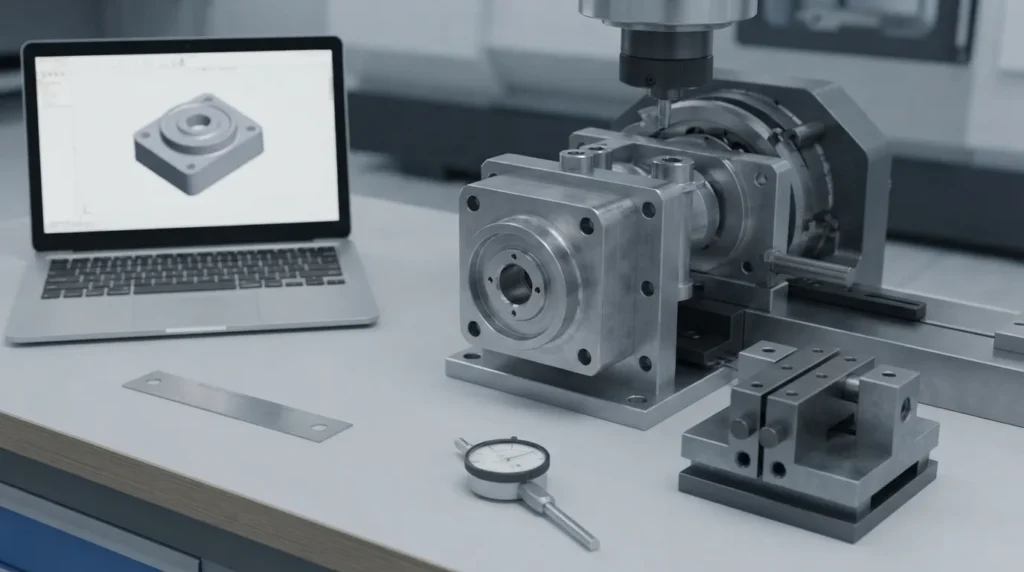
موقع دليل عمليات التصنيع باستخدام الحاسب الآلي يوفر سياق العملية. يجب كتابة أهداف النموذج الأولي قبل طلب الجزء الأول.
مرحلة النموذج الأولي: تعلّم قبل أن تُثبّت
استخدم خيارات موجهة للإنتاج عندما يتطلب الاختبار ذلك
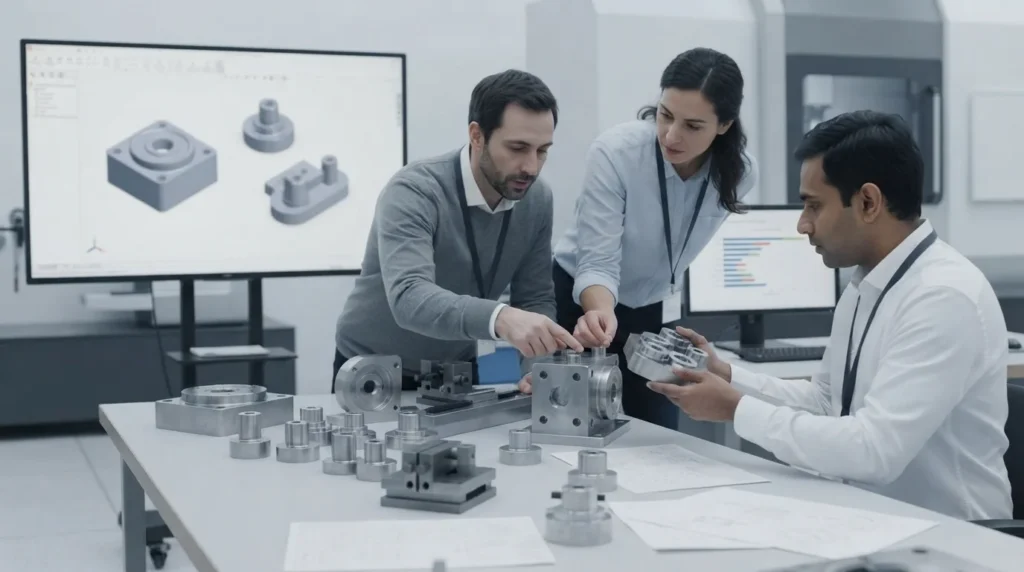
إذا كان النموذج الأولي يُستخدم للتحقق من القوة أو الحرارة أو التآكل أو الإحكام أو السلوك الكهربائي أو تجميع العميل، فيجب أن تمثل المادة والأسطح الحرجة حالة الإنتاج المقصودة بأقرب شكل عملي ممكن. قد يجيب النموذج الأولي المصنوع من بديل مناسب عن سؤال هندسي لكنه لا يجيب عن سؤال عمر الخدمة.
افصل تغييرات التعلم عن التغييرات المعتمدة
حدد الأبعاد التجريبية والميزات المؤقتة وقرارات المواد أو التشطيبات المعلقة. قبل التشغيل التجريبي، حوّل الدروس المستفادة إلى مراجعة معتمدة واستراتيجية تفاوتات محكومة وخطة تفتيش واضحة.
التشغيلات التجريبية تكشف مخاطر الإنتاج
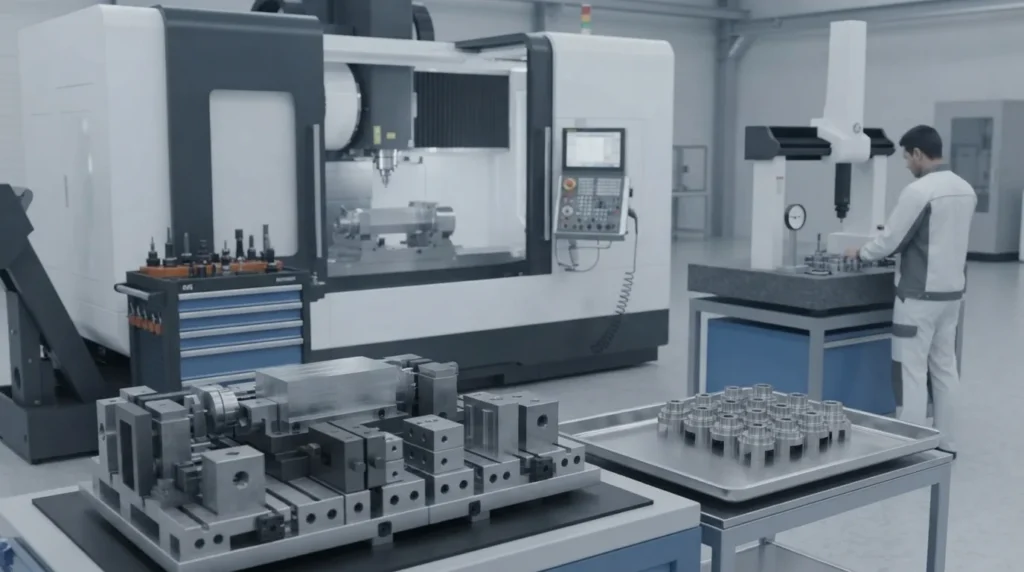
- شغّل عدداً كافياً من الأجزاء لملاحظة قابلية تكرار الإعداد وتسلسل الإنتاج المتوقع.
- تتبّع زمن الدورة، وتغييرات الأدوات، والهدر، وإعادة العمل، وزمن القياس، ومشكلات التشطيب.
- قارن الأجزاء الأولى والوسطى والأخيرة باستخدام الخصائص الحرجة المتفق عليها.
- تحقق مما إذا كان يمكن توريد المواد والطلاء والتغليف والشهادات والتقارير بشكل متسق.
- سجّل تغييرات العملية وقرارات الموافقة بدلاً من الاعتماد على ذاكرة المشغّل.
ما الذي يتغير في الإنتاج المتكرر؟
التصميم لمسار CNC قابل للتكرار
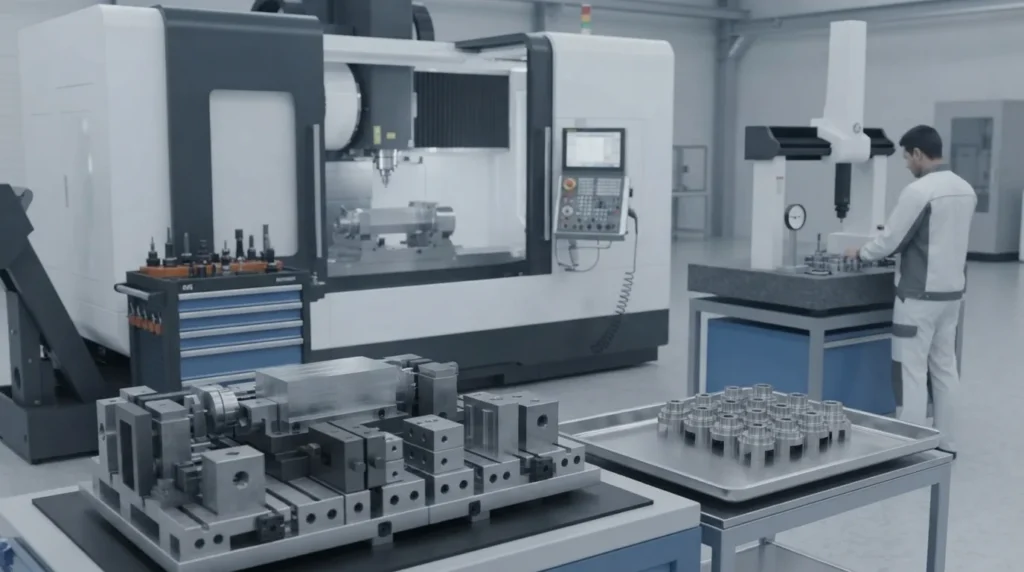
قد يكون التصميم القابل للتصنيع الآلي مرة واحدة صعب التكرار بلا داعٍ. قبل الإنتاج، راجع وصول الأدوات، وأنصاف الأقطار الداخلية، وسماكة الجدار، وأسطح المسند، ومناطق التثبيت، وحالة المادة، والتشطيب، وعدد عمليات الإعداد.
- حافظ على أسطح تحديد موقع ثابتة ومساحة تثبيت كافية لاحتواء قطعة العمل بشكل قابل للتكرار.
- افصل الواجهات الحرجة عن الهندسة العامة وتجنب تطبيق تفاوتات ضيقة في كل مكان.
- استخدم قرارات المواد والتشطيب التي يمكن توريدها وفحصها بشكل متسق.
- راجع الميزات العميقة، والجدران الرقيقة، والأدوات الصغيرة، والزوايا الداخلية الحادة، وإخلاء الرقائق.
- صمم طريقة الفحص ضمن العملية بحيث تبقى الميزات الحرجة قابلة للوصول.
For material continuity between prototype and production, use the دليل اختيار مواد CNC and document the exact grade and condition in the released package.
انقل أدلة الجودة إلى الأمام
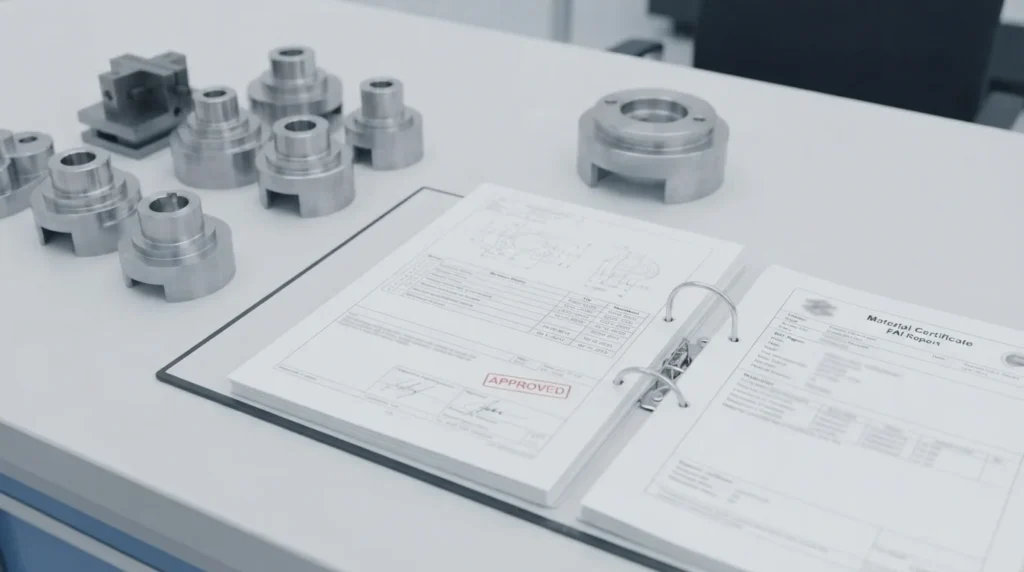
Quality should be planned before the production batch, not added after a failure. The site’s CNC quality control guide covers inspection, first-article review, reports, and traceability. The actual customer requirement should still govern the final quality plan.
متى يظل CNC مسار الإنتاج الصحيح
CNC can remain attractive for custom parts, prototypes, pilot production, low and medium volumes, complex geometries, frequent revisions, and products that require production-grade material without a large dedicated-tooling commitment. It may be less competitive when demand is very high, the design is stable, geometry is suited to forming, and tooling can be amortized across a predictable forecast.
Compare total cost, not only unit price. Include programming, setup, fixture, material yield, machining time, tooling, inspection, finishing, packaging, inventory, revisions, and the cost of changing processes later. The project’s CNC cost guide explains how these assumptions affect a quote.
تسليم أفضل من النموذج الأولي إلى الإنتاج
- Freeze the design revision used for the pilot and identify any remaining open decisions.
- Confirm material grade, condition, finish, packaging, and approved substitutes.
- Mark critical features, datums, fits, surfaces, threads, and functional acceptance tests.
- Document setup, fixture, tooling, program, sequence, and in-process checkpoints.
- Define first-article, final inspection, reports, certificates, traceability, and change triggers.
- Review quantity, forecast, batch size, schedule, and alternative process break-even points.
- Ask the supplier to state process assumptions and risks before the production order.
When the package is controlled, submit the production request through the سير عمل تسعير التصنيع باستخدام الحاسب الآلي.
الأسئلة الشائعة حول النماذج الأولية والإنتاج بتقنية CNC
Can CNC machining be used for both prototypes and production?
Yes, depending on geometry, material, quantity, process stability, quality requirements, and economics. The production route may use different fixtures, inspection frequency, tooling strategy, and documentation than the prototype route.
Why can a prototype fit but production parts fail?
A single prototype may hide fixture movement, tool wear, thermal drift, material variation, finishing changes, or an inspection bottleneck. Production needs a repeatable process, controlled changes, and checkpoints that monitor these effects.
Should prototype and production use the same material?
Use the production-intent material when the prototype is validating strength, heat, wear, sealing, electrical behavior, or service performance. A substitute may be acceptable for a limited geometry check only when its limits are understood and documented.
What changes when CNC volume increases?
Setup allocation, fixturing, tool life, cycle time, inspection frequency, material sourcing, documentation, and process control become more important. A pilot run helps reveal whether the prototype route can be repeated economically.
When should I consider another process?
Compare alternatives when volume is high and stable, geometry is suited to forming, material yield is poor, cycle time is too long, or dedicated tooling can be economically amortized. Include revision risk, quality, inventory, and transition cost in the comparison.