ultem machining solutions are available with stable quality control, flexible manufacturing capacity, and responsive technical support. Contact us for drawings review and quotation.

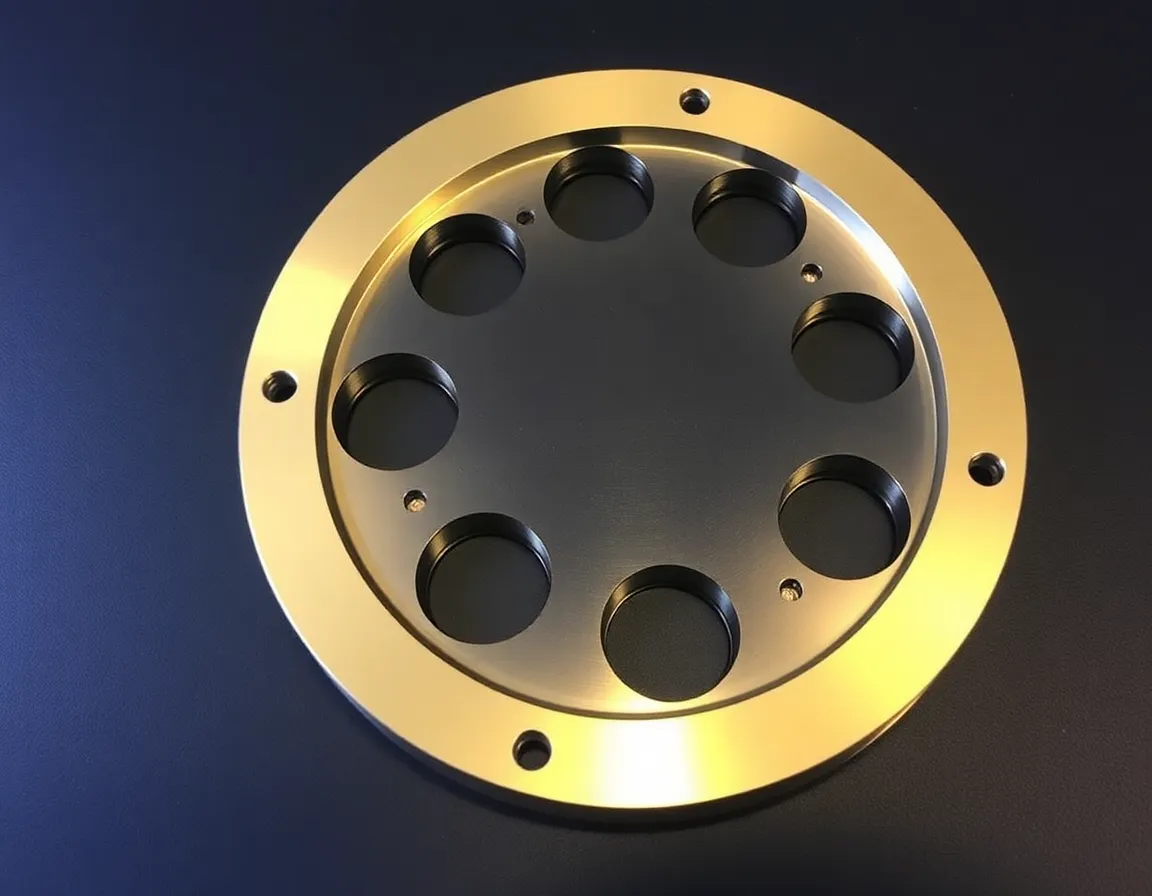
Expert Ultem (PEI) machining for complex, high-temp components. Stable quality, flexible capacity, and responsive engineering support. Get a quote today. ultem machining
Parts withstand extreme temperatures and harsh chemicals, ensuring long-term reliability.
High strength-to-weight ratio and dimensional stability for precise, durable components.
Allows for tight tolerances and intricate geometries with high-quality surface finishes.
Meets stringent safety standards for critical applications in aerospace and medical fields.
ultem machining solutions are available with stable quality control, flexible manufacturing capacity, and responsive technical support. Contact us for drawings review and quotation.
Ultem machining is the process of precision cutting, milling, and shaping parts from Ultem, a high-performance thermoplastic polyetherimide (PEI). Ultem is an engineering-grade plastic known for its exceptional strength, high heat resistance (continuous use up to 340°F/170°C), inherent flame retardancy, and excellent dimensional stability. It is often used as a metal replacement in demanding industries like aerospace, medical, and semiconductor manufacturing. The machining process transforms solid rods, plates, or tubes of Ultem into custom, tight-tolerance components that are difficult or impossible to produce via injection molding for low-volume or prototype applications.
Ultem machining is typically performed on CNC (Computer Numerical Control) mills, lathes, and routers. The process begins with a solid block, rod, or sheet of Ultem material. Using specialized toolpaths and cutting parameters, the CNC machine precisely removes material to create the desired part geometry. Due to Ultem's abrasive nature, carbide or polycrystalline diamond (PCD) cutting tools are recommended to ensure clean cuts and extend tool life. Coolant is often used to manage heat and prevent the material from gumming up. The process is highly controlled, allowing for the production of complex features, tight tolerances (often within ±0.001 inches), and excellent surface finishes, making it ideal for prototypes, functional testing, and low-to-medium volume production runs.
Choosing Ultem machining offers several significant benefits. First, it provides access to the material's superior properties: extreme heat resistance, high strength-to-weight ratio, excellent electrical insulation, and compliance with stringent flammability and smoke toxicity standards (e.g., UL 94 V-0). Second, machining allows for rapid prototyping and production of complex, high-precision parts without the high cost of injection molding tooling. This is perfect for custom or low-volume applications. Third, machined Ultem parts exhibit exceptional dimensional stability and resistance to creep, meaning they maintain their shape and performance under continuous load and temperature. This combination makes machined Ultem ideal for aerospace brackets, medical device housings, semiconductor wafer carriers, and electrical insulators.
A common concern in Ultem machining is the material's tendency to be abrasive, which can lead to accelerated tool wear if not managed properly. This is addressed by using high-quality carbide or diamond-coated tools and optimizing feed rates and spindle speeds. Another concern is heat generation during cutting, which can soften the material. Using a constant flow of coolant or compressed air effectively manages temperature and ensures a clean cut, preventing material from re-welding to the part. Additionally, because Ultem is hygroscopic (absorbs moisture), it should be properly dried before machining to prevent surface defects or dimensional inaccuracies. Working with an experienced machining partner who understands these material-specific nuances is crucial to achieving optimal part quality, surface finish, and tolerances.
The pricing for custom Ultem machining is project-specific, influenced by part complexity, required tolerances, quantity, and the grade of Ultem (e.g., 1000, 2300, etc.). The process typically starts with submitting a 3D CAD model (STEP or IGES file) to a machining service for review and quotation. They will analyze the design for manufacturability and provide a detailed quote. For prototypes or small batches, unit costs are higher due to setup and programming time, but they become more economical per part for larger runs. Lead times can range from a few days for simple prototypes to several weeks for complex, high-volume orders. Reputable machine shops will guide you through material selection, design optimization, and provide DFM (Design for Manufacturability) feedback to ensure a cost-effective and successful project.
Our lab needed custom Ultem 1000 fixtures for high-heat testing. The precision and surface finish ac
Great experience overall. The Ultem 2300 parts for our semiconductor tooling arrived on time and met
As an engineer, I'm picky. I sent a complex, thin-walled Ultem 1010 design for a prototype, expectin
We ordered a batch of machined Ultem 1000 insulators. The quality is excellent—no voids, great therm