How to define a wire-cut EDM job
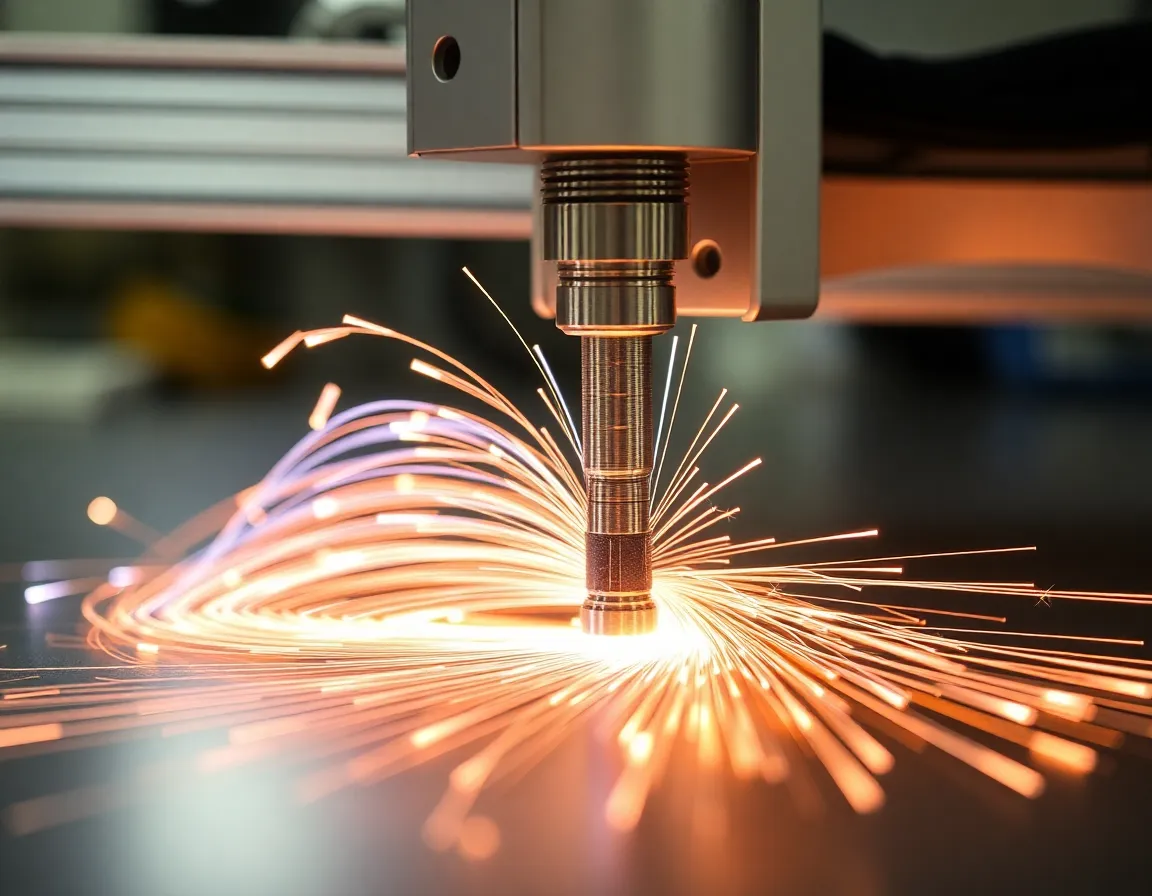
Wire cut EDM services are usually specified around the workpiece, cut profile and finished dimensions. The process uses electrical discharge to remove material along a controlled path, so the drawing should define the geometry and acceptance criteria rather than relying on a broad process label.
Prepare the profile and workpiece details
Identify the material grade and thickness, the contour to be cut, datum references and dimensions that control fit. Show the relationship between the cut profile and existing faces or holes. Where a feature starts inside the workpiece, note the required access or start-hole condition for review.
State edge and finish requirements
Specify edge breaks, burr expectations and any surface condition that affects assembly. If the cut is followed by milling, grinding or finishing, describe the sequence and which operation owns each critical dimension. Avoid vague requirements such as perfect edge unless a measurable acceptance standard is defined.
Review the part as a manufacturing sequence
- Confirm that the workpiece is electrically conductive and the grade is stated.
- Check that the profile, thickness and datums are unambiguous.
- Identify dimensions that require inspection and the requested evidence.
- List secondary operations, packaging and delivery assumptions.
This page focuses on planning the cut and its acceptance. For the broader wire EDM service scope, see the service overview. If the part needs another cutting approach, ask for a review of the drawing rather than assuming that one process fits every feature.
Information to include with the RFQ
Send the current 2D drawing and matching model where available, material, quantity, critical dimensions, edge requirements and inspection notes. Record any approved deviations or revisions in writing. These details make it easier to compare quotes that cover the same work.