Our Manufacturing Blog

In-depth technical articles, material comparisons, CNC machining insights, and problem-solving guides from the Jucheng engineering team.

How Many CNC Parts Should You Actually Inspect?

How Many CNC Parts Should You Actually Inspect?

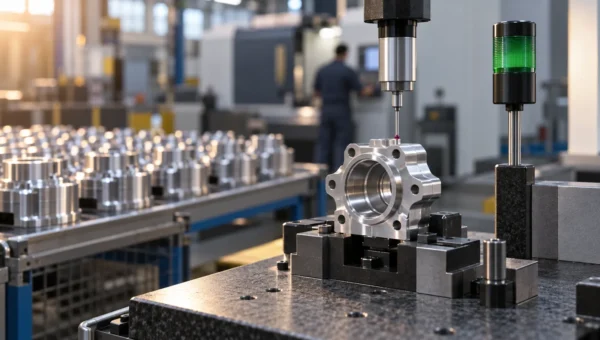
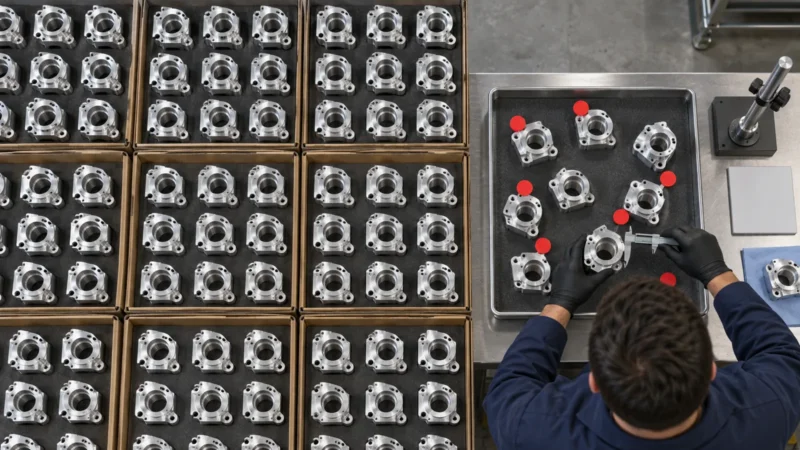
An AQL sampling plan for CNC machined parts is a lot-acceptance rule, not a promise that the shipment contains no defects. It defines how a sample is selected, how defects…

Read Full Article
A Passing Part Can Still Hide an Unstable CNC Process

A Passing Part Can Still Hide an Unstable CNC Process

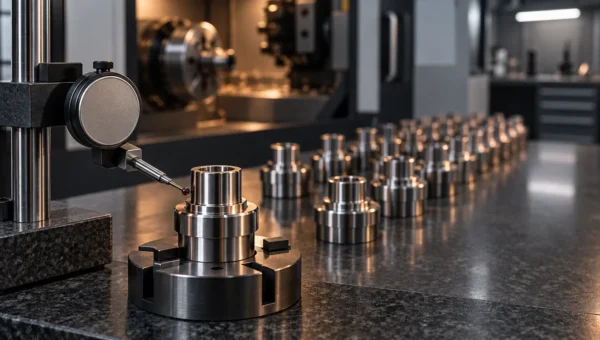
CNC process capability describes whether a stable machining process can repeatedly hold a defined specification; Cpk estimates how well the…

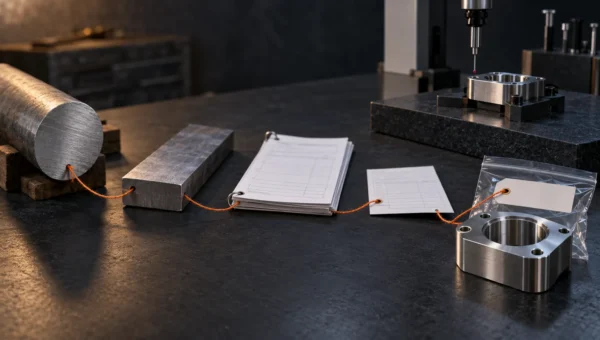
Can You Trace This CNC Part Back to Its Material Lot?

Can You Trace This CNC Part Back to Its Material Lot?

CNC material and dimensional traceability is the evidence chain that connects a shipped part to the stock, drawing revision, manufacturing…

One Good Part Is Not a Green Light for Production

One Good Part Is Not a Green Light for Production

First article inspection for CNC machined parts is a production-release checkpoint, not a ceremonial report. It confirms that the drawing,…

Which Inspection Method Fits Your CNC Part?

Which Inspection Method Fits Your CNC Part?

CMM, optical comparator, and manual inspection are not interchangeable checkpoints. Each method answers a different measurement question. A CMM is…

CNC Setup and Tooling Costs: What Buyers Should Separate

CNC Setup and Tooling Costs: What Buyers Should Separate

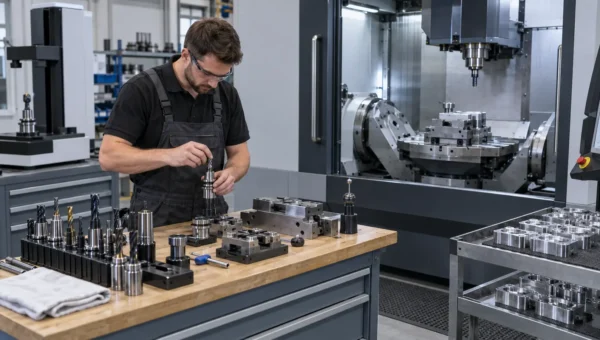
CNC setup and tooling costs are often hidden inside a unit price, even though they can decide whether a short…

What Really Changes CNC Machining Cost per Part?

What Really Changes CNC Machining Cost per Part?

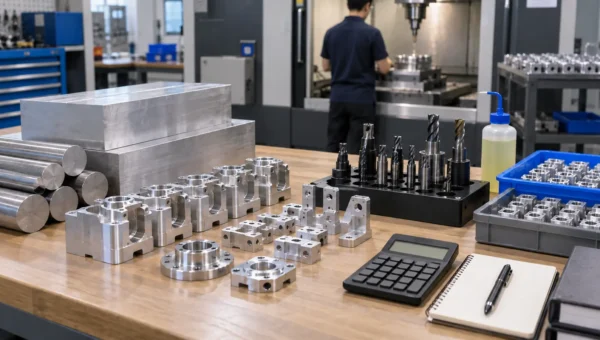
CNC machining cost per part calculation is more useful when it separates recurring production cost from one-time preparation and risk.…

ISO 2768 on CNC Drawings: Where General Tolerances Stop

ISO 2768 on CNC Drawings: Where General Tolerances Stop

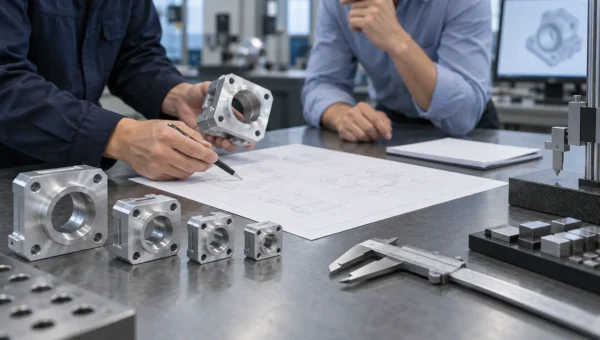
ISO 2768 for CNC machining drawings is a way to assign general tolerances to dimensions that do not have individual…

Why Good Parts Still Fail Together: CNC Tolerance Stack-Up

Why Good Parts Still Fail Together: CNC Tolerance Stack-Up

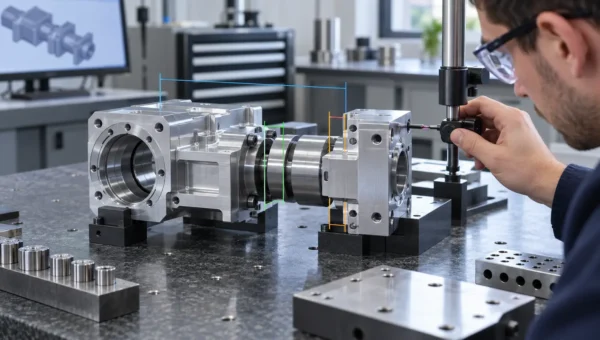
CNC tolerance stack-up analysis for assemblies explains why several individually acceptable parts can still create a tight, loose, misaligned, or…

When a Fit Fails, the Bore and Shaft Share the Blame

When a Fit Fails, the Bore and Shaft Share the Blame

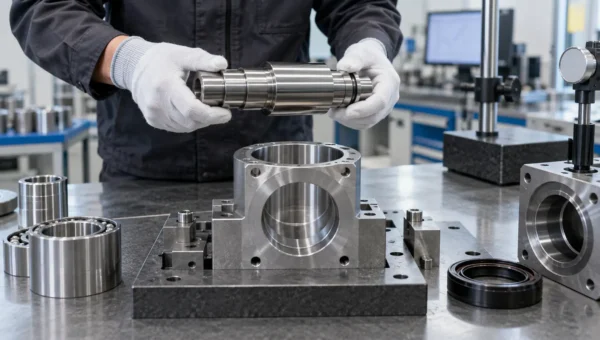
CNC hole and shaft fit design should begin with the assembly job, not with a familiar letter-number fit copied from…