
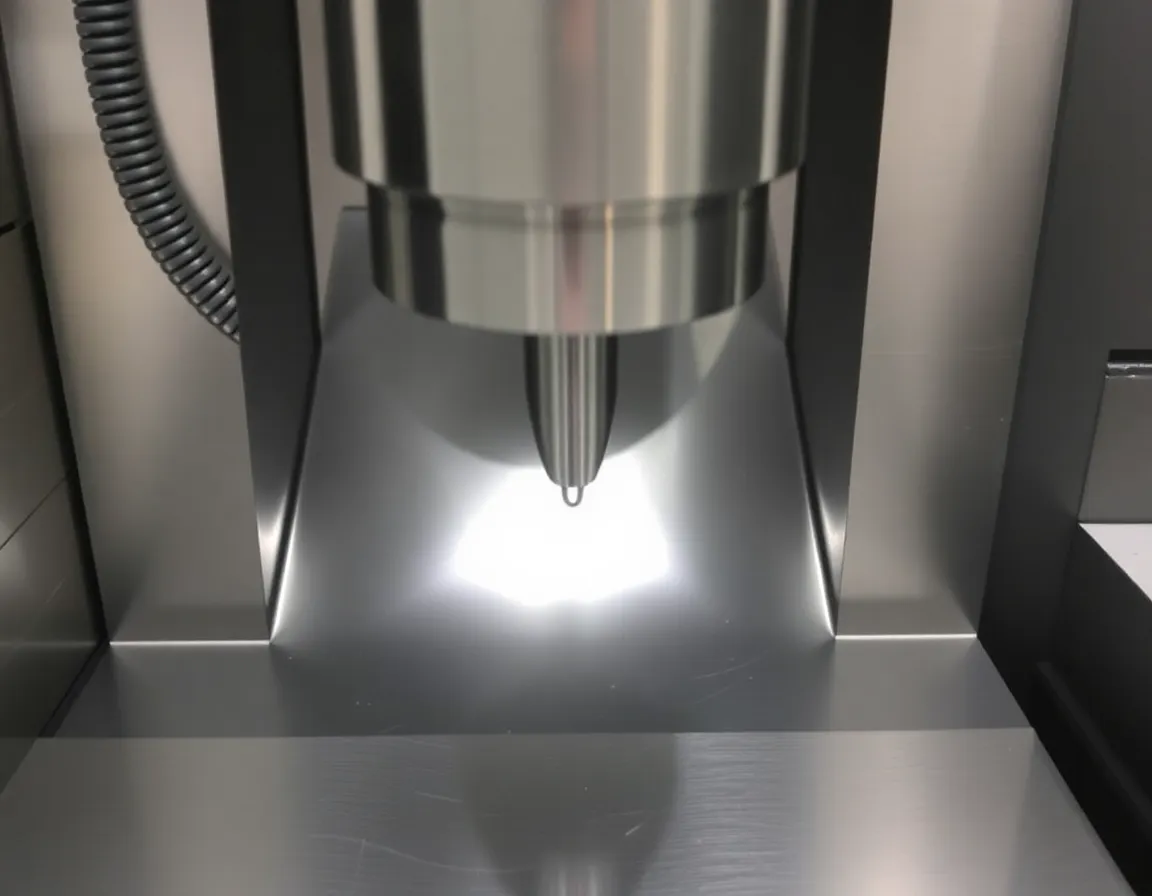
PEEK CNC加工の紹介
PEEK CNC加工とは、高性能熱可塑性ポリマーであるポリエーテルエーテルケトン(PEEK)から作られた部品を、コンピュータ数値制御(CNC)装置を用いて成形・仕上げする精密製造プロセスを指します。この高度な加工技術は、極限の性能、耐薬品性、機械的強度が不可欠な産業において欠かせないものとなっています。ナイロンやアクリルなどの標準的なプラスチックとは異なり、PEEKは航空宇宙、医療機器、石油・ガス、半導体製造における要求の厳しい用途に適した独自の特性の組み合わせを提供します。.
このプロセスでは、CNCフライス盤、旋盤、ルーターを使用して、通常は棒、シート、またはブロックの形態のPEEK素材から材料を除去し、厳しい公差のカスタム部品を作成します。PEEKは半結晶性熱可塑性プラスチックであるため、溶融、反り、表面欠陥などの問題を防ぐために特殊なツーリングと加工パラメータが必要です。コンテンツライターとして、PEEK CNC加工は単にプラスチックを切断するだけではなく、ポリマー科学と精密製造のギャップを埋める高度なエンジニアリング分野であることを理解することが重要です。.
PEEKとは何か、なぜ加工するのか?
PEEKの材料特性
PEEK高温熱可塑性樹脂であり、ポリアリールエーテルケトン(PAEK)ファミリーに属します。1980年代に初めて商業化され、それ以来、高性能プラスチックのベンチマークとなっています。主な特性は以下の通りです:
- 高い熱安定性: PEEKは最大250°C(482°F)の温度で連続運転が可能で、300°C(572°F)への短期間の暴露にも耐えることができます。.
- 卓越した耐薬品性:酸、塩基、炭化水素を含むほとんどの有機および無機薬品による侵食に耐えます。.
- 優れた機械的強度:PEEKは一部の金属に匹敵する引張強度を持ち、優れた疲労抵抗とクリープ性能を備えています。.
- 低吸湿性:多くのエンジニアリングプラスチックとは異なり、PEEKはほとんど水を吸収せず(0.5%未満)、湿潤環境でも寸法安定性を確保します。.
- 固有の難燃性:添加剤なしでUL 94 V-0規格を満たしており、重要な用途にも安全に使用できます。.
- 生体適合性:特定のグレードのPEEKは、医療用インプラントおよび手術器具向けにISO 10993認証を取得しています。.
PEEKにCNC加工を選ぶ理由
PEEKは射出成形や押出成形も可能ですが、, CNC機械加工offers distinct advantages for low-to-medium volume production, prototyping, and complex geometries. Injection molding requires expensive tooling and is only cost-effective for high volumes. In contrast, CNC machining allows for rapid iteration, design flexibility, and the ability to produce parts with features that are impossible to mold, such as undercuts or deep internal threads. Furthermore, machined PEEK parts often exhibit superior surface finish and tighter tolerances (±0.001 inches or better) compared to molded parts.
How PEEK CNC Machining Works
Step-by-Step Process Overview
The PEEK CNC machining process follows a systematic workflow that ensures quality and repeatability. Below is a breakdown of the key stages:
- 材料の選択: Choose the appropriate PEEK grade (e.g., unfilled, glass-filled, carbon-filled, or medical grade) based on application requirements.
- CAD/CAM programming:Create a 3D model of the part using CAD software, then generate toolpaths using CAM software. Special attention is paid to tool engagement, feed rates, and cooling strategies.
- Setup and fixturing:Secure the PEEK stock onto the CNC machine using vacuum chucks, soft jaws, or custom fixtures. Because PEEK is relatively rigid but can distort under heat, proper clamping is critical.
- Machining operations:Execute milling, turning, drilling, or threading operations. Common tools include carbide end mills, diamond-coated inserts, and high-speed steel drills with specialized geometries.
- Deburring and finishing:Remove sharp edges and apply secondary finishes such as polishing, bead blasting, or chemical smoothing if required.
- Inspection and quality control:Use coordinate measuring machines (CMM), micrometers, and surface profilometers to verify dimensions and surface roughness.
Critical Machining Parameters
Machining PEEK requires careful control of several parameters to avoid common defects. The most important factors include:
- Spindle speed: Typically 8,000–15,000 RPM for milling, depending on tool diameter and material grade. Higher speeds can generate excessive heat, leading to melting.
- Feed rate:Moderate feed rates (0.002–0.008 inches per tooth) are recommended to balance chip evacuation and surface finish.
- Depth of cut:Light cuts (0.010–0.050 inches) are preferred to minimize heat buildup and tool deflection.
- Coolant usage:Flood coolant with water-soluble oils or air blast cooling is essential to dissipate heat. Without coolant, PEEK can soften and gum up the tool.
- Tool material:Carbide tools with polished flutes or polycrystalline diamond (PCD) tools offer the best wear resistance and surface quality.
Benefits of PEEK CNC Machining
Performance Advantages
PEEK CNC machined partsdeliver unmatched performance in extreme environments. For example, in aerospace applications, PEEK components can replace metal parts while reducing weight by up to 70%. In medical devices, PEEK implants offer radiolucency (they are invisible on X-rays), which is critical for post-surgery monitoring. The material’s low coefficient of friction also makes it ideal for bearings, seals, and bushings that operate without lubrication.
Cost-Effectiveness for Low Volumes
While PEEK raw material is expensive—often costing $50–$100 per pound—CNC machining minimizes waste through precise material removal. For prototype runs or small production batches (10–500 parts), machining is significantly more economical than injection molding, which requires a $10,000–$50,000 mold investment. Additionally, machining allows for design changes without incurring new tooling costs.
Design Flexibility and Precision
CNC machining enables the creation of complex geometries that would be impossible with molding. Examples include thin walls (down to 0.020 inches), sharp internal corners, fine threads (M2 or smaller), and intricate cooling channels. Tolerances as tight as ±0.0005 inches are achievable with advanced 5-axis machines, ensuring interchangeability in assembly.
Applications of PEEK CNC Machining
航空宇宙および防衛
In the aerospace sector, PEEK CNC machined partsare used for:
- Electrical connectors and insulators
- Bearing cages and bushings
- Fuel system components
- Structural brackets and clips
- Radome and antenna parts
The material’s low flammability and smoke emission (FST properties) make it compliant with FAA regulations for cabin interiors.
Medical and Healthcare
Medical-grade PEEK (e.g., PEEK-OPTIMA) is widely used for:
- Spinal fusion cages and interbody devices
- Dental implants and abutments
- Surgical instruments (handles, guides, and trays)
- Orthopedic implants (hip and knee components)
- Catheter hubs and fluid connectors
Biocompatibility and sterilization resistance (autoclaving, gamma radiation) are key drivers for this application.
石油およびガス
In downhole and subsea environments, PEEK components must withstand high pressure, corrosive fluids, and thermal cycling. Common applications include:
- Seal rings and backup rings
- Valve seats and ball valve liners
- Insulators for electrical submersible pumps
- Connector bodies for fiber optic cables
Semiconductor Manufacturing
The semiconductor industry demands ultra-pure materials that do not outgas or leach contaminants. PEEK is used for:
- Wafer handling components (end effectors, cassettes)
- Chemical delivery system fittings
- Chamber liners and insulators
- Test sockets and burn-in boards
Best Practices for PEEK CNC Machining
工具の選定と形状
Choosing the right cutting tools is paramount. Carbide end mills with 4–6 flutesare standard for roughing and finishing. For high-volume production, PCD-tipped tools offer longer tool life (up to 10x) and better surface finishes. Avoid high-speed steel (HSS) tools, as they wear quickly and generate excessive heat. Tool geometry should include positive rake angles (10°–15°) and sharp cutting edges to reduce friction.
Chip Management and Cooling
PEEK produces long, stringy chips that can entangle the tool and cause heat buildup. Use air blast or through-spindle coolant to break chips and evacuate them from the cutting zone. Flood coolant with a concentration of 5–10% water-soluble oil is effective for most operations. For dry machining, apply a mist of compressed air or nitrogen to prevent melting.
Fixturing and Workholding
Because PEEK is less rigid than metal, it can vibrate during machining, leading to chatter and dimensional errors. Use vacuum chucksfor sheet stock, soft jaws for round parts, and custom fixtures for complex shapes. Adding supports or using double-sided tape can help stabilize thin-walled sections. Always ensure the workholding does not induce stress that could distort the part after clamping is released.
Post-Machining Considerations
After machining, PEEK parts may have residual stresses from the cutting process. For critical applications, consider a stress-relief annealing cycle: heat the parts to 200°C (392°F) for 2–4 hours, then slowly cool to room temperature. This step improves dimensional stability and prevents cracking in service. Additionally, inspect parts for burrs using a microscope, as even small burrs can cause failure in sealing applications.
Quality Control Metrics
Implement rigorous quality checks at every stage. Key metrics include:
- Dimensional accuracy: Use CMM or optical comparators to verify critical dimensions.
- Surface roughness:Target Ra values of 0.4–0.8 µm for sealing surfaces, and Ra 1.6 µm for general surfaces.
- 材料の完全性:Check for cracks, voids, or discoloration using dye penetrant or X-ray inspection.
- Flash and burrs:Remove all burrs using manual deburring tools or automated tumbling.
結論
PEEK CNC加工is a specialized but highly rewarding manufacturing process that unlocks the full potential of this exceptional polymer. By understanding the material’s behavior under cutting forces and heat, engineers can produce parts that outperform metals and other plastics in the most demanding environments. Whether you are designing a spinal implant, a downhole seal, or a wafer-handling robot, PEEK CNC machining offers the precision, reliability, and performance needed to succeed. As industries continue to push the boundaries of temperature, pressure, and chemical resistance, the role of PEEK and its machined components will only grow in importance. For manufacturers, investing in the right tools, parameters, and quality control practices is the key to mastering this advanced technology.