
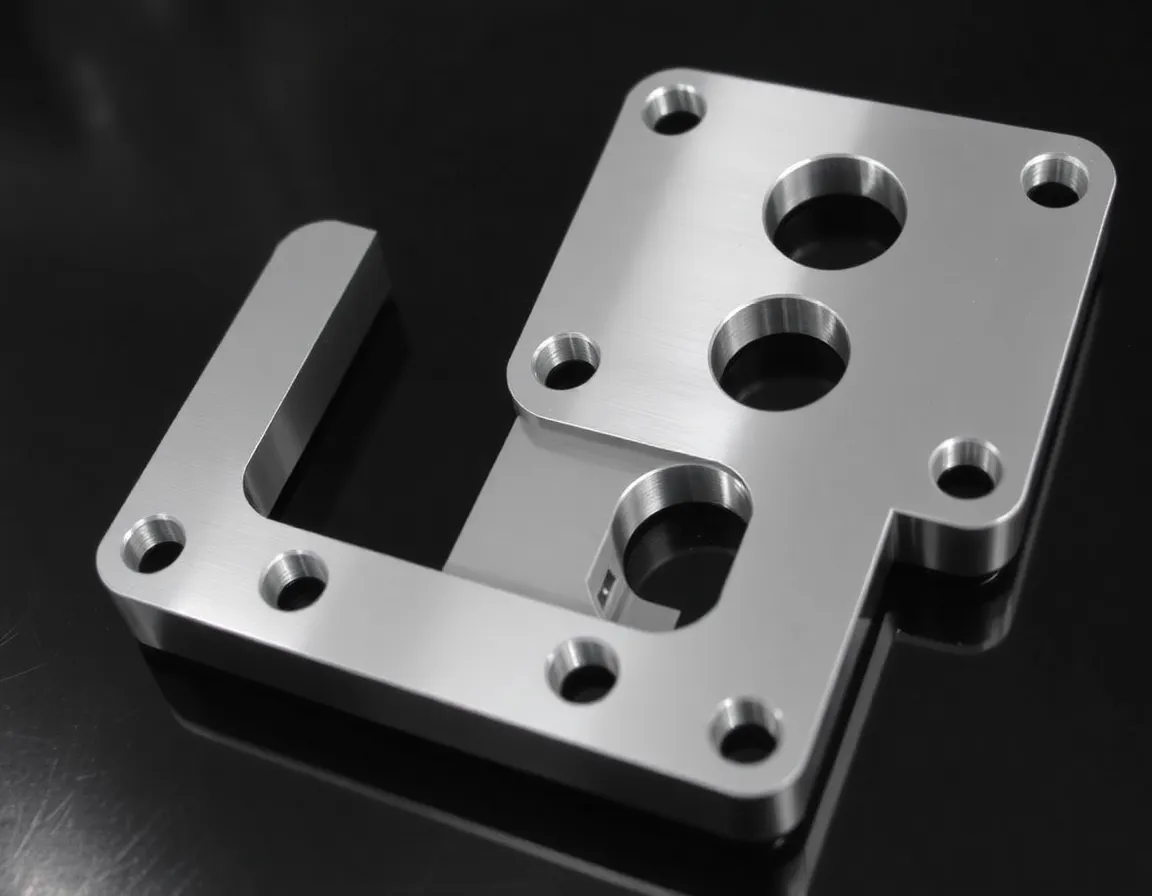
Introduction to Zinc CNC Machining
Zinc CNC machining is a specialized manufacturing process that utilizes computer numerical control (CNC) technology to shape, cut, and finish zinc alloys into precise components. Zinc, often alloyed with elements like aluminum, copper, and magnesium, offers a unique combination of properties that make it highly suitable for machining. Unlike softer metals such as pure aluminum or harder metals like steel, zinc alloys strike a balance between machinability, strength, and corrosion resistance. This process is widely adopted across industries, including automotive, electronics, plumbing, and aerospace, due to its ability to produce complex geometries with tight tolerances. In this article, we will explore the fundamentals of zinc CNC machining, its benefits, common applications, and best practices to ensure optimal results.
Understanding Zinc Alloys for CNC Machining
Before delving into the machining process, it is essential to understand the materials involved. Zinc alloys used in CNC machining are typically categorized into two main groups: Zamak(zinc, aluminum, magnesium, and copper) andZA alloys(zinc-aluminum). Zamak alloys, such as Zamak 3, Zamak 5, and Zamak 7, are the most common due to their excellent castability and machinability. ZA alloys, like ZA-8, ZA-12, and ZA-27, contain higher aluminum content, offering superior strength and wear resistance. These alloys are chosen based on the application’s mechanical requirements, such as tensile strength, hardness, and ductility.
Key Properties of Zinc Alloys
- Excellent Machinability: Zinc alloys produce short, brittle chips that do not clog cutting tools, allowing for high-speed machining with minimal tool wear.
- Resistenza alla corrosione:A natural oxide layer forms on zinc surfaces, providing protection against rust and environmental degradation.
- Low Melting Point:While this is beneficial for casting, it requires careful heat management during CNC machining to avoid melting or deformation.
- Stabilità dimensionale:Zinc alloys exhibit low shrinkage and warpage, making them ideal for precision components.
The Zinc CNC Machining Process
Zinc CNC machining involves several stages, from material preparation to final finishing. The process begins with selecting the appropriate zinc alloy, which is often supplied in the form of bars, rods, or pre-cast blanks. The workpiece is then secured in a CNC machine, such as a milling machine, lathe, or multi-axis machining center. The CNC system reads a digital design file (typically a CAD model) and translates it into precise movements of cutting tools.
Step 1: Material Preparation and Fixturing
Zinc alloys are often machined from wrought stock or cast components. For wrought stock, the material is cut to size and cleaned to remove any surface contaminants. Fixturing is critical due to zinc’s relatively low stiffness compared to steel; improper clamping can lead to vibration or part movement. Vacuum chucks, soft jaws, or custom fixturesare commonly used to hold zinc workpieces securely without causing deformation.
Step 2: Cutting and Tool Selection
CNC machining of zinc requires specific tool geometries and materials. High-speed steel (HSS) and carbide tools are both effective, but carbide is preferred for high-volume production due to its wear resistance. Cutting speeds for zinc are typically higher than for aluminum but lower than for brass. Recommended parameters include:
- Spindle Speed: 2,000 to 6,000 RPM (depending on tool diameter and material hardness).
- Avanzamento: 0.002 to 0.010 inches per tooth (for end mills).
- Profondità di passata:0.010 to 0.100 inches per pass.
Step 3: Finishing Operations
After roughing, finishing passes are performed to achieve the desired surface roughness and dimensional accuracy. Zinc alloys can be polished, buffed, or coated to enhance appearance and corrosion resistance. Common post-machining processes include:
- Sbavatura: Removing sharp edges using manual tools or vibratory tumblers.
- Surface Finishing: Electropolishing, plating (e.g., chrome or nickel), or powder coating.
- Trattamento termico:Aging or stress-relieving to improve mechanical properties.
Benefits of Zinc CNC Machining
Zinc CNC machining offers numerous advantages over other manufacturing methods, such as die casting or machining of alternative metals. Below are the key benefits:
Superior Precision and Tolerance Control
CNC machining allows for tolerances as tight as ±0.001 inches, which is difficult to achieve with casting alone. This precision is critical for components like gears, connectors, and valve bodies that require exact fit and function.
Cost-Effectiveness for Low to Medium Volumes
While die casting is economical for high-volume production, CNC machining is more cost-effective for low to medium volumes (e.g., 50 to 10,000 parts) due to lower tooling costs. No expensive molds are required, making it ideal for prototypes or custom parts.
Excellent Surface Finish
Zinc alloys naturally produce a smooth, reflective surface when machined. With proper tooling and parameters, surface roughness values as low as Ra 0.4 micrometers can be achieved, reducing the need for secondary finishing.
Complex Geometries and Undercuts
Multi-axis CNC machines can create intricate shapes, internal threads, and undercuts that are impossible or expensive to produce via casting. This flexibility is invaluable for medical devices, electrical housings, and decorative hardware.
Recyclability and Environmental Benefits
Zinc is 100% recyclable without loss of properties. CNC machining generates scrap chips that can be melted down and reused, aligning with sustainable manufacturing practices.
Applications of Zinc CNC Machining
Zinc CNC-machined components are found in a wide range of industries due to the material’s versatility. Here are some notable applications:
Settore automobilistico
Zinc alloys are used for fuel system components, sensor housings, door lock mechanisms, and mirror brackets. Their corrosion resistance and ability to withstand vibration make them ideal for under-hood environments.
Elettronica e Telecomunicazioni
Connectors, switch housings, and heat sinks benefit from zinc’s electrical conductivity and thermal management properties. CNC machining ensures precise pin placements and smooth contact surfaces.
Plumbing and Hydraulics
Valve bodies, faucet components, and fittings are often machined from zinc alloys due to their resistance to water corrosion and ease of plating. The low porosity of machined zinc prevents leaks.
Aerospazio e Difesa
Although less common than aluminum, zinc alloys are used for non-structural parts like instrument housings, brackets, and counterweights. Their damping capacity reduces noise and vibration in sensitive equipment.
Consumer Goods and Hardware
Decorative items, such as door handles, locks, and zipper pulls, are frequently machined from zinc for its aesthetic appeal and durability. CNC machining allows for intricate designs and custom logos.
Best Practices for Zinc CNC Machining
To achieve optimal results when machining zinc, follow these best practices:
Selezione e geometria degli utensili
Use tools with sharp cutting edges and polished flutesto minimize built-up edge (BUE) and heat generation. Carbide end mills with a high helix angle (35° to 45°) are recommended for chip evacuation. Avoid tools with coatings like TiN or AlTiN, as they can react with zinc at high temperatures.
Cutting Parameters Optimization
Start with conservative speeds and feeds, then gradually increase to maximize productivity without compromising surface finish. Monitor chip formation: short, segmented chips indicate good cutting conditions, while long stringy chips suggest excessive heat or dull tools.
Coolant and Lubrication
Use a water-soluble coolantat a concentration of 5-10% to reduce friction and prevent galling. For dry machining, apply a mist of compressed air to clear chips and cool the cutting zone. Avoid sulfur-based cutting fluids, as they can stain zinc surfaces.
Workholding Strategies
Since zinc is softer than steel, use even clamping pressureto avoid distortion. For thin-walled parts, consider using a sacrificial support material or custom soft jaws. Vacuum fixtures are excellent for flat parts, while collets work well for cylindrical components.
Controllo qualità e ispezione
After machining, inspect parts using coordinate measuring machines (CMM) or optical comparators to verify dimensions. Surface roughness testers should be used to confirm finish specifications. For critical applications, perform non-destructive testing (e.g., X-ray or ultrasonic) to detect internal defects.
Safety Considerations
Zinc dust and chips are generally non-toxic, but inhalation of fine particles should be avoided. Use local exhaust ventilation and wear appropriate PPE, including safety glasses and gloves. Machining wet with coolant reduces airborne dust.
Challenges and Solutions in Zinc CNC Machining
Despite its advantages, zinc CNC machining presents some challenges. Understanding these issues can help prevent defects:
Heat Generation and Melting
Zinc’s low melting point (approximately 380°C for pure zinc) means that excessive heat can cause localized melting or smearing. Soluzione:Reduce spindle speed, increase feed rate, and use a mist coolant to dissipate heat quickly.
Tool Wear and Built-Up Edge
Zinc’s softness can lead to adhesion of material on cutting edges, reducing tool life. Soluzione:Use uncoated carbide tools with a polished surface, and apply a high-pressure coolant to wash away chips.
Vibration and Chatter
Thin or unsupported sections may vibrate during machining, causing poor surface finish. Soluzione:Use rigid fixturing, reduce depth of cut, and employ variable helix tools to dampen vibrations.
Burr Formation
Zinc tends to form burrs on edges, especially during drilling and tapping. Soluzione:Use sharp tools, peck drilling cycles, and deburring passes with a chamfer mill.
Conclusione
Zinc CNC machining is a highly effective method for producing precise, durable, and aesthetically pleasing components across multiple industries. By leveraging the unique properties of zinc alloys—such as excellent machinability, corrosion resistance, and dimensional stability—manufacturers can achieve tight tolerances and complex geometries at a competitive cost. Success in this process requires careful attention to tool selection, cutting parameters, and workholding strategies. As industries continue to demand lightweight, recyclable, and cost-efficient parts, zinc CNC machining will remain a vital technology in modern manufacturing. Whether you are prototyping a new product or scaling up production, understanding the nuances of machining zinc will ensure high-quality results and operational efficiency.