
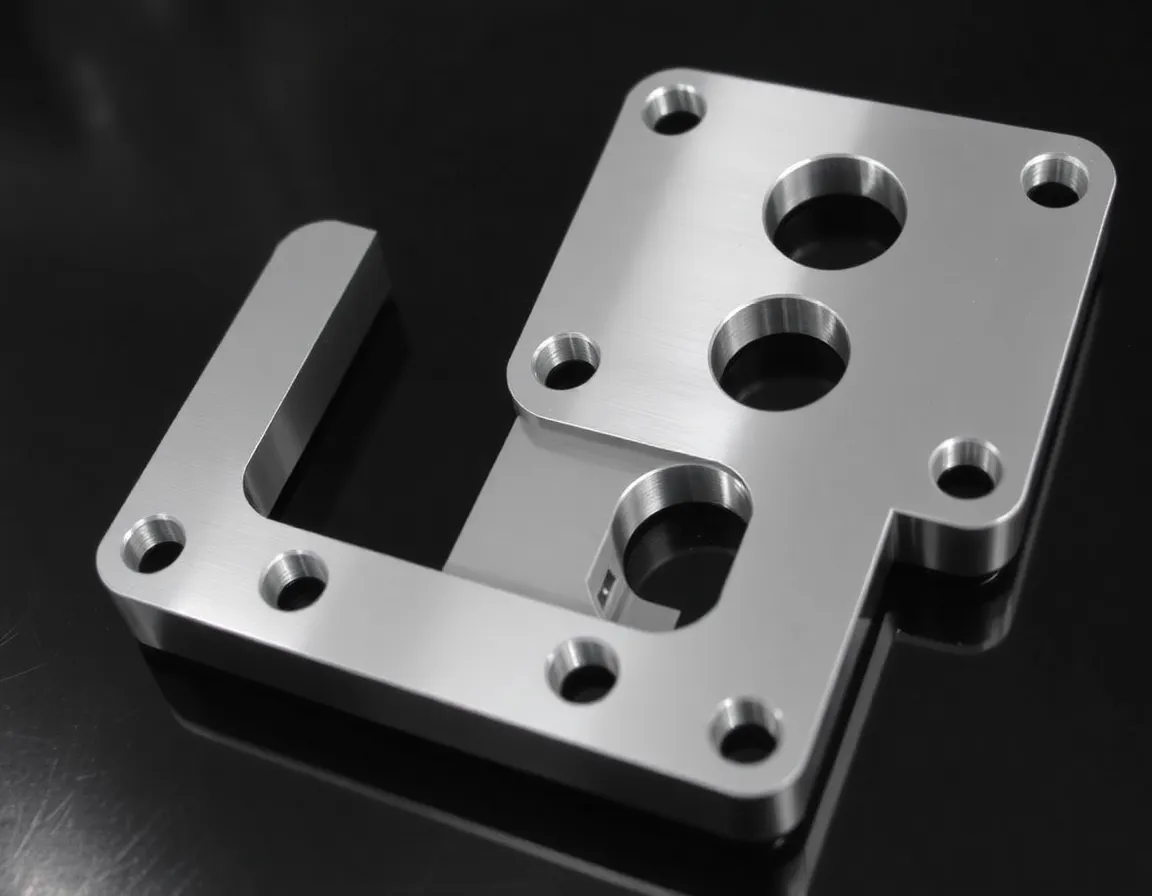
Введение в ЧПУ-обработку цинка
ЧПУ-обработка цинка — это специализированный производственный процесс, использующий технологию компьютерного числового управления (ЧПУ) для придания формы, резки и отделки цинковых сплавов в точные компоненты. Цинк, часто легированный такими элементами, как алюминий, медь и магний, предлагает уникальное сочетание свойств, которые делают его высокопригодным для обработки. В отличие от более мягких металлов, таких как чистый алюминий, или более твёрдых металлов, таких как сталь, цинковые сплавы обеспечивают баланс между обрабатываемостью, прочностью и коррозионной стойкостью. Этот процесс широко применяется в различных отраслях, включая автомобилестроение, электронику, сантехнику и аэрокосмическую промышленность, благодаря своей способности производить сложные геометрические формы с жёсткими допусками. В этой статье мы рассмотрим основы ЧПУ-обработки цинка, её преимущества, распространённые применения и лучшие практики для обеспечения оптимальных результатов.
Понимание цинковых сплавов для ЧПУ-обработки
Прежде чем углубляться в процесс обработки, важно понять используемые материалы. Цинковые сплавы, применяемые в ЧПУ-обработке, обычно подразделяются на две основные группы: Zamak(цинк, алюминий, магний и медь) исплавы ZA(цинк-алюминий). Сплавы Zamak, такие как Zamak 3, Zamak 5 и Zamak 7, являются наиболее распространёнными благодаря их превосходной литейной способности и обрабатываемости. Сплавы ZA, такие как ZA-8, ZA-12 и ZA-27, содержат более высокое содержание алюминия, обеспечивая превосходную прочность и износостойкость. Эти сплавы выбираются исходя из механических требований применения, таких как предел прочности при растяжении, твёрдость и пластичность.
Ключевые свойства цинковых сплавов
- Превосходная обрабатываемость: Цинковые сплавы образуют короткую, хрупкую стружку, которая не забивает режущие инструменты, что позволяет выполнять высокоскоростную обработку с минимальным износом инструмента.
- Коррозионная стойкость:На поверхности цинка образуется естественный оксидный слой, обеспечивающий защиту от ржавчины и воздействия окружающей среды.
- Низкая температура плавления:Хотя это полезно для литья, при ЧПУ-обработке требуется тщательный контроль тепла, чтобы избежать плавления или деформации.
- Размерная стабильность:Цинковые сплавы демонстрируют низкую усадку и коробление, что делает их идеальными для прецизионных компонентов.
Процесс ЧПУ-обработки цинка
ЧПУ-обработка цинка включает несколько этапов, от подготовки материала до финишной отделки. Процесс начинается с выбора подходящего цинкового сплава, который часто поставляется в виде прутков, стержней или предварительно отлитых заготовок. Затем заготовка закрепляется в станке с ЧПУ, таком как фрезерный станок, токарный станок или многоосевой обрабатывающий центр. Система ЧПУ считывает файл цифрового проекта (обычно модель CAD) и преобразует его в точные перемещения режущих инструментов.
Шаг 1: Подготовка материала и закрепление
Цинковые сплавы часто обрабатываются из деформированного проката или литых компонентов. Для деформированного проката материал нарезается по размеру и очищается для удаления любых поверхностных загрязнений. Закрепление имеет решающее значение из-за относительно низкой жёсткости цинка по сравнению со сталью; неправильное зажатие может привести к вибрации или смещению детали. Вакуумные патроны, мягкие кулачки или специальные приспособленияобычно используются для надёжного удержания цинковых заготовок без деформации.
Шаг 2: Резка и выбор инструмента
Фрезерование цинка на станках с ЧПУ требует определённой геометрии и материалов инструмента. Быстрорежущая сталь (HSS) и твердосплавные инструменты одинаково эффективны, но твёрдый сплав предпочтителен для крупносерийного производства благодаря его износостойкости. Скорости резания для цинка обычно выше, чем для алюминия, но ниже, чем для латуни. Рекомендуемые параметры включают:
- Скорость шпинделя: 2 000–6 000 об/мин (в зависимости от диаметра инструмента и твёрдости материала).
- Подача: 0,002–0,010 дюйма на зуб (для концевых фрез).
- Глубина резания:0,010–0,100 дюйма за проход.
Шаг 3: Финишные операции
После черновой обработки выполняются чистовые проходы для достижения требуемой шероховатости поверхности и точности размеров. Цинковые сплавы можно полировать, шлифовать или наносить покрытия для улучшения внешнего вида и коррозионной стойкости. К распространённым постобработочным процессам относятся:
- Удаление заусенцев: Удаление острых кромок с помощью ручного инструмента или вибрационных галтовочных барабанов.
- Отделка поверхности: Электрополировка, гальваническое покрытие (например, хромом или никелем) или порошковая окраска.
- Термообработка:Искусственное старение или снятие напряжений для улучшения механических свойств.
Benefits of Zinc CNC Machining
Zinc CNC machining offers numerous advantages over other manufacturing methods, such as die casting or machining of alternative metals. Below are the key benefits:
Superior Precision and Tolerance Control
CNC machining allows for tolerances as tight as ±0.001 inches, which is difficult to achieve with casting alone. This precision is critical for components like gears, connectors, and valve bodies that require exact fit and function.
Cost-Effectiveness for Low to Medium Volumes
While die casting is economical for high-volume production, CNC machining is more cost-effective for low to medium volumes (e.g., 50 to 10,000 parts) due to lower tooling costs. No expensive molds are required, making it ideal for prototypes or custom parts.
Excellent Surface Finish
Zinc alloys naturally produce a smooth, reflective surface when machined. With proper tooling and parameters, surface roughness values as low as Ra 0.4 micrometers can be achieved, reducing the need for secondary finishing.
Complex Geometries and Undercuts
Multi-axis CNC machines can create intricate shapes, internal threads, and undercuts that are impossible or expensive to produce via casting. This flexibility is invaluable for medical devices, electrical housings, and decorative hardware.
Recyclability and Environmental Benefits
Zinc is 100% recyclable without loss of properties. CNC machining generates scrap chips that can be melted down and reused, aligning with sustainable manufacturing practices.
Applications of Zinc CNC Machining
Zinc CNC-machined components are found in a wide range of industries due to the material’s versatility. Here are some notable applications:
Автомобильная промышленность
Zinc alloys are used for fuel system components, sensor housings, door lock mechanisms, and mirror brackets. Their corrosion resistance and ability to withstand vibration make them ideal for under-hood environments.
Электроника и телекоммуникации
Connectors, switch housings, and heat sinks benefit from zinc’s electrical conductivity and thermal management properties. CNC machining ensures precise pin placements and smooth contact surfaces.
Plumbing and Hydraulics
Valve bodies, faucet components, and fittings are often machined from zinc alloys due to their resistance to water corrosion and ease of plating. The low porosity of machined zinc prevents leaks.
Аэрокосмическая и оборонная промышленность
Although less common than aluminum, zinc alloys are used for non-structural parts like instrument housings, brackets, and counterweights. Their damping capacity reduces noise and vibration in sensitive equipment.
Consumer Goods and Hardware
Decorative items, such as door handles, locks, and zipper pulls, are frequently machined from zinc for its aesthetic appeal and durability. CNC machining allows for intricate designs and custom logos.
Best Practices for Zinc CNC Machining
To achieve optimal results when machining zinc, follow these best practices:
Tool Selection and Geometry
Use tools with sharp cutting edges and polished flutesto minimize built-up edge (BUE) and heat generation. Carbide end mills with a high helix angle (35° to 45°) are recommended for chip evacuation. Avoid tools with coatings like TiN or AlTiN, as they can react with zinc at high temperatures.
Cutting Parameters Optimization
Start with conservative speeds and feeds, then gradually increase to maximize productivity without compromising surface finish. Monitor chip formation: short, segmented chips indicate good cutting conditions, while long stringy chips suggest excessive heat or dull tools.
Coolant and Lubrication
Use a water-soluble coolantat a concentration of 5-10% to reduce friction and prevent galling. For dry machining, apply a mist of compressed air to clear chips and cool the cutting zone. Avoid sulfur-based cutting fluids, as they can stain zinc surfaces.
Workholding Strategies
Since zinc is softer than steel, use even clamping pressureto avoid distortion. For thin-walled parts, consider using a sacrificial support material or custom soft jaws. Vacuum fixtures are excellent for flat parts, while collets work well for cylindrical components.
Quality Control and Inspection
After machining, inspect parts using coordinate measuring machines (CMM) or optical comparators to verify dimensions. Surface roughness testers should be used to confirm finish specifications. For critical applications, perform non-destructive testing (e.g., X-ray or ultrasonic) to detect internal defects.
Safety Considerations
Zinc dust and chips are generally non-toxic, but inhalation of fine particles should be avoided. Use local exhaust ventilation and wear appropriate PPE, including safety glasses and gloves. Machining wet with coolant reduces airborne dust.
Challenges and Solutions in Zinc CNC Machining
Despite its advantages, zinc CNC machining presents some challenges. Understanding these issues can help prevent defects:
Heat Generation and Melting
Zinc’s low melting point (approximately 380°C for pure zinc) means that excessive heat can cause localized melting or smearing. Решение:Reduce spindle speed, increase feed rate, and use a mist coolant to dissipate heat quickly.
Tool Wear and Built-Up Edge
Zinc’s softness can lead to adhesion of material on cutting edges, reducing tool life. Решение:Use uncoated carbide tools with a polished surface, and apply a high-pressure coolant to wash away chips.
Vibration and Chatter
Thin or unsupported sections may vibrate during machining, causing poor surface finish. Решение:Use rigid fixturing, reduce depth of cut, and employ variable helix tools to dampen vibrations.
Burr Formation
Zinc tends to form burrs on edges, especially during drilling and tapping. Решение:Use sharp tools, peck drilling cycles, and deburring passes with a chamfer mill.
Заключение
Zinc CNC machining is a highly effective method for producing precise, durable, and aesthetically pleasing components across multiple industries. By leveraging the unique properties of zinc alloys—such as excellent machinability, corrosion resistance, and dimensional stability—manufacturers can achieve tight tolerances and complex geometries at a competitive cost. Success in this process requires careful attention to tool selection, cutting parameters, and workholding strategies. As industries continue to demand lightweight, recyclable, and cost-efficient parts, zinc CNC machining will remain a vital technology in modern manufacturing. Whether you are prototyping a new product or scaling up production, understanding the nuances of machining zinc will ensure high-quality results and operational efficiency.