In the world of metal fabrication and restoration, achieving a perfectly clean, profiled, and prepared surface is often the critical first step to a successful finish. Sandblasting, also known as abrasive blasting, stands as one of the most effective and versatile methods to accomplish this. Whether you're reviving a vintage car frame, preparing structural steel for coating, or cleaning industrial machinery, understanding the sandblasting process, its substantial benefits, and the associated costs is essential for any project manager, fabricator, or DIY enthusiast.
What is Sandblasting and How Does It Work?
Sandblasting is a surface preparation technique that involves propelling a stream of abrasive material at high velocity against a metal surface using compressed air or a centrifugal wheel. Contrary to its name, modern sandblasting rarely uses silica sand due to health risks; instead, a variety of safer and more effective media are employed. The process works through a combination of kinetic energy and abrasion. The abrasive particles strike the surface, effectively scouring away contaminants, rust, old paint, mill scale, and corrosion. This action not only cleans the metal but also creates a microscopic textured profile, or "anchor pattern," which dramatically improves the adhesion of subsequent coatings like paint, powder coat, or galvanizing.
The Core Components of a Sandblasting System
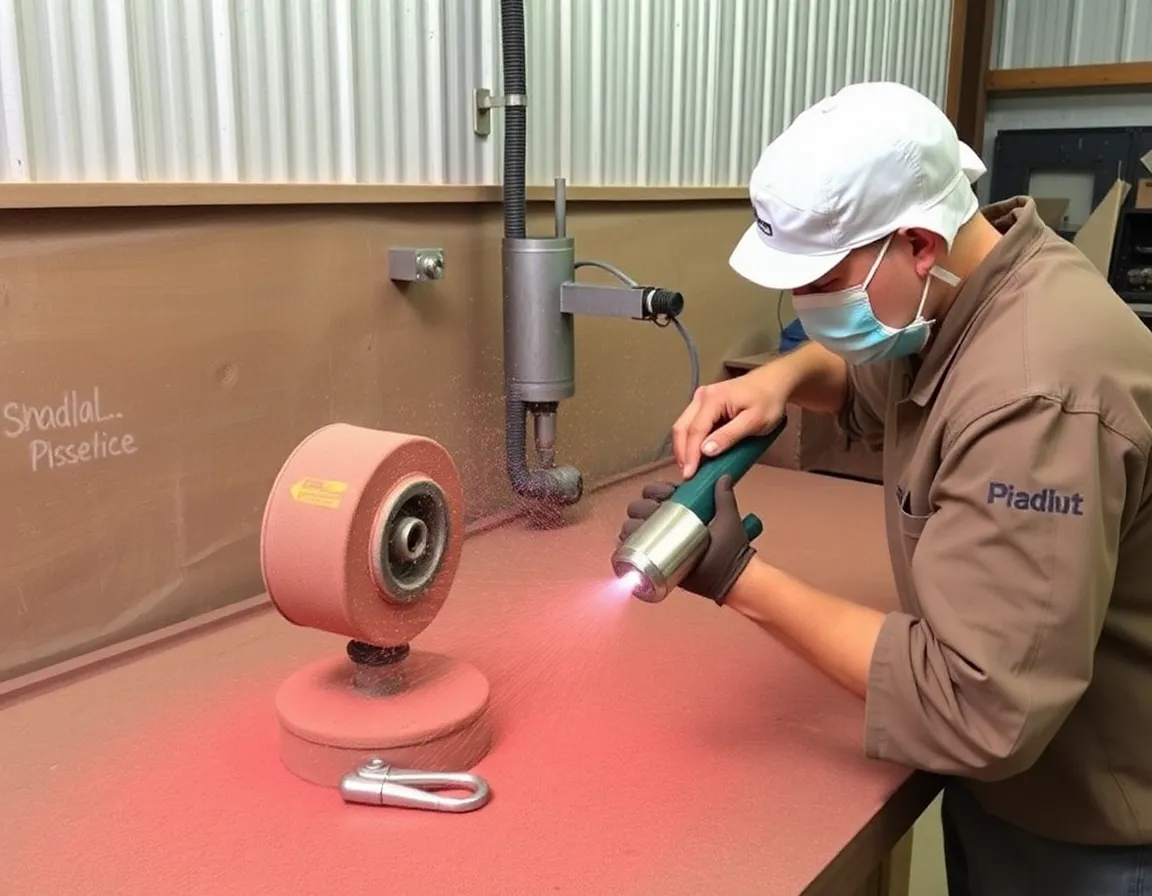
A typical sandblasting setup consists of a few key elements: a compressor to generate high-volume compressed air, a blast pot (pressure vessel) that holds the abrasive media, a blast hose to deliver the media, and a nozzle operated by a skilled technician wearing protective gear. The operator directs the stream of abrasive across the metal part, systematically cleaning it. The choice of nozzle size, air pressure, and stand-off distance (the space between the nozzle and the workpiece) are all critical variables that influence the speed and quality of the finish.
The Multifaceted Benefits of Sandblasting Metal Parts
Choosing sandblasting over other cleaning methods offers a suite of advantages that justify its widespread use in industries from aerospace to automotive restoration.
우수한 표면 준비
This is the primary benefit. Sandblasting removes every trace of contamination down to the bare, clean metal. It is uniquely capable of eliminating tenacious deposits like rust scale and pitting that wire brushes or chemical strippers might miss. The resulting anchor pattern ensures coatings bond at a mechanical level, drastically reducing the risk of peeling, blistering, or premature failure.
Versatility and Efficiency
Sandblasting can handle a vast range of sizes, shapes, and metal types—from delicate aluminum castings to massive steel beams. It can be adjusted from a gentle etch to an aggressive cut simply by changing the abrasive media and pressure. For large-scale projects, it is often significantly faster than manual cleaning methods, saving considerable labor time and cost.
Improved Coating Longevity and Performance
By creating an ideal surface for adhesion, sandblasting directly extends the service life of protective coatings. This translates to long-term cost savings through reduced maintenance, repainting cycles, and corrosion-related repairs. In critical applications like bridges, ships, and industrial equipment, this isn't just about aesthetics; it's about structural integrity and safety.
Environmentally Friendlier Options
With the move away from silica sand, many modern abrasive media are recyclable and environmentally benign. Media like crushed glass, garnet, and steel grit can often be reused multiple times within a closed-loop blasting system, minimizing waste. Furthermore, sandblasting eliminates the need for harsh chemical strippers, reducing hazardous waste disposal concerns.
Understanding the Costs of Sandblasting
The cost of sandblasting metal parts is not a single flat fee but a variable influenced by several key factors. Understanding these will help you budget accurately and obtain fair quotes.
Key Cost Factors
- Part Size, Complexity, and Quantity: Larger surface areas naturally cost more. Intricate parts with hard-to-reach crevices require more time and skill than flat plates. High-volume jobs often come with a lower per-unit cost due to efficiencies of scale.
- Initial Condition: Parts caked in thick rust, heavy scale, or multiple layers of paint will require more media consumption and blasting time, increasing the cost compared to lightly oxidized metal.
- Desired Finish Profile (SA Standard): Specifications like SA 2.5 (Near-White Metal) or SA 3 (White Metal) are more labor and media-intensive than a commercial clean (SA 2). Your coating manufacturer's recommendation will dictate this.
- Type of Abrasive Media: Cost varies by media. Walnut shells are inexpensive, while specialized plastics or high-hardness steel grit cost more but may be necessary for the substrate or required finish.
- Labor and Location: Shop rates differ by region. Mobile blasting services for large, immovable structures (like tanks or buildings) typically carry a premium due to setup and logistics.
Cost Ranges (Estimates)
As a rough guide, shop-based sandblasting can range from $50 to $150 per hour, or from $2 to $8 per square foot, depending on the factors above. For a standard automotive part like a car frame, prices might range from $400 to $800. Always seek a detailed, itemized quote that outlines the preparation standard, media type, and any masking requirements.
The Sandblasting Process: A Step-by-Step Guide
Professional sandblasting follows a systematic approach to ensure quality, safety, and efficiency.
1. Project Assessment & Preparation
This crucial first step involves evaluating the metal part, determining the desired end result (coating type, cleanliness standard), and selecting the appropriate abrasive media. The workpiece is also prepared by removing loose debris, grease, and oil through degreasing, as these can clog the media and contaminate the surface.
2. Masking and Containment
Areas that must not be blasted, such as threads, precision machined surfaces, or glass, are carefully masked off using tape, rubber, or metal shields. For indoor blasting, a dedicated blast room contains the media. For outdoor or mobile work, containment tarps are used to capture and recycle media and contain dust.
3. The Blasting Operation
Operators, equipped with a supplied-air respirator, helmet, gloves, and protective suit, systematically blast the surface. Technique is vital: maintaining a consistent angle (typically 45-90 degrees) and distance, using overlapping passes to ensure uniform coverage and profile. The process continues until the specified visual standard (e.g., SSPC, NACE, or SA) is met.
4. Post-Blast Cleaning and Inspection
After blasting, all spent abrasive and dust must be completely removed from the surface. This is typically done using clean, dry compressed air, vacuuming, or brushing. Immediate inspection is critical to verify cleanliness and profile depth before any oxidation (flash rust) can form on the freshly exposed metal.
5. Final Coating Application
The final, and most time-sensitive, step. The pristine, profiled surface is highly reactive and must be coated according to the coating manufacturer's instructions, often within a few hours (or even minutes in humid conditions) to prevent contamination and flash rust, which would undermine the entire preparation effort.
Best Practices and Safety Considerations
Sandblasting is powerful but poses significant risks if not handled properly. Adhering to best practices is non-negotiable.
- Personal Protective Equipment (PPE): A NIOSH-approved Type CE abrasive blasting respirator is mandatory. It must be coupled with a blast helmet, heavy gloves, and durable blast clothing to protect from ricochet and abrasion.
- Media Selection: Always choose the least aggressive media that will do the job. Avoid crystalline silica sand. Consider the metal hardness—softer media like plastic or walnut shells for aluminum or thin sheet metal; harder media like aluminum oxide or steel grit for thick steel.
- Environmental Control: Use proper containment to prevent environmental contamination and media loss. Be aware of local regulations regarding air quality and waste disposal for spent media and captured dust.
- Equipment Maintenance: Regularly inspect hoses for wear, check nozzles for erosion (which reduces efficiency), and ensure moisture traps in the air line are functional, as water in the line can cause media to clump and ruin the finish.
In conclusion, sandblasting metal parts is far more than just a cleaning procedure; it is a foundational process that determines the success and longevity of any protective coating system. By investing in proper sandblasting, you invest in the durability, appearance, and structural integrity of the metal itself. Whether you outsource to a professional or undertake a controlled DIY project, a thorough understanding of the costs, benefits, and meticulous process will ensure your metalwork stands the test of time and elements.