En el mundo de la fabricación y restauración de metales, lograr una superficie perfectamente limpia, perfilada y preparada es a menudo el primer paso crítico para un acabado exitoso. El chorreado con arena, también conocido como granallado abrasivo, se erige como uno de los métodos más eficaces y versátiles para lograrlo. Ya sea que esté reviviendo el chasis de un automóvil clásico, preparando acero estructural para recubrimiento o limpiando maquinaria industrial, comprender el proceso de chorreado con arena, sus considerables beneficios y los costos asociados es esencial para cualquier gerente de proyecto, fabricante o entusiasta del bricolaje.
¿Qué es el chorreado con arena y cómo funciona?
El chorreado con arena es una técnica de preparación de superficies que consiste en propulsar una corriente de material abrasivo a alta velocidad contra una superficie metálica utilizando aire comprimido o una rueda centrífuga. Contrario a su nombre, el chorreado con arena moderno rara vez utiliza arena de sílice debido a los riesgos para la salud; en su lugar, se emplean diversos medios más seguros y eficaces. El proceso funciona mediante una combinación de energía cinética y abrasión. Las partículas abrasivas impactan la superficie, eliminando eficazmente contaminantes, óxido, pintura vieja, cascarilla de laminación y corrosión. Esta acción no solo limpia el metal, sino que también crea un perfil texturizado microscópico, o "patrón de anclaje", que mejora drásticamente la adherencia de recubrimientos posteriores como pintura, recubrimiento en polvo o galvanizado.
Los componentes principales de un sistema de chorreado con arena
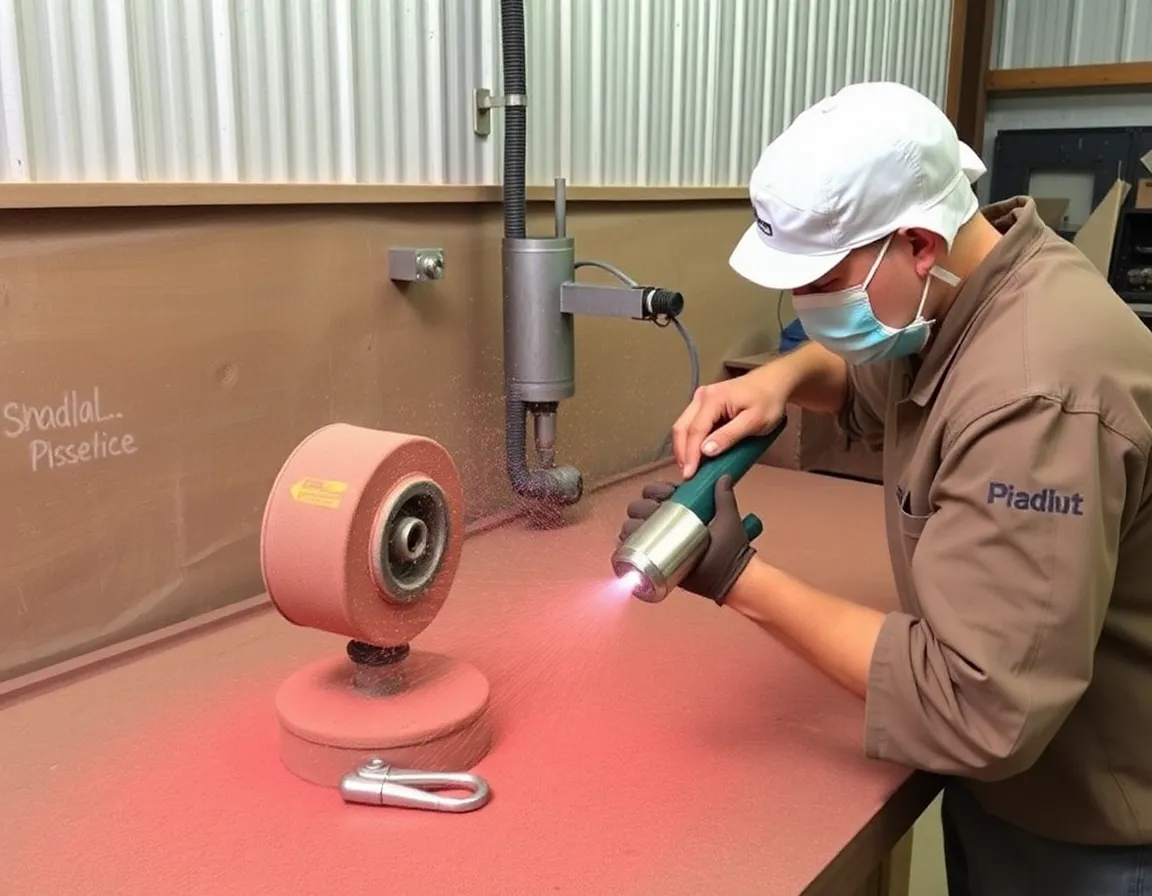
Una configuración típica de arenado consta de unos pocos elementos clave: un compresor para generar aire comprimido de gran volumen, una olla de arenado (recipiente a presión) que contiene el medio abrasivo, una manguera de arenado para suministrar el medio, y una boquilla operada por un técnico capacitado que lleva equipo de protección. El operador dirige el chorro de abrasivo sobre la pieza metálica, limpiándola sistemáticamente. La elección del tamaño de la boquilla, la presión del aire y la distancia de separación (el espacio entre la boquilla y la pieza de trabajo) son variables críticas que influyen en la velocidad y la calidad del acabado.
Los múltiples beneficios del arenado de piezas metálicas
Elegir el arenado en lugar de otros métodos de limpieza ofrece una serie de ventajas que justifican su uso generalizado en industrias que van desde la aeroespacial hasta la restauración automotriz.
Preparación superior de la superficie
Este es el beneficio principal. El arenado elimina todo rastro de contaminación hasta dejar el metal desnudo y limpio. Es singularmente capaz de eliminar depósitos tenaces como la cascarilla de óxido y la picadura que los cepillos de alambre o los decapantes químicos podrían pasar por alto. El patrón de anclaje resultante garantiza que los recubrimientos se adhieran a nivel mecánico, reduciendo drásticamente el riesgo de desprendimiento, ampollamiento o falla prematura.
Versatilidad y eficiencia
El arenado puede manejar una amplia gama de tamaños, formas y tipos de metal, desde delicadas piezas fundidas de aluminio hasta enormes vigas de acero. Se puede ajustar desde un grabado suave hasta un corte agresivo simplemente cambiando el medio abrasivo y la presión. Para proyectos a gran escala, a menudo es significativamente más rápido que los métodos de limpieza manual, lo que ahorra considerable tiempo de mano de obra y costo.
Mayor longevidad y rendimiento del recubrimiento
By creating an ideal surface for adhesion, sandblasting directly extends the service life of protective coatings. This translates to long-term cost savings through reduced maintenance, repainting cycles, and corrosion-related repairs. In critical applications like bridges, ships, and industrial equipment, this isn't just about aesthetics; it's about structural integrity and safety.
Environmentally Friendlier Options
With the move away from silica sand, many modern abrasive media are recyclable and environmentally benign. Media like crushed glass, garnet, and steel grit can often be reused multiple times within a closed-loop blasting system, minimizing waste. Furthermore, sandblasting eliminates the need for harsh chemical strippers, reducing hazardous waste disposal concerns.
Understanding the Costs of Sandblasting
The cost of sandblasting metal parts is not a single flat fee but a variable influenced by several key factors. Understanding these will help you budget accurately and obtain fair quotes.
Key Cost Factors
- Part Size, Complexity, and Quantity: Larger surface areas naturally cost more. Intricate parts with hard-to-reach crevices require more time and skill than flat plates. High-volume jobs often come with a lower per-unit cost due to efficiencies of scale.
- Initial Condition: Parts caked in thick rust, heavy scale, or multiple layers of paint will require more media consumption and blasting time, increasing the cost compared to lightly oxidized metal.
- Desired Finish Profile (SA Standard): Specifications like SA 2.5 (Near-White Metal) or SA 3 (White Metal) are more labor and media-intensive than a commercial clean (SA 2). Your coating manufacturer's recommendation will dictate this.
- Type of Abrasive Media: Cost varies by media. Walnut shells are inexpensive, while specialized plastics or high-hardness steel grit cost more but may be necessary for the substrate or required finish.
- Labor and Location: Shop rates differ by region. Mobile blasting services for large, immovable structures (like tanks or buildings) typically carry a premium due to setup and logistics.
Cost Ranges (Estimates)
As a rough guide, shop-based sandblasting can range from $50 to $150 per hour, or from $2 to $8 per square foot, depending on the factors above. For a standard automotive part like a car frame, prices might range from $400 to $800. Always seek a detailed, itemized quote that outlines the preparation standard, media type, and any masking requirements.
The Sandblasting Process: A Step-by-Step Guide
Professional sandblasting follows a systematic approach to ensure quality, safety, and efficiency.
1. Project Assessment & Preparation
This crucial first step involves evaluating the metal part, determining the desired end result (coating type, cleanliness standard), and selecting the appropriate abrasive media. The workpiece is also prepared by removing loose debris, grease, and oil through degreasing, as these can clog the media and contaminate the surface.
2. Masking and Containment
Areas that must not be blasted, such as threads, precision machined surfaces, or glass, are carefully masked off using tape, rubber, or metal shields. For indoor blasting, a dedicated blast room contains the media. For outdoor or mobile work, containment tarps are used to capture and recycle media and contain dust.
3. The Blasting Operation
Operators, equipped with a supplied-air respirator, helmet, gloves, and protective suit, systematically blast the surface. Technique is vital: maintaining a consistent angle (typically 45-90 degrees) and distance, using overlapping passes to ensure uniform coverage and profile. The process continues until the specified visual standard (e.g., SSPC, NACE, or SA) is met.
4. Post-Blast Cleaning and Inspection
After blasting, all spent abrasive and dust must be completely removed from the surface. This is typically done using clean, dry compressed air, vacuuming, or brushing. Immediate inspection is critical to verify cleanliness and profile depth before any oxidation (flash rust) can form on the freshly exposed metal.
5. Final Coating Application
The final, and most time-sensitive, step. The pristine, profiled surface is highly reactive and must be coated according to the coating manufacturer's instructions, often within a few hours (or even minutes in humid conditions) to prevent contamination and flash rust, which would undermine the entire preparation effort.
Best Practices and Safety Considerations
Sandblasting is powerful but poses significant risks if not handled properly. Adhering to best practices is non-negotiable.
- Personal Protective Equipment (PPE): A NIOSH-approved Type CE abrasive blasting respirator is mandatory. It must be coupled with a blast helmet, heavy gloves, and durable blast clothing to protect from ricochet and abrasion.
- Media Selection: Always choose the least aggressive media that will do the job. Avoid crystalline silica sand. Consider the metal hardness—softer media like plastic or walnut shells for aluminum or thin sheet metal; harder media like aluminum oxide or steel grit for thick steel.
- Environmental Control: Use proper containment to prevent environmental contamination and media loss. Be aware of local regulations regarding air quality and waste disposal for spent media and captured dust.
- Equipment Maintenance: Regularly inspect hoses for wear, check nozzles for erosion (which reduces efficiency), and ensure moisture traps in the air line are functional, as water in the line can cause media to clump and ruin the finish.
In conclusion, sandblasting metal parts is far more than just a cleaning procedure; it is a foundational process that determines the success and longevity of any protective coating system. By investing in proper sandblasting, you invest in the durability, appearance, and structural integrity of the metal itself. Whether you outsource to a professional or undertake a controlled DIY project, a thorough understanding of the costs, benefits, and meticulous process will ensure your metalwork stands the test of time and elements.