
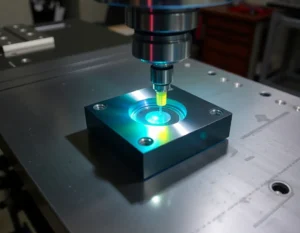
Precision Sensor Mount Machining: A Critical Guide
Introduction: The Critical Role of Precision in Sensor Mount Machining In the world of advanced measurement and control, the sensor is only as good as its foundation. A sensor, whether…
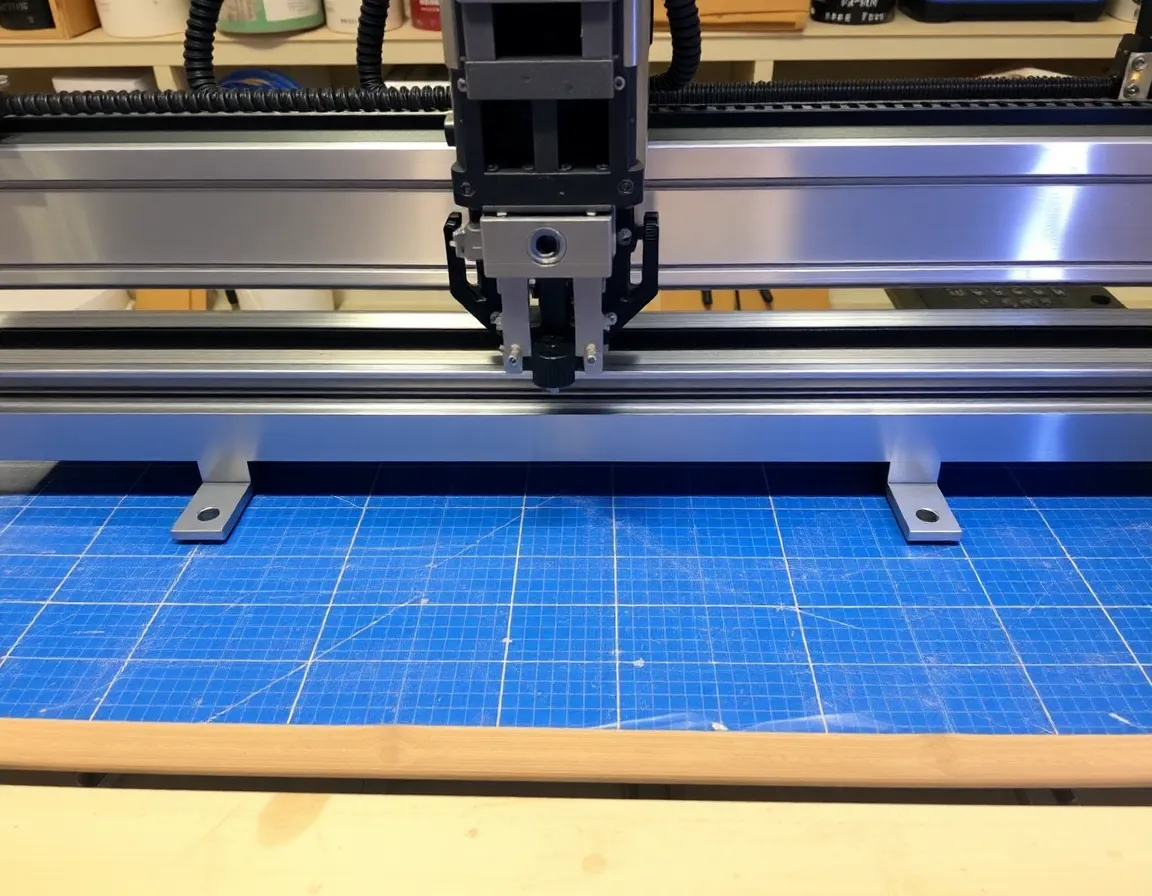
산업 및 기계 응용 분야를 위한 고강도 맞춤형 CNC 밀링 브래킷. 정확한 사양에 맞춰 정밀하고 내구성 있는 부품을 가공해 드립니다.
CNC machining ensures every bracket is identical with tight tolerances, guaranteeing perfect fit and assembly.
Milled from solid material blocks, brackets have no weak points from welding, offering exceptional load-bearing reliability.
Quickly produce complex designs from digital files, drastically reducing lead times from concept to finished part.
Create complex geometries in various metals and plastics, enabling optimized performance for specific applications.
CNC 밀링 브래킷은 컴퓨터 수치 제어(CNC) 밀링 머신을 사용하여 제조된 정밀 부품입니다. 이들은 일반적으로 알루미늄, 강철 또는 플라스틱과 같은 재료의 단단한 블록으로 만들어지며, 회전하는 절삭 공구가 재료를 제거하여 특정하고 종종 복잡한 3D 형상을 만듭니다. 이러한 브래킷은 다양한 응용 분야에서 부품을 결합, 지지 또는 장착하는 데 사용되는 기본 구조 요소입니다. 항공우주 어셈블리, 로봇공학, 자동차 프레임, 고급 전자 장치 인클로저 및 맞춤형 기계에서 찾아볼 수 있습니다. 핵심적인 차이점은 높은 정밀도와 반복성으로, 단순한 스탬프 브래킷과 달리 정확한 맞춤, 강도 및 신뢰성이 타협할 수 없는 응용 분야에 이상적입니다.
이 공정은 브래킷의 디지털 3D CAD(컴퓨터 지원 설계) 모델로 시작됩니다. 이 설계는 CAM(컴퓨터 지원 제조) 소프트웨어를 사용하여 기계 명령어(G-code)로 변환됩니다. 빌릿 또는 블랭크라고 불리는 단단한 소재 블록을 CNC 밀링 머신에 단단히 고정합니다. 기계의 컴퓨터 컨트롤러는 고속 절삭 공구의 움직임을 여러 축(일반적으로 3, 4 또는 5축)을 따라 지시하여 소재를 정밀하게 절삭합니다. 엔드밀과 드릴 같은 공구는 구멍, 슬롯, 포켓 및 복잡한 윤곽과 같은 형상을 만듭니다. 공정 전반에 걸쳐 모든 면을 가공하기 위해 부품을 재배치할 수 있습니다. 마지막으로, 완성된 브래킷은 디버링되고 종종 내식성과 외관 개선을 위해 알루미늄의 경우 아노다이징 또는 도금과 같은 2차 공정을 거칩니다.
CNC 밀링 브래킷은 여러 가지 뛰어난 이점을 제공합니다. 첫째는 뛰어난 정밀도와 엄격한 공차로, 조립 시 완벽한 맞춤과 정렬을 보장합니다. 둘째는 재료의 완전성입니다. 단단한 블록에서 가공되기 때문에 용접 이음새나 약한 지점이 없어 뛰어난 강도와 내구성을 제공합니다. 셋째는 설계 유연성입니다. CNC 밀링은 스탬핑이나 제작으로는 불가능한 매우 복잡한 형상, 정교한 특징, 가벼우면서도 강한 구조를 생산할 수 있습니다. 넷째는 뛰어난 반복성입니다. 한 번 프로그래밍되면 생산되는 모든 브래킷이 사실상 동일합니다. 마지막으로, 고품질 마감과 전문적인 외관을 제공합니다. 이러한 이점 덕분에 프로토타입, 중소량 생산, 그리고 성능, 신뢰성, 정밀성이 중요한 모든 응용 분야에 이상적입니다.
Your concern is common. CNC milling has higher upfront costs per part compared to mass-production methods like stamping, due to programming time, material waste (chips), and machine time. However, for low to medium volumes, complex designs, or prototype phases, they are extremely practical and often cost-effective overall. The elimination of costly tooling (like dies for stamping) makes them economical for smaller batches. Lead times are generally reasonable, often ranging from a few days to a couple of weeks, depending on complexity and shop workload. To optimize cost and time, consider design for manufacturability (DFM): simplify geometries where possible, standardize hole sizes, and choose readily available materials. Getting a quote from a reputable machine shop with your CAD file is the best way to assess practicality for your specific project.
The ordering process typically starts with you providing a 3D CAD model (e.g., STEP, SLDPRT file) and specifying material, finish, and quantity. A machine shop will then analyze the design for manufacturability and provide a formal quote. Pricing is determined by several key factors: Material Cost (aluminum, stainless steel, etc.), Machine Time (complexity and number of operations/setups), Quantity (higher volumes reduce cost per part due to amortized programming/setup), and Secondary Operations (anodizing, plating, heat treatment). Labor for programming and setup is a fixed cost, so unit price drops significantly as quantity increases. It's crucial to communicate your application's requirements (load, environment, tolerances) so the shop can recommend the most cost-effective material and process to meet your needs without over-engineering.
Introduction: The Critical Role of Precision in Sensor Mount Machining In the world of advanced measurement and control, the sensor is only as good as its foundation. A sensor, whether…
In the high-stakes world of automotive engineering and aerospace propulsion, the margin for error is virtually non-existent. Engineers often face a recurring nightmare: a prototype turbocharger that performs beautifully on…
The global Unmanned Aerial Vehicle (UAV) industry has witnessed a paradigm shift in structural integrity and performance requirements over the last decade. At the heart of this evolution lies the…