서론: 316 스테인리스의 과제와 가능성
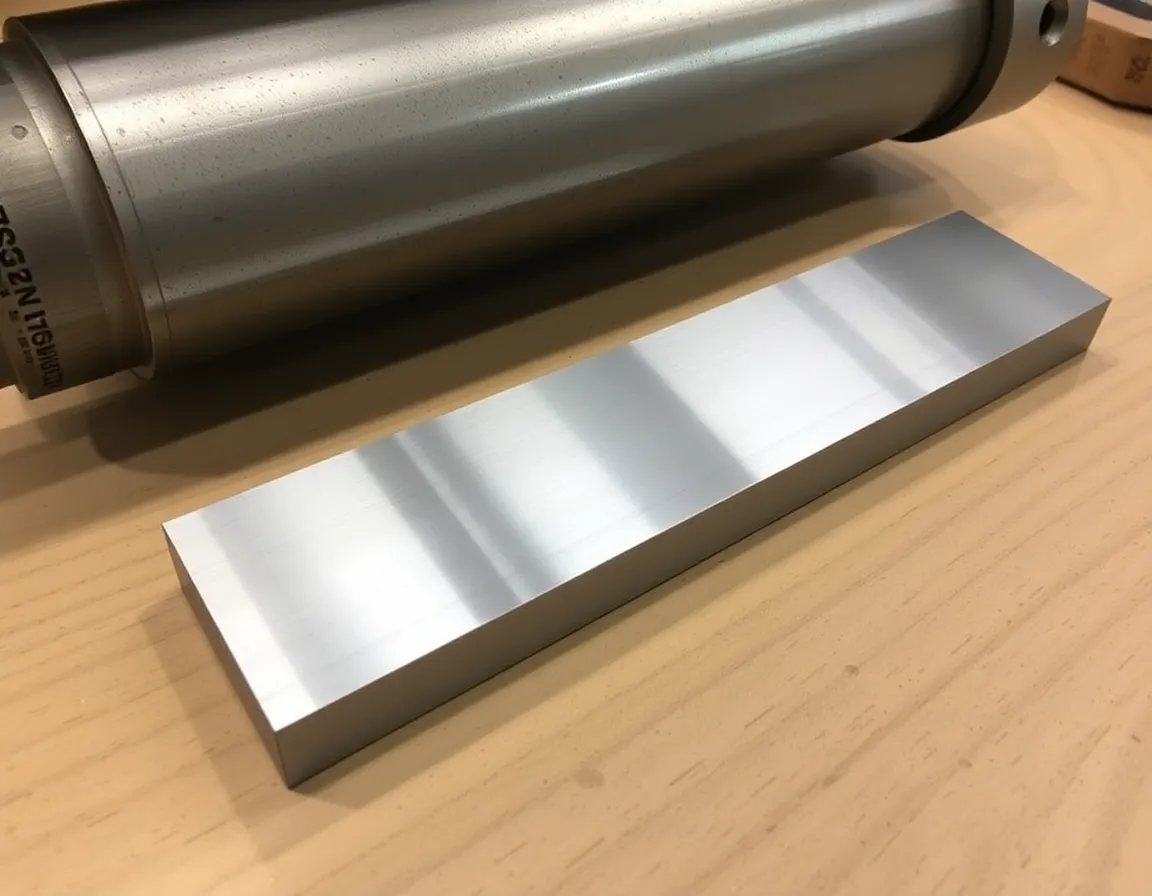
정밀 가공의 세계에서 316 스테인리스 강만큼 바람직한 특성과 만만치 않은 과제를 그렇게 매력적으로 결합한 소재는 거의 없습니다. 뛰어난 내식성, 높은 강도, 우수한 성형성으로 유명한 316은 항공우주, 의료, 해양, 식품 가공 산업 전반의 핵심 응용 분야에서 선호되는 합금입니다. 그러나 바로 그 강점들—가공 경화 경향, 낮은 열전도율, 인성—때문에 효율적으로 가공하기 notoriously 어려운 소재입니다. 316 스테인리스 강 가공을 마스터하는 것은 무력이 아니라 올바른 공구, 매개변수, 기법을 선택하는 미묘한 춤입니다. 이 종합 가이드는 이 까다로운 소재를 현장의 골칫거리에서 신뢰할 수 있는 고품질 부품으로 바꾸는 데 필요한 필수 팁과 요령을 제공합니다.
그 짐승을 이해하기: 316 스테인리스 강의 야금학
가공 매개변수로 들어가기 전에 316 스테인리스 강을 독특하게 만드는 요소를 이해하는 것이 중요합니다. 316은 300계열에 속하는 오스테나이트계 스테인리스 강입니다. 그 정의적 특징은 몰리브덴 (일반적으로 2-3%)의 첨가로, 특히 염화물과 산성 환경에 대한 내식성을 크게 향상시킵니다. 이 합금 구조는 316에 뛰어난 특성을 부여하지만 가공 거동도 결정합니다.
가공성에 영향을 미치는 주요 특성
가공 경화: This is the single biggest challenge. 316 stainless rapidly hardens as it is deformed (by a cutting tool). This can lead to excessive tool wear, poor surface finish, and even tool failure if not managed correctly. The key is to maintain constant, positive engagement with the material, avoiding dwelling or light cuts that rub instead of shear.
Low Thermal Conductivity: Unlike aluminum, 316 stainless is a poor conductor of heat. The heat generated during cutting doesn't dissipate into the chips or the workpiece; instead, it concentrates on the cutting edge of the tool. This necessitates robust cooling strategies to prevent thermal cracking and premature tool degradation.
High Strength and Toughness: 316 maintains its strength at elevated temperatures, meaning it resists deformation under the cutting force. This demands rigid machine setups, sharp tools, and sufficient power to achieve effective shearing.
Built-Up Edge (BUE) Tendency: The material's ductility can cause it to weld to the cutting edge at certain temperatures and speeds, forming a built-up edge. This BUE eventually breaks off, taking fragments of the tool's coating with it, leading to accelerated wear.
Strategic Tooling: The Foundation of Success
Choosing the correct tooling is non-negotiable for successful 316 machining. Compromising here will lead to poor results, regardless of other adjustments.
Tool Material and Geometry
For most modern machining operations, carbide tools are the standard. Within carbide, grades with high hot hardness and wear resistance are essential:
- Submicron Grain Carbides: Offer an excellent balance of toughness and wear resistance.
- PVD-Coated Carbides (TiAlN, AlTiN): The coating provides a hard, thermally resistant barrier, reducing friction and heat transfer to the tool substrate. TiAlN is particularly effective for 316 stainless.
- Sharp Cutting Edges: Tools must be kept sharp. A dull tool increases cutting forces, exacerbates work hardening, and generates more heat.
- Positive Rake Angles: Use tools with positive rake geometry to promote efficient shearing, reduce cutting forces, and direct heat into the chip.
- Restricted Contact Length: Tools designed with a smaller contact area between the chip and the rake face help reduce heat buildup and pressure.
Toolpath Strategy and Rigidity
Your CNC programming approach can make or break a job. The goal is to maintain consistent, controlled chip loads and avoid situations that promote work hardening.
- Climb Milling (Down Milling): Generally preferred as the tool engages with the maximum chip thickness and exits with a minimum, reducing the tendency for work hardening and providing a cleaner shear.
- Constant Engagement Toolpaths: Modern CAM software offers dynamic or adaptive toolpaths that maintain a consistent radial engagement (often 5-10% of the tool diameter) throughout the cut. This is exceptionally effective for 316, as it manages heat and load evenly, prolonging tool life.
- Avoid Dwells and Interrupted Cuts: Program smooth, continuous motions. Dwells allow heat to build up and give the material time to work-harden. Ensure fixturing is extremely rigid to minimize vibration, which leads to chipping and poor surface finish.
Mastering the Cut: Parameters and Coolant Best Practices
Dialing in the correct speeds, feeds, and coolant application is where theory meets practice.
Speed and Feed Philosophy
The old adage "slow and steady" is only partially true. The goal is to find a balance that generates a good chip while managing heat.
- Surface Speed (SFM): Start conservative. For roughing with carbide, a range of 150-250 SFM is typical. For finishing, you may increase slightly to 250-350 SFM, but always monitor tool wear. Avoid speeds in the 50-100 SFM range, as this is where work hardening and BUE are most prevalent.
- Chip Load (IPT): This is critical. Take an aggressive enough chip. A feed rate that is too light will cause the tool to rub, generating heat and work hardening the surface. It's often better to err on the side of a slightly heavier, controlled chip that carries heat away. Ensure you are achieving a formed, curled chip, not dust or a long, stringy chip.
- Depth of Cut: Use a depth of cut that is larger than the work-hardened layer from the previous pass. For finishing, a light pass of 0.005-0.015 inches is common, but the preceding semi-finish pass should be significantly deeper to cut under any hardened material.
The Critical Role of Coolant
Effective cooling and lubrication are not optional; they are mandatory for machining 316 stainless steel productively.
- High-Pressure, High-Volume Flood Coolant: The primary goal is to remove heat from the cutting zone. Use a high concentration of a quality, chlorine-free synthetic or semi-synthetic coolant designed for stainless steels.
- Through-Tool Coolant: If available, this is a game-changer. Delivering coolant directly to the cutting edge under high pressure (500-1000+ PSI) ensures penetration into the chip-tool interface, providing superior cooling, breaking chips, and flushing them away from the cut.
- Lubricity: Coolant must also provide lubrication to reduce friction and the adhesion of material to the tool. This helps prevent built-up edge and improves surface finish.
Advanced Considerations and Troubleshooting
Even with the basics covered, specific operations and problems require targeted solutions.
Drilling and Tapping
These are particularly challenging due to the confined cutting zone and poor heat dissipation.
- 드릴링: Use short, rigid carbide drills (e.g., parabolic flute) designed for stainless. Peck drilling is often necessary, but minimize the number of pecks to avoid work hardening the hole's side walls. Ensure high-pressure coolant through the drill if possible.
- Tapping: Use premium, coated taps (TiCN or TiAlN) designed for stainless. Consider a spiral-point (gun) tap for through-holes or a spiral-flute tap for blind holes to effectively evacuate chips. Reduce speed by 30-50% compared to drilling speeds and use a tapping fluid with extreme pressure additives.
Common Problems and Solutions
- Rapid Tool Wear: Check SFM is not too high, ensure adequate coolant flow and concentration, verify tool is sharp and has the correct geometry/coating.
- Poor Surface Finish: Often caused by vibration or a worn tool. Increase rigidity, check for a positive rake angle, and increase feed rate slightly to move from rubbing to shearing.
- Work Hardening of the Workpiece: Caused by dull tools, light feeds, or dwelling. Use sharp tools, maintain a consistent and appropriate chip load, and program toolpaths that avoid re-cutting hardened surfaces.
- Chatter and Vibration: Maximize tool and workpiece rigidity. Use the shortest possible tool extension, ensure fixturing is solid, and consider variable-helix end mills to disrupt harmonic frequencies.
Conclusion: From Challenge to Competitive Advantage
Mastering the machining of 316 stainless steel is a hallmark of a skilled machinist and a capable workshop. It requires a holistic approach that respects the material's metallurgy, invests in premium tooling, employs intelligent toolpath strategies, and meticulously controls cutting parameters and coolant application. There is no single magic trick; success lies in the synergistic application of all these principles. By implementing the tips and tricks outlined here, you can transform 316 stainless from a problematic material into a reliable and profitable part of your production repertoire, enabling you to confidently take on high-value projects in the most demanding industries. The reward for this mastery is not just a finished part, but a significant competitive edge in the precision manufacturing landscape.