
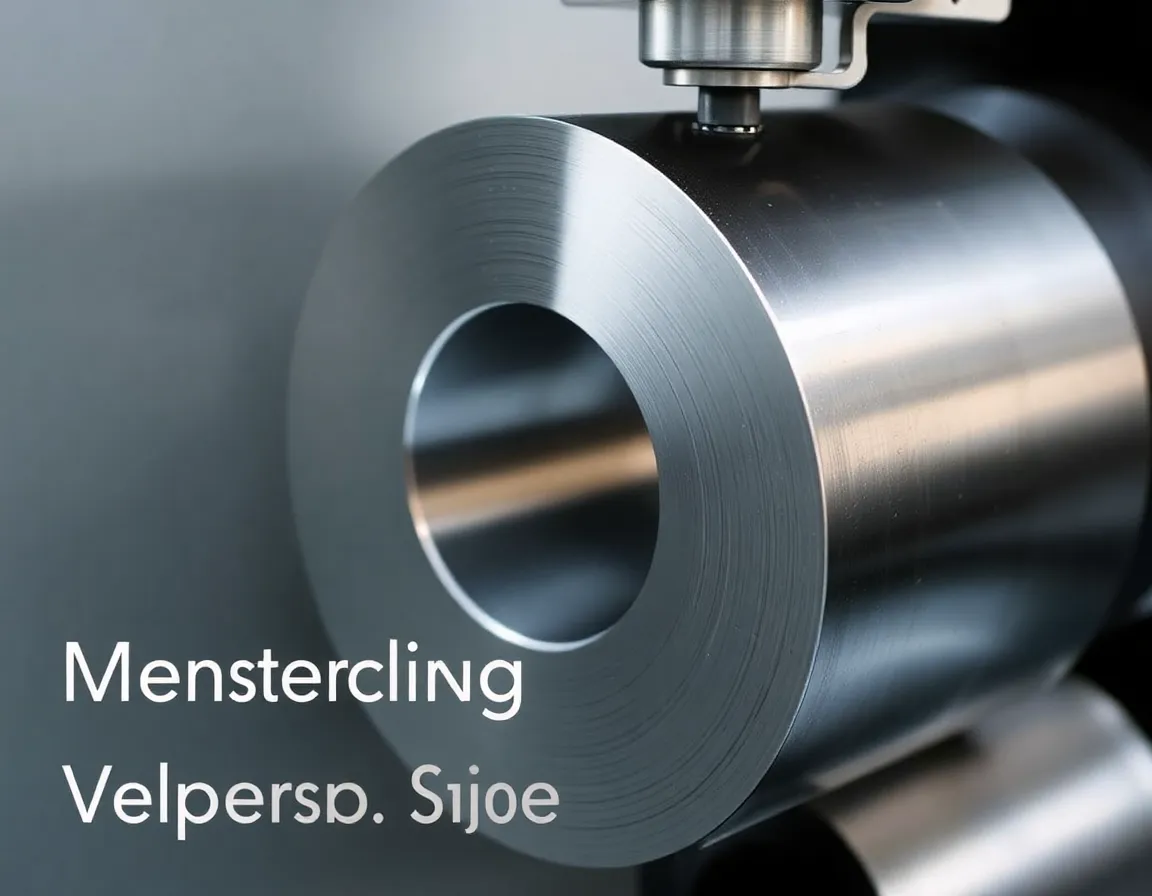
버진 PEEK 가공 소개
일반적으로 PEEK로 알려진 폴리에테르에테르케톤은 까다로운 엔지니어링 응용 분야에서 핵심 소재가 된 고성능 반결정성 열가소성 수지입니다. 우리가 버진 PEEK 가공, 을 언급할 때는 탄소 섬유, 유리 섬유 또는 윤활제와 같은 보강 첨가제가 포함되지 않은, 즉 무충전 PEEK 소재를 절단, 밀링, 선반 가공 또는 기타 방식으로 성형하는 공정을 설명하는 것입니다. 이 버진 등급은 기계적 강도, 내화학성, 열 안정성 및 순도의 탁월한 균형을 제공하여 항공우주부터 의료기기 제조에 이르기까지 다양한 산업에서 선호되는 소재입니다. 이 첨단 폴리머 가공의 미묘한 차이를 이해하는 것은 좁은 공차, 우수한 표면 조도 및 장기적인 부품 신뢰성을 달성하는 데 매우 중요합니다.
금속이나 다른 엔지니어링 플라스틱과 달리, 버진 PEEK는 가공 중에 독특한 과제와 기회를 제시합니다. 높은 융점(약 343°C 또는 649°F), 우수한 내마모성 및 고유한 인성은 특수한 공구, 냉각 전략 및 이송 속도를 필요로 합니다. 이 글에서는 버진 PEEK 가공의 모든 측면을 탐구하며, 가공성을 좌우하는 기본 특성부터 생산 환경에서 성공을 보장하는 모범 사례까지 다룹니다.
버진 PEEK 이해: 재료 특성 및 가공에 미치는 영향
열적 및 기계적 특성
버진 PEEK는 최대 260°C(500°F)의 연속 사용 온도에서 기계적 무결성을 유지하는 능력으로 유명합니다. 이러한 열적 안정성은 가공에서 양날의 검과 같습니다. 재료가 쉽게 연화되지는 않지만, 절삭 중 발생하는 열을 적절히 관리하지 않으면 국부적인 용융, 점착 또는 치수 변형을 초래할 수 있습니다. 약 143°C(289°F)의 유리 전이 온도(Tg)는 이 지점 이상에서 비정질 영역이 연화되기 시작하여 절삭 공구에 칩이 부착될 수 있음을 의미합니다. 따라서 냉각수나 압축 공기를 통한 효과적인 열 방출은 선택 사항이 아니라 필수적입니다.
기계적 특성으로, 버진 PEEK는 90-100 MPa의 인장 강도와 약 3.6 GPa의 탄성 계수를 보입니다. 이러한 강성은 낮은 열팽창 계수와 결합되어 올바르게 가공할 경우 정밀한 공차(±0.05 mm 또는 그 이상)를 가능하게 합니다. 그러나 인성 때문에 칩이 부서지기보다는 길고 끈적하게 나오는 경향이 있어, 칩 절단 전략을 사용하지 않으면 공구에 감겨 표면이 찢어질 수 있습니다.
내화학성 및 순도
충전 등급 대신 버진 PEEK를 선택하는 주된 이유 중 하나는 뛰어난 내화학성입니다. 이는 탄화수소, 산, 염기를 포함한 대부분의 유기 및 무기 화학물질에 사실상 불활성입니다. 의료 및 반도체 응용 분야에서 충전제가 없으면 입자 오염이나 이온 용출 위험이 제거됩니다. 이러한 민감한 환경을 위해 버진 PEEK를 가공할 때는, 냉각수와 윤활제를 신중하게 선택해야 하며재료의 순도를 저하시킬 수 있는 오염 물질의 유입을 피해야 합니다. 의료용 임플란트의 경우 생체 적합성이 있는 수용성 냉각수가 종종 요구됩니다.
충전 PEEK 등급과의 비교
버진 PEEK를 강화 등급과 구별하는 것이 중요합니다. 예를 들어 카본 충전 PEEK는 더 높은 강성과 열전도성을 제공하지만 절삭 공구에 훨씬 더 연마성이 강합니다. 유리 충전 PEEK는 내마모성을 향상시키지만 종종 2차 가공이 필요한 거친 표면 조도를 만듭니다. 이와 대조적으로 버진 PEEK는 공구 마모가 적게 가공되고, 더 매끄러운 표면을 생성하며, 자연스러운 반투명 베이지색을 유지합니다. 이로 인해 미관, X선 투과성 또는 전기 절연이 중요한 응용 분야에 이상적입니다.
버진 PEEK를 위한 필수 가공 기술
공구 선택 및 형상
올바른 절삭 공구를 선택하는 것은 버진 PEEK 가공에서 가장 영향력이 큰 단일 결정입니다. 고속도강(HSS) 공구로 충분할 수 있는 금속과 달리, PEEK는 열 발생을 최소화하고 재료 번짐을 방지하기 위해 날카롭고 연마된 초경 공구를 요구합니다. 다결정 다이아몬드(PCD) 공구는 대량 생산을 위한 최고 표준으로, 뛰어난 날 유지력과 열전도성을 제공합니다. 공구 형상은 다음을 갖추어야 합니다:
- 절삭력을 줄이기 위한 양의 경사각(10°~15°)
- 플랭크 면의 마찰을 최소화하기 위한 큰 릴리프 각도(8°~12°)
- 호닝이나 엣지 준비가 없는 날카로운 절삭날
- 칩 배출을 촉진하기 위한 연마된 플루트
드릴링 작업에는 118°~135°의 포인트 각도와 분할 포인트를 가진 카바이드 드릴을 사용하여 추력(스러스트)을 줄이십시오. 펙 드릴링 사이클은 칩을 분쇄하고 냉각수가 절삭 영역에 도달할 수 있도록 하기 위해 적극 권장됩니다.
절삭 조건: 속도, 이송 및 절삭 깊이
버진 PEEK 가공은 생산성과 품질 사이의 섬세한 균형이 필요합니다. 과도한 속도는 폴리머를 녹이는 열을 발생시키는 반면, 지나치게 공격적인 이송은 버(burr)나 층간 분리를 유발할 수 있습니다. CNC 밀링 및 선반 가공에 대한 일반 지침은 다음과 같습니다:
- 스핀들 속도: 밀링의 경우 1,500~4,000 RPM(공구 직경에 따라 다름); 선반 가공의 경우 800~2,000 RPM
- 이송 속도:선반 가공의 경우 0.05~0.15 mm/rev; 밀링의 경우 0.02~0.10 mm/날
- 절삭 깊이:황삭의 경우 0.5~2.0 mm; 정삭의 경우 0.1~0.5 mm
- 냉각제:수용성 에멀전 또는 압축 공기 분사를 이용한 플러드 냉각
CNC 선반을 사용할 때는 열 축적을 줄이고 표면 조도를 향상시키기 위해 관행 밀링보다 클라임 밀링이 선호됩니다. 드릴링의 경우 0.05~0.15 mm/rev의 이송 속도와 0.5~1.0 mm의 펙 깊이가 일반적입니다. 항상 보수적인 파라미터로 시작하여 점진적으로 증가시키십시오칩 형성과 공구 온도를 모니터링하면서.
냉각 및 윤활 전략
Heat management is paramount. While dry machining is possible for short runs, it often leads to melted chips that weld to the tool. Flood coolant with a water-soluble, non-staining fluid is the most common approach. For medical or food-grade applications, use deionized water or a coolant that meets ISO 10993 biocompatibility standards. Mist cooling with compressed air is an alternative for operations where liquid coolant cannot be used, such as when machining parts that will be bonded or coated later.
Avoid oil-based lubricants in most cases, as they can cause stress cracking in PEEK or leave residues that are difficult to remove. If oil is necessary, ensure it is fully compatible with PEEK and plan for a thorough cleaning step.
Common Challenges and Solutions in Virgin PEEK Machining
Burr Formation and Edge Finish
Virgin PEEK's toughness makes it prone to burr formation, especially on exit edges during drilling and milling. Burrs can be minimized by using sharp tools, reducing feed rates during the final pass, and employing climb milling. For drilled holes, backing the workpiece with a sacrificial plate or using a back-drilling technique can eliminate exit burrs entirely. Post-machining deburring with a fine abrasive pad or a diamond file is often necessary for critical sealing surfaces.
Thermal Expansion and Dimensional Stability
Although virgin PEEK has a relatively low coefficient of thermal expansion (47 x 10⁻⁶ /°C), localized heating during machining can still cause parts to grow temporarily, leading to out-of-tolerance dimensions once they cool. To mitigate this, allow the workpiece to return to room temperature before making final measurement passes. For thin-walled parts, consider roughing to within 0.5 mm of the final dimension, letting the part stabilize, then performing a finish cut. Never measure a hot PEEK part and expect it to be accurate.
Chip Management and Surface Quality
Long, stringy chips are a hallmark of machining virgin PEEK. These chips can wrap around rotating tools, damage the surface finish, and even cause tool breakage. Use chip breakers on turning inserts or program chip-breaking cycles in CNC code. For milling, use tools with fewer flutes (2 or 3 flutes) to provide more space for chip evacuation. A surface finish of Ra 0.4 to 0.8 µm is achievable with proper parameters, but achieving a mirror finish often requires a final pass with a very light depth of cut (0.05 mm) and a high feed rate.
Applications and Best Practices for Machined Virgin PEEK Parts
Medical and Implantable Devices
Virgin PEEK is widely used in spinal implants, cranial plates, and dental abutments due to its radiolucency (invisible on X-rays), biocompatibility, and mechanical similarity to bone. When machining for medical applications, strict adherence to ISO 13485 quality standardsis required. All cutting fluids must be certified biocompatible, and parts must be cleaned in an ultrasonic bath with medical-grade detergents after machining. Avoid any lubricants containing sulfur or chlorine, as they can cause surface degradation over time.
Aerospace and Semiconductor Components
In aerospace, virgin PEEK is used for electrical connectors, bushings, and pump components where weight reduction and flame retardancy (UL94 V-0 rating) are critical. For semiconductor wafer handling equipment, the material's low outgassing and high purity make it ideal for vacuum chamber components. Best practices include using vacuum fixturing to avoid clamping marks and performing all machining in a cleanroom environment to prevent particle contamination.
General Best Practices Checklist
- Always use sharp, polished carbide or PCD tools
- Maintain consistent coolant flow to the cutting zone
- Employ climb milling for superior surface finish
- Use peck drilling cycles for holes deeper than 2x diameter
- Allow parts to thermally stabilize before final measurements
- Deburr all edges with fine abrasives or diamond files
- Clean parts immediately after machining to remove coolant residue
- Store machined parts in a clean, dry environment away from UV light
Conclusion: Mastering the Art of Virgin PEEK Machining
Machining virgin PEEK is both a science and an art. The material's exceptional properties—thermal stability, chemical resistance, mechanical strength, and purity—make it indispensable for high-stakes applications, but these same properties demand a disciplined approach to tooling, parameters, and process control. By understanding the thermal dynamics, selecting the correct cutting tools, and implementing robust coolant and chip management strategies, machinists can consistently produce parts that meet the most stringent specifications.
Whether you are crafting a spinal implant that must last a lifetime or a semiconductor component that cannot tolerate contamination, the principles outlined in this article provide a foundation for success. As with any advanced material, experimentation and documentation are key: keep a log of successful parameters for different part geometries, and never hesitate to invest in higher-quality tooling. With practice, machining virgin PEEK becomes a reliable, repeatable process that unlocks the full potential of this remarkable polymer.