Conozca el Zamak: La aleación de un vistazo
En el mundo del mecanizado de precisión y la fundición a presión, el Zamak destaca como una familia de aleaciones de zinc versátil y ampliamente utilizada. El nombre en sí es un acrónimo derivado de los nombres alemanes de sus elementos principales: Zink (zinc), Aluminium (aluminio), Magnesium (magnesio) y Kupfer (cobre). Principalmente, el Zamak 3 y el Zamak 5 son los caballos de batalla de la industria, siendo el Zamak 3 el más común debido a su excelente equilibrio entre propiedades físicas y colabilidad. Estas aleaciones son reconocidas por su alta resistencia, excelente estabilidad dimensional y magníficas capacidades de acabado superficial, lo que las hace ideales para una amplia gama de componentes, desde piezas automotrices complejas hasta herrajes duraderos y electrónica de consumo.
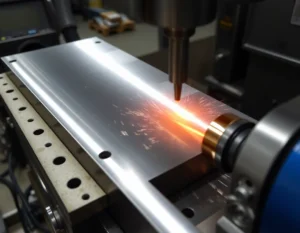
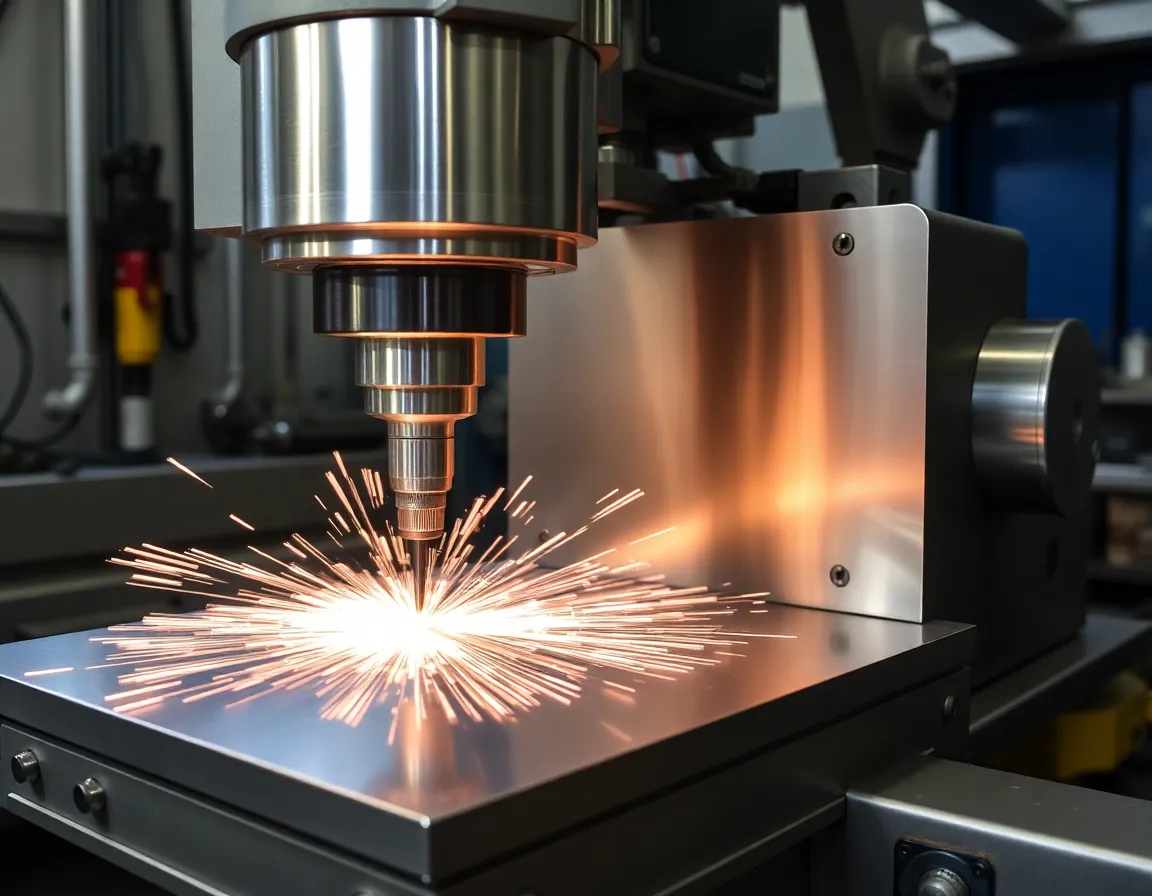
La maquinabilidad del Zamak se considera generalmente muy buena, pero no está exenta de matices. A diferencia del mecanizado de metales más duros como el acero, el Zamak requiere un enfoque específico para aprovechar sus beneficios y evitar sus inconvenientes, como su punto de fusión relativamente bajo y su potencial de agarrotamiento. El mecanizado exitoso de componentes de Zamak —ya sea en operaciones secundarias sobre piezas fundidas a presión o en el mecanizado desde barra maciza— depende de comprender sus características materiales y aplicar técnicas adaptadas.
Principios fundamentales para mecanizar Zamak con éxito
Dominar el mecanizado del Zamak comienza por respetar sus propiedades únicas. Su bajo punto de fusión (alrededor de 385 °C / 725 °F para el Zamak 3) significa que la gestión del calor es crucial para evitar que el material se ablande o engrase las herramientas de corte. Además, la excelente ductilidad del Zamak puede provocar filo recrecido (BUE) si las herramientas no están afiladas o los parámetros son incorrectos. Adherirse a los siguientes principios fundamentales sentará las bases para la precisión y la eficiencia.
Selección de herramientas: La base de la precisión
Choosing the right cutting tool is paramount. For most Zamak machining operations, sharp, polished tools with positive rake angles are highly recommended.
- Material: Uncoated carbide or micro-grain carbide tools are excellent choices for their hardness and ability to maintain a keen edge. High-speed steel (HSS) can be used but may wear faster on production runs.
- Geometría: Tools with high positive rake angles (e.g., 10° to 20°) shear the material cleanly with less cutting force, minimizing heat generation and preventing material pull. Sharp, polished flutes help in efficient chip evacuation.
- Recubrimientos: While not always necessary, polished diamond-like carbon (DLC) or titanium-based coatings can reduce friction and further prevent material adhesion.
Machining Parameters: Speed, Feed, and Depth of Cut
Optimizing your machine settings is the key to controlling heat and achieving a superior finish.
- Velocidad (SFM): Zamak allows for high surface speeds. A good starting range is 500-1000 SFM for turning and 300-600 SFM for milling. The goal is to be fast enough to generate thin, clean chips that carry heat away, but not so fast as to generate excessive heat through friction.
- Velocidad de avance: Use a moderately high feed rate. A light feed can cause the tool to rub rather than cut, generating heat and work-hardening the surface. A consistent, assertive feed promotes good chip formation.
- Profundidad de corte: Zamak is forgiving, but for finishing passes, light depths of cut (0.005" to 0.020") with a sharp tool will yield the best surface finish. For roughing, deeper cuts are acceptable if the machine rigidity and tool strength allow.
Coolant and Lubrication: Mandatory, Not Optional
While Zamak can be machined dry in some cases, using a coolant or lubricant is strongly advised for precision work. Its primary roles are to control temperature, improve surface finish, and aid in chip evacuation. A flood coolant system with a soluble oil or synthetic fluid is ideal. For smaller operations, a mist coolant system or even a generous application of a cutting oil or kerosene-based lubricant can be effective. The lubricant prevents the soft zinc chips from welding to the tool, a phenomenon known as galling.
Advanced Tips and Tricks for Optimal Results
Beyond the basics, several advanced practices can elevate your Zamak machining from good to exceptional, reducing scrap rates and improving component quality.
Managing Chips and Swarf
Zamak produces long, stringy chips that can be sharp and problematic. To manage this:
- Use chip breakers on your tooling geometry if available.
- Ensure high-pressure coolant is directed at the cutting edge to break and flush chips away.
- Regularly clear chips from the work area to prevent recutting, which damages both the tool and the workpiece surface finish.
Achieving Mirror Finishes
Zamak's natural ability to take a fine finish is one of its biggest advantages. For near-mirror finishes:
- Employ a final, very light finishing pass (0.001" - 0.003") with a freshly sharpened, polished tool.
- Maximize spindle speed while maintaining an appropriate feed rate to avoid rubbing.
- Consider using a single-point diamond tool for ultimate surface quality on critical faces.
- Ensure the workpiece is rigidly held to eliminate any vibration or chatter marks.
Addressing Porosity in Die Cast Parts
When performing secondary machining on die-cast Zamak components, you may encounter subsurface porosity. This can cause tool chatter and poor finish. To mitigate this:
- Use sharp tools and consistent, uninterrupted cuts to bridge porous areas.
- Reduce feed rates slightly when machining over suspected porous zones.
- Consider vibratory finishing or tumbling after machining to help close superficial pores.
Applications and Benefits of Precision-Machined Zamak
The synergy of die casting for near-net-shape production and CNC machining for critical tolerances makes Zamak an unbeatable choice for countless applications.
Key Industry Applications
Precision-machined Zamak components are found everywhere:
- Automoción: Fuel system components, sensor housings, decorative trim, and lock mechanisms.
- Electrónica de consumo: Camera bodies, bezels, hardware for mobile devices, and internal structural parts.
- Hardware and Plumbing: High-quality faucet handles, valve bodies, door hardware, and precision gears.
- Dispositivos médicos: Housings for handheld instruments and components where EMI/RFI shielding is beneficial.
The Compelling Advantages
Choosing Zamak for machined parts offers a host of benefits:
- Rentabilidad: The raw material is relatively inexpensive, and its excellent castability and machinability keep manufacturing costs low.
- Alta relación resistencia-peso: Zamak is stronger than many engineering plastics and even some aluminum alloys, allowing for robust yet lightweight designs.
- Superb Surface Finish: It can be polished, plated, painted, or coated with exceptional results, making it perfect for aesthetic parts.
- Estabilidad dimensional: Zamak parts have minimal creep and maintain their shape and tolerances over time and under load.
- Full Recyclability: Scrap and swarf can be 100% recycled, supporting sustainable manufacturing practices.
Conclusion: Embracing the Potential of Zamak
Mastering the machining of Zamak is a valuable skill for any machinist or manufacturing engineer. By understanding its material behavior—respecting its need for sharp tools, appropriate speeds and feeds, and adequate cooling—you can unlock its full potential. The result is the ability to produce high-volume, precision components that are strong, aesthetically pleasing, and cost-competitive. Whether you are performing secondary operations on complex die castings or machining a prototype from solid bar stock, applying these tips and tricks will ensure your Zamak projects are executed with precision, efficiency, and consistently outstanding quality. In the landscape of modern manufacturing, Zamak remains a testament to how a well-understood material, paired with skilled machining, continues to enable innovation across industries.