pom cnc machining solutions are available with stable quality control, flexible manufacturing capacity, and responsive technical support. Contact us for drawings review and quotation.

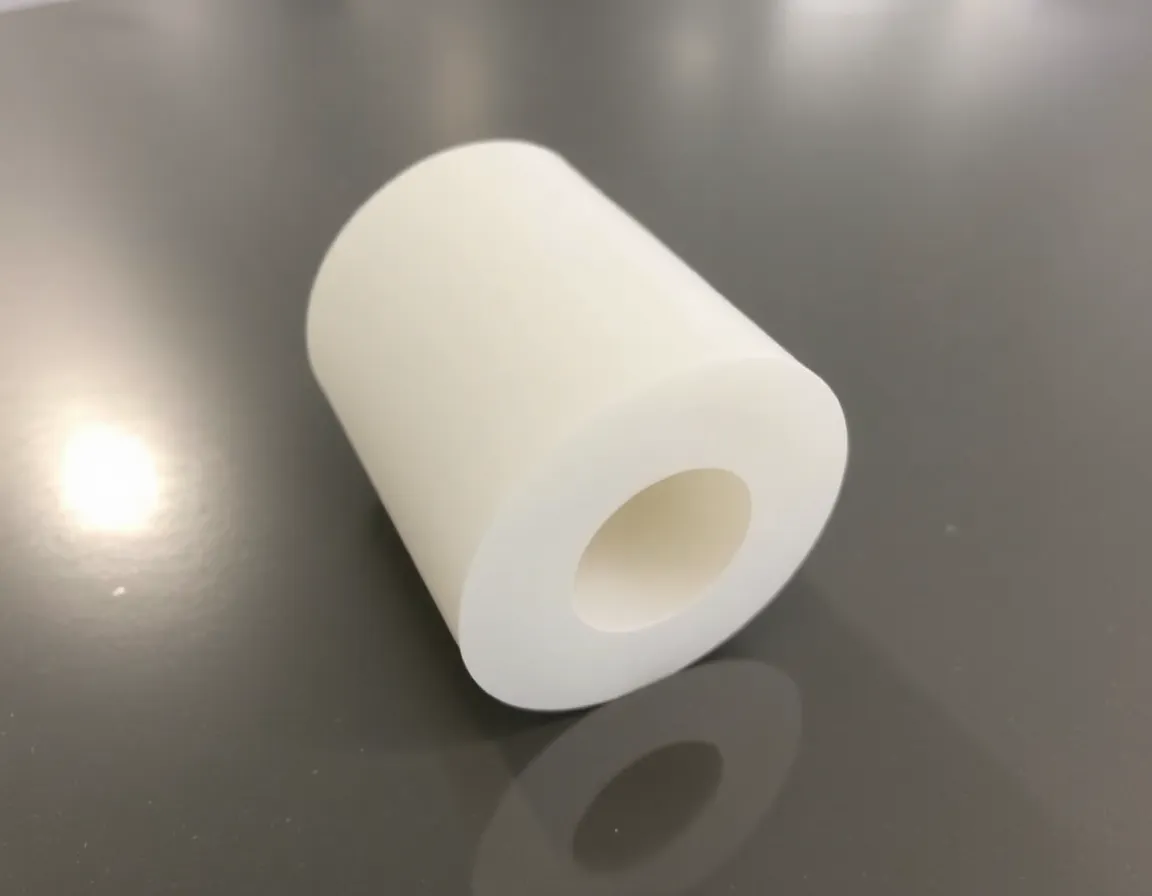
Hochpräzise POM (Acetal/Delrin) CNC-Bearbeitungsdienste. Erhalten Sie gleichbleibende Qualität, schnelle Prototypen und kundenspezifische Kunststoffkomponenten. Senden Sie Ihre Zeichnung für ein Angebot ein. pom cnc machining
POM parts resist moisture absorption, ensuring consistent size and fit over time.
Self-lubricating material reduces wear, ideal for gears, bearings, and moving parts.
Machines to a smooth, clean finish with sharp edges and fine details directly.
High stiffness allows fast machining speeds, reducing production time and cost.
pom cnc machining solutions are available with stable quality control, flexible manufacturing capacity, and responsive technical support. Contact us for drawings review and quotation.
POM-CNC-Bearbeitung ist ein präzises Fertigungsverfahren, bei dem computergesteuerte Werkzeuge eingesetzt werden, um Polyoxymethylen (POM), allgemein bekannt als Delrin oder Acetal, zu schneiden und zu formen. Dieser technische Kunststoff ist bekannt für seine hohe Steifigkeit, geringe Reibung, hervorragende Maßhaltigkeit und gute Chemikalienbeständigkeit. Das Verfahren wird verwendet, um hochpräzise Komponenten wie Zahnräder, Buchsen, Rollen, Isolatoren und komplexe mechanische Teile herzustellen. Die POM-CNC-Bearbeitung ist ideal für Anwendungen, die enge Toleranzen, glatte Oberflächen und Teile erfordern, die in mechanischen Baugruppen, medizinischen Geräten, Automobilsystemen und Unterhaltungselektronik mit minimaler Schmierung betrieben werden müssen.
Der POM-CNC-Bearbeitungsprozess beginnt mit einem massiven Block oder Stab aus POM-Kunststoff, der sicher auf einem CNC-Maschinenbett eingespannt wird. Ein Computerprogramm (G-Code), das aus einem 3D-CAD-Modell generiert wird, steuert die Schneidwerkzeuge der Maschine – wie Schaftfräser, Bohrer und Drehmaschinen –, um Material mit hoher Präzision abzutragen. Die Bearbeitungsparameter wie Spindeldrehzahl, Vorschubgeschwindigkeit und Schnitttiefe werden sorgfältig für POM optimiert, um Überhitzung (die zum Schmelzen führen kann) zu vermeiden und eine hervorragende Oberflächengüte zu erzielen. Kühlmittel oder Druckluft werden häufig eingesetzt, um Wärme abzuführen und Späne zu entfernen. Das Ergebnis ist ein fertiges Teil, das exakt dem digitalen Design entspricht und oft nur wenig bis gar keine Nachbearbeitung erfordert.
Die Wahl von POM für die CNC-Bearbeitung bietet mehrere bedeutende Vorteile. Erstens weist POM eine außergewöhnliche Maßhaltigkeit und eine geringe Feuchtigkeitsaufnahme auf, was bedeutet, dass Teile ihre Form und Größe zuverlässig behalten. Seine natürliche Schmierfähigkeit und der niedrige Reibungskoeffizient ermöglichen reibungslose, verschleißfeste bewegliche Teile, ohne dass zusätzliche Schmierstoffe erforderlich sind. Das Material ist zudem stark, steif und weist eine gute Ermüdungsbeständigkeit auf, was es für dynamische lasttragende Komponenten geeignet macht. Darüber hinaus lässt sich POM hervorragend zerspanen und liefert saubere Kanten und sehr glatte Oberflächen direkt von der Maschine. Diese Eigenschaften kombinieren sich zu langlebigen, präzisen und hochleistungsfähigen Kunststoffkomponenten, die für bestimmte nichtleitende Anwendungen mit geringer Reibung oft eine kosteneffiziente Alternative zu Metallen wie Aluminium darstellen.
While excellent for many applications, POM CNC machining has some limitations to consider. POM has poor resistance to strong acids and is not recommended for prolonged exposure to UV light without stabilization. A primary machining concern is its relatively low melting point; excessive heat from aggressive cutting can cause the material to melt or deform, requiring skilled machinists to use proper speeds and cooling. Additionally, POM is not suitable for high-temperature environments, typically performing best below 180°F (82°C). It also has limited adhesive bonding capabilities, often requiring mechanical fasteners or special surface treatments for assembly. Understanding these constraints ensures the material is selected appropriately for the part's end-use environment.
The pricing for custom POM CNC machined parts depends on part complexity, quantity, tolerances, and required finish. For prototypes or low volumes, unit costs are higher as they amortize programming and setup time. For higher quantities, the per-part cost decreases significantly. The ordering process typically involves: 1) Providing a 3D CAD file (e.g., STEP, IGES) of your design. 2) Discussing material specifications, tolerances, and post-processing needs (like deburring or tapping) with the machining service. 3) Receiving a quote based on machine time, material, and labor. 4) Approving the quote and lead time, after which the shop generates toolpaths and begins production. Many shops offer rapid prototyping with lead times of a few days, making POM CNC machining accessible for both development and production.
Our lab needed custom POM (Delrin) components for a fluidic device. The precision from their CNC mac
Great work on a complex POM gear assembly. The low friction and dimensional stability of the parts a
As a small inventor, I needed a prototype for a quiet, durable mechanism. I chose POM for its self-l
We ordered POM insulators for an electrical project. The machining quality is excellent, and the mat