In the world of modern manufacturing, where precision, strength, and efficiency are paramount, milled aluminum parts stand as a cornerstone of innovation. These components, born from the subtractive process of CNC (Computer Numerical Control) milling, are integral to countless industries, from aerospace to consumer electronics. This complete guide delves into the intricacies of precision CNC aluminum parts, exploring their creation, advantages, applications, and the best practices that ensure their superior quality.
What Are Precision CNC Aluminum Parts?
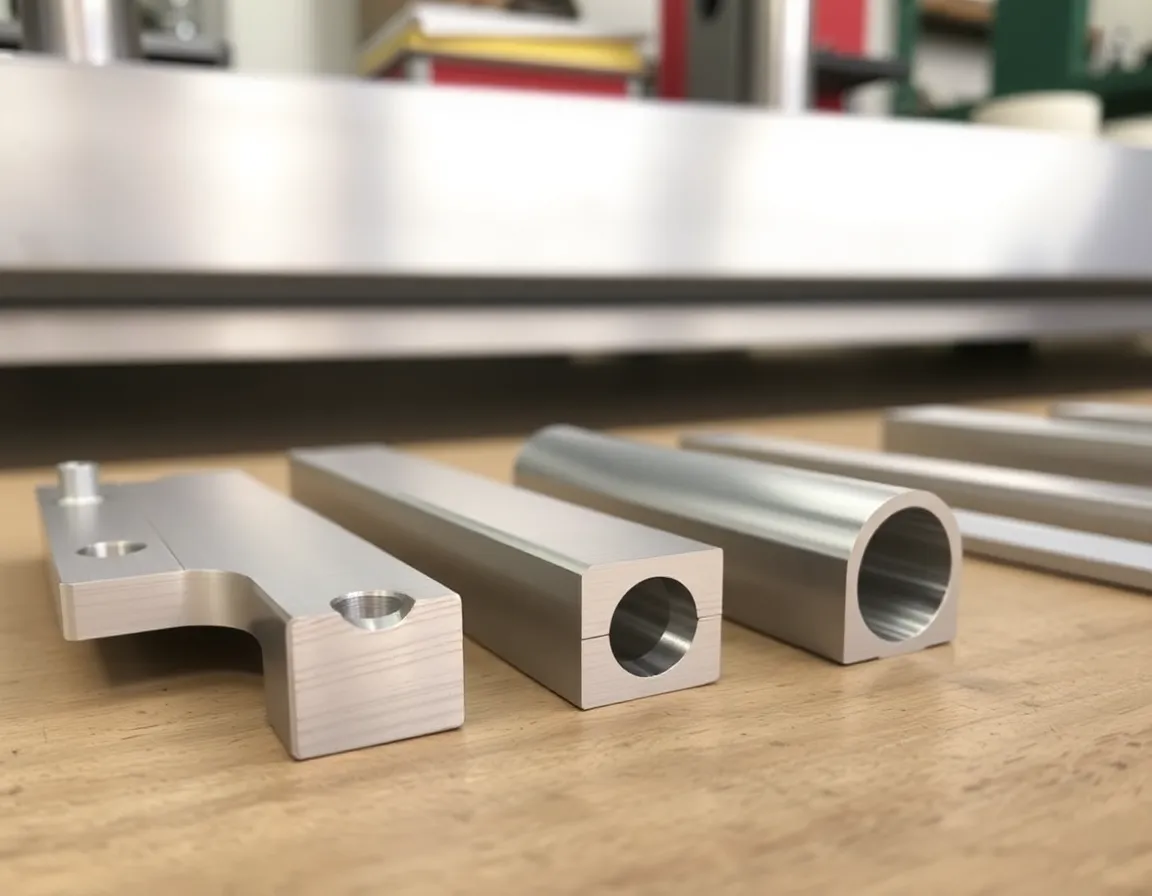
Precision CNC aluminum parts are components machined from solid blocks or billets of aluminum alloy using computer-controlled milling machines. The process, known as CNC milling, involves rotating cutting tools that remove material with exceptional accuracy to create a part that matches a digital 3D design exactly. Unlike casting or molding, milling is a subtractive manufacturing method, carving the final geometry from a solid workpiece. This allows for incredible complexity, tight tolerances (often within ±0.001 inches or 0.025mm), and superb surface finishes. The combination of aluminum's favorable material properties and CNC's digital precision makes these parts a preferred solution for high-performance applications.
The CNC Milling Process for Aluminum
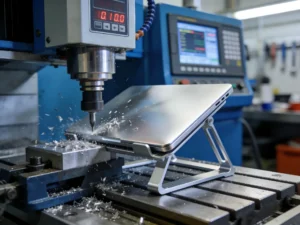
The journey from a digital file to a finished aluminum part is a symphony of technology and engineering. It begins with Computer-Aided Design (CAD) software, where engineers create a detailed 3D model. This model is then translated into machine instructions (G-code) via Computer-Aided Manufacturing (CAM) software. The G-code dictates every movement of the CNC mill. The selected aluminum billet is securely clamped to the machine bed, and the automated process begins. Cutting tools—end mills, face mills, drills—perform a series of operations such as facing, pocketing, contouring, and drilling. Coolant is often applied to manage heat, prevent chip welding, and achieve a better finish. Post-machining, parts may undergo secondary operations like anodizing, sandblasting, or assembly.
Hauptvorteile und Vorzüge
The widespread adoption of CNC milled aluminum parts is driven by a powerful combination of material and process benefits.
Material Excellence: Why Aluminum?
Aluminum alloys, such as 6061, 7075, and 2024, are the bedrock of this process. They offer a unique set of properties:
- High Strength-to-Weight Ratio: Aluminum provides substantial strength while remaining lightweight, a critical factor in aerospace, automotive, and robotics.
- Excellent Machinability: Aluminum is relatively soft and cuts cleanly, allowing for high-speed machining, reduced tool wear, and excellent surface finishes.
- Superior Corrosion Resistance:Many alloys form a protective oxide layer, and treatments like anodizing can enhance this resistance further.
- Good Thermal and Electrical Conductivity:Ideal for heat sinks, enclosures for electronics, and components requiring heat dissipation.
- Recyclability:Aluminum is 100% recyclable, supporting sustainable manufacturing practices.
Process Advantages of CNC Milling
CNC milling amplifies aluminum's inherent benefits:
- Unmatched Precision and Repeatability: CNC machines produce identical parts batch after batch, ensuring consistency critical for assembly and performance.
- Design Complexity and Flexibility:Intricate geometries, complex contours, undercuts, and precise internal features are all achievable, offering designers immense freedom.
- Schnelles Prototyping und Produktion:Once the CAD/CAM programming is complete, parts can be produced quickly, accelerating both prototyping and full-scale production cycles.
- Reduced Waste:While subtractive, modern CAM software optimizes tool paths to minimize material removal, and aluminum chips are easily collected and recycled.
Anwendungen in verschiedenen Branchen
The versatility of precision CNC aluminum parts makes them indispensable in technology-driven sectors.
Luft- und Raumfahrt sowie Verteidigung
This sector demands the ultimate in reliability, weight savings, and strength. Milled aluminum parts are used in aircraft fuselage brackets, engine components, drone frames, and satellite hardware. The ability to machine complex, lightweight structural components from high-strength alloys like 7075 is crucial.
Automobil und Motorsport
From high-performance engine blocks and cylinder heads to suspension components and custom brackets, CNC aluminum reduces vehicle weight while enhancing performance and efficiency. In electric vehicles, aluminum heat sinks for battery management systems are vital.
Elektronik und Telekommunikation
Here, precision and thermal management are key. CNC milling produces enclosures, racks, waveguide components, and the ubiquitous heat sink. The process ensures EMI/RFI shielding integrity through precise fits and allows for intricate designs in consumer electronics.
Medizin und Biowissenschaften
Medical devices require biocompatibility, sterility, and flawless operation. CNC aluminum is used for surgical instrument handles, imaging device components, diagnostic equipment housings, and prosthetics, often followed by specialized surface treatments.
Industrielle Automatisierung und Robotik
Robotic arms, end-effectors, and machine frames benefit from aluminum's stiffness and light weight, enabling faster, more precise movements and higher energy efficiency. Custom sensor mounts and tooling plates are also common applications.
Best Practices for Optimal Results
To fully leverage the potential of CNC milled aluminum parts, adherence to design and manufacturing best practices is essential.
Design for Manufacturability (DFM)
Collaborating with your machining partner during the design phase is critical. Key DFM considerations include:
- Innere Eckenradien: Design radii slightly larger than the intended cutting tool radius to allow for proper tool paths and avoid stress concentrations.
- Wandstärke:Maintain adequate wall thickness to prevent distortion during machining or under load. Avoid excessively thin features.
- Hole Depth and Size:Limit hole depths to reasonable multiples of the hole diameter for standard tools and consider access for threading tools.
- Tolerances:Specify critical tolerances only where absolutely necessary, as tighter tolerances increase cost and machining time.
Material and Finish Selection
Choosing the right alloy and finish is a functional and aesthetic decision.
- Alloy Choice: Select based on need: 6061 for general purpose, 7075 for high strength, 2024 for fatigue resistance, or 5052 for superior formability and corrosion resistance.
- Surface Finishes:Options includeas-machinedfor non-critical surfaces,bead blastingfor a uniform matte texture,Bürstenfor a decorative linear grain, andEloxieren(Type II for corrosion resistance and color, Type III hardcoat for extreme wear resistance).
Partnering with the Right Machine Shop
The quality of the final part is directly tied to the capabilities of the manufacturer. Look for a shop with:
- Experience in machining aluminum specifically.
- A range of modern CNC equipment (3-axis, 5-axis for complex parts).
- Robust quality control processes, including CMM (Coordinate Measuring Machine) inspection.
- Clear communication and a proactive approach to DFM feedback.
In conclusion, precision CNC aluminum parts represent a fusion of ideal material properties and advanced manufacturing technology. They enable the lightweight, strong, and complex components that power innovation across every advanced industry. By understanding the process, benefits, applications, and best practices outlined in this guide, engineers, designers, and procurement specialists can make informed decisions to harness the full potential of milled aluminum, driving their products toward greater performance, reliability, and success.