في عالم التصنيع الحديث، حيث تكون الدقة والقوة والكفاءة أمورًا بالغة الأهمية، تُعد قطع الألمنيوم المُشكّلة بالتفريز حجر الزاوية للابتكار. هذه المكونات، التي وُلدت من عملية التصنيع بالطرح عبر التفريز CNC (التحكم الرقمي بالحاسوب)، لا غنى عنها في عدد لا يحصى من الصناعات، من الطيران إلى الإلكترونيات الاستهلاكية. يتعمق هذا الدليل الشامل في تفاصيل قطع الألمنيوم CNC الدقيقة، مستكشفًا إنشاءها ومزاياها وتطبيقاتها وأفضل الممارسات التي تضمن جودتها الفائقة.
ما هي قطع الألمنيوم CNC الدقيقة؟
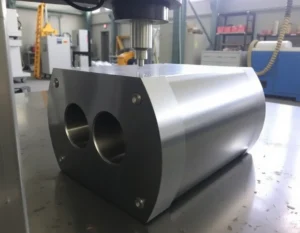
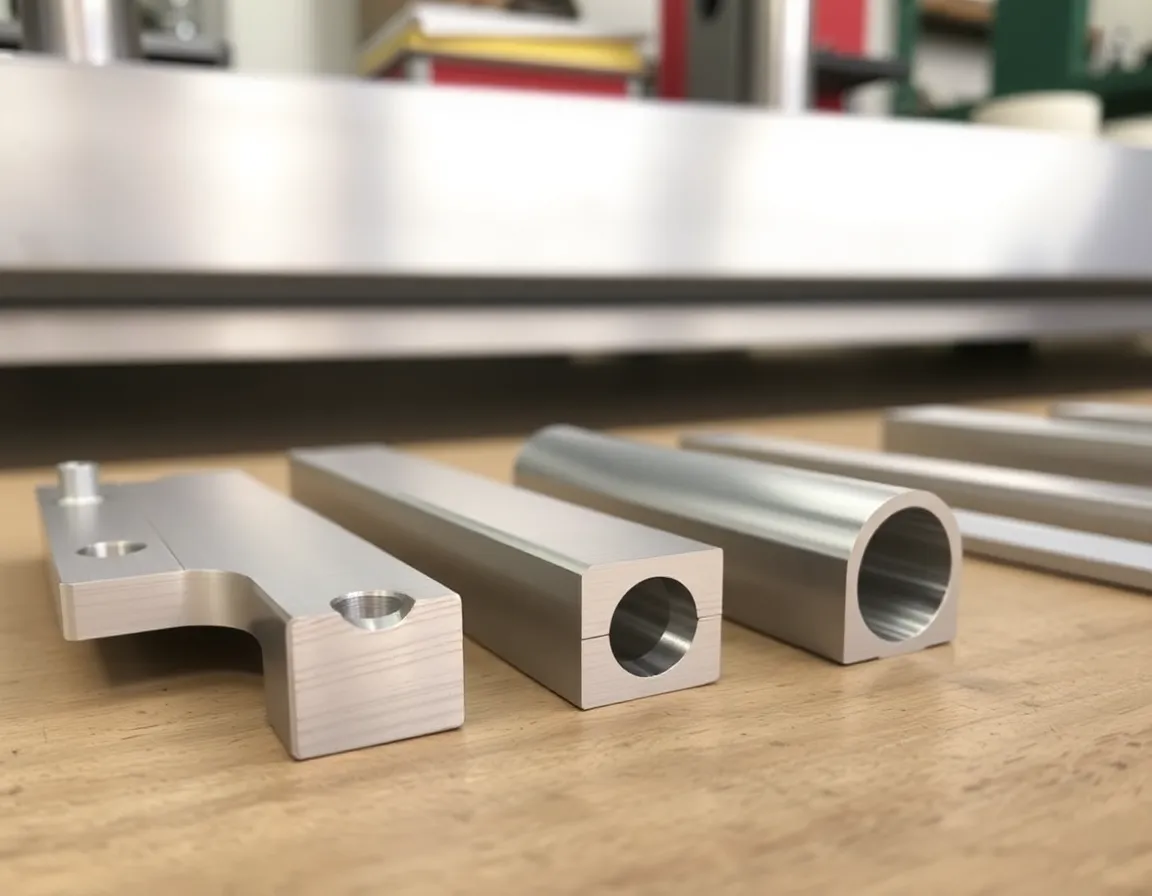
قطع الألمنيوم CNC الدقيقة هي مكونات تُشكَّل بالآلات من كتل أو قضبان صلبة من سبائك الألمنيوم باستخدام آلات تفريز تُدار بالحاسوب. تتضمن العملية، المعروفة بالتفريز CNC، أدوات قطع دوارة تُزيل المادة بدقة استثنائية لإنشاء قطعة تطابق تصميمًا رقميًا ثلاثي الأبعاد تمامًا. وخلافًا للصب أو القولبة، فإن التفريز هو طريقة تصنيع بالطرح، تنحت الشكل الهندسي النهائي من قطعة عمل صلبة. وهذا يسمح بتعقيد مذهل، وتفاوتات ضيقة (غالبًا في حدود ±0.001 بوصة أو 0.025 مم)، وتشطيبات سطحية ممتازة. إن الجمع بين الخصائص المادية المواتية للألمنيوم والدقة الرقمية للـ CNC يجعل هذه القطع حلًا مفضلًا للتطبيقات عالية الأداء.
عملية التفريز CNC للألمنيوم
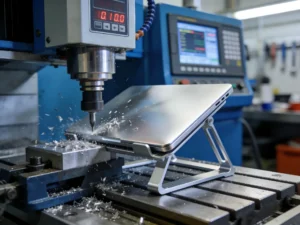
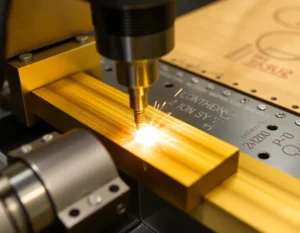
الرحلة من ملف رقمي إلى قطعة ألمنيوم منتهية هي سيمفونية من التكنولوجيا والهندسة. تبدأ ببرنامج التصميم بمساعدة الحاسوب (CAD)، حيث ينشئ المهندسون نموذجًا ثلاثي الأبعاد مفصلًا. ثم يُترجم هذا النموذج إلى تعليمات للآلة (G-code) عبر برنامج التصنيع بمساعدة الحاسوب (CAM). يحدد الـ G-code كل حركة لآلة التفريز CNC. تُثبَّت قضية الألمنيوم المختارة بإحكام على منصة الآلة، وتبدأ العملية الآلية. تنفذ أدوات القطع—رؤوس التفريز الطرفية، ورؤوس التفريز السطحي، والمثاقب—سلسلة من العمليات مثل التسوية السطحية، وتجويف الجيوب، وتشكيل المحيط، والثقب. غالبًا ما يُستخدم سائل التبريد لإدارة الحرارة، ومنع التصاق الرقائق، وتحقيق تشطيب أفضل. بعد التفريز، قد تخضع القطع لعمليات ثانوية مثل الأنودة، أو السفع الرملي، أو التجميع.
الفوائد والمزايا الرئيسية
إن الاعتماد الواسع النطاق على أجزاء الألومنيوم المشغولة بالتفريز CNC مدفوع بمزيج قوي من مزايا المواد والعمليات.
تميز المواد: لماذا الألومنيوم؟
تُعد سبائك الألومنيوم، مثل 6061 و7075 و2024، الأساس المتين لهذه العملية. فهي توفر مجموعة فريدة من الخصائص:
- نسبة عالية من القوة إلى الوزن: يوفر الألومنيوم قوة كبيرة مع بقائه خفيف الوزن، وهو عامل حاسم في الطيران والسيارات والروبوتات.
- قابلية ممتازة للتشغيل الآلي: الألومنيوم لين نسبيًا ويُقطع بنظافة، مما يسمح بالتشغيل الآلي عالي السرعة وتقليل تآكل الأدوات والحصول على تشطيبات سطحية ممتازة.
- مقاومة فائقة للتآكل:تشكّل العديد من السبائك طبقة أكسيد واقية، ويمكن لمعالجات مثل الأنودة أن تعزز هذه المقاومة بشكل أكبر.
- توصيل حراري وكهربائي جيد:مثالي لمشتتات الحرارة وحاويات الإلكترونيات والمكونات التي تتطلب تبديد الحرارة.
- قابلية إعادة التدوير:الألومنيوم قابل لإعادة التدوير بنسبة 100%، مما يدعم ممارسات التصنيع المستدامة.
مزايا عملية التفريز CNC
يعزز التفريز CNC الفوائد الكامنة في الألومنيوم:
- دقة وتكرارية لا مثيل لهما: CNC machines produce identical parts batch after batch, ensuring consistency critical for assembly and performance.
- Design Complexity and Flexibility:Intricate geometries, complex contours, undercuts, and precise internal features are all achievable, offering designers immense freedom.
- Rapid Prototyping and Production:Once the CAD/CAM programming is complete, parts can be produced quickly, accelerating both prototyping and full-scale production cycles.
- Reduced Waste:While subtractive, modern CAM software optimizes tool paths to minimize material removal, and aluminum chips are easily collected and recycled.
التطبيقات عبر الصناعات
The versatility of precision CNC aluminum parts makes them indispensable in technology-driven sectors.
الطيران والدفاع
This sector demands the ultimate in reliability, weight savings, and strength. Milled aluminum parts are used in aircraft fuselage brackets, engine components, drone frames, and satellite hardware. The ability to machine complex, lightweight structural components from high-strength alloys like 7075 is crucial.
السيارات وسباقات السيارات
From high-performance engine blocks and cylinder heads to suspension components and custom brackets, CNC aluminum reduces vehicle weight while enhancing performance and efficiency. In electric vehicles, aluminum heat sinks for battery management systems are vital.
الإلكترونيات والاتصالات
Here, precision and thermal management are key. CNC milling produces enclosures, racks, waveguide components, and the ubiquitous heat sink. The process ensures EMI/RFI shielding integrity through precise fits and allows for intricate designs in consumer electronics.
Medical and Life Sciences
Medical devices require biocompatibility, sterility, and flawless operation. CNC aluminum is used for surgical instrument handles, imaging device components, diagnostic equipment housings, and prosthetics, often followed by specialized surface treatments.
الأتمتة الصناعية والروبوتات
Robotic arms, end-effectors, and machine frames benefit from aluminum's stiffness and light weight, enabling faster, more precise movements and higher energy efficiency. Custom sensor mounts and tooling plates are also common applications.
Best Practices for Optimal Results
To fully leverage the potential of CNC milled aluminum parts, adherence to design and manufacturing best practices is essential.
التصميم من أجل قابلية التصنيع (DFM)
Collaborating with your machining partner during the design phase is critical. Key DFM considerations include:
- Internal Corner Radii: Design radii slightly larger than the intended cutting tool radius to allow for proper tool paths and avoid stress concentrations.
- Wall Thickness:Maintain adequate wall thickness to prevent distortion during machining or under load. Avoid excessively thin features.
- Hole Depth and Size:Limit hole depths to reasonable multiples of the hole diameter for standard tools and consider access for threading tools.
- Tolerances:Specify critical tolerances only where absolutely necessary, as tighter tolerances increase cost and machining time.
Material and Finish Selection
Choosing the right alloy and finish is a functional and aesthetic decision.
- Alloy Choice: Select based on need: 6061 for general purpose, 7075 for high strength, 2024 for fatigue resistance, or 5052 for superior formability and corrosion resistance.
- Surface Finishes:Options includeas-machinedfor non-critical surfaces,bead blastingfor a uniform matte texture,brushingfor a decorative linear grain, andأنودة(Type II for corrosion resistance and color, Type III hardcoat for extreme wear resistance).
Partnering with the Right Machine Shop
The quality of the final part is directly tied to the capabilities of the manufacturer. Look for a shop with:
- Experience in machining aluminum specifically.
- A range of modern CNC equipment (3-axis, 5-axis for complex parts).
- Robust quality control processes, including CMM (Coordinate Measuring Machine) inspection.
- Clear communication and a proactive approach to DFM feedback.
In conclusion, precision CNC aluminum parts represent a fusion of ideal material properties and advanced manufacturing technology. They enable the lightweight, strong, and complex components that power innovation across every advanced industry. By understanding the process, benefits, applications, and best practices outlined in this guide, engineers, designers, and procurement specialists can make informed decisions to harness the full potential of milled aluminum, driving their products toward greater performance, reliability, and success.