
You have a zinc component design that needs to feel right, plate beautifully, and survive functional testing. The question is not whether to prototype—it is how. Should you machine it from solid bar stock? Should you opt for a soft tooling approach? Which zinc alloy gives you the best balance of machinability and final-part strength? And most importantly, how do you separate a capable CNC partner from one that will cost you weeks of rework?
This guide walks through the critical decision points in zinc prototype machining. Rather than a generic overview, it focuses on the trade-offs engineers and procurement professionals actually face—alloy grades, process selection, tolerance expectations, surface finish planning, and supplier qualification. By the end, you should have a clear framework for choosing both the right prototyping approach and the right manufacturing partner for your specific project.
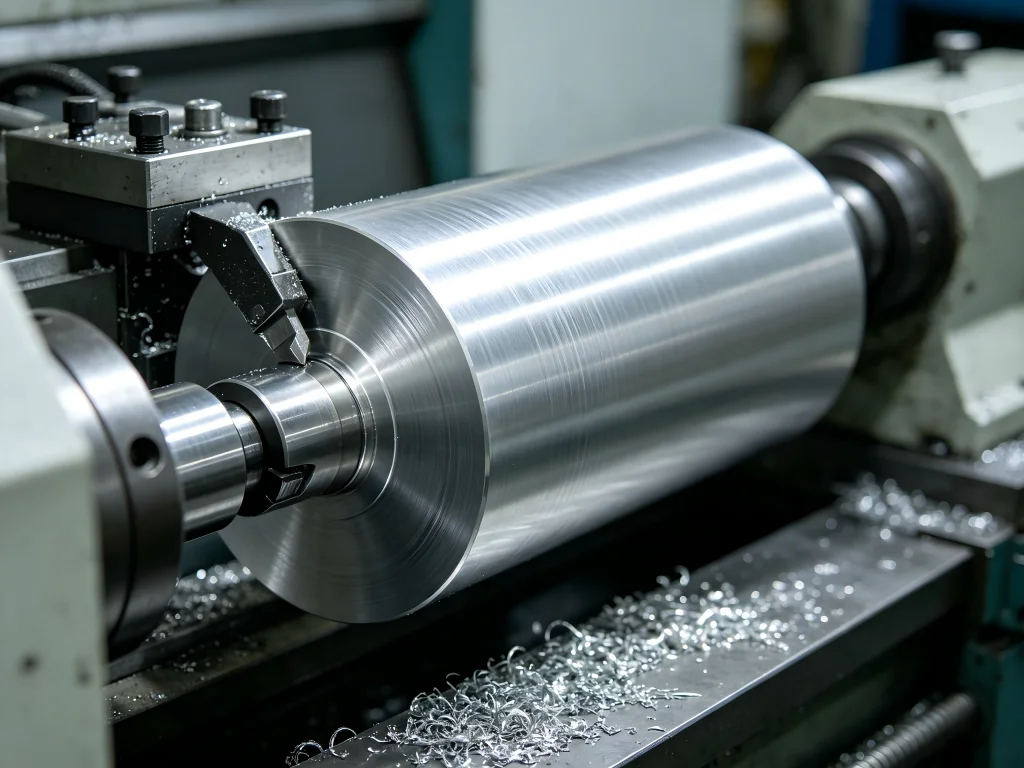
What Is Zinc Prototype Machining and Why Does It Matter?
Zinc prototype machining refers to the CNC-based subtractive process of creating functional prototypes from solid zinc or zinc alloy stock—typically Zamak series materials—to validate form, fit, function, and aesthetics before committing to production tooling. This approach sits between 3D-printed concept models and full-scale die casting, offering a fidelity level that plastic prototypes simply cannot match.
The core value proposition is straightforward: a machined zinc prototype behaves like the final die-cast part because it is the same material. It has the correct density (approximately 6.6 g/cm³), the correct thermal properties, and the correct response to surface finishing processes like electroplating. This matters enormously for products where perceived quality, weight balance, or plated cosmetics are non-negotiable—think luxury faucet handles, automotive interior trim, or premium consumer electronics housings.
From a purchasing perspective, zinc prototype machining serves as an insurance policy against expensive tooling mistakes. A die casting die can cost tens of thousands of dollars; finding a design flaw after that tool is cut is a financial disaster. Machining a handful of prototypes from solid zinc barstock costs a fraction of that tooling investment and delivers real, trustworthy data about how the final part will perform.
Critical Decision Point: Which Zinc Alloy Should You Specify?
Not all zinc alloys machine the same way, and not all are equally suited to every application. The choice of alloy affects machinability, tool wear, final mechanical properties, plating results, and cost. Here is a comparison of the most common grades used in zinc prototype machining.
| Alloy Grade | Key Composition | Tensile Strength (MPa) | Hardness (Brinell) | Machinability | Best Application |
|---|---|---|---|---|---|
| Zamak 3 | Zn-4Al | ~283 | ~82 | Excellent | General hardware, automotive trim, bathroom fixtures, consumer electronics housings |
| Zamak 5 | Zn-4Al-1Cu | ~331 | ~91 | Very Good | Automotive locks, gears, structural brackets, components requiring higher strength |
| ZA-8 | Zn-8.4Al | ~374 | 100-110 | Good | Bushings, wear plates, decorative hardware, creep-resistant applications |
| ZA-12 | Zn-11Al | Comparable to cast iron | High | Fair | Heavy-duty bearing surfaces, hydraulic components |
Zamak 3 is the industry workhorse. It offers the best overall balance of physical properties, dimensional stability, and finishing characteristics. If you are unsure which alloy to choose, Zamak 3 is typically the safest starting point for most zinc prototype machining projects.
Zamak 5 adds approximately 1% copper to the Zamak 3 base, which increases tensile strength and hardness but slightly reduces ductility. It also exhibits better creep resistance, making it suitable for parts that will experience sustained loads over time. The trade-off is slightly higher tool wear during machining.
The ZA series (ZA-8, ZA-12) contains higher aluminum content and offers greater strength and hardness than the Zamak grades. These alloys are less commonly used for prototyping but may be specified if the final production part will use ZA material and you need to validate properties early.
Process Trade-Offs: CNC Machining vs. Alternative Prototyping Methods
One of the most frequent debates in zinc prototype machining is whether to machine from solid stock or pursue other routes. Each approach has a distinct cost and capability profile.
CNC Machining from Solid Bar Stock
This is the most direct path to a functional zinc prototype. There is no tooling investment, which makes it ideal for design iteration cycles. You can have parts in hand within days, not weeks. The downsides are higher per-part cost (especially for complex geometries) and material waste from the subtractive process. However, for quantities under 50–100 pieces, machining from solid is typically the most cost-effective and fastest option.
Gravity Casting with Soft Tooling
Gravity casting uses plaster or silicone molds that cost roughly 10% of a production die. This approach can produce parts with near-net shapes, reducing the amount of CNC machining required. It is a good middle ground for quantities between 50 and 500 pieces, where per-part cost starts to matter but full die casting tooling is still premature.
Prototype Die Casting
For higher volumes or when you need to validate the actual casting process itself, prototype die casting using aluminum or soft steel molds may be appropriate. Tooling costs are higher than gravity casting but lower than production-grade tooling. This route makes sense when you need to test fill patterns, porosity, or other casting-specific characteristics.
The decision framework looks like this:
- 1–50 parts, rapid iteration: CNC machining from solid bar stock
- 50–500 parts, complex geometry: Gravity casting + secondary CNC finishing
- 500+ parts or casting process validation: Prototype die casting
Surface Finish and Plating Considerations
Zinc’s ability to accept electroplating is one of its defining advantages for cosmetic applications. However, not all surface finishes are created equal, and the choice of finish interacts with your prototyping approach in several ways.
Chrome plating is the most common high-end finish for zinc parts. Zinc alloys take chrome plating exceptionally well, producing a mirror-like finish that mimics polished stainless steel at a fraction of the cost. If your final product requires chrome plating, your prototype must be machined from the same zinc alloy and go through the same plating process to validate the final appearance.
Nickel plating offers a hard, wear-resistant surface and is commonly specified for functional components that see friction or repeated handling.
Chromate conversion coatings (clear, yellow, or black) provide corrosion resistance with minimal dimensional change. These are often specified for components that will be used in mildly corrosive environments but do not require a decorative chrome finish.
Powder coating and painting are also viable options, though they require proper surface preparation (phosphate conversion coatings or zinc chromate primers) to ensure adhesion.
One critical consideration: surface finishing adds thickness to the part. Plating layers can range from 5 to 25 microns (0.0002″ to 0.001″). If your prototype has critical mating surfaces or tight tolerances, you need to account for this added thickness in your machining strategy. Many shops will machine critical features slightly undersized to accommodate plating build-up.
Key Selection Criteria for a Zinc Prototype Machining Partner
Choosing the right supplier for zinc prototype machining involves more than comparing per-part quotes. Here are the factors that separate a reliable partner from a risky one.
Material Sourcing and Traceability
Not all Zamak stock is created equal. A capable partner sources high-quality alloy blocks with documented material certifications. This matters because variations in alloy composition can affect machinability, dimensional stability, and plating results. Ask potential suppliers about their material supply chain and whether they can provide mill test reports.
Tolerance Capability
Standard CNC machining tolerances for zinc typically fall in the ±0.025mm to ±0.125mm range. However, experienced shops can hold tolerances as tight as ±0.012mm on critical features. For zinc prototype machining, Jucheng Precision maintains tolerances of ±0.02mm as a standard offering. If your design requires tighter tolerances, verify that the supplier has the equipment and process controls to deliver consistently.
Design for Manufacturability (DFM) Support
The best suppliers offer DFM analysis before machining begins. This service identifies potential issues—thin walls that may vibrate, internal corners that cannot be cut sharply, deep pockets that require special tooling—and suggests optimizations that reduce cost and lead time without compromising function. A supplier that provides free DFM feedback is demonstrating both capability and partnership intent.
In-House Finishing Capabilities
Zinc prototyping often involves post-machining finishing—polishing, plating, or coating. Suppliers with in-house finishing capabilities can manage the entire workflow from raw stock to finished part, reducing coordination overhead and quality risk. Ask whether finishing is performed in-house or subcontracted, and request examples of finished parts to assess quality.
Lead Time and Communication
Rapid prototyping is, by definition, time-sensitive. A supplier that provides clear, realistic lead time estimates and maintains responsive communication throughout the project is worth prioritizing over one that offers slightly lower prices but delays responses. Look for shops that provide project tracking and proactive status updates.
Application Spotlight: Where Zinc Prototype Machining Excels
Zinc prototype machining finds its strongest use cases in industries where material properties and surface finish are non-negotiable.
Automotive represents one of the largest application areas. Zinc alloys are used for interior trim components, door handles, lock mechanisms, and structural brackets. Prototyping these parts in zinc allows engineers to validate fit, feel, and durability under real-world conditions before committing to production tooling. The weight and thermal properties of zinc are particularly important for components that interact with other metal parts or experience temperature fluctuations.
Consumer electronics is another major application. Zinc’s EMI/RFI shielding properties make it valuable for enclosures that protect sensitive electronics from electromagnetic interference. The material also provides a premium “hand-feel” that plastic cannot replicate—a critical factor for high-end devices where perceived quality drives purchase decisions.
Hardware and plumbing fixtures frequently specify zinc for its plating characteristics. Faucet handles, shower heads, and decorative hardware are often zinc die castings with chrome or nickel plating. Prototyping these parts in zinc allows designers to validate the final aesthetic and tactile experience before tooling.
Robotics and automation components increasingly use zinc for precision housings and structural elements. The material’s dimensional stability and machinability make it suitable for components that require tight tolerances and reliable performance over many cycles.
Design Tips for Machinable Zinc Prototypes
To get the best results from zinc prototype machining, consider these design guidelines:
- Maintain adequate wall thickness. Avoid walls thinner than 0.8mm (0.03″) to prevent vibration or deformation during machining.
- Specify internal radii. Cutting tools are cylindrical, so internal corners will have a radius rather than a sharp edge. Design with appropriate fillets to avoid costly EDM finishing.
- Consider draft angles. While draft is not required for CNC machining from solid stock, if your prototype will eventually transition to die casting, incorporating draft angles early can save tooling changes later.
- Plan for deep features. Very deep pockets or holes may require specialized tooling and increase machining time. Where possible, design features to be accessible with standard tool lengths.
- Account for plating thickness. If the prototype will be plated, discuss with your machinist whether critical dimensions should be machined undersized to accommodate the plating layer.
Frequently Asked Questions About Zinc Prototype Machining
Is zinc CNC machining more expensive than die casting?
For high volumes, die casting is significantly less expensive per part. However, for prototypes and low-volume runs (typically under 100 pieces), CNC machining from solid stock is more cost-effective because it requires no tooling investment. The breakeven point depends on part complexity and geometry, but as a general rule, machining is the preferred approach for validation quantities.
Can zinc prototypes be plated exactly like production parts?
Yes—this is one of the primary advantages of zinc prototype machining. A machined zinc prototype can go through the exact same plating process as a die-cast production part, producing an identical cosmetic result. This allows you to validate final appearance, plating adhesion, and dimensional changes from the plating layer before tooling commitment.
What tolerances can I expect from zinc CNC machining?
Standard tolerances typically range from ±0.025mm to ±0.125mm. With specialized equipment and careful process control, tolerances as tight as ±0.012mm are achievable. For most prototyping applications, ±0.02mm is sufficient and represents a good balance between cost and precision.
How does zinc compare to aluminum for prototyping?
Zinc is significantly denser than aluminum (6.6 g/cm³ vs. 2.7 g/cm³), which means zinc prototypes feel heavier and more substantial. Zinc also plates more easily and offers better EMI shielding. Aluminum is lighter and typically less expensive per unit volume. The choice depends on whether weight, feel, and plating characteristics are critical to your design validation.
How long does zinc prototype machining typically take?
Lead times vary based on part complexity and supplier workload. Simple parts can be machined in 3–5 business days; complex parts with multiple setups and finishing requirements may take 10–15 business days. Many suppliers offer expedited options for urgent projects.
What file formats do I need to provide for a quote?
Most suppliers prefer a 3D CAD model in .STEP or .IGES format, plus a 2D engineering drawing (PDF or DWG) with critical dimensions, tolerances, and surface finish requirements clearly specified. Providing both files ensures accurate quoting and reduces the risk of misinterpretation.
Can zinc prototypes be used for functional testing?
Yes—this is the primary purpose of zinc prototype machining. Because the prototype is made from the same material as the final production part, it can undergo mechanical, thermal, and corrosion testing that provides valid data for design validation.
Why Jucheng Precision Stands Out for Zinc Prototype Machining
Jucheng Precision has built a reputation for delivering high-fidelity zinc prototypes that bridge the gap between digital design and production reality. The company’s approach to zinc prototype machining is built on several distinctive capabilities.
Material expertise is central to what Jucheng offers. The team works with common Zamak grades including Zamak 3 and Zamak 5, sourcing high-quality alloy blocks that match the composition of final production materials. This attention to material fidelity ensures that prototypes behave like production parts in every meaningful way.
Precision machining is another cornerstone. Jucheng’s CNC milling centers maintain tolerances of ±0.02mm as a standard offering. For critical features, the shop can achieve even tighter tolerances using specialized equipment and processes. This level of precision is essential for validating fit with mating components and for ensuring that plated finishes meet cosmetic standards.
Integrated finishing sets Jucheng apart from shops that outsource post-machining work. The facility offers in-house polishing followed by chrome, nickel, or gold plating to achieve Class-A cosmetic finishes. This integration reduces lead time, eliminates coordination overhead, and ensures quality control throughout the entire workflow from raw stock to finished part.
DFM support is provided free of charge. Jucheng’s engineers review design files and suggest optimizations that reduce cost and lead time without compromising function. This service often identifies significant savings and helps prevent costly design revisions later in the development cycle.
Bridging to production is perhaps the most valuable capability Jucheng offers. The company provides both zinc CNC machining for prototypes and full-scale die casting for production. This means a project can start with machined prototypes for validation, then transition seamlessly to die casting for volume production without changing suppliers. The continuity of material specification, quality standards, and engineering support reduces risk and accelerates time to market.
For engineers and procurement professionals evaluating zinc prototype machining partners, Jucheng offers a combination of technical capability, material expertise, and integrated services that is difficult to match. The company’s focus on high-fidelity prototyping—parts that look, feel, and perform like the final production component—addresses the core need that drives zinc prototyping in the first place: reducing risk before committing to expensive tooling.
Whether your project involves automotive trim, consumer electronics housings, plumbing fixtures, or industrial components, Jucheng’s approach to zinc prototype machining provides the data, confidence, and quality needed to move from design to production with certainty.